Fire Sprinkler Head Maintenance Tips for Australia
Quick Answer: Commercial fire sprinkler heads need regular checks to stay ready when seconds matter. They should be inspected for paint overspray, physical damage, corrosion, obstructions, and proper spacing, then cleaned and documented. Most importantly, facilities in Australia benefit when a specialist partner like Kord Fire Protection builds a scheduled maintenance plan.
When a fire protection system sits above a busy workplace, people often forget it exists until it fails. And if you think sprinklers “just work,” that’s like assuming your smoke alarm has a secret day off. This article shares practical fire sprinkler head maintenance tips that facilities teams can use right away. Early checks help catch small issues before they become costly shutdowns, compliance problems, or awkward conversations with insurers. Over time, consistent preventative maintenance supports reliable discharge, correct operation, and smoother inspections. For facilities looking for a broader fire sprinkler system service partner, Kord Fire Protection offers inspection, maintenance, repair, and system support that fits naturally into a scheduled maintenance approach. Then, when the work is done with the right partner, the service becomes predictable, not stressful. That is where Kord Fire Protection can become a vital partner for the job, especially across industrial, retail, and multi site facilities throughout Australia.
Why sprinkler heads need preventative maintenance
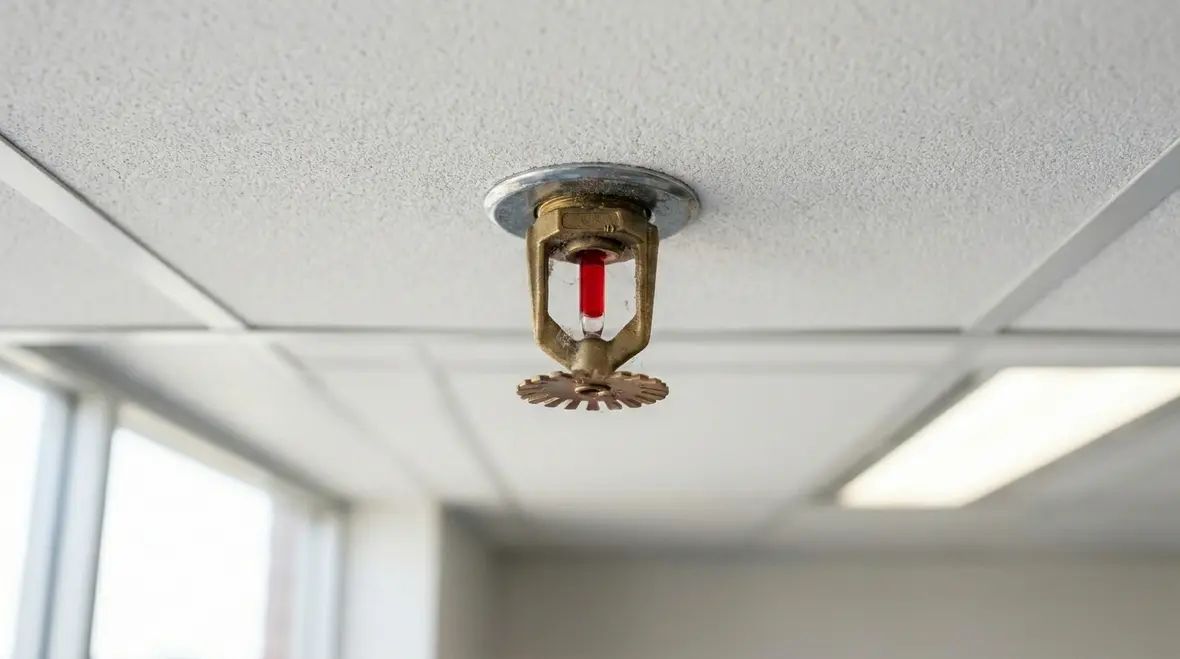
Sprinkler heads do not fail in the dramatic way movies show. More often, the system loses performance because of small, everyday changes to the building. Paint overspray can coat a glass bulb or deflector. Routine ceiling maintenance can create obstructions. Moisture exposure can lead to corrosion. Vibrations can loosen components. And then the fire sprinkler head never responds the way it should, at the exact moment it must.
Because commercial occupancies change constantly, proactive maintenance supports compliance and readiness. It also reduces nuisance impairments during tests or incidents, since heads remain clean and free of contaminants. In short, preventative work protects both people and operations. It also works best when fire sprinkler care is treated as part of a larger protection strategy rather than a lonely line item that only gets attention when someone points at the ceiling and says, “That doesn’t look right.”
What small changes usually create big sprinkler problems
The tricky part is that sprinkler heads usually do not announce trouble. A little dust buildup, a sign installed too close to discharge, a bumped escutcheon, or a coat of paint from nearby works can all quietly chip away at performance. In busy facilities, those issues accumulate slowly enough that people adapt to them. Then months later, everyone acts surprised. Preventative maintenance interrupts that pattern before it becomes expensive.
Inspection routines that catch problems early
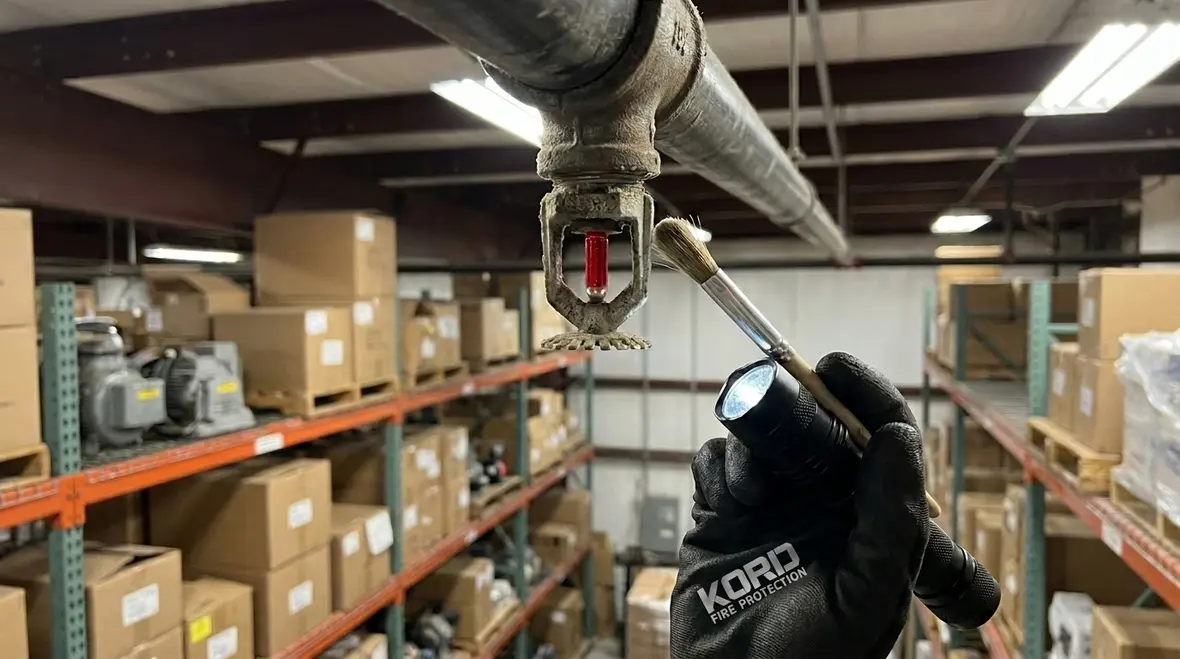
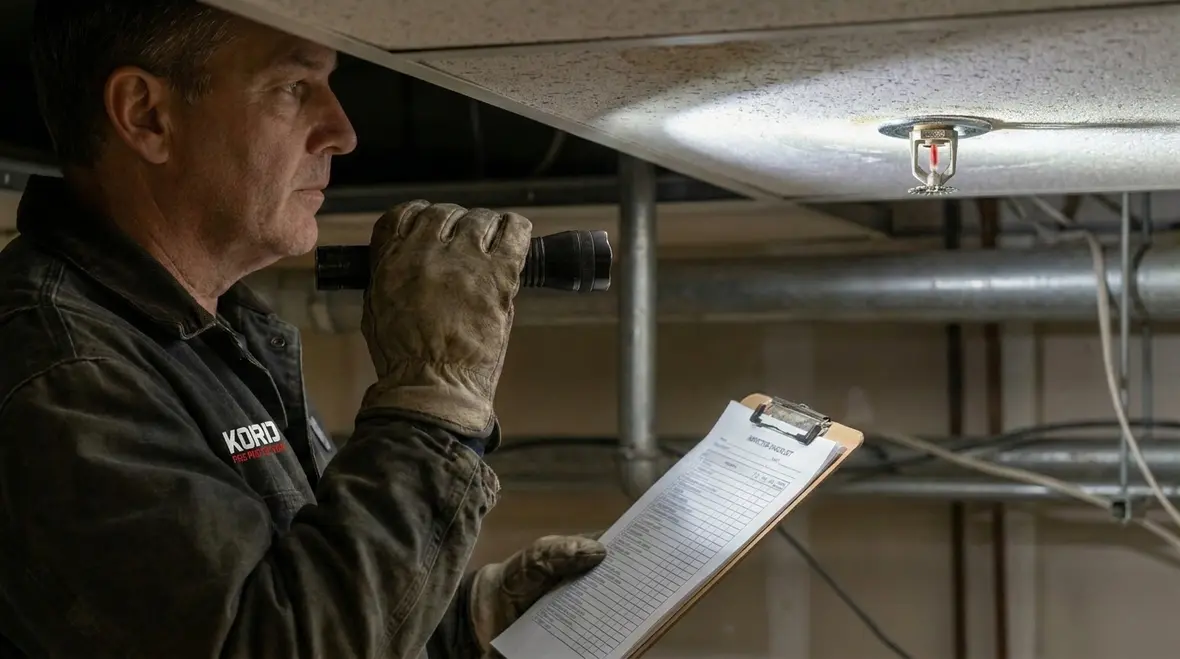
Facilities in Australia often run fast and hot. Therefore, inspections must be simple, consistent, and documented. A strong routine includes visual checks that focus on conditions most likely to affect performance. At minimum, teams should schedule inspections during low activity windows and after construction or fit out work.
Key checks typically include the following:
- Confirm the head is present and oriented correctly, with the deflector not moved from its position
- Look for paint, drywall dust, plaster, or “mystery coatings” around the frame and deflector
- Check for dents, cracks, bent pipe connections, or loose escutcheons
- Inspect for corrosion or staining, especially in humid areas like loading bays and plant rooms
- Verify there are no new obstructions from racks, signage, ceiling panels, insulation, or stored materials
- Check pipework and hangers for damage or sagging near the sprinkler head location
To keep things calm and methodical, teams should photograph problem areas and record the location, date, and condition. Then, if corrective action is needed, they can trace what was found, what was done, and what changed since the previous inspection.
Why documentation during inspections matters
A checklist is helpful. A checklist with photos, location references, and notes is much better. That kind of record turns maintenance from memory based guesswork into something traceable. It also helps when different contractors, facility managers, or compliance contacts touch the same site over time. Instead of debating whether a problem is new, the record can answer it in seconds.
How to protect sprinkler heads during repairs and fit outs
Construction work and maintenance activities create risk. Even when contractors mean well, the ceiling becomes a busy staging area for tools, dust, and temporary coverings. As a result, heads can get painted, wrapped, or damaged without anyone noticing.
Facilities can reduce this risk with clear site controls:
- Establish a permit or check process before any ceiling work begins
- Use proper head protection during renovations so dust and paint do not settle on the deflector
- Train maintenance staff and contractors on “do not touch” zones around sprinkler drops
- After any trade work, confirm that no obstructions were introduced, including temporary racks or lighting changes
- Verify the spray pattern during painting projects, because overspray loves sprinkler heads like it loves car windshields
When changes happen, documenting the date of completion matters. That documentation helps the next inspection move faster and keeps reporting easier for compliance cycles.
This is also a good moment to connect maintenance activity with broader service planning. Kord Fire’s full fire protection services page reflects the value of coordinating sprinkler work with overall inspection readiness, especially for sites that juggle multiple trades, multiple risks, and multiple chances for someone to accidentally create a problem above the ceiling.
Cleaning and lubrication: what gets done and what never gets done
Cleaning should be careful. The goal is to remove debris without damaging the head or altering components. Therefore, only approved methods should be used, and only for the type of head installed. Many problems come from “improvements” that were not improvements at all.
Safe preventative work usually includes:
- Removing loose dust and debris from around the sprinkler head and deflector using a soft, non damaging approach
- Ensuring the frame and escutcheon stay seated and intact
- Confirming any cleaning does not leave residues
What teams should avoid:
- Using harsh chemicals that can attack finishes, seals, or plated parts
- Painting over sprinkler components, even with “matching” paint
- Applying lubricant to any sprinkler head parts, because it can interfere with operation
- Trying to “bend it back” if a head appears slightly moved
If a head shows coating, damage, or corrosion, preventative action should focus on correction, not patching. When in doubt, the correct replacement pathway should be followed quickly. Kord Fire Protection can help facilities evaluate conditions and recommend next steps based on system requirements and site risks.
Why “quick fixes” usually become slower, pricier fixes
A sprinkler head is not the place for improvisation. The temptation to wipe it with whatever cleaner is nearby, spray over it so it matches the ceiling, or nudge it back into place is understandable. It is also exactly how small defects become performance risks. The better habit is simple: identify, record, isolate the issue if needed, and follow the proper corrective path.
Recordkeeping and compliance documentation that reduce headaches
In commercial environments, paperwork often feels like the villain in the story. However, good documentation keeps teams ahead instead of scrambling. It also supports audits and helps demonstrate due diligence to stakeholders.
A strong system includes:
- A maintained inspection schedule with clear frequency by hazard level and site activity
- Location mapping for sprinkler heads so findings link to exact areas
- Photographs of defects like coatings, obstructions, and corrosion
- Clear notes on corrective actions taken and the date completed
- Replacement records for any heads removed, including the reason for replacement
Then, when a regulator asks for proof, the facility can show a consistent trail of checks rather than a last minute packet. That saves time, and more importantly, it saves nerve endings.
Well kept records also reveal patterns. Maybe loading dock heads collect corrosion faster than office areas. Maybe one tenancy keeps introducing obstructions after merchandising changes. Maybe a plant room needs more frequent review than the current schedule allows. Good records do not just satisfy audits. They help improve the plan.
Risk based scheduling for industrial, retail, and facilities
Different sites face different threats. Industrial workshops deal with vibration, metal dust, and physical impacts. Retail spaces deal with frequent ceiling access, signage changes, and seasonal fit outs. Warehouses add humidity, storage movements, and dock activity. Therefore, preventative maintenance should follow risk, not just calendar dates.
A practical approach can include:
- Higher frequency checks in areas with regular maintenance activity or frequent ceiling access
- Extra attention in humid or corrosive environments such as plant rooms and loading zones
- Post construction checks after fit outs, mezzanine changes, or rack installs
- Focused inspections along traffic routes where accidental damage is more likely
With a risk based schedule, facilities maintain uptime and reduce disruptions. And in the middle of all that, Kord Fire Protection can coordinate planned service so work aligns with operational realities across multiple Australian locations.
How to make a schedule realistic enough to actually happen
The best maintenance schedule is not the one that looks impressive in a binder. It is the one a site can actually follow. That means building inspection timing around operations, tenancy activity, shutdown windows, and the areas most likely to change. Risk based planning works because it accepts that not every sprinkler head lives the same life. Some spend their days over quiet office corridors. Others spend them above forklifts, dust, humidity, and chaos.
How Kord Fire Protection supports ongoing sprinkler readiness
Preventative maintenance works best when it is reliable, traceable, and tailored to the building. A specialist partner can bring the right tools, trained technicians, and a process that fits the site. Kord Fire Protection helps facilities manage sprinkler head maintenance with attention to detail, clear reporting, and practical recommendations that reduce downtime. In other words, they help teams avoid the “we’ll deal with it later” habit that every business knows is expensive later.
For multi site organisations, this becomes even more valuable. Consistent standards across facilities reduce variation, strengthen compliance reporting, and make internal planning easier. Then, when changes occur at one location, lessons learned can be applied across the network.
FAQ
Call Kord Fire Protection to schedule preventative maintenance
Preventative work keeps commercial fire protection dependable, and it prevents small problems from turning into major interruptions. Kord Fire Protection helps industrial, retail, and facilities teams in Australia plan inspections, document findings, and correct issues fast. If the site is busy or multi location, that matters even more.
Contact Kord Fire Protection to schedule fire sprinkler head maintenance tips based service for your buildings, and keep your readiness where it belongs: on standby. The result is a maintenance plan that feels organised, practical, and a lot less like a last minute scramble before someone important shows up with a checklist.

Join Our Newsletter!
Get the latest fire safety tips delivered straight to your inbox From our Newsletter.