Fire Safety Technology Integration With Electrical Systems
Quick Answer (40-60 words)
Advanced fire safety tech can plug into modern electrical systems to reduce detection time, prevent nuisance trips, and help facilities meet Australian compliance expectations. When the work is planned well, data from panels, sensors, and monitored outputs supports faster response and fewer shutdowns. Kord Fire Protection can become the vital partner that makes it all work together safely.
Modern facilities in Australia do not run on guesswork. They run on systems that talk to each other, share signals, and respond within seconds. That is exactly why fire safety technology integration benefits matter when industrial, retail, and commercial sites upgrade electrical infrastructure. By bringing advanced detection, monitoring, and control into the electrical backbone, a site can catch risk earlier, coordinate actions more reliably, and cut downtime caused by avoidable faults.
Near the top of any serious upgrade conversation, it helps to look at how fire alarm integration for smarter building safety already frames the value of coordinated systems. The same practical logic applies here too: the better the connection between detection, control, and electrical behavior, the less likely a facility is to get blindsided by confusion when something goes wrong.
And yes, if someone says, “We will just wire it up,” that person should probably be directed toward a training video and a coffee. Because in real projects, integration is the difference between a system that looks good on paper and one that performs when heat, smoke, or an electrical issue shows up.
Why integration changes the risk profile for modern facilities
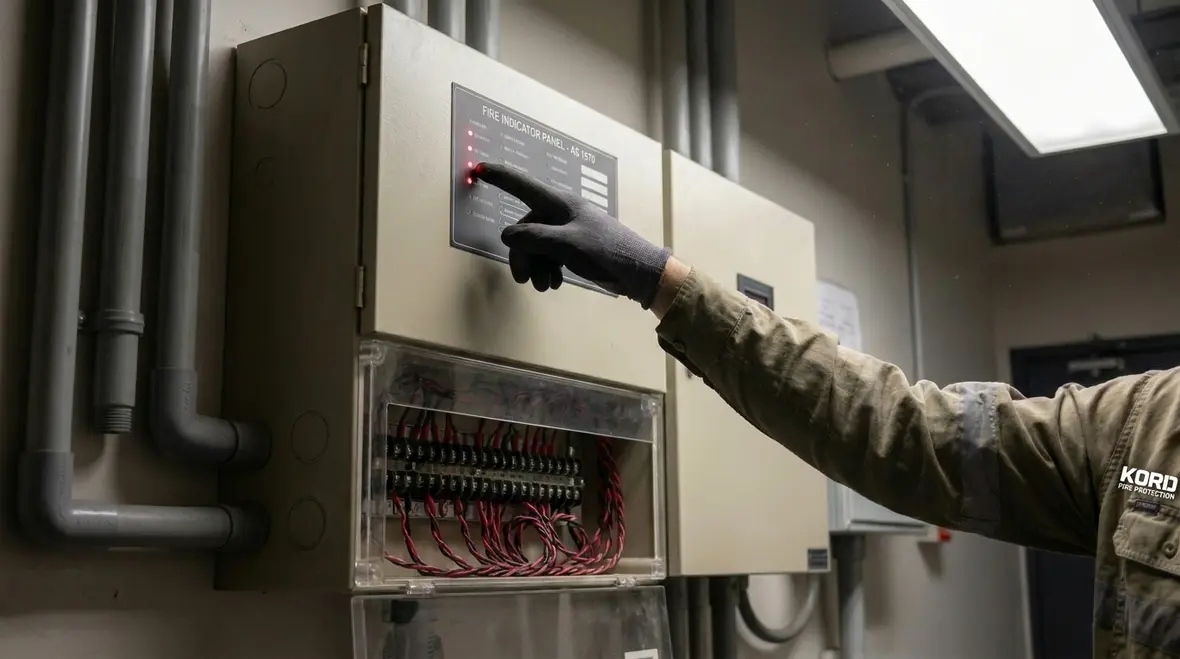
Facilities today often use smart switchgear, managed power distribution, and advanced building management systems. Fire detection and alarm systems must fit into this world instead of living in isolation. When fire safety technology integration benefits show up, they show up as practical outcomes, such as faster alarm verification, cleaner fault reporting, and better control of outputs like door releases or fan shutdown.
Additionally, integrating fire safety tech with electrical systems helps teams avoid common failure paths. For example, when alarm circuits sit on the wrong power supply type, or when signal points get routed through noisy panels, detection can become less consistent. Therefore, the project team must align power quality, wiring design, and monitoring logic from day one.
What changes once systems start talking to each other
Instead of waiting for a single device to raise a hand and hope somebody notices, an integrated arrangement lets multiple systems respond in a useful order. Operators gain clearer visibility, maintenance teams get better fault clues, and emergency actions become less dependent on someone sprinting across the building while holding a clipboard and regretting every life choice that led to that moment.
Which electrical system pieces should connect first
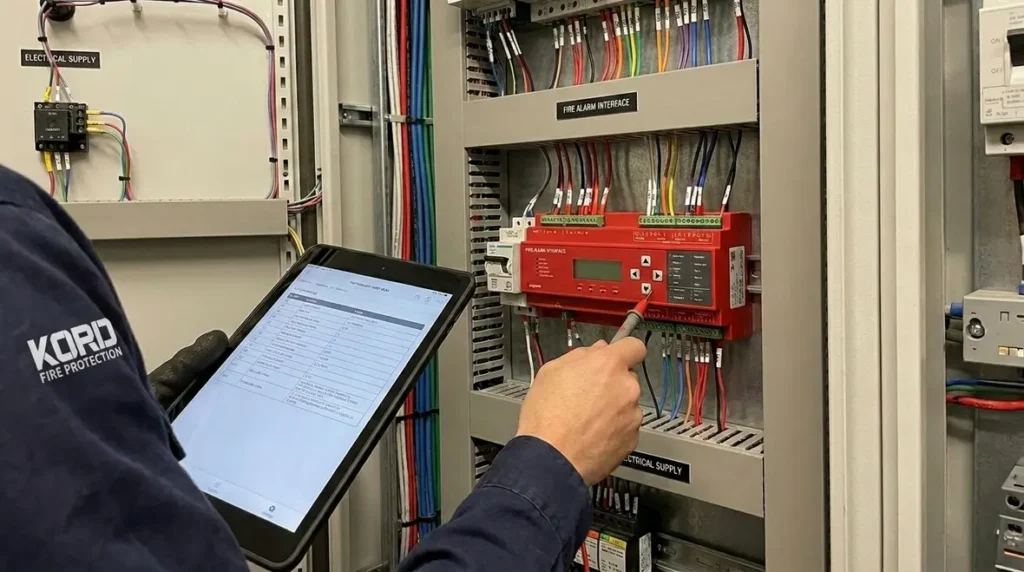
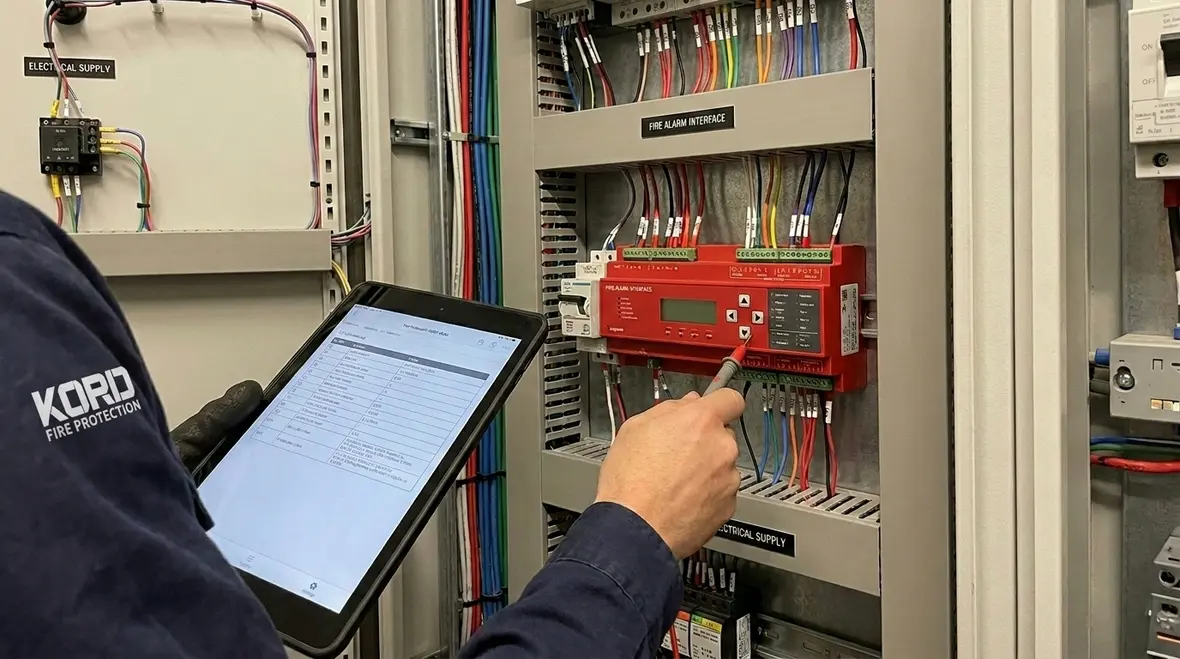
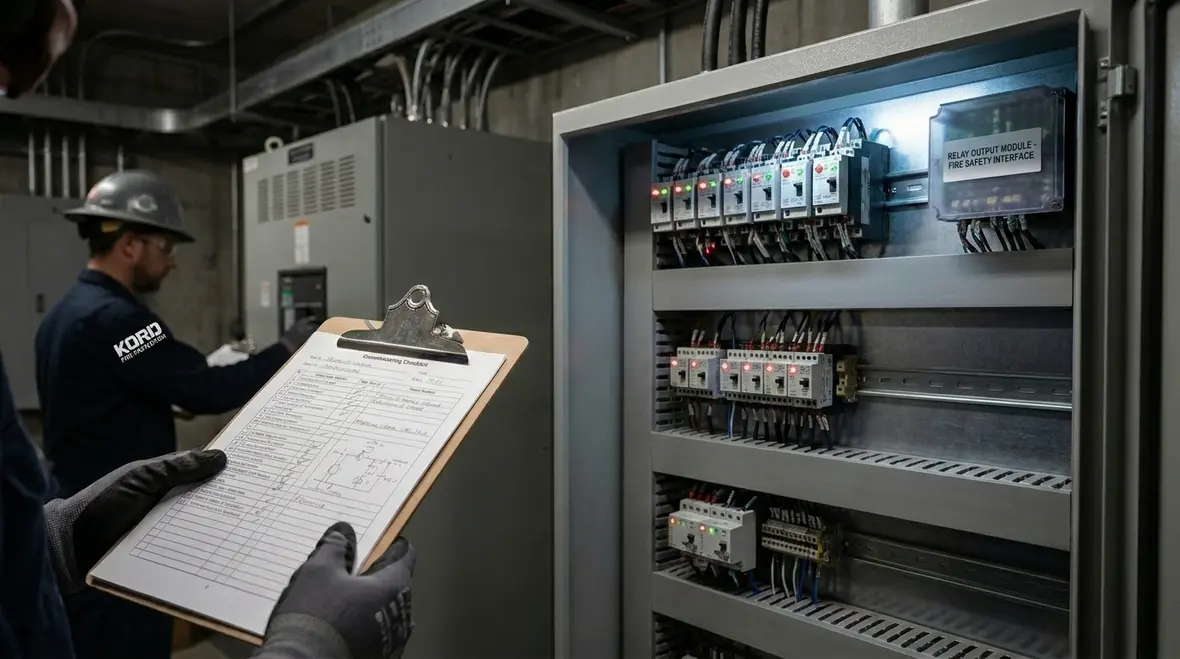
To keep the build calm and controlled, the facility should connect the most critical interfaces first. Typically, these include the main fire alarm control panel power inputs, supervised device circuits, and any monitored outputs that interact with electrical equipment.
After that, the team focuses on the areas that affect response time and operational continuity. For industrial sites, that can mean linking fire alarm outputs to control logic that stops hazardous processes. For retail and commercial spaces, it can mean coordinated behavior such as unlocking safe egress doors and managing stair pressurisation interfaces.
- Confirm the power path for fire life safety systems, including standby and supervision settings
- Map voltages, relay types, and supervised inputs before any cable gets cut
- Define fail safe states so the system behaves correctly when power loss happens
- Align electrical zoning and labeling so maintenance crews do not play “connect the dots” during emergencies
Start with the interfaces that affect life safety fastest
That order matters because it reduces commissioning chaos later. When the essential pathways are sorted first, every later connection has a stable reference point. It is far easier to troubleshoot one interface built on a known design than ten mystery interfaces built on crossed fingers and optimistic nodding.
Designing data and control signals so alarms stay reliable
Even when devices are high quality, integration can fail if the design treats fire safety as an afterthought. However, when the design treats signals as safety critical data, performance improves. That means using correct supervision methods, correct signal isolation where needed, and clear separation between power runs and signal runs.
Fire safety technology integration benefits tend to show up most strongly in how the site handles abnormal conditions. For example, a supervised input can identify wiring faults instead of waiting for a full trouble event. Meanwhile, properly designed interconnections can reduce nuisance signals caused by electrical interference, shared grounding issues, or improperly configured control outputs.
- Grounding and bonding practices that match electrical standards and prevent noise injection
- Shielding and routing practices that keep low voltage signaling stable
- Logical mapping between alarm zones, panels, and building control points
And if that sounds like a lot, it is. But it is the same kind of “a lot” that keeps a motor from eating itself, or keeps a checkout system from going down mid rush. No one wants that drama. Nobody. Not even the villains in action movies.
How Kord Fire Protection supports the job as the vital partner
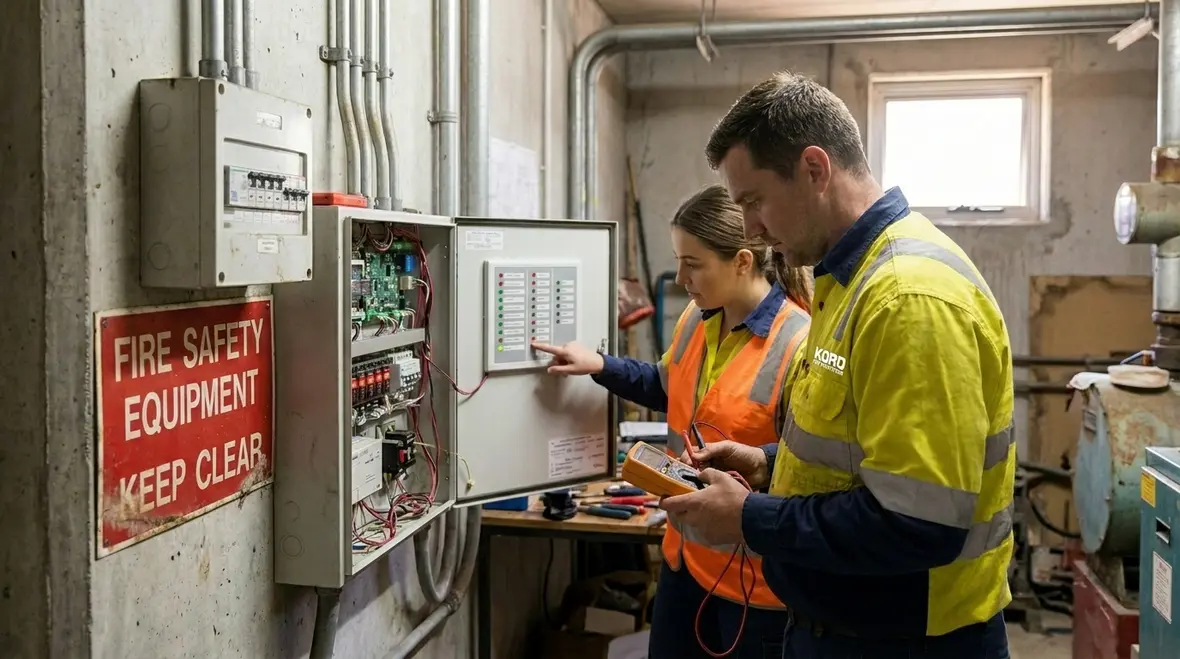
Integration is not just wiring and configuration. It is risk management, documentation, commissioning rigor, and ongoing service. This is where Kord Fire Protection can become a vital partner with the electrical and facilities team. They help coordinate fire safety technology with real-world site operations so the system performs during testing and during actual events.
In addition, Kord Fire Protection supports projects by bringing a service mindset that respects how sites operate in Australia. They help teams verify that outputs interact correctly, that supervision behaves as intended, and that alarms and fault signals land in the places that matter to operators and emergency response. Facilities also benefit from working with a provider that already discusses fire alarm system integration for smarter building response, because the same discipline shows up in planning, testing, and long-term support.
Where electrical contractors focus on building power and controls, Kord can focus on fire system behavior, interface stability, and practical maintainability. Consequently, the collaboration reduces rework, shortens commissioning cycles, and improves long term confidence.
Why coordination beats isolated trades
One team may understand switchboards. Another may understand fire panel logic. Another may understand how the building actually operates on a busy Monday morning. Real success shows up when those perspectives meet before problems do. That is how sites avoid the classic handover moment where everyone smiles politely while one relay quietly does the wrong thing in the background.
Commissioning and testing that prove the integration actually works
Once components connect, the next step must be proof. Commissioning should confirm that detection paths, notification behavior, and control outputs react correctly under both normal and fault conditions. That includes verifying that the electrical system power source supports the fire system during interruptions, and that standby performance matches the project design.
Testing should also validate the “edges.” Those are the moments most failures happen. For instance, the system should maintain correct behavior when devices are in fault, when a relay path fails, or when an interface point shows unexpected states. Furthermore, the team should confirm that the fire alarm panel reports clear information, not vague trouble logs that leave facilities teams guessing.
- Zone by zone verification aligned to site mapping
- Output interface checks with the electrical control system
- Supervision and fault condition testing for the critical signal paths
- Clear test records for maintenance staff and compliance audits
After all, if the system cannot explain itself during a test, it will struggle during an emergency. And emergencies love confusion. They have it on the same playlist as slow Wi Fi.
Ongoing maintenance and service planning for integrated systems
Integration does not end at handover. It continues through maintenance cycles, firmware updates where relevant, and interface checks when electrical equipment is upgraded. Therefore, facilities should create a service plan that treats fire interfaces as safety critical points, not optional extras.
Good service planning also reduces nuisance events and keeps downtime low. For example, when a site changes a switchboard configuration or adds new circuits, it can create unexpected behavior if the fire interface design assumptions no longer match reality. Regular inspections, clear reporting, and scheduled functional tests keep the integrated system aligned with the current electrical configuration.
In practice, Kord Fire Protection’s service approach can help facilities track performance over time and respond quickly when interface issues appear. That saves money and reduces operational disruption, especially when sites operate daily and cannot just “close for a week” while systems are repaired.
Choosing the right approach for Australian industrial, retail, and commercial sites
Every site has a different electrical layout, different operational hazards, and different constraints on downtime. So the right approach starts with a clear assessment of how fire safety and electrical systems interact at that specific facility. Then the team selects the right integration points, the right testing scope, and the right maintenance approach.
For industrial environments, priorities often include hazardous process shutdown interfaces, robust supervision, and resilient design under harsh conditions. For retail and commercial environments, priorities often include smooth evacuation control behavior, clear alarm presentation, and minimal disruption to normal operations.
To keep the project moving, stakeholders should ask for a plan that covers interfaces, documentation, commissioning evidence, and a realistic maintenance pathway after handover. Teams that want more context can also review Kord Fire’s perspective on commercial fire alarm integration for building automation safety, which fits naturally with this conversation around coordinated system performance.
FAQ
Final call to action
A modern electrical system deserves fire safety tech that integrates with it, not fire safety tech that gets bolted on later. Facilities in Australia can improve reliability, reduce uncertainty, and strengthen response with the right design, commissioning, and maintenance.
Reach out to Kord Fire Protection to plan your integration with confidence and get a partner who treats safety as a system, not a slogan. The right setup is not flashy for the sake of it. It is disciplined, tested, and ready when the building needs it most.

Join Our Newsletter!
Get the latest fire safety tips delivered straight to your inbox From our Newsletter.