
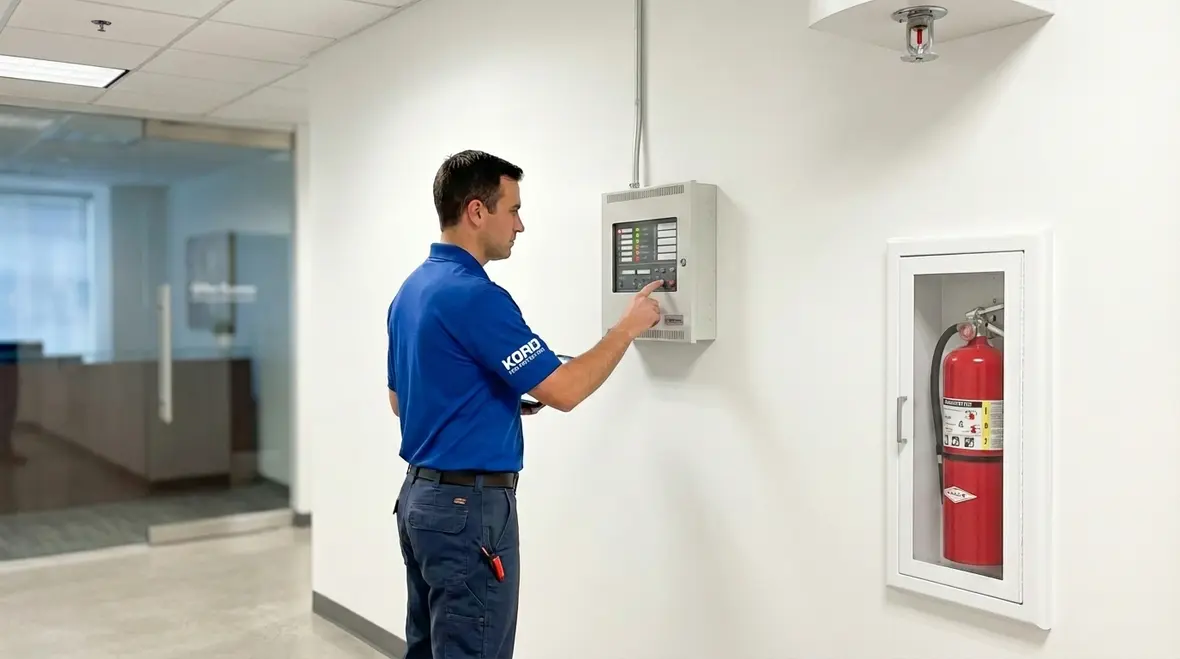
Fire Safety Guidelines for Lynwood Facilities
In Lynwood, safety is not a suggestion. It is a responsibility. Fire safety guidelines exist to protect lives, property, and the quiet confidence that comes from knowing a building is prepared for the unexpected. From inspection schedules to evacuation planning, these standards shape how facilities operate every single day. Kord Fire Protection technicians often explain that fire prevention is not about reacting to chaos. It is about building calm before chaos ever arrives. This article walks through the essential fire protection standards Lynwood facilities should follow, why they matter, and how to put them into action with clarity and confidence.

Understanding Fire Safety Guidelines for Lynwood Facilities
Every facility in Lynwood, whether it is a warehouse, school, medical center, or retail space, must follow local and state fire codes. These rules are not random. They are built from years of data, real world incidents, and careful analysis. In other words, they exist because someone, somewhere, learned a hard lesson.
Kord Fire Protection technicians explain that effective fire safety standards start with three core pillars.
Prevention
This includes reducing ignition risks, managing electrical systems, and storing combustible materials correctly.
Detection
Smoke alarms, heat detectors, and monitoring systems must work without hesitation. A few seconds can change everything.
Response
Fire suppression systems, extinguishers, and evacuation plans must activate smoothly and without confusion.
Therefore, facilities that treat these pillars as a daily practice rather than a once a year checklist tend to see better outcomes during inspections and emergencies alike.
What Are the Required Fire Protection Systems for Lynwood Buildings?
This is a common question facility managers type into search bars late at night. The answer depends on occupancy type and square footage. However, most commercial buildings in Lynwood require a combination of the following systems.
Fire Sprinkler Systems
Automatic sprinklers control heat and flames before firefighters arrive. Kord Fire Protection technicians often remind clients that sprinklers activate individually, not all at once like in the movies. Hollywood makes for good drama. Real life prefers precision.
Fire Alarm Systems
Alarms must provide audible and visual alerts. Moreover, many facilities must connect them to a central monitoring station for rapid emergency dispatch.
Fire Extinguishers
Extinguishers should match the specific hazard class present in the building. For example, a commercial kitchen requires different coverage than a storage warehouse.
Emergency Lighting and Exit Signs
Power outages often accompany emergencies. As a result, illuminated pathways guide occupants to safety when visibility drops.
Each of these components works together. When one piece fails, the entire system weakens. Consequently, routine testing is not optional. It is essential.

Inspection and Maintenance That Keeps Facilities Compliant
Compliance does not happen by accident. It requires disciplined scheduling and documentation. In fact, inspectors often focus just as much on paperwork as they do on hardware.
Kord Fire Protection technicians explain that routine service intervals typically include:
- Monthly visual inspections of extinguishers and alarm panels
- Quarterly sprinkler system checks
- Annual full system testing including flow tests and alarm verification
- Battery testing for backup power supplies
Additionally, facility managers must maintain clear records of all inspections. Digital logs simplify this process and reduce the risk of missing deadlines.
Neglecting maintenance may lead to fines, failed inspections, or worse, system failure during a real emergency. On the other hand, consistent upkeep builds trust with employees, tenants, and local authorities. And trust, much like a sprinkler head, works best when it is ready before it is needed.

How Facilities in Lynwood Can Reduce Fire Risks Daily
While systems matter, human behavior often determines whether a risk escalates. Therefore, strong fire prevention protocols should shape daily operations.
Electrical Safety
Overloaded outlets, damaged cords, and unapproved extension use create hidden hazards. Regular audits reduce this risk.
Proper Storage
Flammable liquids require approved containers and ventilation. Storing them near ignition sources invites trouble.
Clear Access
Exit routes, electrical panels, and sprinkler risers must remain unobstructed. A hallway filled with boxes might seem harmless until urgency strikes.
Hot Work Permits
Any welding or cutting activity should follow strict permit procedures. Sparks travel farther than most people expect.
Because prevention is ongoing, facility leadership should foster accountability. When staff members understand the why behind safety measures, compliance improves naturally.
Training and Emergency Planning That Actually Works
A plan sitting in a binder does very little. A practiced plan, however, can save lives.
Kord Fire Protection technicians often conduct on site training sessions where they explain alarm sounds, extinguisher use, and evacuation procedures in clear, plain language. They encourage hands on demonstrations. After all, confidence grows through practice, not theory.
Effective emergency planning includes:
- Designated evacuation leaders
- Assembly points away from the building
- Clear communication channels
- Routine fire drills
Moreover, facilities should review their evacuation maps annually or after layout changes. Even a new storage rack can alter safe pathways.
And yes, some employees may treat fire drills like an unexpected coffee break. However, when a real alarm sounds, muscle memory takes over. That preparation makes all the difference.
Common Compliance Challenges in Lynwood Facilities
Even well managed buildings encounter obstacles. Understanding these challenges helps leaders address them before they become violations.
Deferred Maintenance
Budget constraints sometimes delay system upgrades. Yet postponing service often increases long term costs.
Changing Occupancy
A building that shifts from office use to light manufacturing may require new fire protection measures.
Code Updates
Fire codes evolve. Therefore, staying informed about regulatory changes remains critical.
Kord Fire Protection technicians advise facility managers to schedule periodic code reviews. This proactive step reduces surprises during official inspections.
To learn how these standards apply specifically to your property, many Lynwood facilities reference dedicated local service pages such as Lynwood Fire Protection Services, which connect city-level expectations with practical inspection and maintenance support.
Key Components of Fire Protection Compliance
System Element Sprinkler Systems Alarm Monitoring Fire Extinguishers Emergency Lighting Documentation Records |
Primary Purpose Controls and suppresses flames Provides rapid emergency notification Allows immediate response to small fires Guides safe evacuation during outages Demonstrates regulatory compliance |
This simple overview shows how each element supports the broader framework of fire safety guidelines. Remove one layer, and the structure weakens. Maintain all layers, and facilities gain resilience.
Why Professional Guidance Matters
Some facility managers attempt to handle fire protection alone. While determination is admirable, fire codes can become complex quickly. Professional technicians bring both technical knowledge and practical experience.
Kord Fire Protection technicians explain system requirements in calm, direct language. They evaluate building layouts, occupancy risks, and operational habits. Then, they recommend tailored solutions that align with local regulations.
Furthermore, working with certified experts streamlines inspections. Officials recognize properly maintained systems and complete documentation. As a result, compliance becomes smoother and less stressful.
Ultimately, professional guidance transforms fire safety guidelines from a regulatory burden into a strategic advantage.
Frequently Asked Questions
Building Safer Lynwood Facilities Starts Today
Fire protection is not about fear. It is about readiness. Facilities that follow proven safety standards protect more than walls and equipment. They protect people. Kord Fire Protection technicians stand ready to guide Lynwood businesses through inspections, upgrades, and ongoing compliance with confidence and care.
Schedule a professional assessment today and turn preparation into peace of mind. Because when safety leads the way, everyone rests a little easier. To take the next step, connect your facility with dedicated support through Lynwood Fire Protection Services or explore broader Los Angeles County fire protection options tailored to multi-site portfolios.
Know Your Weapon Before You Fight the Flame
Kord Fire Protection is your go-to when it comes to all things fire protection. For over 20 years, we’ve been serving Southern California with the quality service and equipment to keep your home or business safe at all times. Our competitive prices reflect our unwavering commitment to protecting what matters most in the event of a fire emergency. Give us a call, send an email, or use that form!

Join Our Newsletter!
Get the latest fire safety tips delivered straight to your inbox From our Newsletter.


