
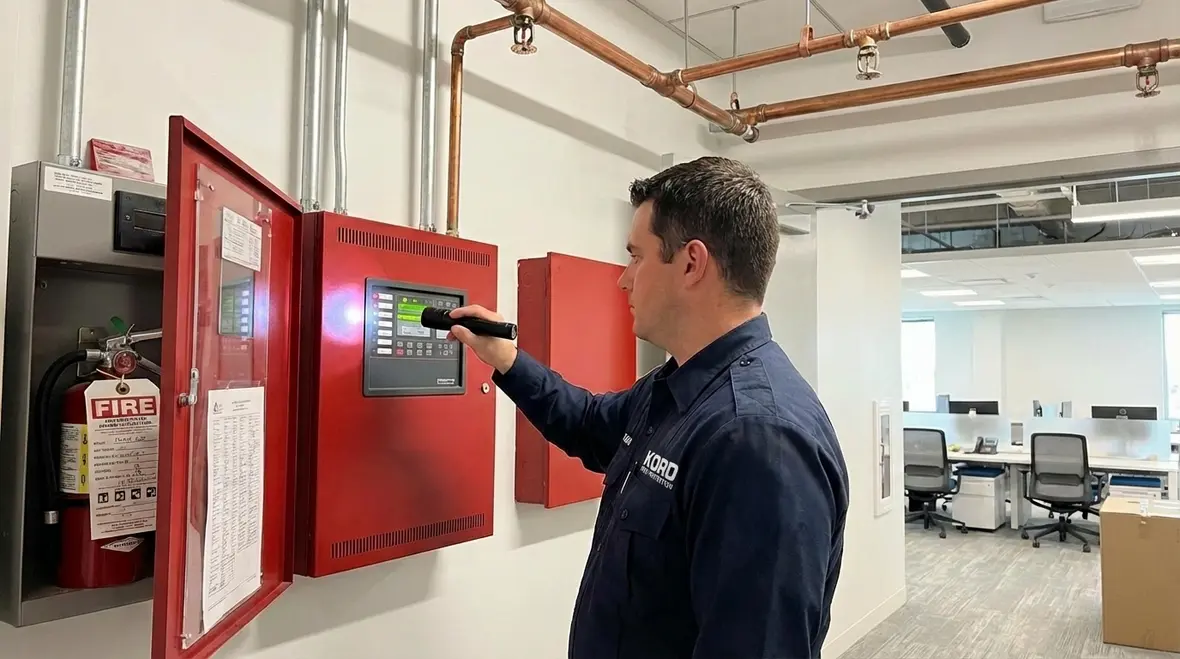
Fire Safety Codes in Anaheim for Businesses
Fire Safety Codes in Anaheim: What Businesses Must Know
In Anaheim, dreams are built daily. Restaurants hum, warehouses move with purpose, and offices glow long after sunset. Yet behind every open sign stands a responsibility that cannot be ignored. The code for fire exists not as red tape, but as a living framework designed to protect lives, property, and reputations. Within the first hundred pages of local compliance manuals, one truth stands clear. When businesses understand the code for fire, they protect more than walls and wiring. They protect people.
Therefore, this article walks through what Anaheim businesses must know, how inspections work, and why professional guidance matters. Along the way, Kord Fire Protection technicians lend their steady expertise, explaining complex rules in plain English. And yes, even a topic like compliance can have a little personality. After all, safety does not have to sound like a robot reading a warranty.
Understanding the Code for Fire in Anaheim
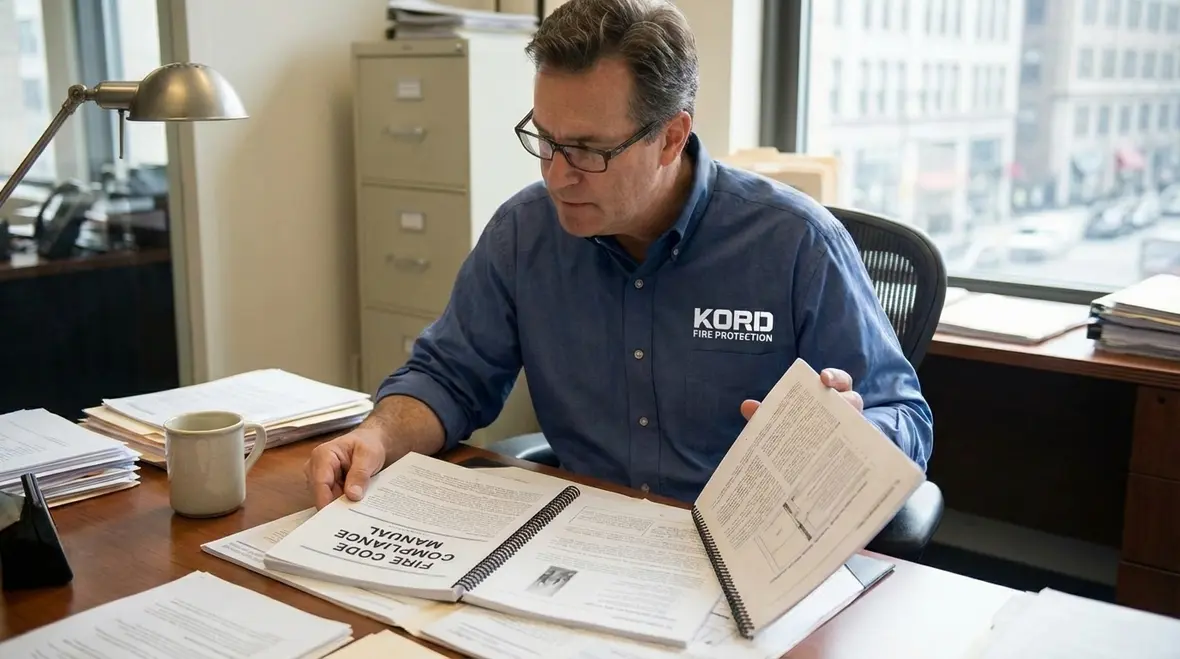
Anaheim follows the California Fire Code, which itself aligns with the International Fire Code. However, local amendments add another layer. Consequently, business owners must pay attention to city specific rules, not just state standards. For fire extinguisher placement and travel distances, Anaheim businesses can also lean on resources like Kord Fire Protection’s guide to guidelines for fire extinguishers in Anaheim, which breaks down how local code is enforced in real buildings.
The code for fire covers everything from sprinkler systems and alarm monitoring to occupancy limits and storage of flammable materials. Moreover, it outlines inspection schedules and required documentation. While that may sound like a stack of paperwork tall enough to rival a theme park attraction, it serves a simple purpose. It reduces risk.
Kord Fire Protection technicians often explain that compliance is not about passing one inspection. Instead, it involves creating a culture of readiness. For example, a restaurant must maintain hood suppression systems, keep extinguishers serviced, and ensure exit paths stay clear. Meanwhile, a warehouse must manage pallet stacking heights and hazardous material storage. Each rule connects to a real world scenario where seconds matter.
What Does Anaheim Require from Local Businesses?
Core systems and life safety features
Business owners frequently ask what the city actually looks for during inspections. The answer is detailed, but it is not mysterious. Inspectors focus on systems, access, training, and documentation.
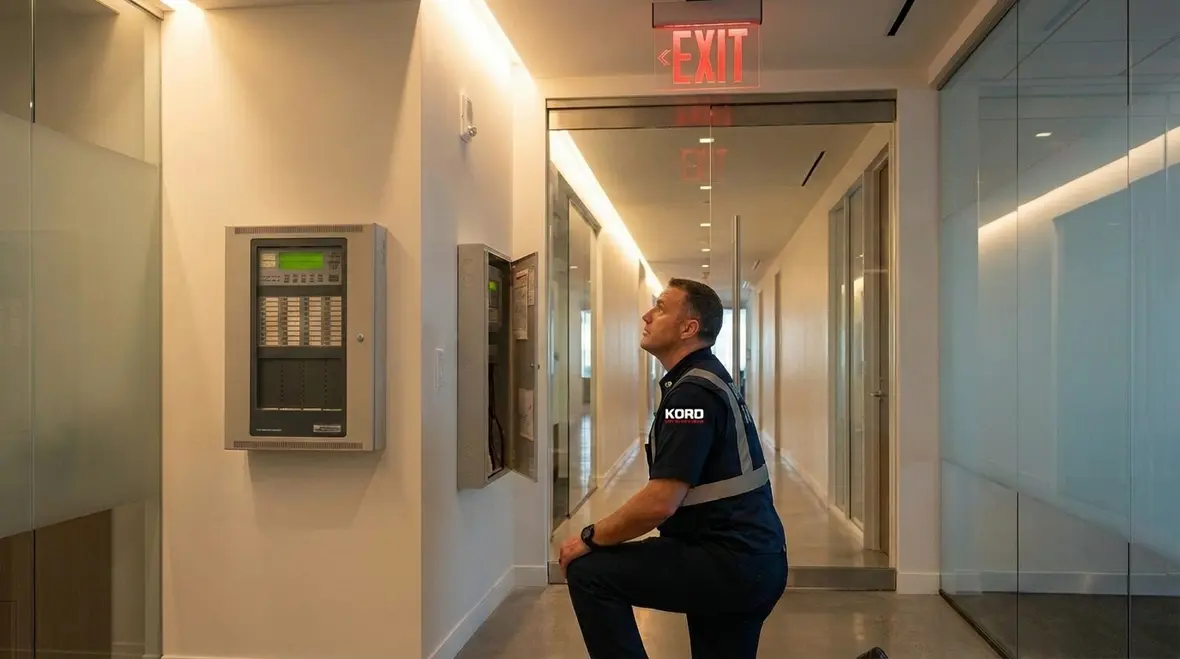
First, fire alarm systems must function properly and receive regular testing. Additionally, sprinkler systems require annual inspections, with some components checked quarterly. Emergency lighting must activate during power loss. Exit signs must remain visible and illuminated. These are not optional extras. They form the backbone of the code for fire compliance and align with broader NFPA standards like those outlined in overviews of NFPA 72 fire alarm system design and testing.
Occupant load, access, and housekeeping
Furthermore, occupancy loads must match the approved limit. Overcrowding may boost short term profits, yet it creates long term risk. Inspectors also verify that electrical panels remain accessible. In other words, storage cannot block critical equipment. Even a stack of boxes placed in the wrong spot can trigger a citation.
Kord Fire Protection technicians often walk facilities before official inspections. As a result, they identify small issues before they grow into violations. Think of it as a rehearsal before opening night. No one wants surprises when the curtain rises.
High Risk Areas That Demand Extra Attention
Not all spaces carry equal risk. Certain environments require tighter controls and more frequent checks. Therefore, business owners should understand where scrutiny tends to increase.
Column One: Common High Risk Areas
- Commercial kitchens with grease producing equipment
- Warehouses storing combustible goods
- Manufacturing areas using heat producing machinery
- Server rooms with concentrated electrical loads
- Retail stockrooms with dense storage racks
Column Two: Key Compliance Focus Points
- Automatic suppression systems over cooking surfaces
- Proper clearance beneath sprinkler heads
- Routine maintenance of machinery and wiring
- Dedicated cooling and detection systems
- Organized storage with clear aisle spacing
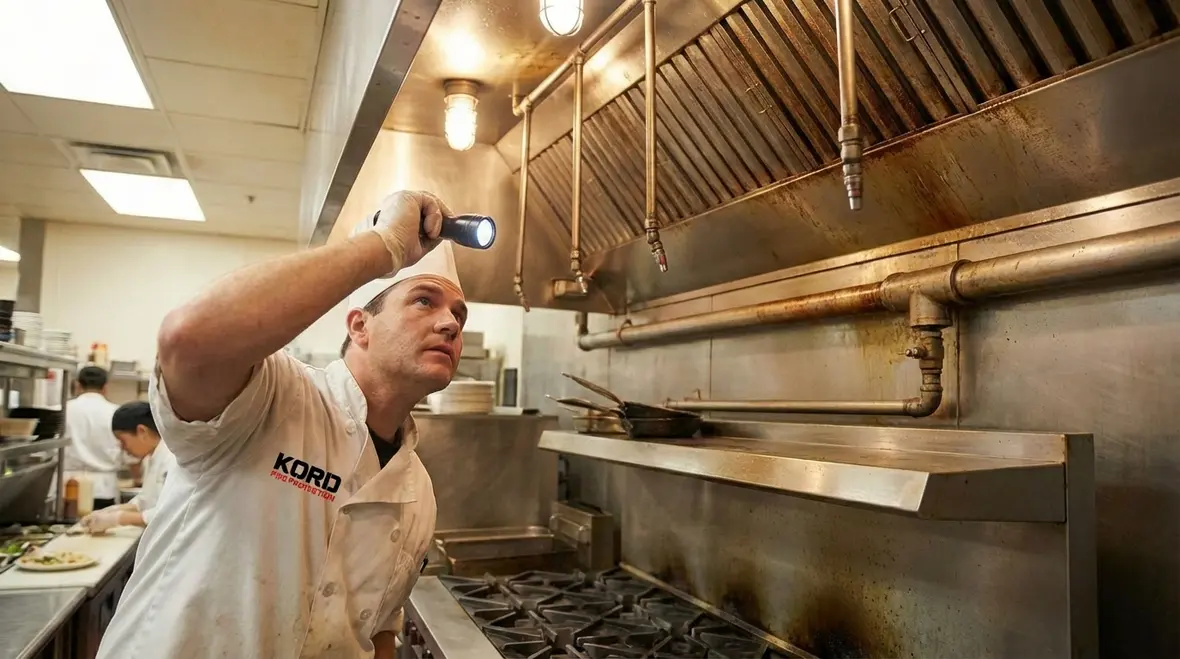
Each pairing above reflects how the code for fire translates into daily action. For instance, commercial kitchens must clean hoods and ducts regularly. Grease buildup acts like fuel waiting for a spark. Likewise, warehouses must maintain vertical clearance beneath sprinklers. When boxes stack too high, water cannot distribute correctly.
Kord Fire Protection technicians emphasize prevention. They remind clients that disasters rarely start with dramatic explosions. Instead, they begin with small oversights. A blocked exit. An overdue inspection. A disabled alarm left unfixed “just for the weekend.” As history shows, weekends have a way of becoming headlines.

How Inspections Work and What Inspectors Look For
Inspections in Anaheim may occur annually or more often, depending on occupancy type. High hazard operations face tighter schedules. However, even low risk offices must comply with the code for fire standards.
What happens during a fire inspection
During a visit, inspectors typically review documentation first. They check service tags on extinguishers and alarm panels. Then, they walk the facility. They test pull stations. They verify that exit doors open easily and without special knowledge. In other words, no secret handshake required.
Additionally, inspectors examine storage practices. Flammable liquids must sit in approved cabinets. Propane tanks must remain secured and separated from ignition sources. Electrical rooms must stay clear. These steps may seem basic, yet they prevent complex emergencies.
Kord Fire Protection technicians often coach staff before inspections. They explain what questions may arise and how to respond confidently. Consequently, employees feel prepared rather than anxious. After all, confidence grows when preparation meets opportunity.
Training Employees to Support Compliance
Even the best equipment cannot replace informed people. Therefore, employee training plays a critical role in meeting the code for fire expectations. Staff members should know evacuation routes, extinguisher locations, and emergency contact procedures.
Regular drills reinforce memory. Moreover, they reveal weaknesses in planning. For example, if an exit route becomes congested during a drill, management can adjust layouts. If alarms cause confusion, training can clarify next steps.
Kord Fire Protection technicians frequently conduct on site demonstrations. They show teams how to use extinguishers with the PASS method. Pull. Aim. Squeeze. Sweep. Simple, clear, and effective. And yes, they manage to make it memorable without turning it into an action movie audition.
Furthermore, businesses should document all training sessions. Inspectors may request proof. Good records demonstrate commitment, which often leads to smoother interactions with authorities.
Common Violations and How to Avoid Them
Some violations appear again and again across industries. Fortunately, they are preventable.
- Blocked or locked emergency exits
- Expired extinguisher inspections
- Painted over or obstructed sprinkler heads
- Improper storage of combustible materials
- Disabled alarm systems during renovations
Each item above directly conflicts with the code for fire guidelines. However, businesses can avoid these pitfalls through routine internal audits. Monthly walkthroughs help catch issues early. Additionally, assigning a safety coordinator creates accountability.
Kord Fire Protection technicians recommend viewing compliance as ongoing maintenance rather than a last minute scramble. After all, scrambling belongs in breakfast diners, not safety planning.
Why Professional Guidance Makes a Difference
While business owners can read regulations themselves, interpretation often requires experience. The code for fire includes technical language, cross references, and local amendments. Therefore, working with specialists saves time and reduces risk.
Kord Fire Protection technicians stay current with Anaheim updates. When codes change, they adjust inspection checklists and notify clients. Moreover, they coordinate system installations to meet exact specifications. This proactive approach prevents costly retrofits later.
Professional oversight also strengthens insurance relationships. Insurers prefer documented compliance and certified inspections. Consequently, businesses may benefit from smoother claims processes and stronger credibility.
In a competitive market like Anaheim, reputation matters. Customers notice safety. Employees value it. Investors respect it. And city officials remember businesses that consistently meet the code for fire standards without repeated violations. For organizations that want a broader, code driven perspective, resources such as Kord Fire’s discussions of commercial fire code requirements in nearby Los Angeles can help illustrate how local enforcement trends often align across Southern California.
FAQ: Fire Safety Codes in Anaheim
Protecting Anaheim Businesses Starts Today
Safety does not happen by accident. It happens by decision. Anaheim businesses that respect the code for fire protect their people, their investments, and their future. Kord Fire Protection technicians stand ready to guide that process with clarity and steady expertise. Schedule a professional assessment, strengthen compliance, and move forward with confidence. Because when preparation leads the way, peace of mind follows close behind.
If you operate in Anaheim or the surrounding area and want end to end support, explore Kord Fire’s dedicated Anaheim fire protection services. From design and installation to inspections and repairs, their team helps local businesses turn dense fire code language into practical, everyday protection that keeps doors open and people safe.
Know Your Weapon Before You Fight the Flame
Kord Fire Protection is your go-to when it comes to all things fire protection. For over 20 years, we’ve been serving Southern California with the quality service and equipment to keep your home or business safe at all times. Our competitive prices reflect our unwavering commitment to protecting what matters most in the event of a fire emergency. Give us a call, send an email, or use that form!

Join Our Newsletter!
Get the latest fire safety tips delivered straight to your inbox From our Newsletter.


