Fire Pump Power Redundancy Before Smoke Shows Up
Fire pump power redundancy: the calm solution before smoke shows up
Commercial fire pump systems cannot afford “close enough” power. Fire pump power redundancy is the deliberate approach of providing backup electrical paths so the pumps keep running when the unexpected happens. In the next sections, this article explains how Kord Fire Protection technicians think through the risk, how engineers build resilient power, and how facility teams verify the whole plan in the real world, not just on paper. And yes, power failures can be as dramatic as a superhero movie scene, except the hero is a pump controller doing its job while everyone else is sprinting to the stairwell. Kord Fire Protection technicians break down the logic in plain terms, so owners understand what protects people and property.
Redundancy gets a lot of attention only after something flickers, trips, stalls, or goes suspiciously quiet. That is backward. The right time to think about it is before smoke shows up, before inspectors start asking tough questions, and definitely before an emergency reveals every weak assumption in the room. A resilient fire pump power strategy supports continuity, confidence, and a cleaner path through testing. It also helps owners avoid the expensive version of “we thought it would transfer.”
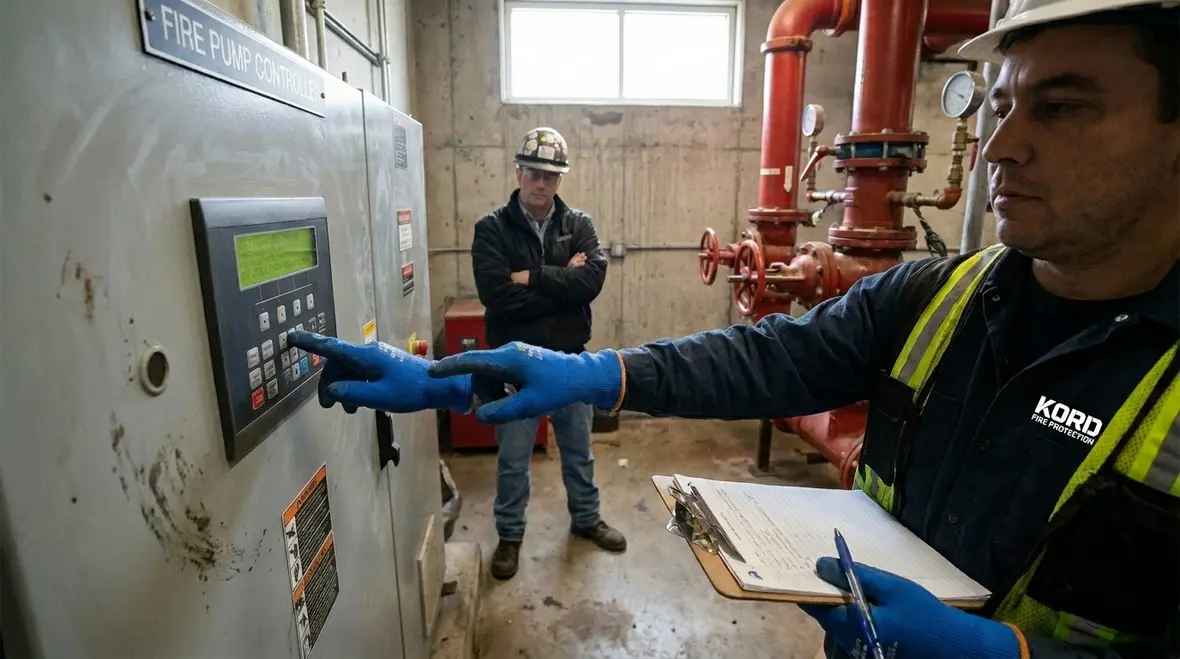
Why commercial fire pumps need more than one power source
Fire pumps act fast. They start automatically and often run for long periods. However, electrical issues are not always dramatic. Sometimes the problem is subtle, like a brief voltage drop, a loose connection, or a utility event that lasts just long enough to cause a restart. Fire pump power redundancy reduces the chance that a single failure cuts off the pumps at the worst time.
When a system includes dual feeds or backed up sources, the control logic can keep the pumps operating. As a result, reliability increases and inspections become easier because documentation aligns with what actually happens during testing. Kord Fire Protection technicians often point out that redundancy is not a “nice to have.” It is an engineered safety function that supports the fire pump controller, the motor starters, and the transfer devices that switch power without hesitation.
- Reduces downtime from utility disturbances
- Limits damage risk from abnormal operating conditions
- Supports code compliance with practical design choices
The real issue is single-point failure
If one breaker, one feeder, one transfer component, or one source can leave the fire pump in the dark, the system has a problem no one should wait to discover under pressure. That is why teams often pair redundancy planning with broader maintenance strategy and testing discipline. Owners who already prioritize routine verification usually have an easier time understanding why a backup path is not extra complexity, but a reduction in risk. For a practical look at how performance is proven over time, Kord Fire Protection’s fire pump testing requirements guide is a useful companion read.
How Kord Fire Protection technicians evaluate the power design
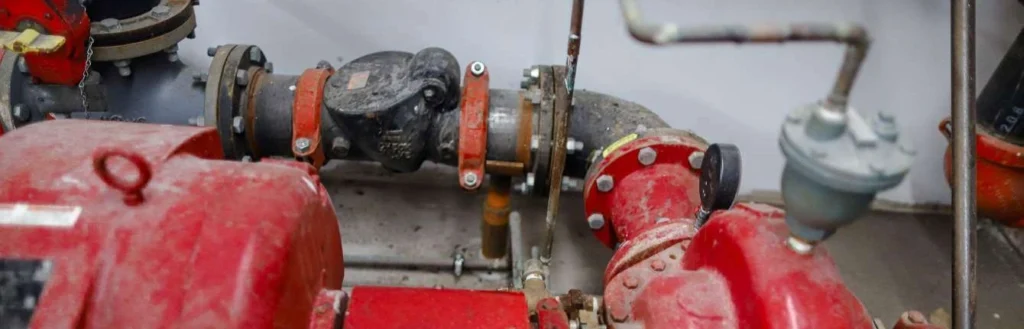
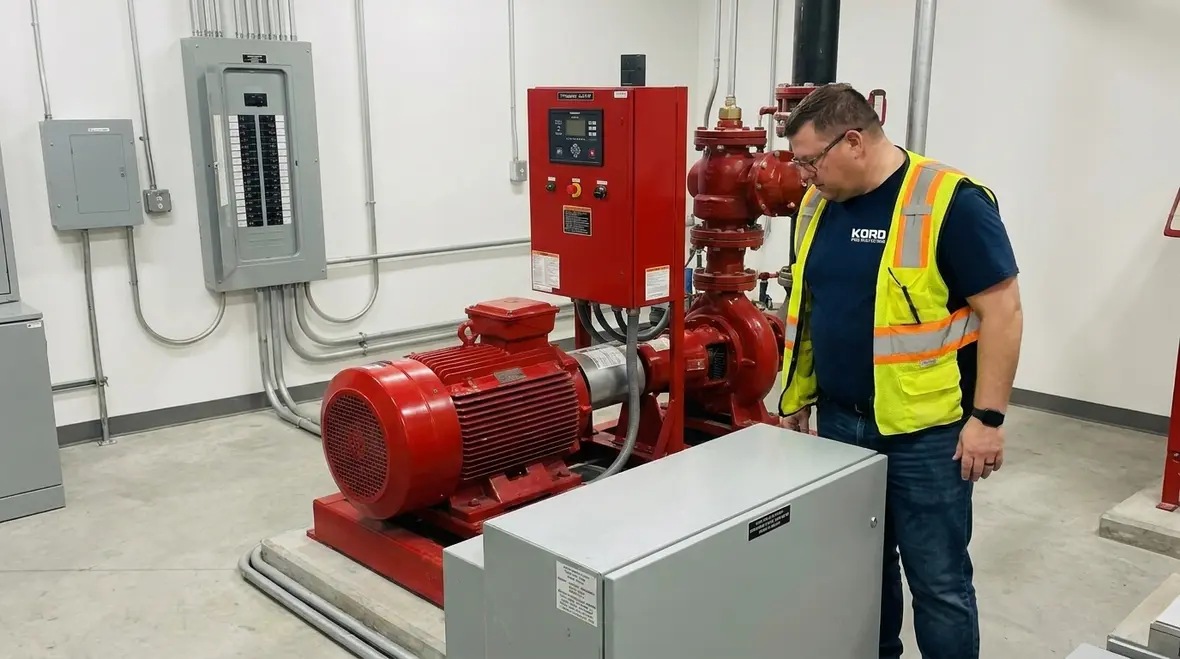
Kord Fire Protection technicians approach redundancy like a detective, except they use test data instead of magnifying glasses. First, they identify the exact pump equipment lineup: pump motors, controllers, starters, jockey pumps if required, and any transfer equipment. Then they map electrical paths from service entrance to the pump controller and examine where a failure could disable the system.
Next, they ask the questions that matter for performance. What happens if one breaker fails? What happens if a feeder is lost? How quickly does the system transfer load? In addition, they look at how the building handles emergency power, including whether the fire pump circuits can rely on it under the right conditions.
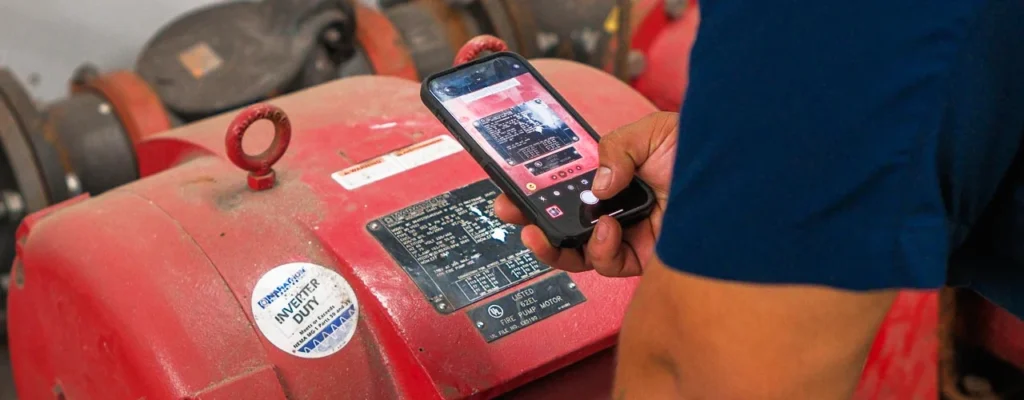
Finally, they review documentation against field reality. Drawings can look perfect, yet wiring terminations or misrouted conduits may tell a different story. Therefore, they verify labeling, check coordination settings, and ensure protective devices behave as expected. That is where redundancy becomes more than a concept; it becomes a working system.
Field review beats assumptions every time
A one-line diagram can be neat, confident, and completely betrayed by the installation. Kord Fire Protection technicians compare intended design with physical routing, controller setup, transfer devices, and event history because redundancy lives or dies in the details. Labels matter. Settings matter. Sequence matters. Even a good design can become fragile if the field conditions drift away from the original plan.
Common redundancy paths for commercial fire pump systems
Facilities typically implement redundancy through a few proven methods. The best choice depends on site power reliability, budget, and how the electrical system is already set up.
- Dual utility feeds: Two separate sources feed the fire pump system so a single loss does not stop operation. Transfer equipment moves the load from one path to the other.
- Backup generation: A generator provides a power source if utility service fails. The system transfers when voltage and frequency conditions are met.
- Redundant feeders and breakers: Multiple circuit paths exist within the same system so a single component fault does not interrupt the motor supply.
- Engineered transfer scheme: Coordination of ATS or transfer switches with controller requirements so the motor starting sequence stays protected.
Even when redundancy exists, the details matter. For example, transfer time requirements and control voltage stability can make or break performance. In practice, Kord Fire Protection technicians focus on the “how,” not just the “what.”
And if someone says, “We have a generator, so we are covered,” that is where the conversation gets fun in a responsible way. A generator that starts late, transfers incorrectly, or lacks the right protective coordination is like a smoke detector with a caffeine habit. It might work sometimes, but it is not dependable.
Choosing the path that fits the building
There is no universal redundancy recipe because buildings do not fail in the same way. Some sites deal with unstable utility service. Others have decent utility performance but weak internal distribution strategy. Some have generation available but need better coordination and transfer logic. The right answer comes from evaluating actual exposure, existing infrastructure, maintainability, and testing practicality. When teams skip that analysis, they often end up with hardware that looks impressive and behaves awkwardly when it matters.
Reliability engineering: transfer timing, protection, and control logic
Redundancy only helps when the system transfers correctly and keeps controls powered. Therefore, commercial fire pump designs must consider timing, protective devices, and controller behavior during the transition.
Transfer timing matters because motors need stable starting conditions. If the system transfers too slowly, it may delay pump start and reduce the margin of safety. In addition, voltage drop during switching can affect contactor operation and motor control circuits.
Protection coordination ensures protective devices trip in the right order. That means breakers and fuses must clear faults without causing unnecessary loss of the fire pump circuit. If coordination is wrong, one small fault could cascade and shut down the system.
Control logic behavior also deserves attention. Fire pump controllers often monitor phase, run status, and alarm conditions. When power changes, the controller must respond in a predictable way. Kord Fire Protection technicians commonly verify that alarms and status indications match the real operating state after transfer.
To keep it simple, redundancy is the backup plan, but reliability engineering is the rehearsal. A system that rehearses well starts and runs under stress.
Why testing logic matters as much as hardware
Power redundancy is not just about having more metal in more places. It is about making sure the sequence of events supports the pump instead of surprising it. Voltage sensing, controller thresholds, breaker coordination, and transfer priorities all shape whether the system rides through a disturbance or stumbles during it. A setup that appears strong on paper can still be clumsy if the logic is not aligned with the pump’s real operating needs.
Testing and documentation that prove the system actually works
Good plans do not protect anyone unless they perform under test. Therefore, owners and service teams must verify redundancy through scheduled maintenance and acceptance testing.
Kord Fire Protection technicians typically recommend a disciplined approach:
- Confirm transfer switch operation under controlled conditions
- Verify that pump start sequence works on each available power path
- Check that protective devices respond appropriately during simulated fault scenarios where allowed
- Review controller logs and event history after each test
- Update as built documentation if field adjustments exist
Documentation also reduces friction during inspections. When test reports, wiring diagrams, and maintenance records align, the conversation stays professional and efficient. Meanwhile, crews avoid the classic scenario where everyone argues about whether the system “should” work, instead of showing how it did work during testing.
In short, the goal is proof, not promises.
That mindset is exactly why many teams pair redundancy reviews with broader inspection and service planning. If you want help evaluating hardware, operating condition, and test readiness together, Kord Fire Protection’s fire pump service page is a strong place to continue. It fits naturally with redundancy work because the best backup strategy in the world still needs verification, maintenance, and clean documentation to stay dependable.
FAQ: fast answers for owners, managers, and facilities
FAQ: short snippet answers
Call Kord Fire Protection for a redundancy review
If a fire pump system depends on one power path, it is gambling with life safety. A professional review helps confirm your fire pump power redundancy strategy, check transfer performance, verify protective coordination, and tighten documentation for inspections. Kord Fire Protection technicians can walk your team through the real failure points and the fixes that actually hold up during testing. Reach out today to schedule an assessment and upgrade confidence before the next utility event turns into an avoidable drama.
If your team is also reviewing detection, notification, or full building fire protection planning, Kord Fire Protection offers commercial and residential fire alarm installation services that pair well with a stronger pump power strategy. When systems across the property are designed, maintained, and documented with the same seriousness, inspections go smoother and emergency performance gets a lot less dramatic for all the right reasons.

Join Our Newsletter!
Get the latest fire safety tips delivered straight to your inbox From our Newsletter.