Fire Pump Motor Protection Methods to Prevent Electrical Failures
Quick Answer: Critical fire pump motors deserve more than “good luck” and a yearly check. By using surge protection, careful grounding, motor insulation testing, and fast fault detection, facilities cut the risk of sudden failures. Kord Fire Protection can then manage the program end to end, so systems stay ready when it matters. If you need expert fire pump service, the right protection plan starts with a system that is inspected, tested, and maintained as one complete package.
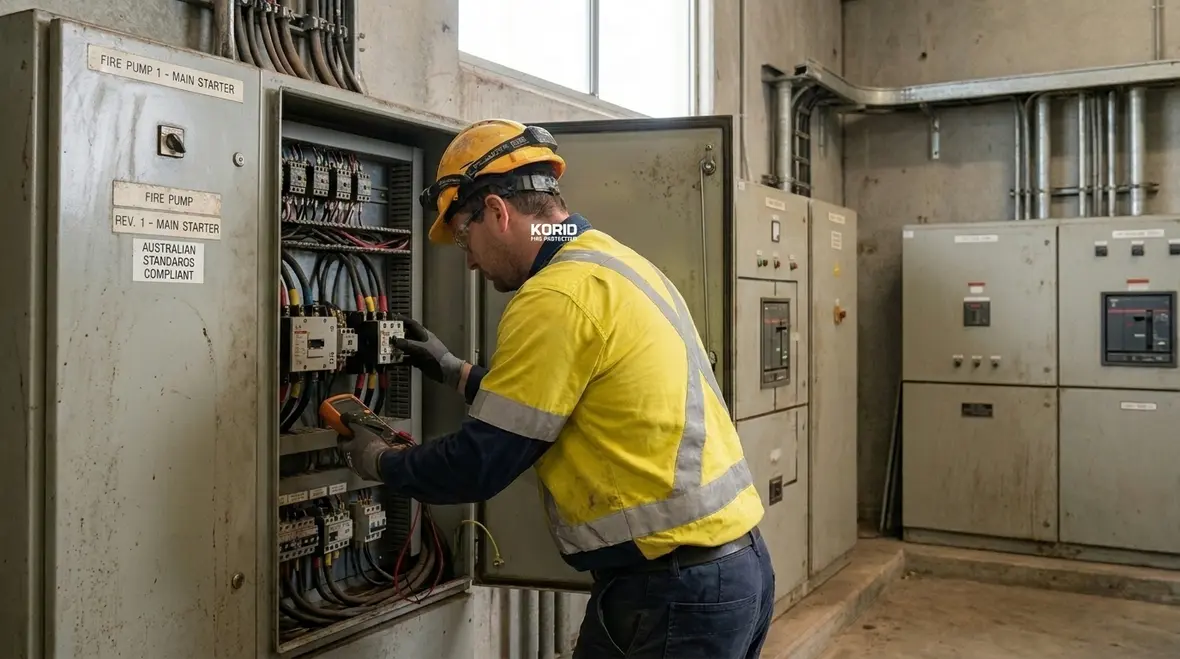
How fire pump motor protection methods prevent sudden electrical failures
Fire pumps do not get a second chance. Therefore, protecting the motor from electrical surges, voltage dips, and wiring issues must happen before trouble shows up on a calm Tuesday. In the first step, facilities apply fire pump motor protection methods such as properly sized surge protection devices, disciplined earthing practices, and controlled power monitoring. Next, they test insulation health and motor performance so early warning signs get caught while they still look like small problems. Finally, Kord Fire Protection can become a vital partner by coordinating inspections, documentation, and responsive service so the whole protection strategy stays aligned with compliance expectations across industrial, retail, and commercial sites.
Think of it like installing a good seatbelt before the car starts doing anything dramatic. Nobody thanks the seatbelt until they suddenly need it. And yes, electrical damage has a sense of timing.
That bigger picture matters because motor protection is not just about a single piece of hardware clipped into a panel. It is about reducing the number of ways a critical pump can be knocked offline by invisible electrical stress. One bad transient, one loose termination, or one slowly deteriorating insulation path can sit quietly for months before turning into a failure during an alarm condition. That is exactly why teams that take motor protection seriously tend to treat monitoring, testing, and maintenance as connected tasks instead of separate chores that only meet each other on a spreadsheet.
Why prevention matters more than troubleshooting
Troubleshooting after a fault is useful, of course, but it is a little like praising the mop while the pipe is still bursting. For life safety equipment, prevention wins every time. When facilities build a protection method around early warning signs, they gain time to schedule repairs, verify system performance, and avoid the ugly surprise of discovering a dead motor only after the pump is expected to run.
Why electrical surges hit fire pumps harder than other loads
Even in well built facilities, electrical stress builds quietly. For example, lightning events, switching operations, and motor starts can create voltage transients that bounce through the network. Then the fire pump motor, which sits on standby and waits for demand, becomes a target for insulation breakdown when the stress repeats over time. Additionally, spikes can stress the control gear, sensors, and contactors that manage start and run sequences.
Because fire pumps often connect to standby or essential power circuits, a surge does not just “pass through.” Instead, it can concentrate at weak points such as aging cable terminations, moisture affected joints, or corrosion on terminations. As a result, failures can appear random, like a pop quiz nobody studied for, yet the theme stays the same: unmanaged electrical disturbance.
Standby equipment also lives a strange life. It spends much of its time waiting, then suddenly must perform without drama. That waiting period can fool people into assuming the motor is healthy simply because it has not complained lately. Unfortunately, insulation damage and control component stress do not always send a polite memo ahead of time. They accumulate quietly and pick a spectacularly inconvenient moment to reveal themselves.
What protection should cover across power, controls, and cabling
A complete plan protects the entire pathway, not just the motor nameplate. Therefore, fire pump motor protection methods should cover at least three layers: power entry, motor control components, and field wiring integrity. Kord Fire Protection also covers related topics in its article on fire pump motor controllers electrical standards compliance, which fits naturally into this conversation because controller reliability and motor protection are practically roommates.
Power entry layer
- Surge protection sized for the system voltage and transient risk profile
- Correct bonding and earthing so surge energy has a safe route
- Monitoring or protection that flags abnormal voltage conditions early
Motor control layer
- Contactors and relays checked for pitting, heat stress, and coil health
- Control transformers and protective devices inspected for correct ratings
- Verification of start logic so nuisance trips do not undermine readiness
Cabling and termination layer
- Visual inspection for overheating marks, looseness, and moisture ingress
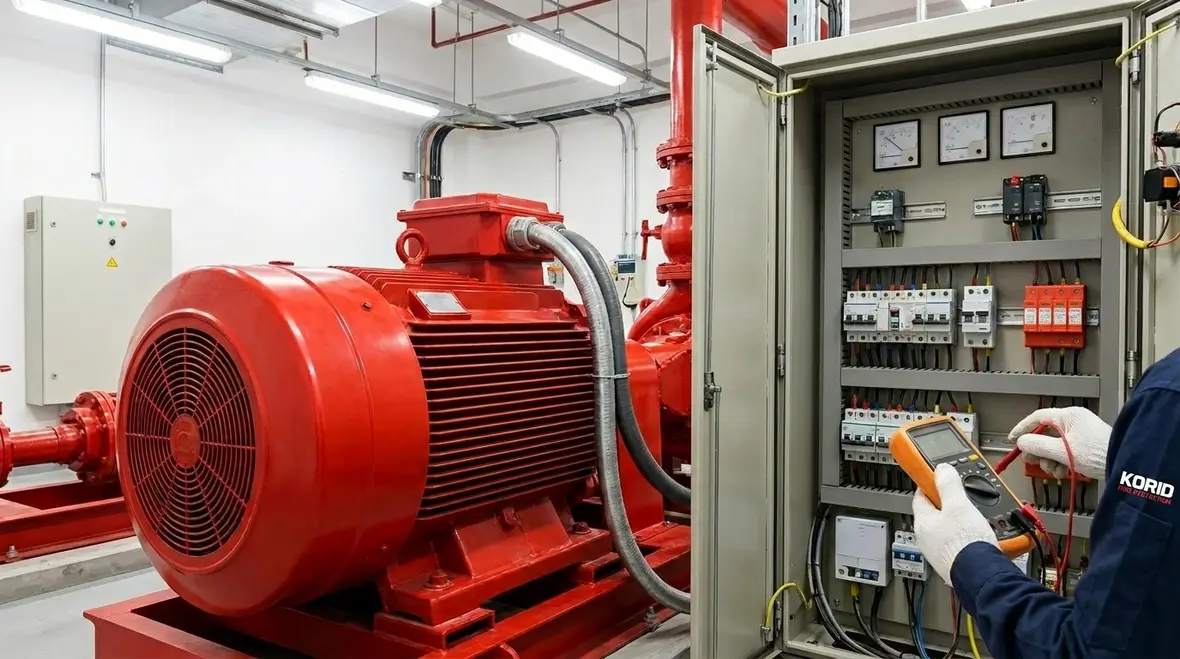
- Testing of insulation condition to catch breakdown before failure
- Checks of cable segregation and routing to reduce noise coupling
When facilities treat all three layers as part of one system, they reduce the chances that a surge damages one component and then quietly weakens the rest. That systems view is what separates a robust protection method from a box ticking exercise that looks tidy right up until it does not.
Documentation keeps the layers connected
The technical work only stays useful if the records stay clear. Surge devices, controller checks, insulation trends, and cable observations should all be documented so the next inspection builds on the last one instead of starting from scratch. If one site sees recurring issues after storms or utility disturbances, that pattern should inform future testing and replacement plans, not disappear into a filing cabinet where even brave souls fear to tread.
How to test for insulation weakness and early motor stress
Insulation does not fail like a light switch. Instead, it degrades. Therefore, testing should focus on detecting insulation stress trends rather than only recording pass or fail. Common approaches include insulation resistance testing, condition checks on terminations, and verification that protective devices behave correctly under expected conditions.
In addition, facilities can evaluate motor health through data driven checks such as phase balance and vibration review when appropriate. This matters because a motor that already runs with imbalance or higher current draw will feel every surge more harshly. Furthermore, a weak insulation system can turn a normal transient into a permanent defect.
And if anyone says testing is boring, they have never watched insulation numbers go from “fine” to “concerning” in real time. It is not boring. It is preventative maintenance with a pulse.
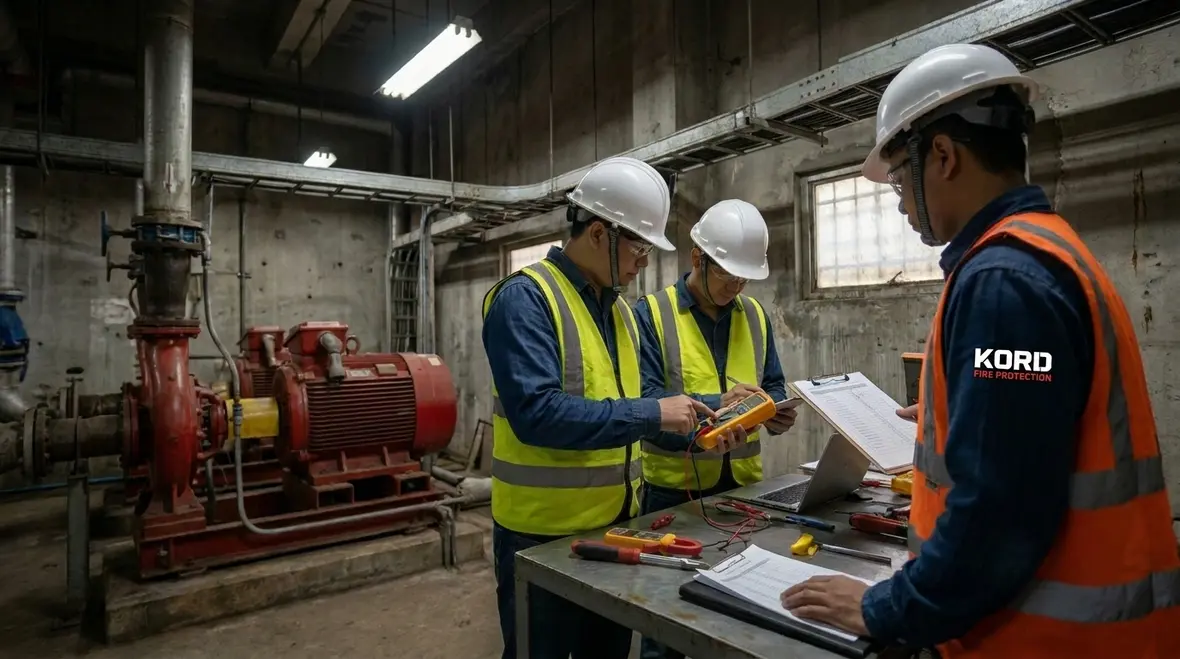
Testing programs work best when they are consistent enough to reveal trends. A single healthy reading is helpful, but a pattern of gradually declining insulation resistance is far more valuable because it gives teams time to investigate before the motor reaches the dramatic part of the story. That is one reason facilities often pair periodic testing with broader inspection work and practical follow up actions rather than treating the test result like a magic fortune cookie.
Where grounding and bonding make or break surge performance
Surge protection without proper earthing is like using an umbrella in a swimming pool. It looks fine at first, yet it does not stop the water from getting in. Therefore, fire pump motor protection programs must treat grounding and bonding as technical foundations.
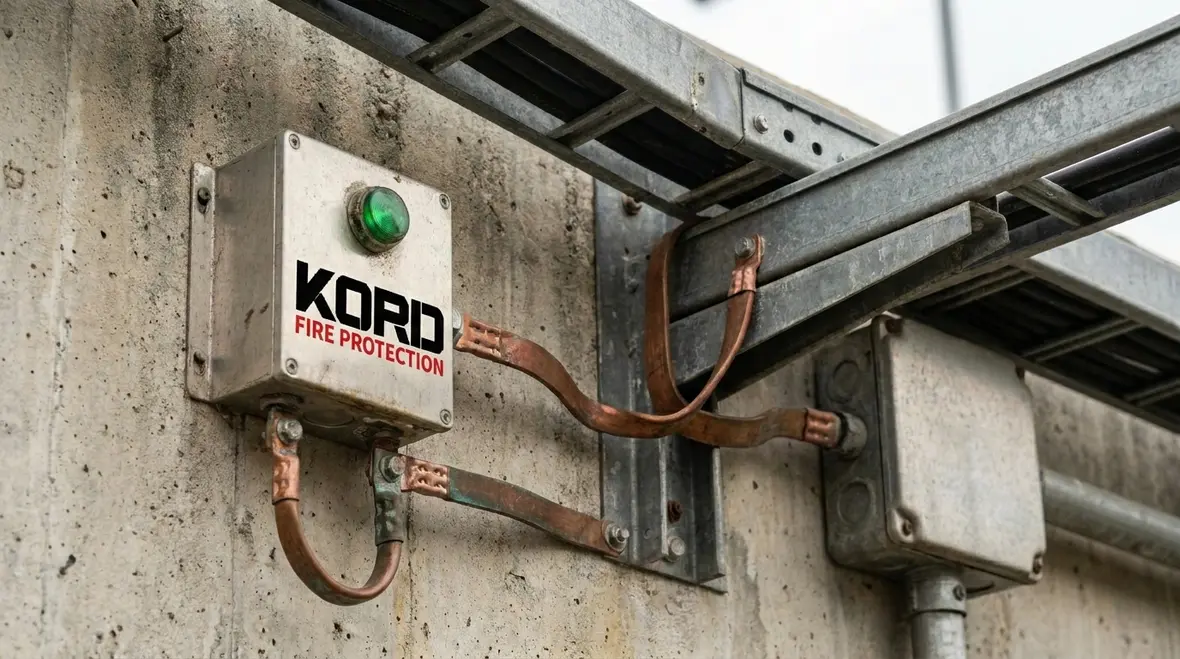
Facilities should verify that the earthing system meets design intent and remains in good condition. Then, they should check that bonding jumpers are secure and corrosion free. Also, they must confirm that the protection device installation follows correct wiring practices so surge energy does not travel through control wiring and sensitive circuits.
When grounding is neglected, protective devices may still be present on paper while performing far below their potential in real life. That gap between installed and effective protection is where many headaches begin. It also explains why technicians keep returning to terminations, bonding points, and corrosion checks instead of assuming the presence of a device means the job is finished forever.
Small connection issues create big reliability problems
A bad bond, a loose lug, or corrosion at the wrong point can add enough resistance to change how fault energy moves through the system. That can leave sensitive controls exposed while everyone assumes the motor is protected. In plain language, the little details are not little. They are often the exact place where reliability either holds together nicely or falls apart with excellent bad timing.
How Kord Fire Protection supports ongoing readiness across sites
Protection is not a one time task. It is a lifecycle. However, many facilities struggle with maintaining schedules, keeping records, and coordinating across locations. That is where Kord Fire Protection can become a vital partner. They support service and job execution in a way that keeps fire pump systems dependable, not just “on paper.”
Typically, Kord can assist with structured maintenance planning, documentation support, and practical service delivery that fits industrial, retail, and commercial environments. As a result, managers get clearer visibility into what is checked, what is tested, and what needs action next. Moreover, quick response matters when faults appear suddenly after storm events or when equipment ages. Their broader full fire protection services approach also helps teams connect fire pump work to the rest of the property’s life safety responsibilities instead of treating the pump room like a mysterious side quest.
So yes, Kord can help keep the system ready. And unlike a certain fictional wizard, this kind of readiness does not rely on feelings, only evidence.
For teams that want a deeper background on routine schedules and expected test activities, Kord also has a helpful resource on fire pump testing requirements. That makes a useful companion read because protection methods work best when they are paired with repeatable inspection and testing rhythms rather than left to guesswork and crossed fingers.
FAQ
Conclusion
Fire pump motor failures do not announce themselves with a friendly email. They show up when the system must work, and that is the worst time to discover weak insulation, poor terminations, or ineffective surge protection. By applying fire pump motor protection methods across power, controls, and cabling, facilities cut risk and improve reliability.
For coordinated maintenance and ongoing readiness, Kord Fire Protection can support the job from planning to service. Contact Kord Fire Protection today to keep critical systems dependable.

Join Our Newsletter!
Get the latest fire safety tips delivered straight to your inbox From our Newsletter.