Fire Protection System Compliance Lifecycle Cost Control
Quick Answer: Managing fire protection system lifecycle costs starts with smart planning, clear compliance goals, and disciplined maintenance schedules. Companies must budget for inspections, testing, parts, documentation, and upgrades that match site risk. With fire protection system compliance as the backbone, Kord Fire Protection becomes the steady partner that helps control surprises, not create them.
In Australia’s industrial, retail, and commercial environments, fire safety costs do not stay still. They move with maintenance cycles, asset age, occupancy changes, and inspection findings. That is why fire protection system compliance should be treated like a business requirement, not a last minute scramble. When teams manage systems with a lifecycle mindset, they reduce downtime, prevent expensive callouts, and keep certification on track. And then, just like a reliable co star who never misses their cue, Kord Fire Protection can become a vital partner to manage the service workload, documentation, and risk planning that keep budgets predictable.
If you need a broader support model near the start of that process, Kord’s full fire protection services page shows how one provider can handle inspections, testing, repairs, and readiness planning under one roof. That kind of structure matters when the real goal is not simply staying busy with fire safety tasks, but staying organized enough that cost control actually sticks.
Alright, enough about budget ghosts. Let’s walk through the lifecycle factors that actually control cost.
Plan lifecycle costs before purchasing upgrades
Most sites focus on the equipment purchase price and then hope the rest “works out.” However, fire systems rarely behave like a one time purchase. Instead, their total cost shows up across years through inspections, servicing labour, system commissioning, replacement parts, and compliance documentation. Therefore, the right approach begins with a lifecycle estimate tied to the facility’s risk profile.
For example, a sprinkler system might look straightforward until water supply testing, strainers, control valve wear, and internal corrosion show up during routine work. Similarly, alarms and detectors can require cleaning, testing, and replacement of aging components long before the building “feels old.” Transitioning from guesswork to planning matters, and it saves money.
Kord Fire Protection helps facilities map maintenance windows to operational needs so the site avoids emergency scheduling and production interruptions. In other words, the goal is to make work planned, not frantic.
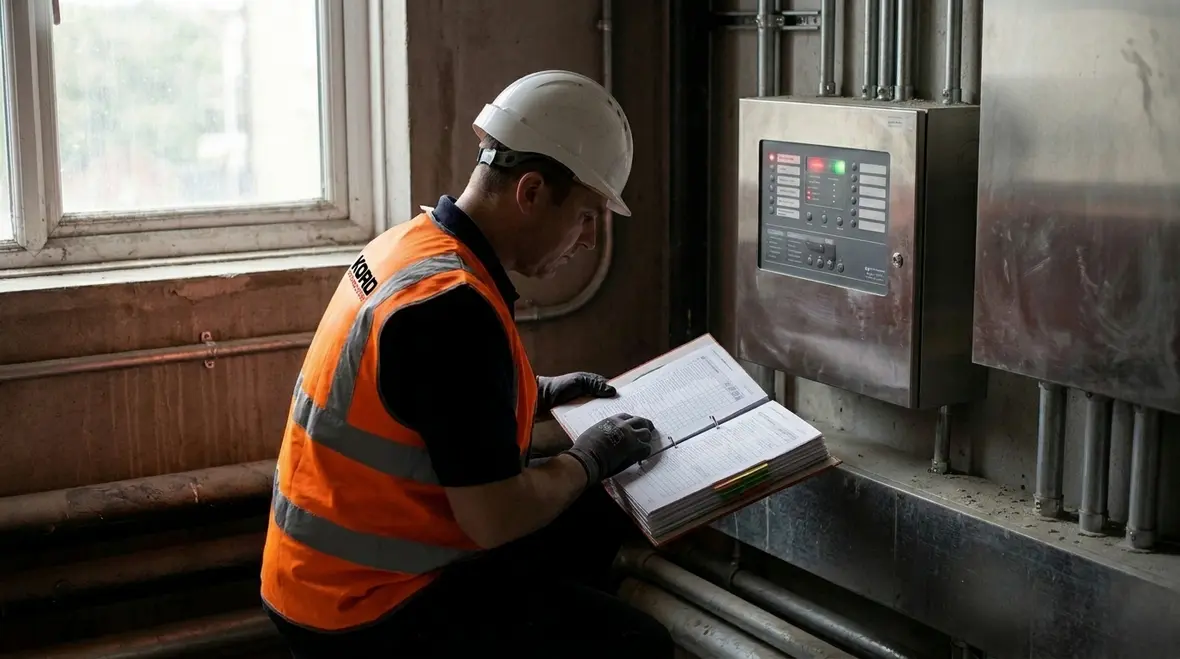
Why early cost planning changes everything
Early planning gives teams room to compare repair versus replacement, stage spending across quarters, and avoid the classic “we will sort it out later” budget trap. It also puts operations, maintenance, and compliance staff on the same page before anyone starts chasing approvals at the last second. That is a much nicer scene than three departments discovering the same problem from three different directions.
Choose service intervals that match risk, not calendars
Many sites run maintenance strictly by calendar dates. Yet risk does not always follow the same timeline. A retail tenancy with seasonal promotions, a warehouse with changing stock, or an industrial process with equipment upgrades often changes the hazard picture faster than a checklist can catch it.
Consequently, compliance efforts work best when service intervals tie to how the site operates. Teams should review system performance, fault history, and event logs. Then they adjust inspection depth, component focus, and testing frequency where needed. This reduces “false alarms” and prevents hidden deterioration from turning into major repairs later.
Kord Fire Protection can also help consolidate service planning across asset types. As a result, one structured schedule replaces scattered calls from different vendors, and that usually lowers administrative friction too.
Risk based servicing keeps the budget honest
A system that sees heavier use, more environmental stress, or more operational change usually deserves closer attention than one sitting in a stable environment. Matching effort to actual conditions keeps teams from overservicing one area while quietly neglecting another. That balance is where practical cost control lives.
How compliance documentation affects cost control
Fire safety is not only about running systems. It is also about proving that the systems remain fit for purpose. This is where fire protection system compliance becomes a cost control lever. Clear records reduce rework, prevent compliance gaps, and cut down time spent chasing missing paperwork after an audit.
In practice, good documentation links each asset to the correct testing standard, records outcomes, notes defects, and states next actions. If a controller shows intermittent issues, the history tells the technician what happened last time and what parts were replaced. Therefore, the team fixes the real cause rather than repeating the same test and hoping the problem disappears.
Moreover, strong reporting supports planning for replacements. When records show a pattern of recurring component failures, the facility can budget smarter and avoid last-minute purchases at peak demand periods. Kord’s related article on fire safety system documentation for compliance fits naturally here because documentation is not glamorous, but it is often the thing standing between smooth audits and a very expensive headache.
Records turn recurring faults into predictable planning
Without clean records, every new service visit starts a little too close to zero. With them, recurring defects become visible trends. That helps teams spot weak components, justify capital spending, and shorten the cycle between finding a problem and solving the right one.
Budget for parts, obsolescence, and upgrade cycles
Every system ages. Some components wear predictably, while others become harder to source as brands change or parts get discontinued. Over time, that creates a lifecycle cost pressure that many teams ignore until they face an urgent fault.
To reduce that risk, facilities should build budgets that include:
- Spare parts strategy for critical components such as control panels, detectors, valves, and actuators
- Obsolescence planning for older model equipment and software interfaces
- Upgrade scheduling when standards evolve or when site modifications raise the safety requirement
- Contingency funds for defects identified during compliance testing
At this point, it helps to picture the firefighting equipment like a well worn tool belt. If one tool keeps breaking, replacing the tool now is usually cheaper than waiting until the job stops. And unlike a movie hero, nobody wants to improvise with spare parts at 2:00 a.m.
Kord Fire Protection supports this planning mindset by coordinating service outcomes with future needs, so upgrades land when they make operational sense.
Reduce downtime by scheduling maintenance with operations in mind
Fire protection work often touches systems that must stay monitored. Therefore, the scheduling strategy matters as much as the technical work itself. Facilities should aim to align maintenance with the site’s low activity periods and planned shutdown windows.
Additionally, work should include a clear shutdown and restore plan. That plan should cover how the site maintains safety during testing, how communications run, and how staff understand any temporary limitations. When the process is clear, technicians work faster, and operations stay calmer. It is amazing how much smoother things go when everyone knows what will happen before it happens.
Meanwhile, Kord Fire Protection can help coordinate service across multiple zones and system types, so the facility avoids repeated disruption from separate contractors chasing their own schedules.
Downtime costs more than the invoice suggests
The invoice for maintenance is only one part of the story. Disruption to tenants, staff, deliveries, production, or customer flow can cost just as much, sometimes more. That is why timing, sequencing, communication, and restoration steps deserve real planning instead of becoming an afterthought.
Manage contractors and scope to avoid cost creep
Cost creep usually starts small. It appears as extra callouts, unclear scope boundaries, repeated site visits, or “temporary fixes” that become permanent. To prevent that, facilities should standardize how they define service scope, response times, reporting format, and escalation steps.
They should also verify technician capability and confirm the contractor can support the full lifecycle workflow, not only the day of inspection. That means offering consistent documentation, defect tracking, and a plan for remediation. If one contractor performs testing but another handles rectification, the facility still has to manage the handoff, and that is where delays breed.
For industrial, retail, and commercial sites across Australia, a partner who can manage the full loop usually helps keep costs under control. In many cases, Kord Fire Protection becomes that partner, reducing friction between compliance work and corrective actions so the facility stays on track.
That same disciplined thinking appears in Kord’s article on fire protection compliance audits, where structured reviews help turn vague concerns into documented next steps. It is a helpful reminder that cost creep rarely arrives wearing a name tag. It sneaks in through messy scope, fuzzy responsibilities, and repairs that keep circling the block.
Service planning for mixed sites: one schedule, many systems
Mixed facilities often hold multiple fire protection system types, sometimes across different operational zones and tenancy layouts. That can create scheduling chaos if each system gets treated like a standalone project. However, lifecycle cost control improves when a facility plans at the system group level and coordinates the work.
For instance, the facility may need coordinated testing of detection, alarms, emergency systems, and suppression where relevant. Then, it may also require targeted follow up for the defects that matter most. Doing it once, with the right sequencing, usually reduces repeat trips and speeds up closure.
To illustrate how this can look in real work planning, Kord Fire Protection often aligns service activities in a structured approach such as the one below:
System Group
- Detection and alarm circuits
- Suppression and associated controls
- Emergency interfaces and routines
Lifecycle Cost Focus
- Reduce false calls, track component wear, maintain records for compliance
- Protect water supply integrity, prevent valve issues, plan component replacements
- Ensure testing does not disrupt critical operations, document outcomes clearly
FAQ
Final takeaway: make lifecycle cost control your next business win
Fire protection systems cost money every year, but they do not have to cost surprises. Facilities should plan upgrades, match service intervals to risk, protect documentation quality, and schedule work to minimize disruption.
When Kord Fire Protection becomes a vital partner, the facility gains clearer reporting, smoother coordination, and a lifecycle view that supports predictable budgeting. If it is time to tighten your compliance and cost control, start with a lifecycle review and build a plan that works beyond the next inspection.

Join Our Newsletter!
Get the latest fire safety tips delivered straight to your inbox From our Newsletter.