

Fire Protection Compliance for La Quinta Businesses
In La Quinta, the sun shines bright, the mountains stand proud, and commercial properties hum with business. Yet beneath that calm desert beauty lies a serious responsibility. Fire Protection Compliance is not just a line item on a checklist. It is a living, breathing commitment to safety, law, and peace of mind. For property owners and managers, it shapes daily operations and long term planning. Throughout this guide, the focus will remain on what compliance truly means, how it affects commercial buildings, and why Kord Fire Protection technicians often become the steady voice of reason in a process that can feel overwhelming at first glance.
Understanding Fire Protection Compliance for La Quinta Businesses
Fire codes are not created to make life difficult. They exist because fire moves fast, and mistakes move faster. In La Quinta, commercial properties must follow California fire codes, Riverside County regulations, and local city ordinances. Each layer adds detail. Together, they form a clear roadmap for safe operation.
At its core, compliance means that fire alarms, sprinkler systems, extinguishers, emergency lighting, and exit pathways all function as designed. Moreover, documentation must prove that inspections and maintenance happen on schedule. Authorities do not simply take someone’s word for it. They want records. They want proof. They want to see that safety is not left to chance.
Kord Fire Protection technicians often explain it in simple terms. If a building cannot alert people to danger, suppress flames quickly, and guide occupants to safety, then it is not ready. And in business, being unprepared is rarely a winning strategy.
Therefore, compliance becomes both a legal requirement and a moral obligation. It protects employees, customers, tenants, and investments. And in a city where tourism and retail play large roles, reputation matters just as much as regulation.
If you manage properties beyond La Quinta, it can help to zoom out and look at how broader programs like Los Angeles Chief Regulation 4 tie systems, inspections, and documentation together into a clear compliance roadmap. Kord’s overview of Reg 4 fire safety responsibilities for building owners shows how structured testing, consistent logs, and certified technicians keep complex buildings code compliant without the drama. LA Chief Reg 4 Fire Safety Guide for Property Owners expands on these same principles in a big city setting and offers perspective that still applies in the desert.
What Fire Systems Are Required in La Quinta Commercial Properties?
This is the question many property owners type into search bars at midnight, right after reading a notice from the fire marshal. The answer depends on building size, occupancy type, and use. However, several core systems appear again and again.
Fire alarm systems
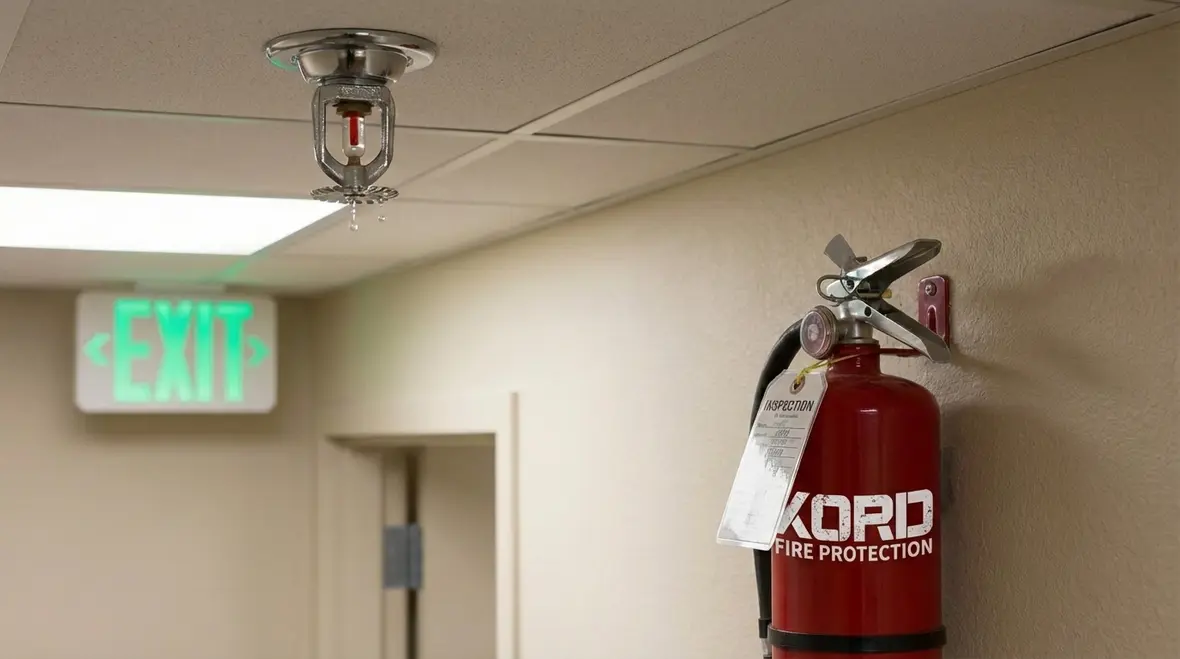
Fire alarm systems detect smoke or heat and alert occupants. These systems must undergo regular testing. Additionally, monitoring services often connect alarms directly to emergency responders.
Automatic sprinkler systems
Automatic sprinkler systems control or suppress fires before they spread. In larger commercial properties, they are not optional. They are required.
Portable fire extinguishers
Portable fire extinguishers must be correctly placed, fully charged, and inspected annually. Employees should know how to use them. After all, an extinguisher mounted on a wall is only helpful if someone understands which end points at the fire.
Emergency lighting and exit signage
Emergency lighting and exit signage guide occupants during power loss. These systems require periodic testing to ensure batteries hold a charge.
Kord Fire Protection technicians typically walk property managers through each component. They explain why spacing matters for sprinklers, why alarm panels need clear access, and why blocked exits create serious violations. While the rules may seem detailed, they follow a clear purpose. Protect life first. Protect property second.
If you want a deeper dive into how sprinkler requirements and inspections work in practice, Kord’s guide to Commercial Fire Sprinkler System Requirements (Los Angeles Edition) walks through system design, inspection frequency, and what inspectors actually look for. The city might be different, but the code-driven thinking behind proper sprinkler coverage and maintenance is the same.
Inspection Schedules and Documentation That Actually Matter
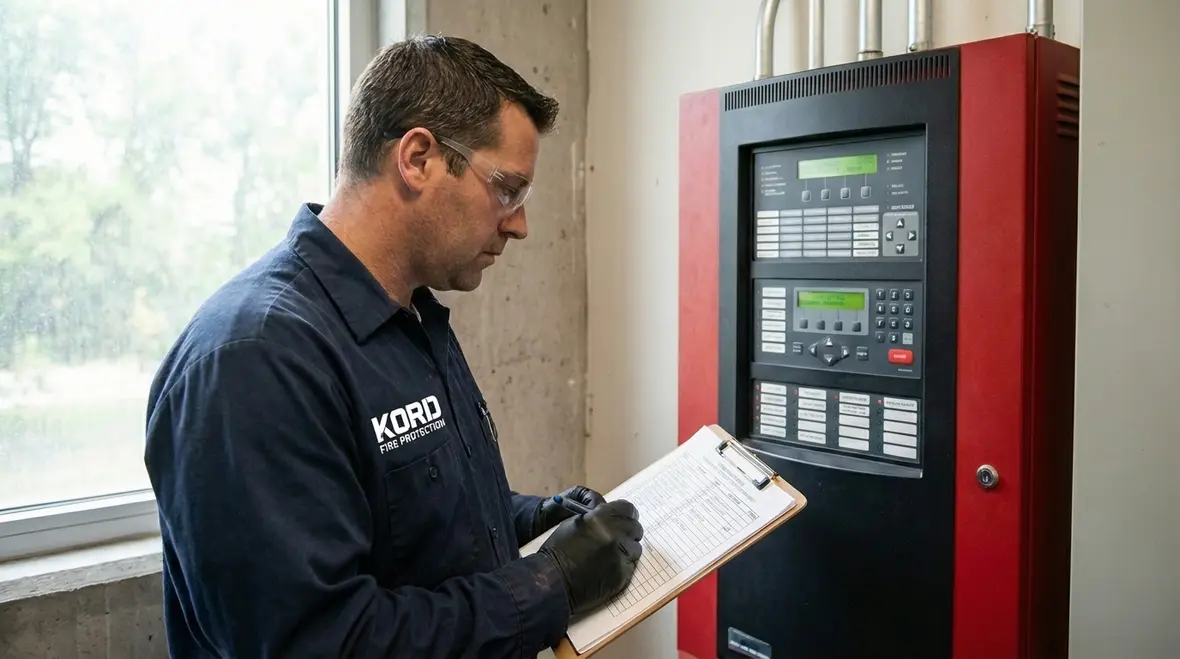
If systems are the body of compliance, then documentation is the heartbeat. Without inspection records, even a perfectly working system can fail an audit.
Commercial properties in La Quinta must follow inspection frequencies set by code. For example, sprinkler systems require quarterly and annual inspections. Fire alarms need regular testing. Extinguishers demand monthly visual checks and yearly service.
Furthermore, inspectors expect written reports. These records should include dates, findings, corrective actions, and technician signatures. Digital logs are acceptable, provided they are organized and accessible.
Kord Fire Protection technicians often stress consistency. Missing one inspection might not cause a disaster. However, patterns of neglect raise red flags. Fire marshals notice trends. Insurance providers notice trends. And unfortunately, plaintiffs’ attorneys notice trends too.
Therefore, property managers benefit from setting reminders, partnering with reliable service providers, and storing records in a central system. It may not be glamorous work. Then again, neither is explaining to a judge why maintenance logs vanished into thin air.
Common Compliance Pitfalls in Desert Commercial Buildings
La Quinta presents unique environmental factors. Heat, dust, and seasonal occupancy shifts create challenges that coastal cities may not face.
Heat, dust, and detector performance
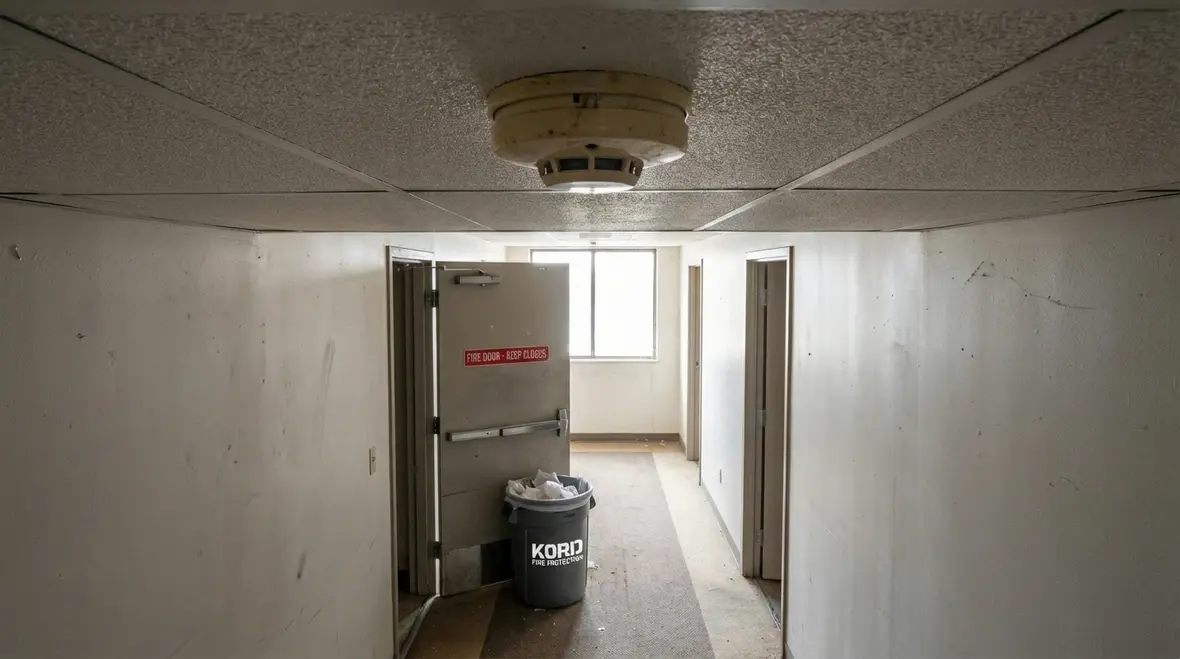
First, extreme heat can affect sprinkler components and alarm batteries. Consequently, regular inspections become even more critical. Second, dust accumulation may interfere with smoke detectors. Cleaning schedules should reflect local conditions, not generic national averages.
Seasonal crowds and blocked exits
Additionally, some commercial properties experience fluctuating occupancy during tourist seasons. When crowds increase, exit routes must remain clear. Temporary displays, promotional stands, or storage boxes should never block egress paths. It may seem harmless at the time. Yet in an emergency, every second counts.
“Convenient” but dangerous shortcuts
Kord Fire Protection technicians often point out small oversights before they become major citations. A propped open fire door, for example, might feel convenient on a hot afternoon. However, that door exists to contain smoke and flames. It cannot do its job if it is held open by a trash can. Even the most stubborn door deserves a little respect.
Many of these pitfalls echo themes from Kord’s broader life safety guidance. Their article on how to keep people safe from fires underscores regular code compliance audits, staying current with updates, and treating documentation as a core safety tool—not just extra paperwork.
Dual Focus: Life Safety and Legal Protection
Life Safety Priorities
- Early fire detection
- Clear evacuation routes
- Functional suppression systems
- Employee training and drills
- Accessible emergency equipment
Legal and Financial Safeguards
- Up to date inspection records
- Code compliant installations
- Insurance policy alignment
- Reduced liability exposure
- Successful fire marshal audits
Although these columns appear separate, they work together. Strong life safety measures reduce legal risk. Meanwhile, clear documentation supports insurance claims and regulatory reviews.
Fire Protection Compliance in La Quinta commercial properties connects both sides. It ensures people leave safely if a fire occurs. At the same time, it shields owners from penalties, closures, and lawsuits. In business, that balance matters.
Working with Fire Marshals Without Breaking a Sweat
Some property managers tense up at the thought of an inspection. However, fire marshals are not villains in a disaster movie. They serve the community. They enforce codes designed to save lives.
Preparation changes everything. When records are organized and systems function properly, inspections move smoothly. In fact, many visits become routine confirmations rather than dramatic showdowns.
Kord Fire Protection technicians often prepare clients ahead of scheduled inspections. They review past reports, correct deficiencies, and confirm that signage and access points meet standards. As a result, property owners enter inspections with confidence instead of crossed fingers.
Communication also plays a role. When managers ask questions early, they prevent misunderstandings later. Clarity builds trust. And trust reduces stress for everyone involved.
How AI Prompts Might Phrase It: “Keep My La Quinta Property Code Compliant”
A property owner might type, “How do I keep my La Quinta commercial building code compliant year round?” The answer begins with routine.
Build a compliance calendar
First, establish a compliance calendar that includes all inspection intervals. Next, assign responsibility. Whether it is an internal facilities manager or an external provider, someone must own the task. Additionally, conduct periodic internal walkthroughs to spot blocked exits, missing signage, or damaged equipment.
Train your team (without boring them to tears)
Training matters as well. Employees should know evacuation procedures and extinguisher basics. Even a short annual refresher builds confidence. After all, in an emergency, people do not rise to the occasion. They fall to the level of their training. Yes, that sounds dramatic. Fires tend to have that effect.
Lean on experienced fire protection partners
Finally, partner with experienced professionals. Kord Fire Protection technicians provide guidance that goes beyond checklists. They interpret code updates, recommend system upgrades when necessary, and explain technical details in plain language. That steady guidance keeps compliance practical instead of overwhelming.
Long Term Planning and System Upgrades
Compliance is not static. Codes evolve. Buildings change. Tenants shift. Therefore, long term planning becomes essential.
When remodeling or changing occupancy type, property owners should review fire system capacity. A retail space converted into a restaurant may require additional suppression systems. Likewise, expanded square footage may demand alarm upgrades.
Investing in modern systems can improve reliability and efficiency. Newer alarm panels offer clearer diagnostics. Advanced sprinkler components withstand harsh conditions. While upgrades involve cost, they often reduce service interruptions and future violations.
Kord Fire Protection technicians frequently assess aging systems and provide clear recommendations. They balance safety needs with budget realities. In doing so, they help owners plan upgrades before failures force urgent action. Because in business, surprises belong in birthday parties, not in fire system failures.
FAQ: Fire Protection Compliance for La Quinta Commercial Properties
Protecting What Matters Most
Fire safety does not demand panic. It demands preparation. For La Quinta commercial property owners, strong systems, clear documentation, and steady guidance form the backbone of responsible operation. Kord Fire Protection technicians stand ready to explain, inspect, and support every step of the process. Now is the time to review systems, update records, and confirm readiness. Because when safety is handled with care and confidence, business can move forward without hesitation.
If you manage properties across Southern California and want a broader playbook, Kord’s main fire protection and safety hub outlines how design, inspections, and maintenance all connect. Explore their service overview at Kord Fire Protection to see how extinguisher inspections, sprinkler testing, alarm maintenance, and custom system design can all be integrated into one long term strategy.
Next step: schedule a code-focused fire protection review
When you are ready to turn ideas into action, partnering with a team that lives and breathes code compliance makes the path a lot smoother. Kord’s technicians routinely handle system design, testing, and documentation for buildings throughout the region, so they know how to translate dense code language into practical to-do lists.
To connect the dots between La Quinta compliance requirements and the broader testing and inspection programs used in large California cities, consider using Kord’s full-service fire protection team as your central point of contact. They can coordinate everything from sprinkler inspections to alarm testing and make sure your inspection calendar, documentation, and system upgrades stay ahead of the curve instead of scrambling to catch up.
Know Your Weapon Before You Fight the Flame
Kord Fire Protection is your go-to when it comes to all things fire protection. For over 20 years, we’ve been serving Southern California with the quality service and equipment to keep your home or business safe at all times. Our competitive prices reflect our unwavering commitment to protecting what matters most in the event of a fire emergency. Give us a call, send an email, or use that form!

Join Our Newsletter!
Get the latest fire safety tips delivered straight to your inbox From our Newsletter.


