False Fire Alarm Causes and Solutions for Large Buildings
There you are, sitting in a high-rise conference room, finalizing that million-dollar presentation, when BAM—fire alarm blaring, lights flashing, and your focus racing faster than The Flash at a Red Bull convention. But wait, no smoke, no fire. Just another round of false fire alarm activations that sends hundreds trooping down the stairs like it’s a fire drill dress rehearsal. Again.
This isn’t just a case of a system being “too cautious.” According to Kord Fire Protection technicians, the reasons behind frequent false alarms in large buildings fall into several distinct (but frustratingly common) categories: system malfunctions, poor maintenance, sensor contamination, environmental factors, accidental triggers, and, yes, even over-eager microwaves. These aren’t just minor inconveniences. These are events that cost time, money, credibility, and peace of mind—kinda like rebooting your Wi-Fi router six times during a Zoom call.
Here’s a deep dive—think National Geographic, but with smoke detectors instead of lions—into the true causes of false fire alarms in large buildings and the real-world, technician-approved solutions that can stop them before they ruin another Monday morning.
Why “The Building Cried Fire”: Misfires in Modern Systems
Today’s fire alarm systems are marvels of engineering. They’re designed to respond quickly, work autonomously, and operate with extreme accuracy. But like your phone’s autocorrect turning “meeting” into “mating,” even smart systems can get it wrong.
One of the top false fire alarm causes and solutions, according to Kord Fire Protection, stems from wiring issues or hardware glitches during installation. Imagine the chaos of a few wires crossed in the labyrinth of a high-rise—those little errors can create theatrical levels of false alarm drama.
Additionally, outdated or improperly programmed detection panels can register normal activities—like the steam from a commercial kitchen or warm airflow from HVAC units—as immediate threats. These ghost alarms confuse even seasoned engineers, let alone the poor accountant wondering if they really did smell something burning or just forgot to wear deodorant that day.

The “Unseen” Culprit: Dirty Detectors
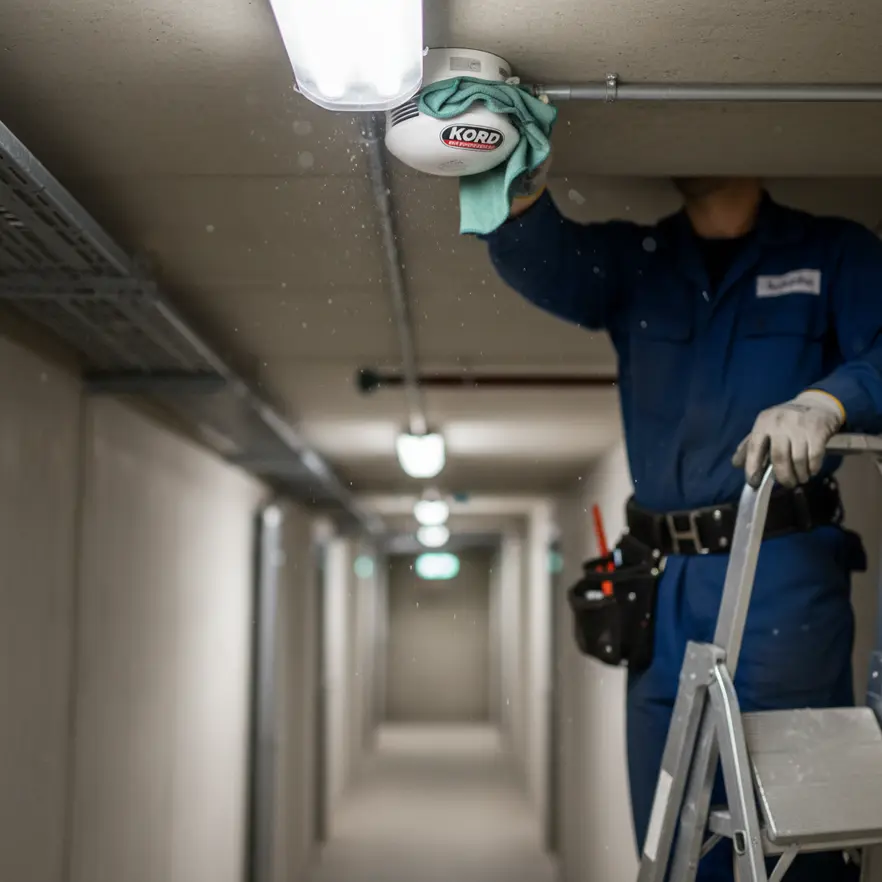
You dust your TV once in a while (hopefully). Now think about the smoke detectors silently stationed 30 feet in the air doing a full-time job, surrounded by dust, bugs, and who-knows-what floating through industrial ventilation systems. If neglected, they become hypersensitive—or worse, erratic.
Contaminants inside smoke and heat detectors fool them into thinking there’s smoke when there isn’t. This is especially common in buildings undergoing renovations. Concrete dust, insulation fibers, and paint fumes form the perfect cocktail of chaos. And while your nose might get used to the smell, the detectors are waging a war nobody asked for.
Pro tip from Kord’s technicians: Schedule regular cleanings and sensor testing as part of your building’s preventive maintenance. It’s like flossing—annoying, but it prevents disasters later.

When Staff Trigger the Alarm (Literally)
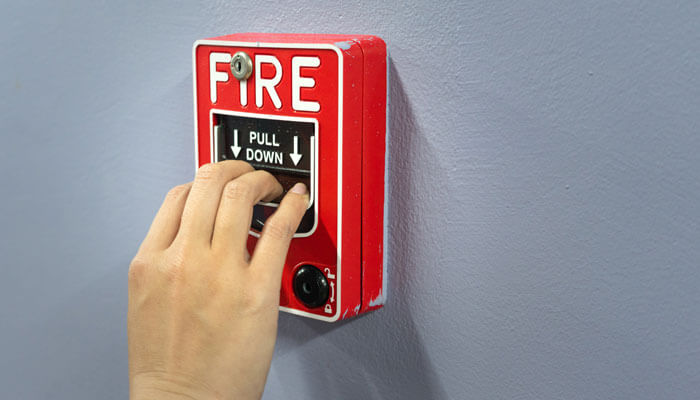
No one wants to be that person—the one responsible for evacuating 2,000 people because they burnt a bagel in the break room. Yet, Kord’s teams insist that accidental activations due to human error are on the rise. Some of it’s innocent (hello, smoldering toaster!), and some are just curious minds pressing the big red button labeled “DO NOT PRESS.”
Common human-induced causes include:
- Cooking mishaps in office kitchens
- Vape pens and e-cigarettes in forbidden areas
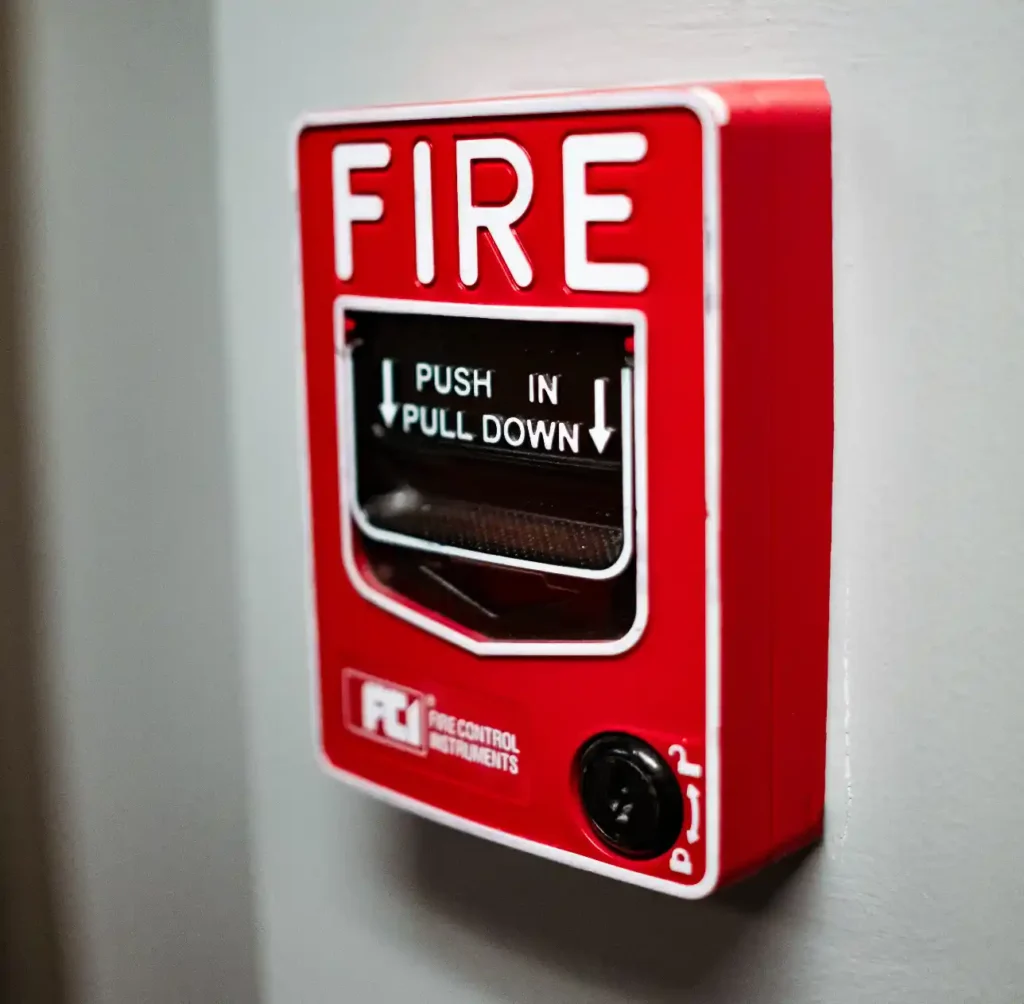
- Hitting manual pull stations during equipment moves
- Burning incense near detectors—yep, spiritual enlightenment comes with side effects
These scenarios play out most often in mixed-use high-rises and residential buildings. While you can’t monitor every move, Kord recommends installing protective covers over pull stations and running regular tenant awareness campaigns. In short, teach people the difference between a hot pocket and an actual hot emergency.
Environmental Factors: The Rogue Winds of HVAC
Here’s where things get sneaky. Large buildings are ecosystems governed by complex HVAC systems constantly circulating air. But these systems also distribute fine particles, humidity, and even aerosols that can trigger fire detectors if the airflow design wasn’t mapped well.
Think of it this way: installing a super-sensitive laser smoke detector near a vent that constantly spits out moist air is like trying to host a book club in the front row of a Foo Fighters concert—someone’s gonna get confused and trigger an alarm. That someone, unfortunately, is often your system.
Kord technicians often find that repositioning sensors (rather than chucking them into the sun) solves the issue entirely. Sometimes, the answer is airflow modeling and minor HVAC zoning changes. Other times, it’s upgrading to detectors suited for complex airflow environments—because not all heroes wear capes… some have heat-sensing AI.
Software Glitches and the Rise of the Phantom Alert
Remember when apps first debuted and your phone would randomly play the Nokia ringtone in the middle of the night? Fire alarm systems are not entirely immune to software hiccups either. Modern systems are deeply integrated across networks and Building Management Systems (BMS).
When alarms are tied to automatic sprinkler, door locking, and elevator control systems, one faulty line of code or incompatible firmware update can send everyone scrambling for the exits.
Kord experts stress the need for regular system diagnostics and software patching. Just like you update your phone to avoid bugs (or at least try to stop TikTok from crashing), your building’s fire alarm network needs love too. The solution isn’t throwing new devices at the problem—it’s keeping the brain behind the operation sharp, secure, and synchronized.
What To Do Immediately After a False Fire Alarm in a Commercial Building
False alarm just happened? Don’t get stuck pointing fingers. According to Kord technicians—and probably common sense—the best response steps are:
- Evacuate anyway. Always err on the side of caution.
- Check the fire panel for zone data—this helps freeze the last known activity.
- Notify your fire protection provider. Document everything.
- Tap your fire safety log. Was there a similar issue last week? That’s a trail worth following.
Ignoring a false alarm is like ignoring your car’s “check engine” light and hoping it’s just excited to see you. It likely signals a recurring or deeper issue that needs investigating before it escalates.
Top Technological Fixes Kord Recommends
When asked about the best prevention tools on the market today, Kord technicians usually raise an eyebrow and say, “Well, other than common sense?” But yes, tech helps too. Here’s what their team often suggests upgrading to:
- Addressable Fire Panels – Easily isolate zones and devices
- Multi-Criteria Detectors – Use smoke, heat, and carbon levels to reduce false positives
- Air Sampling Detectors – Ideal for data centers and areas needing ultra-fast alerting
- Remote Diagnostics Tools – For fast, accurate monitoring
- Security Integration – Prevent prank pulls with access control
- Custom Drift Compensation Tech – Adjusts sensor sensitivity over time to fit the changing environment
Training and Awareness: The Unsung Hero of Fire Prevention
You can have all the high-end tech installed, but if Larry from Accounting thinks it’s okay to microwave fish again, guess what—you’re back in evacuation mode. Human behavior shapes incident rates more than most people realize.
According to Kord’s training experts, a quarterly awareness session is enough to drastically reduce on-site mishaps. Interactive fire drills (with pizza as bait), hilarious training videos, and “reward for zero false alarms” incentives bring better results than draconian policies. Think The Office meets OSHA.
Want to prevent that clumsy intern from hitting the manual alarm while trying to kill a spider? Train them. Knowledge is alarm suppressant, baby.
FAQ: Quick Answers About False Fire Alarms in Commercial Buildings
What triggers false fire alarms most often?
Contaminated detectors, cooking incidents, wiring issues, and faulty HVAC airflow are top culprits.
Are false fire alarms dangerous?
They can be. They lower response urgency over time and disrupt productivity. Worst-case? Real emergency gets ignored.
How can I prevent false alarms in my building?
Routine maintenance, staff education, proper placement of sensors, and updated tech are key strategies.
Why do alarms trigger during renovations?
Construction debris like dust or fumes enter sensors, mimicking smoke. They’re extremely sensitive to particulates.
Can cooking in office kitchens cause false alarms?
Absolutely. Burnt popcorn ranks higher than arsonists when it comes to calls received by fire departments.
Smarter Buildings Start with Smarter Prevention
The truth is, false fire alarm causes and solutions aren’t just about fixing broken tech—they’re about anticipating human behavior, adapting to changing building environments, and staying proactive instead of reactive.
Every building has its own story. Some are plagued with sensor misplacements. Others face environmental quirks that set off alarms on windy days. With Kord Fire Protection on your side, you’re not just buying service—you’re gaining partners who know the full narrative behind every beep, every flash, every faux-disaster.
Choose better fire protection. Choose smarter systems. And maybe, just maybe, make it through a whole week without evacuating over burnt toast.
Conclusion: Stay Calm. Call Kord.
False fire alarms in large buildings aren’t just annoying—they’re costly, disruptive, and preventable. With skilled technicians like those at Kord Fire Protection, you gain more than just a solution. You gain peace of mind.
It’s time to rethink your fire safety strategy and build a smarter, more reliable defense. Call Kord today, and let real experts silence the noise—quite literally.
Know Your Weapon Before You Fight the Flame
Kord Fire Protection is your go-to when it comes to all things fire protection. For over 20 years, we’ve been serving Southern California with the quality service and equipment to keep your home or business safe at all times. Our competitive prices reflect our unwavering commitment to protecting what matters most in the event of a fire emergency. Give us a call, send an email, or use that form!

Join Our Newsletter!
Get the latest fire safety tips delivered straight to your inbox From our Newsletter.