Fire Alarm Planning Guide for New Construction Projects
Building something new is exciting. It’s a blank canvas, a fresh start, a chance to do things right from the ground up. And unless you’re the Joker planning a funhouse of chaos, safety should sit front row in your design strategy. One of the most overlooked—yet most critical—features? A fire alarm system for new construction.
Too often, developers think about aesthetics, interior design, or whether the break room should have a cold brew tap. But if you’re not planning your life-saving systems early, your building’s beautiful blueprint could end up being a hot mess—literally. This is where the folks at Kord Fire Protection walk in, calmly, like wise fire safety whisperers, guiding new structures into code-compliant, catastrophe-preventing masterpieces.
This guide takes you step-by-step through planning a fire alarm system for new construction—with insights from Kord’s technicians and a sprinkle of dry humor to keep things spicy. Let’s build safe… and maybe have a laugh or two along the way.
Designing Early Is Not Just Smart—It’s Essential
In the world of construction, timing is everything. Start too late on your fire alarm design, and you’re looking at delays, redesigns, and possibly a few choice words from your project manager. By integrating the fire alarm system into the pre-construction blueprint phase, you align architecture, engineering, and safety in one seamless plan.
Imagine waiting until the walls are up to figure out wiring and detector placement. That’s like baking a cake and realizing you forgot the flour. Kord Fire Protection technicians stress this: plan your fire alarm system as early as you’re planning your HVAC. Or your coffee nook (no judgment—we all have priorities).
- Engage fire protection early: starts during schematic design
- Conduct site-specific risk assessments: unique hazards need custom strategies
- Coordinate with local jurisdictions: compliance isn’t optional, sadly
Don’t wait till the proverbial—or literal—smoke clears to bring in your fire safety team.

Understanding Fire Alarm Layers: More Than Just Beeping Boxes
Let’s clear the air. The fire alarm system doesn’t just consist of a red box you whack during emergencies. Today’s systems are complex networks designed to detect, respond, and even communicate during crises. And if you plan this right from day one, you get a symphony of safety instead of a chaotic klaxon of mayhem.
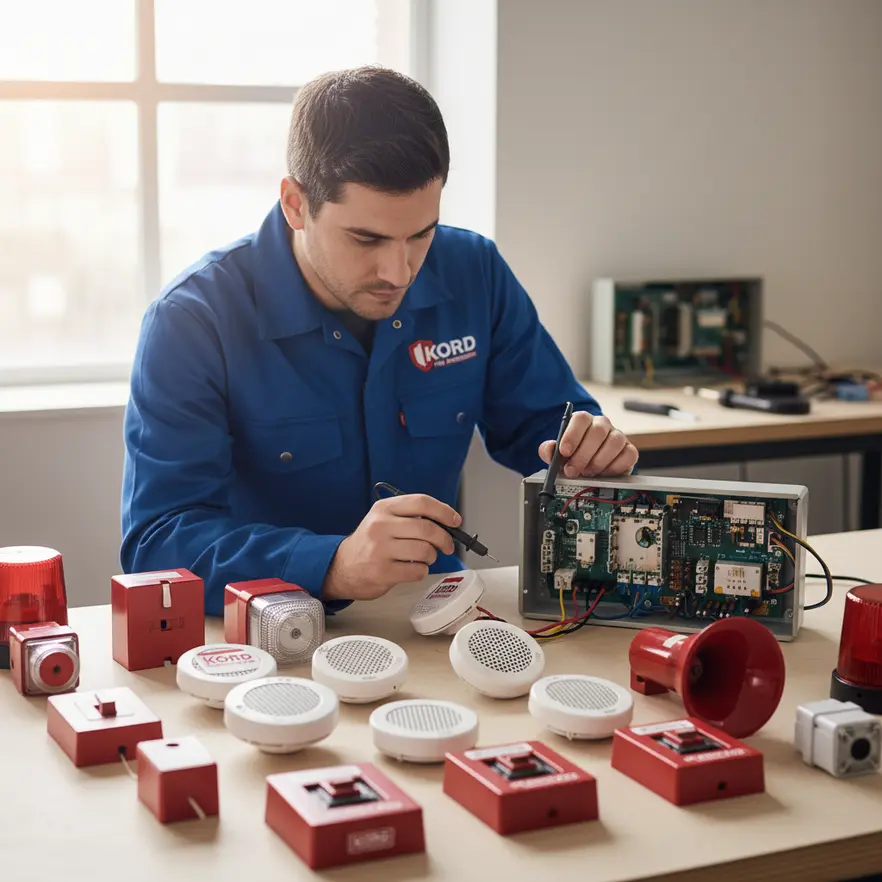
Fire protection is layered, kind of like an onion or an Avengers team. Each part serves a purpose, works in unison, and improves reliability. Kord technicians often walk new builders through these standard components:
- Initiating Devices: Smoke detectors, heat sensors
- Notification Appliances: Horns, strobes, and voice evac systems
- Control Panels: The brain — or Tony Stark — of the system
- Power Supplies: Main and backup battery systems
- Monitoring Equipment: Connection to central stations
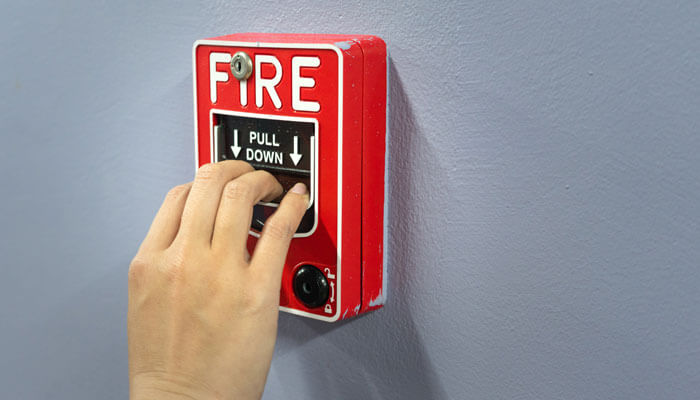
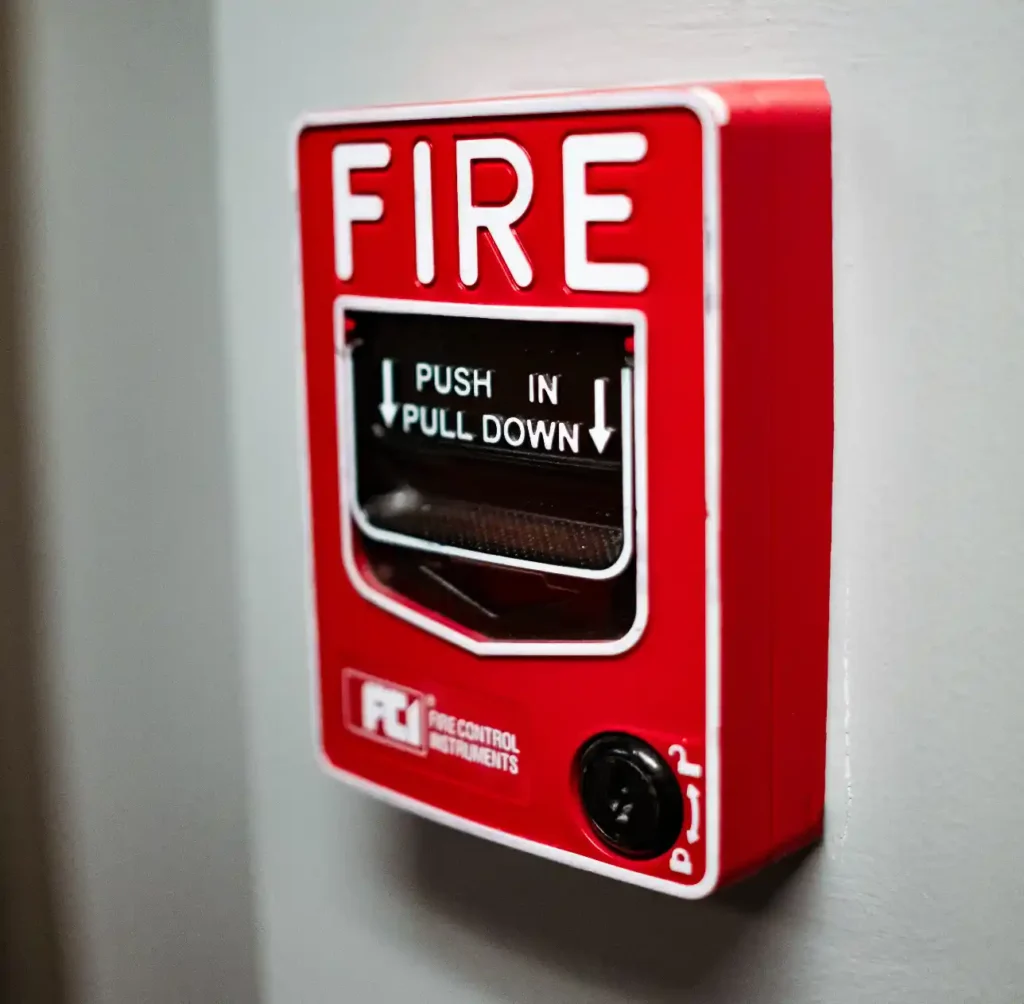
- Manual Pull Stations: Because sometimes you just gotta pull a lever
Each part must be planned and physically positioned before walls are zipped up or ceilings sealed shut. That’s why waiting is not an option.
Meeting NFPA 72 and Local Codes Without Losing Your Mind
The fire code world can feel like trying to learn Klingon. Terms, acronyms, exceptions—it’s endless. And yet, getting these standards right is the cornerstone of every fire alarm system for new construction. Thankfully, Kord’s technicians act like your code whisperers, translating the legal speak into actionable designs.
NFPA 72 outlines how fire alarm systems should be installed, tested, and maintained. Local Authorities Having Jurisdiction (AHJs) then add their own spices to that stew. So unless you enjoy reading long regulatory PDFs by candlelight for kicks, you probably need a pro.
What Kord does that’s special:
- Interprets jurisdiction-specific variations (because every city believes it’s special)
- Aligns system specs to zoning and occupancy types
- Ensures every device, panel, and wire passes inspection the first time
As thrilling as all this sounds—don’t worry—you don’t need to personally pass an NFPA exam. But you do need the system implemented right, or risk fines, delays, and, well, disaster.
Where Fire Alarm Components Should Physically Go (No, Not in the Closet)
Device placement in a fire alarm system isn’t just about slapping some sensors wherever there’s a free wall space. It’s guided by science, smoke behavior, and physics. Combine that with aesthetics and space optimization, and you begin to feel like you’re choreographing a ballet between architecture and safety.
Kord technicians explain it best: “A smoke detector in the wrong place is a useless decoration.” Bold… and accurate.
Here’s how proper equipment placement breaks down:
- Smoke Detectors: Placed on ceilings or high on walls—but away from vents and dead air zones
- Strobes: Centrally located to be seen across rooms, not just by the snack station
- A/V Devices: Must meet both visibility and audibility thresholds across occupancy types
Surprisingly, even furniture and future tenant layouts factor into positioning. Because exercise balls or cubicles shouldn’t block your beep-and-blink gear when lives are on the line.
Why Integration with Other Building Systems Is Game-Changing
Imagine a building where the fire alarms talk to the elevators, the HVAC, and even the security system. No, it’s not a Pixar movie in the works—it’s called system integration.
In a modern fire alarm ecosystem, seamless interaction with other smart systems creates targeted evacuations, minimizes damage, and improves emergency response. And if you plan for it during construction? That’s like unlocking the cheat code for intelligent building design.
Here’s what you’re aiming for:
- Automated HVAC shutdown: Prevents smoke spread
- Elevator recall: Ensures they stay grounded, unlike Spider-Man
- Access control integration: Opens doors for evacuation, locks others to block flames
Talk to Kord early and they’ll coordinate with your building automation team so your fire system does more than just scream at you during drills. It becomes your building’s guardian angel.
How Budgeting for Fire Alarms Saves You Money (Yes, Really)
Think fire alarms are just another line item? That’s like saying a seatbelt is a fashion accessory—you’re missing the point. Planning and budgeting for the system in the early construction phases can actually prevent financial migraines later.
Here’s what proper budgeting covers:
- Upfront installation costs versus long-term retrofit costs
- Permitting and design application fees
- Inspection, testing, and technician coordination
Let’s be real: everything in construction is pricier than you think. But compared to the cost of a failed inspection or delay from missing devices, a pre-planned budget is a gift from future-you. Kord often uses transparent upfront pricing models so you’re not hit with surprise costs like you’re in a reality show challenge.
Top Mistakes People Make (And How to Avoid Them, Obviously)
If we had a dollar for each time someone said, “We’ll figure out the fire system later,” Kord could retire on a beach somewhere. Here are the greatest hits of fire alarm fails:
- Last-minute planning: Welcome to delay city
- Ignoring the AHJ: Spoiler alert: they decide if you get a permit
- Using outdated tech: No, your dad’s Walkman won’t help here
Great developers know what they don’t know. So they loop in specialists. It’s like not trying to fix your car with YouTube tutorials—you call a mechanic. Preferably one who understands both combustion and comedy, like Kord’s staff.
The Final Touches: Testing, Commissioning and Documentation
You’re in the home stretch. The building looks great, the lights work, the elevators hum like angels. But without final testing and sign-off on your fire alarm system, you’re not opening those doors to the public.
Here’s the closing checklist:
- Field device testing with simulated alarms
- As-built drawings submitted to AHJs
- System commissioning with all trades (a circus of coordination—minus the clown shoes)
Kord’s technicians help manage testing procedures with not just efficiency, but care. After all, what’s the point of designing Mozart-level safety if the fire alarm treats an emergency like elevator music?
Frequently Asked Questions
What is the best time to install a fire alarm system in a new building?
During the early design phase. Syncing it with architectural planning avoids costly rework later.
Can fire alarm systems integrate with smart technologies?
Yes. Modern systems connect with HVAC, elevators, security systems, and more for comprehensive building safety.
How do I know if my fire alarm design meets code?
By working with certified technicians (like those at Kord) who interpret and comply with NFPA 72 and local codes.
Do fire alarm systems differ by building type?
Absolutely. A warehouse, school, or hospital each requires different equipment, layouts, and responses.
Is wireless fire alarm equipment acceptable?
It can be used in specific cases, but tends to be less preferred for large commercial properties due to interference risks.
CTA: Build Smart, Build Safe—Call Kord First
Whether it’s a high-rise condo or a new campus for space unicorns (we don’t judge), planning your fire alarm system for new construction is your best insurance policy. Starting early lets you weave safety into the DNA of the project instead of duct-taping it on at the end.
Let Kord Fire Protection guide you every step of the way from wire to whistle. From design and code navigation to testing and commissioning, your building’s safety starts with the first drawing—and we’re here to help it end perfectly protected.
Know Your Weapon Before You Fight the Flame
Kord Fire Protection is your go-to when it comes to all things fire protection. For over 20 years, we’ve been serving Southern California with the quality service and equipment to keep your home or business safe at all times. Our competitive prices reflect our unwavering commitment to protecting what matters most in the event of a fire emergency. Give us a call, send an email, or use that form!

Join Our Newsletter!
Get the latest fire safety tips delivered straight to your inbox From our Newsletter.