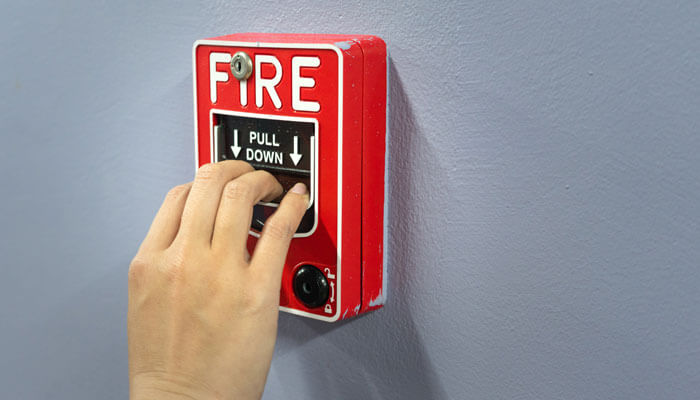
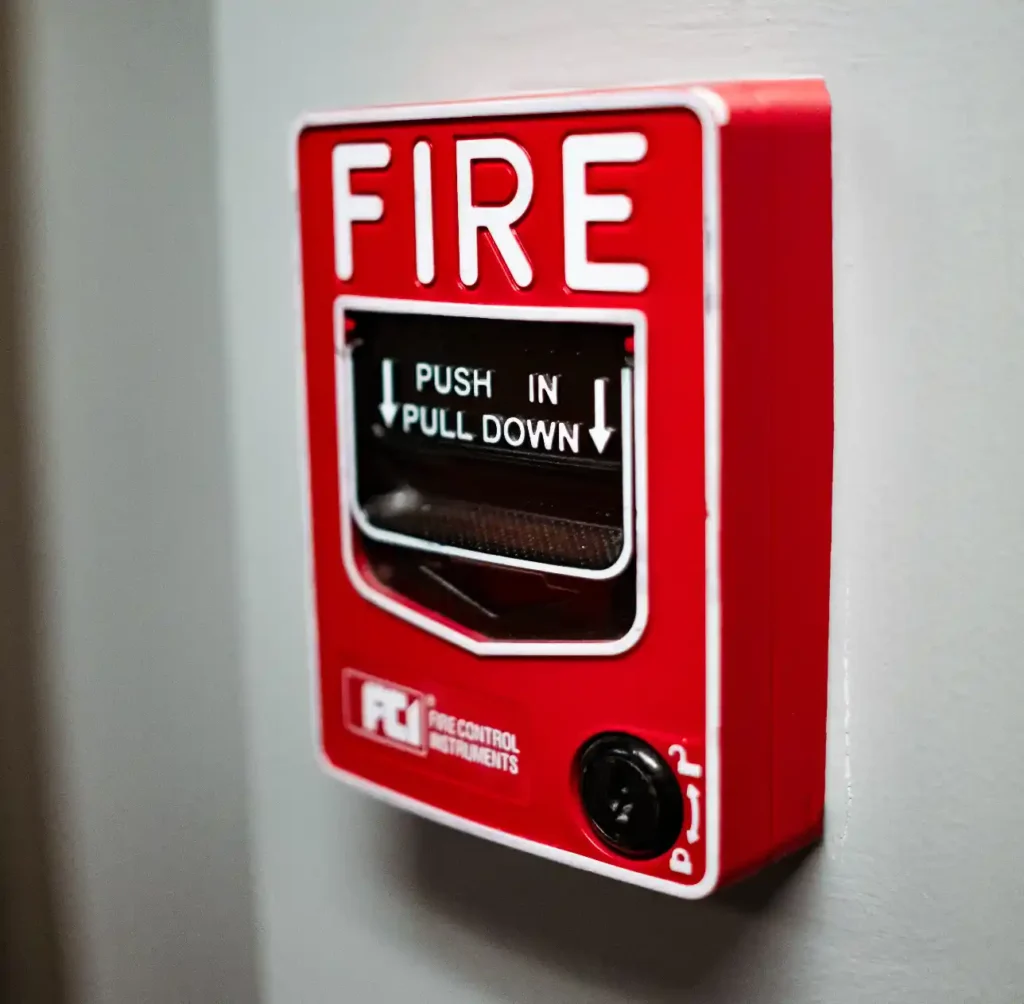
EMS FireCell Systems: Wireless Fire Alarm Systems Explained
Fire safety upgrades do not need to feel like a demolition movie. EMS FireCell systems provide wireless fire alarm systems that can add protection where hardwired work is difficult, slow, or expensive. Instead of running cable through every wall and chase, these systems use engineered radio communications to connect alarm devices and panels in a smarter way. And yes, the people who install them matter. Kord Fire Protection technicians explain how the components talk, how installers verify coverage, and how businesses can stay code minded without turning the project into a never ending “mystery box” like a sitcom plot twist.
Overview of How It Works
At a high level, EMS FireCell systems behave like a coordinated team. Each detection point, notification device, and supervising unit communicates wirelessly so the system can detect a fire condition and act quickly. First, sensors monitor for smoke, heat, or related fire indicators depending on the model. Then, when a condition matches an alarm algorithm, the device sends an alert to the system’s listening equipment. Finally, the panel triggers the right notifications, such as strobe lights and audible signals, and logs the event for inspection readiness.
Because radio coverage matters, a reliable deployment depends on placement, signal strength, and verified routing paths. In practice, a properly installed wireless fire alarm systems layout uses careful device spacing and communication checks so alarms reach the control unit even as building layouts evolve. Kord Fire Protection technicians typically start with a site review, then map device locations, and then confirm signal performance during commissioning. That process prevents the classic problem of “it worked during the walk-through” and fails later, which is a bit like trusting a smoke detector’s battery from 2019 because it looks fine.
What communicates, and what stays supervised
These systems do not just send alarm events. They also supervise device status. That means the system can report trouble conditions like loss of communication or device faults. As a result, the building owner does not wait until a test to learn something went wrong.
Typical communication flow
- Monitoring: Detection devices continuously watch for fire-related conditions.
- Reporting: Devices send status and alarm signals to the receiver or control unit.
- Action: The system activates notification appliances when alarms trigger.
- Supervision: The system tracks device health so it can alert personnel early.
Real World Use Cases for EMS FireCell
Different buildings need different fire protection strategies. Therefore, EMS FireCell systems often shine in environments where traditional wiring is difficult, intrusive, or disruptive. In commercial spaces, fast installation helps keep operations running. In retrofit work, wireless fire alarm systems can protect areas without opening every wall like a home renovation show that runs on pure chaos.
1) Tenant improvements and phased construction
In multi-tenant buildings, schedules can shift week by week. Wireless detection and notification allow a phased rollout, where devices get added as spaces open. As a result, an owner can meet interim safety needs while construction continues.
2) Warehouses, mezzanines, and high-ceiling spaces
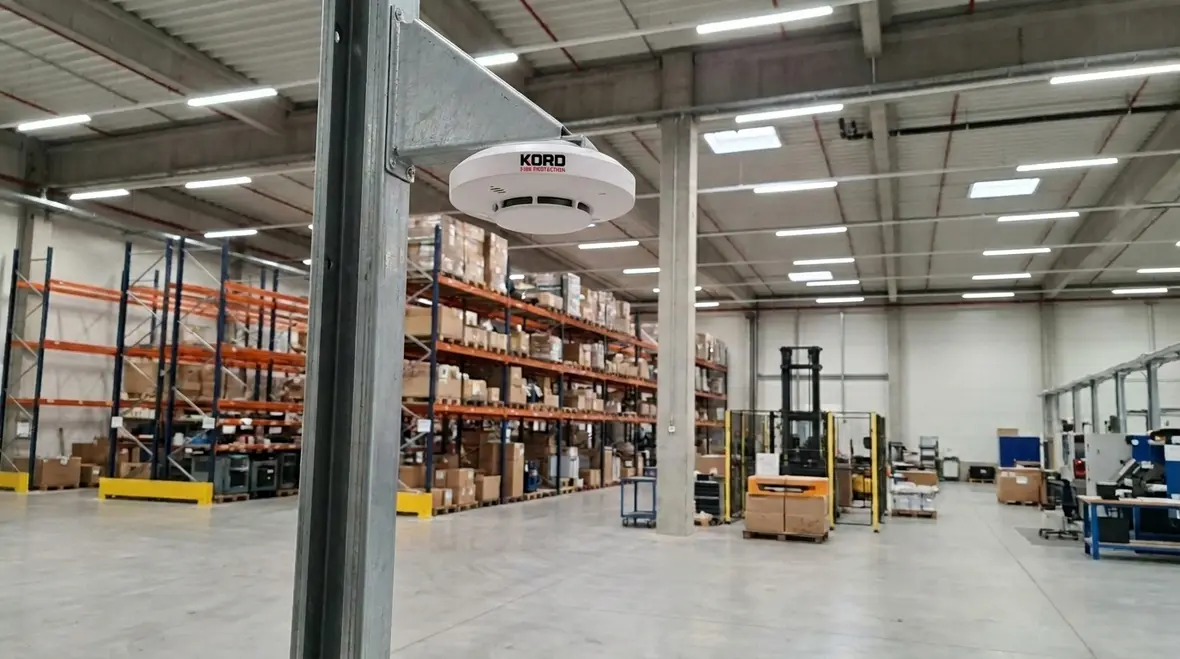
Where ceilings are high or racks block access, wiring can become a maze. Wireless setups reduce the need for extensive conduit routing. Kord Fire Protection technicians often evaluate mounting heights, line of sight factors, and mounting locations to keep communication dependable.

3) Historic or occupied facilities
Historic properties and occupied buildings require extra care. Wireless solutions can reduce wall openings and preserve finishes. Meanwhile, the system still provides supervised operation, so safety does not become a “best effort” situation.
4) School buildings and community facilities
In educational settings, evening or weekend work may be the only option. Wireless fire alarm systems can shrink installation time, which helps reduce downtime. Moreover, when staff learn the system status indicators and reporting method, they handle routine checks faster and with less confusion.
Strengths and Weak Points
Any fire alarm approach has tradeoffs. EMS FireCell systems offer meaningful advantages, but a smart owner also understands the limits. If someone claims wireless fire alarm systems are “set it and forget it,” they are selling you a fantasy, not fire safety.
Strengths
- Faster installation: Fewer wires often means less disruption and reduced labor time.
- Flexible upgrades: New device locations can sometimes be added without major demolition.
- Supervised operation: Trouble and device status reports help keep the system accountable.
- Practical for retrofits: Works well when cable routing conflicts with finishes, occupancy, or access.
Weak points
- Design and testing must be done right: Placement affects coverage, and commissioning confirms performance.
- Interference considerations: Radio environments can vary, so sites require planned evaluations.
- Device battery life: Many wireless devices rely on batteries, which means scheduling replacements.
- Proper documentation matters: Installers must label locations and update records so maintenance stays accurate.
In other words, wireless can reduce physical work, but it does not remove responsibility. That is the part people forget, like forgetting to pack snacks for a long road trip. You can still arrive. But you will regret it.
Ongoing Maintenance Needs
Maintenance does not disappear in a wireless architecture. Instead, it shifts focus. The system still needs routine inspection, testing, and cleaning as required by code and manufacturer guidance. Kord Fire Protection technicians typically approach maintenance with a checklist mindset: verify device operation, review event logs, check supervision status, and confirm that notifications function when they should.
Batteries, signal checks, and device health
Many wireless devices use power sources that must be monitored and replaced. Furthermore, installers and service teams may conduct periodic communication checks to ensure signal strength remains within acceptable limits as building use changes.
What “good” maintenance looks like
- Scheduled testing aligned with code intervals for alarms and notifications.
- Battery replacement planning before end-of-life to prevent nuisance trouble.
- Event log review to catch recurring trouble patterns early.
- Label and record updates when devices are added or moved.
Also, maintenance staff should train building personnel on what trouble messages mean. A calm response beats panic every time, and a good technician will explain it in plain language. This is where professional communication matters; nobody wants a supervisor calling the fire department because a panel beeped once and they panicked like it was the final episode of a thriller.
Relevant NFPA and Local Code Requirements
Fire alarm systems in the United States operate under a framework of national standards and local adoption rules. While details vary by jurisdiction, the key idea remains consistent: fire alarm design and installation must meet the applicable code requirements for the building type and occupancy.
In most projects, teams commonly reference NFPA documents such as NFPA 72, which governs fire alarm systems. Additionally, local building departments may enforce supplemental requirements, including testing frequency, acceptable device types, monitoring pathways, and submittal documentation rules. Wireless systems must receive approval through the required plan review process and be installed according to the manufacturer’s instructions and listing requirements.
Because each local authority can interpret and apply requirements differently, Kord Fire Protection technicians typically coordinate early with the AHJ during design, then verify compliance during installation closeout. This reduces delays and prevents the “we need to change it after the fact” situation, which is as fun as stepping on a LEGO in the dark.
How wireless fire alarm systems can be used effectively
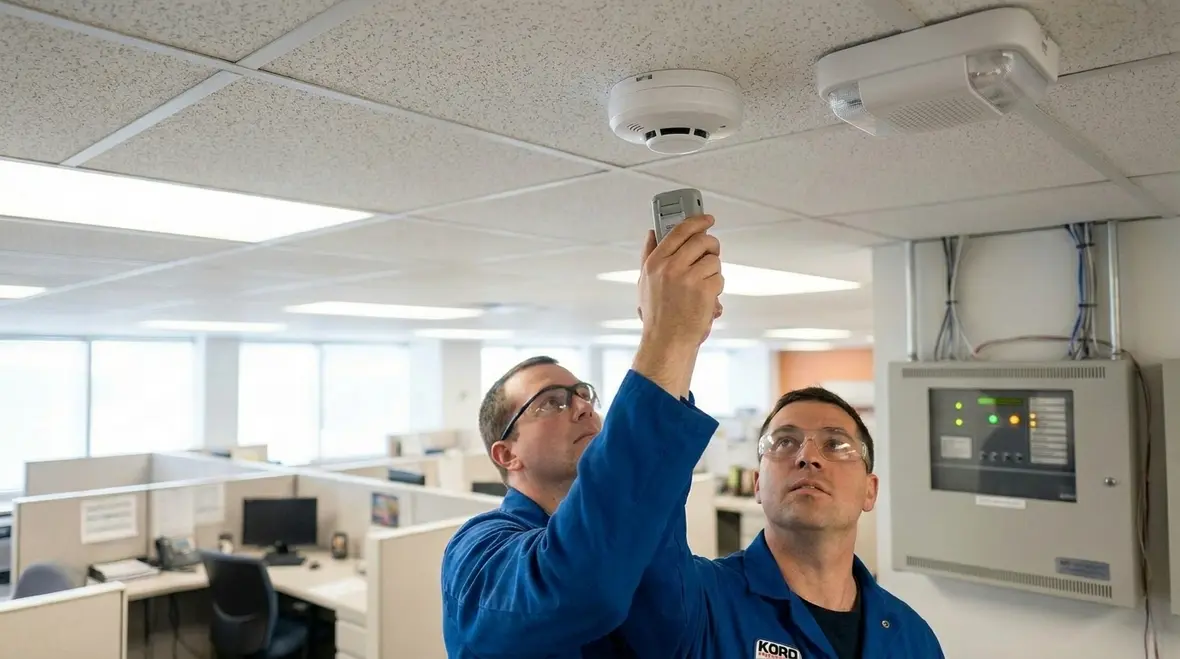
When the right design supports it, these systems can protect spaces without dragging a building into a wiring bottleneck. Here is a practical way to use them: first, identify coverage needs, then confirm device locations based on layout and mounting constraints. Next, require commissioning tests so the system proves reliable communication and alarm behavior. Finally, schedule maintenance so supervision signals and power sources stay healthy over time.
With that approach, a facility gains fast deployment, predictable operation, and smoother upgrades. And when Kord Fire Protection technicians walk through the process, they explain it step by step so teams understand what they installed, why it works, and what to watch for. That clarity is the difference between safety and guesswork.
Dual Column Considerations for Deployment
|
Design Focus
|
Service Focus
|
FAQ: Wireless Fire Alarm Systems Explained
Conclusion and Call to Action
EMS FireCell systems can deliver reliable protection without turning your project into an all-day cable marathon. When Kord Fire Protection technicians design, install, and commission the system, wireless fire alarm systems stay dependable, supervised, and ready for real emergencies. If a facility needs safer coverage, faster deployment, or a retrofit that does not wreck finishes and schedules, they should contact Kord Fire Protection for an assessment. Then the next “beep” on the panel becomes a solution, not a mystery.
Ready for a smarter upgrade?
Get a quick assessment so your coverage and commissioning plan stay code minded from day one.
Know Your Weapon Before You Fight the Flame
Kord Fire Protection is your go-to when it comes to all things fire protection. For over 20 years, we’ve been serving Southern California with the quality service and equipment to keep your home or business safe at all times. Our competitive prices reflect our unwavering commitment to protecting what matters most in the event of a fire emergency. Give us a call, send an email, or use that form!

Join Our Newsletter!
Get the latest fire safety tips delivered straight to your inbox From our Newsletter.