
Overview of BlazeCut Tube Based Fire Suppression Systems
BlazeCut Fire Suppression Systems use tube based suppression to control a fire before it grows into a full scene. In the real world, these systems pair heat detection with engineered discharge lines so the response can start where the hazard exists, not where someone wishes the fire would go away. Early in the process, trained kord fire protection technicians explain how the tube network stays ready, then activates in a targeted way when conditions demand it. And yes, the goal is simple: stop the fire, reduce damage, and help people keep their focus on safety instead of chaos. Because nobody wants a building to feel like a movie set where the plot is “panic and hope.”
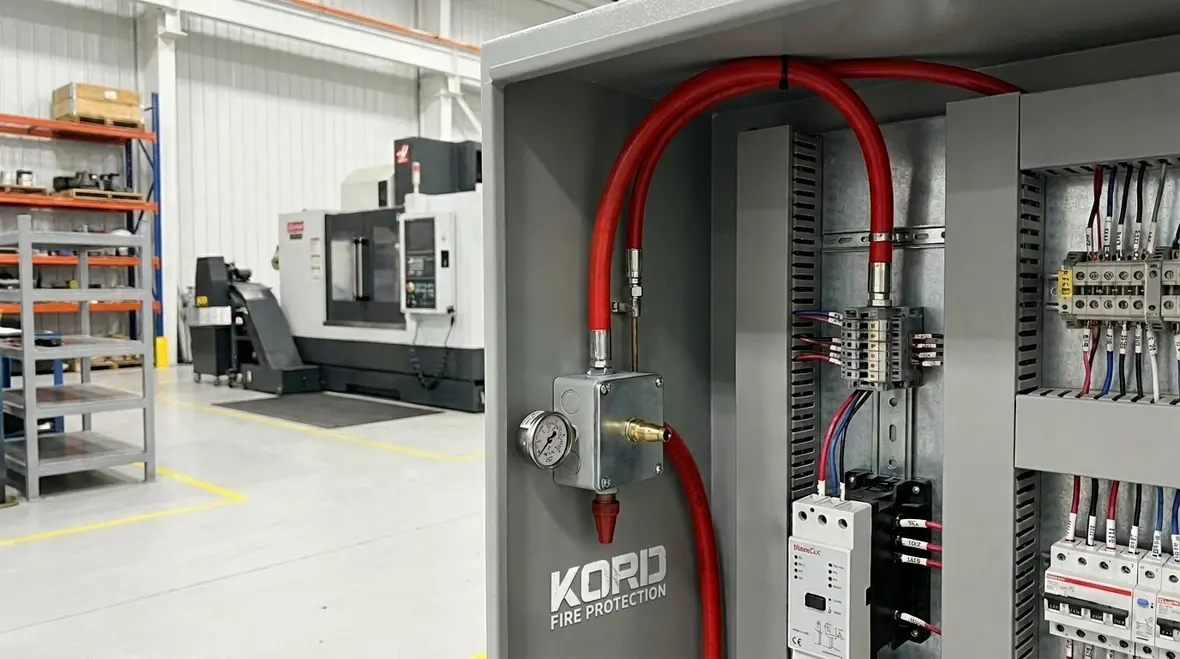
How tube based suppression works, step by step
To understand BlazeCut tube based fire suppression systems, it helps to break the concept into clear parts. First, the system uses tubes that run to the protected areas or to specific equipment zones. Then, heat triggers the release mechanism at the right location. After that, the extinguishing agent flows to suppress flames and limit heat spread.
Unlike systems that flood an entire space every time, tube based fire suppression systems aim at the zone where heat develops. As a result, the response tends to feel more intentional and less like turning on every sprinkler in the building “just in case.”
In practice, kord fire protection technicians review hazard conditions and confirm the tube routing matches airflow, obstructions, and heat behavior. Additionally, they explain how installation details matter, including tube placement, spacing, and how the system connects to the control and agent source. They also check that the system can release as designed, not as improvised.
Here is the flow most technicians explain on site:
- Design and placement: tubes route to the hazard area with practical line-of-sight to the risk
- Trigger conditions: heat initiates release at the affected tube section
- Agent discharge: suppressant releases to suppress and cool the developing fire
- Control and notification: the system reports status so people respond quickly
Then, once the event passes, trained staff evaluate recharging and repairs so the system can return to standby. In other words, the system is not a one and done tool. It is built for reliable response, then disciplined recovery.
Real world use cases for BlazeCut
Where does this approach shine? It shows up in spaces where fire starts fast and where the risk concentrates in equipment or enclosed zones. For example, many projects focus on industrial gear, processing areas, and certain commercial hazards where heat can build quickly.
Additionally, tube based fire suppression systems support scenarios where water damage is a concern. In some designs, gaseous or clean agent options may align with the client’s goal to reduce mess and recovery time. However, the right agent depends on the hazard and the local engineering approach, so the selection process deserves careful attention.
Common real world use cases that kord fire protection technicians often discuss include:
- Enclosed or semi enclosed equipment areas where a localized response helps reduce spread
- Warehouse segments with rack hazards when configuration and code rules allow the design approach
- Processing rooms that require rapid suppression of early flame and heat
- Commercial cooking zones in specific engineered setups where approved designs fit
Moreover, tube based suppression can help facilities improve consistency. Instead of relying on manual action in the first minutes, the system acts automatically. And that matters because early minutes can decide everything. If people have ever watched a sitcom where the hero waits too long, they already understand the storyline. Fire does not follow scripts though, so the system must.
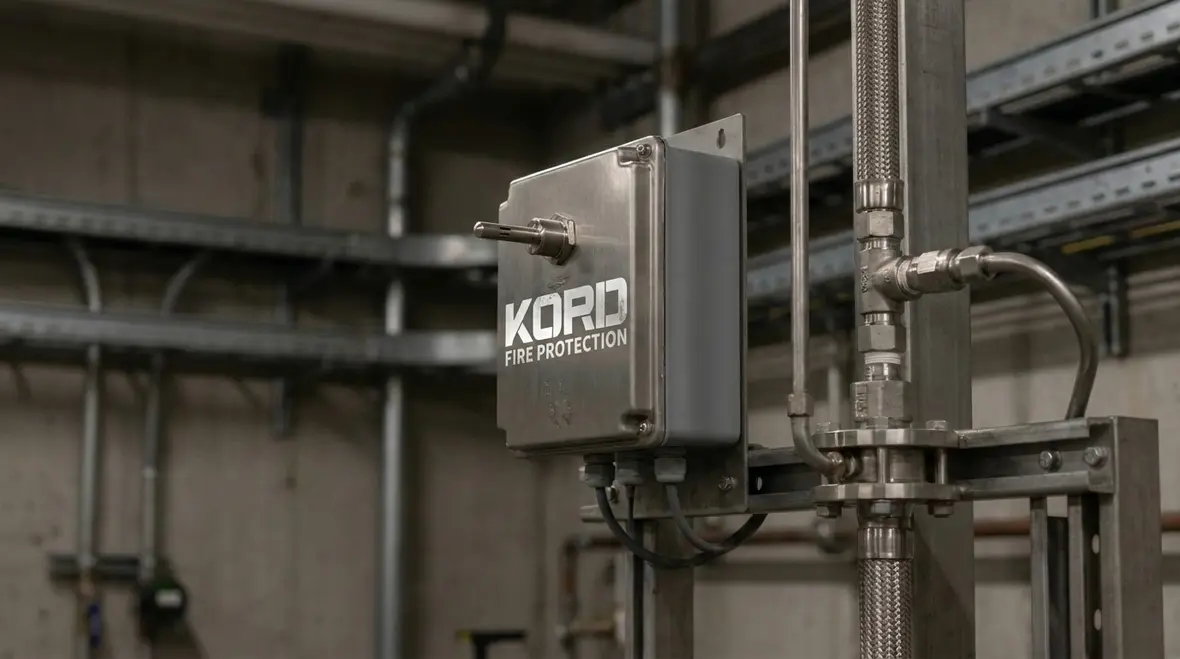
Strengths and potential limits in tube based systems
No fire protection solution is magic, and tube based suppression works best when the design fits the hazard. Still, it offers clear strengths when engineers and kord fire protection technicians handle layout, component selection, and installation discipline.
Key strengths
- Targeted discharge: activation occurs at the affected tube section, which helps limit unnecessary exposure
- Predictable response: the engineered layout supports repeatable performance across similar hazards
- Lower disruption risk: depending on agent choice, recovery may be simpler than large scale flooding
- Automation: the system handles the early stage while people focus on safety actions
Potential weak points
- Design sensitivity: wrong routing or poor placement can reduce performance
- Obstruction and airflow: changes in layout can alter heat travel and activation behavior
- Inspection and resets: after a discharge, the system needs qualified service to restore operation
- Agent compatibility: some spaces require strict rules for the suppressant, which can limit options
Therefore, the best outcomes come from careful site planning and regular verification. In this area, the difference between “installed” and “done right” can be dramatic. And while no one wants to talk about worst case scenarios, fire protection teams respect reality more than optimism.
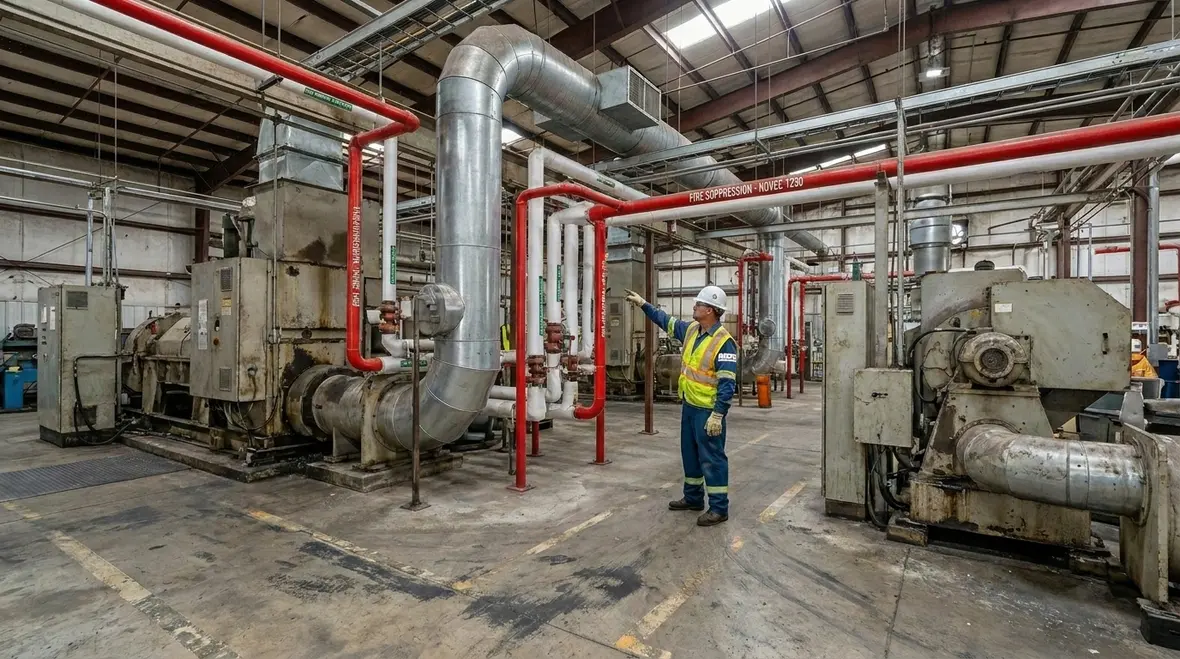
Ongoing maintenance needs and service checks
Like a good business process, tube based fire suppression systems require ongoing care. The goal is to keep components clean, functional, and connected to the correct control logic. When facilities skip routine checks, systems can look fine until they actually matter.
kord fire protection technicians typically focus on inspection, verification, and documentation. They check the visible tube routing for damage, confirm agent and pressure status where applicable, and test alarms and control pathways. They also verify that the system receives power correctly and that any required signals reach the right panels.
Maintenance usually includes the following categories:
- Visual inspections: tube routing, supports, and access points
- Control and detection checks: confirm system status, supervision, and alerts
- Agent system verification: check levels, integrity, and required configuration
- Recordkeeping: document changes, tests, and any repairs
Then, facilities should treat changes like equipment moves or new storage as potential triggers for re evaluation. If the hazard configuration shifts, the heat pattern shifts too. And once again, fire does not wait for the maintenance schedule. So the best facilities build a maintenance plan that matches real activity.
Relevant NFPA and local code requirements
Fire suppression design and installation must follow national standards and local rules. While exact requirements vary by hazard type, agent, and application, code compliance shapes everything from discharge criteria to inspection frequency.
In many projects, teams reference NFPA documents such as NFPA 13 for sprinkler systems, NFPA 72 for fire alarm and notification, and NFPA 17 for dry chemical extinguishing systems. For hood and cooking related applications, NFPA 96 can play a role. For special hazards, other NFPA standards may apply depending on the hazard classification.
Additionally, local authorities having jurisdiction may require permit processes, plan review, and on site inspections. Therefore, kord fire protection technicians often coordinate with engineers, inspectors, and facility leadership to make sure the system design aligns with the approvals already in play.
To keep the process smooth, facilities should also expect that certification and testing standards will guide acceptance. And in a world where buildings change every quarter, that means code compliance is not a one time stamp. It becomes a living expectation.
How facilities can deploy tube based fire suppression systems effectively
Now for the part where “safety plan” turns into “safety results.” Facilities can use tube based fire suppression systems by starting with a real hazard survey, then validating tube routing, agent selection, and detection logic. Next, they should confirm that the installed configuration matches the engineered intent. From there, they can train staff on alarms, evacuation roles, and what to do after activation. And finally, they should set a recurring service cadence so the system stays ready for the next challenge.
To make that easier, some projects follow a simple checklist mindset:
- Assess the hazard and heat behavior, not just the room size
- Select an agent that fits the risk, occupancy, and recovery goals
- Install tubes with careful routing, supports, and access for inspections
- Verify performance during acceptance testing and record updates
- Schedule routine inspections and change management after upgrades
Because, frankly, it is not “set it and forget it.” It is “install it, monitor it, and respect it.” If fire protection was like a coffee subscription, sure. But buildings are not cafes, and smoke does not care about loyalty points.
FAQ about BlazeCut and tube based suppression
Conclusion and call to action
BlazeCut Fire Suppression Systems with tube based suppression help facilities respond early, control fire where it starts, and support a more disciplined approach to safety. To get the most value, facilities should start with a proper hazard review, confirm design fit, and keep up with inspection and service. If the goal is dependable protection without guesswork, reach out to qualified kord fire protection technicians. They can explain options, map the risk, and help move the system from concept to compliance.
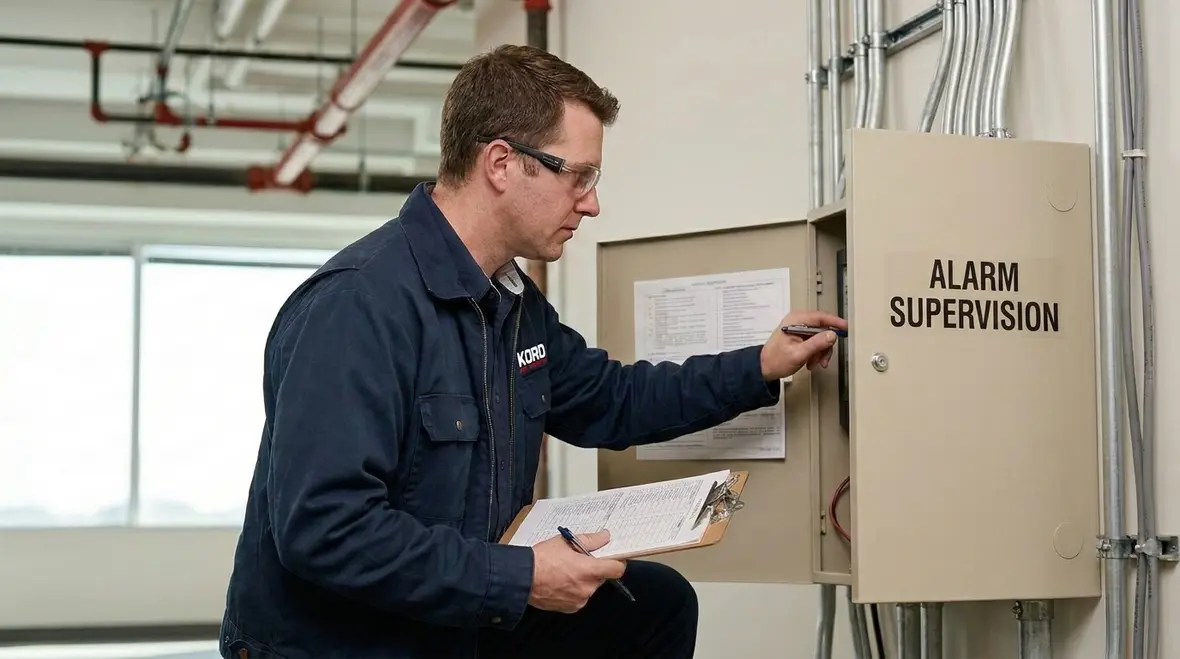
Ready to discuss tube based suppression?
Get help mapping the hazard, confirming design fit, and keeping your system in disciplined standby readiness.
Have questions for a tech?
Talk with trained kord fire protection technicians who can walk through options, code considerations, and the service plan that keeps everything working when it matters.
BlazeCut Tube Based Fire Suppression Systems Guide
Know Your Weapon Before You Fight the Flame
Kord Fire Protection is your go-to when it comes to all things fire protection. For over 20 years, we’ve been serving Southern California with the quality service and equipment to keep your home or business safe at all times. Our competitive prices reflect our unwavering commitment to protecting what matters most in the event of a fire emergency. Give us a call, send an email, or use that form!

Join Our Newsletter!
Get the latest fire safety tips delivered straight to your inbox From our Newsletter.



