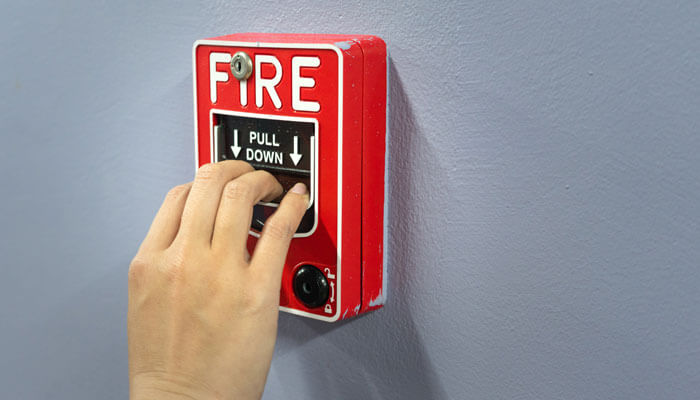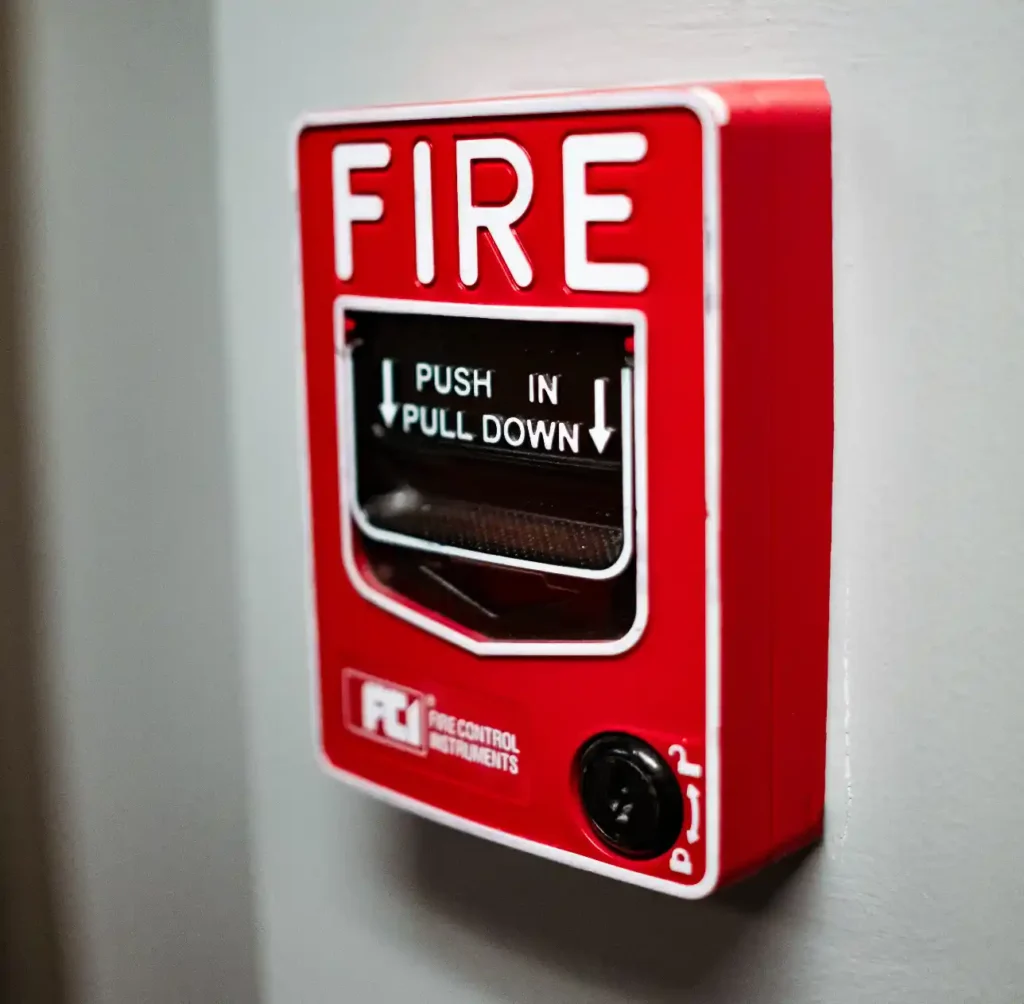
Emergency Fire Alarm Backup Battery Sizing for Commercial
When a fire alarm system must stay alive, downtime becomes a safety risk, and missed notifications turn into expensive regrets. That is why Kord Fire Protection Technicians often recommend an emergency fire alarm backup as part of a solid commercial plan. In the introduction, they put it plain: the goal is not “extra equipment,” it is dependable alarm power when the building loses utility power. And yes, nobody enjoys a late night troubleshooting call, unless they are auditioning for a horror movie.
In this guide, third person explains how businesses should select battery backup systems for commercial fire alarms. Then, the article addresses practical sizing, code expectations, installation habits, testing, and maintenance, with the kind of calm, methodical steps you would want during a real incident. For teams managing larger facilities, that planning fits naturally into broader fire alarm services that keep systems monitored, maintained, and ready when normal power decides to disappear at the worst possible moment.
How commercial fire alarm battery backups keep systems running
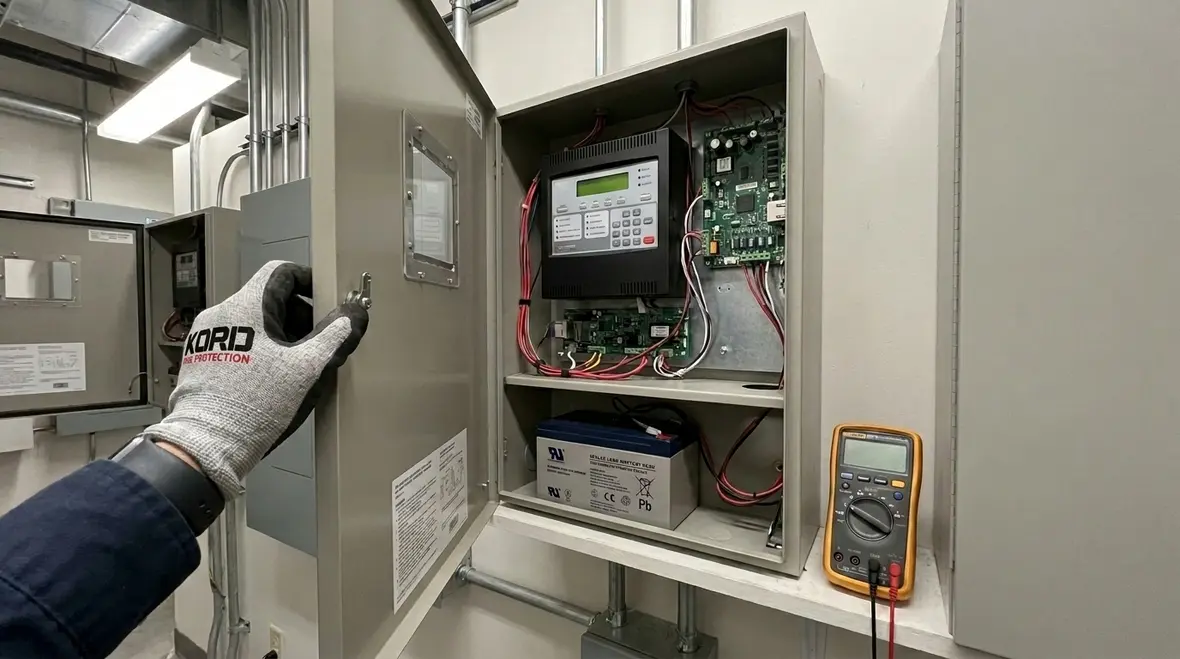
Battery backup systems provide short term power for fire alarm panels, initiating devices, signaling appliances, and related control modules. When utility power drops, the panel must keep monitoring and reporting events. If the backup design falls short, the system may reset, lose supervision, or fail to activate audible and visible notification.
According to Kord Fire Protection Technicians, the real win comes from matching the battery system to the exact load and alarm standby time required for the building. In other words, the backup must do the job, not just “be there.” And since fire alarm loads can change over time, the selection process must account for the full system, not a single device in isolation.
Why accurate backup planning matters more than most teams expect
A commercial system is rarely static. Devices get added during tenant improvements, remodels alter notification layouts, and expansion projects quietly increase panel demand. A battery setup that looked sufficient during the original install can become undersized without anybody noticing until a test, outage, or trouble event says hello. That is one reason many businesses tie battery reviews to larger inspection and upgrade efforts instead of assuming the original configuration will age gracefully forever.
What to check before choosing a backup system
Before selecting a battery backup, a commercial owner or facility manager should gather a few key details. Then, the choices become clearer and less guesswork enters the room like an uninvited guest.
- Panel and device list: Kord Fire Protection Technicians start by confirming the fire alarm control unit model, current draw, and connected signaling appliances.
- Supervisory and signaling loads: Different devices draw power in steady and alarm conditions, so the backup must cover both.
- Expected standby and alarm duration: The system must meet required time windows based on code and local requirements.
- Battery type compatibility: Some panels work best with specific battery chemistries and monitoring methods.
- Enclosure and wiring plan: Space, ventilation, and proper terminations affect performance and safety.
Next, they also look at how the building operates. For example, large campuses, high occupant count buildings, and retrofits often have more variable device loads than a simple office suite. Teams that already use a full-service provider can often fold this review into broader fire protection services so battery planning is considered alongside inspections, compliance scheduling, and long term system readiness.
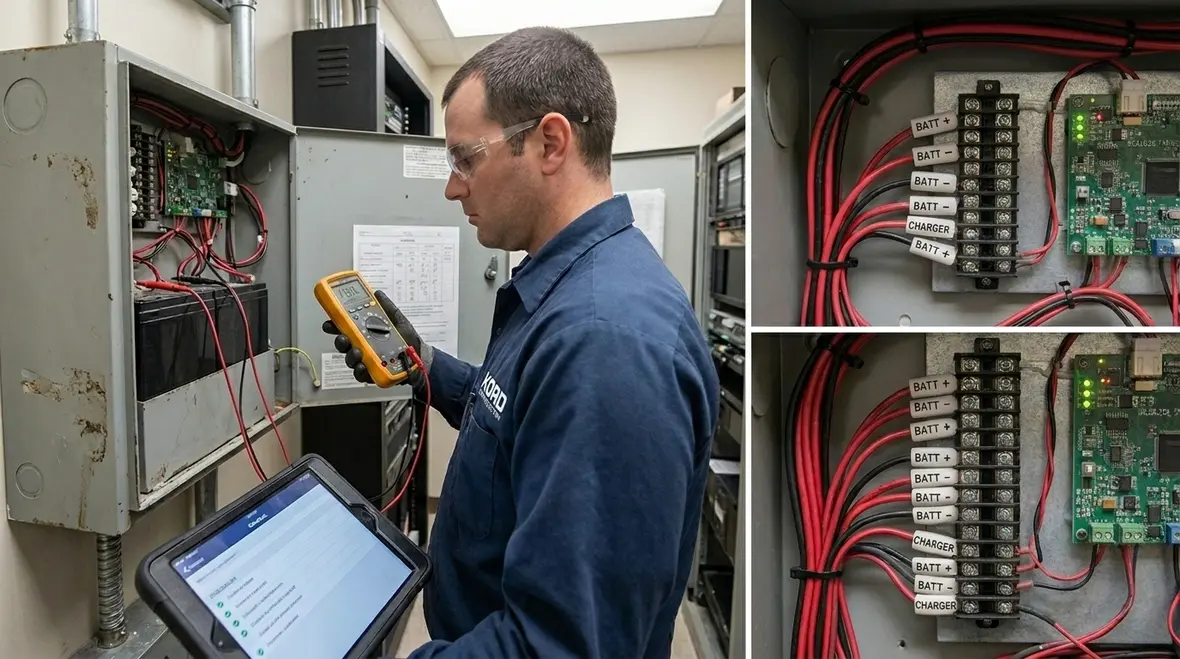
A practical pre-selection checklist for facility managers
It helps to ask a few boring questions before the exciting part where someone orders hardware. Has the system changed since the last battery replacement? Are there booster power supplies or remote cabinets that affect total load? Is there enough enclosure space for the selected batteries, or will a listed auxiliary cabinet be necessary? Boring questions, yes. Expensive questions when ignored, absolutely.
Emergency fire alarm backup sizing for real commercial loads
Proper sizing helps ensure the system can run on batteries for the required standby period and still provide alarm signaling when an event occurs. Many problems start when someone selects a battery based on brand familiarity or a prior install, instead of verified load calculations.
Kord Fire Protection Technicians emphasize a simple but powerful method. First, they determine the panel current draw and standby current for all connected devices. Then, they determine the alarm condition draw. After that, they size the battery capacity to maintain the system voltage and performance over the required time.
To keep it practical, sizing should address these points:
- Temperature considerations: Battery output changes in cooler or warmer locations, so calculations should reflect the installed conditions.
- End of discharge voltage: Batteries should meet the panel’s minimum voltage during the required run time.
- Future device growth: If the site plans expansion, they may size with margin or plan for an upgrade path.
- Correct charger behavior: The charging circuit should support the selected battery type and capacity.
And because nobody wants a “close enough” battery bank, they treat sizing as a key safety task, not a clerical step.
Where battery calculations usually go sideways
Sizing errors tend to come from small omissions that stack up into one very annoying problem. A remote annunciator gets missed. A notification circuit power supply is assumed to be lighter than it is. A renovation added devices last year, but the documentation never caught up. Or the calculation technically worked on paper but left almost no margin for aging, temperature, and normal real-world drift. That is how systems end up passing the eyeball test while failing the reliability test.
Battery chemistry, charger health, and supervision monitoring
Commercial fire alarm systems rely on monitoring so faults do not hide until the worst moment. Therefore, technicians must evaluate battery chemistry, charger performance, and the supervision features built into the panel.
Kord Fire Protection Technicians commonly note that battery chemistry selection matters. For example, some installations use sealed lead acid batteries due to proven performance and predictable maintenance schedules. Regardless of type, the system should include accurate monitoring for battery presence, connection integrity, and charging faults.
They also pay attention to charger health. A charger that runs hot, drifts out of spec, or fails to maintain the right charge level can shorten battery life. As a result, the backup may appear fine during routine checks, while quietly losing capacity.
To verify performance, technicians review:
- Supervision alarms: The panel should report battery trouble, open circuits, and charger faults.
- Charging parameters: Charger output should match the battery design and installation needs.
- Voltage readings over time: They should confirm stable charging behavior during normal operation.
- Connection quality: Loose lugs and corroded terminations cause intermittent issues that look like ghosts.
Yes, those ghosts show up at the least convenient time. Hence the need for careful selection and ongoing checks. On properties with more advanced notification needs, backup design also intersects with services such as voice evacuation and monitoring support, because reliable emergency communication is only as good as the power behind it.
Installation best practices that prevent nuisance trouble
Even when sizing is correct, poor installation habits can create trouble signals, weak performance, or repeated maintenance visits. So installation must focus on wiring quality, labeling, and physical mounting.
Kord Fire Protection Technicians typically insist on these practical steps:
- Proper battery mounting: Batteries should sit securely in a listed enclosure and avoid vibration or strain on cables.
- Correct polarity and torque: They verify polarity and use the correct terminal torque to prevent loosening.
- Clean wiring routes: Cable routing should avoid sharp edges and keep connectors accessible for inspection.
- Labeling: Clear labels speed up future service and reduce “where is that wire going” frustration.
- Ventilation and environment: Battery life improves when the environment stays within expected limits.
Next, they also plan for serviceability. Because after the install, someone will eventually need to check a reading, swap a battery, or troubleshoot a fault. Future service should not feel like a scavenger hunt. That same mindset shows up across Kord’s broader commercial work, from inspections to repairs to ongoing support programs designed to keep facilities inspection-ready instead of permanently one surprise away from chaos.
Testing and maintenance schedules for dependable backup performance
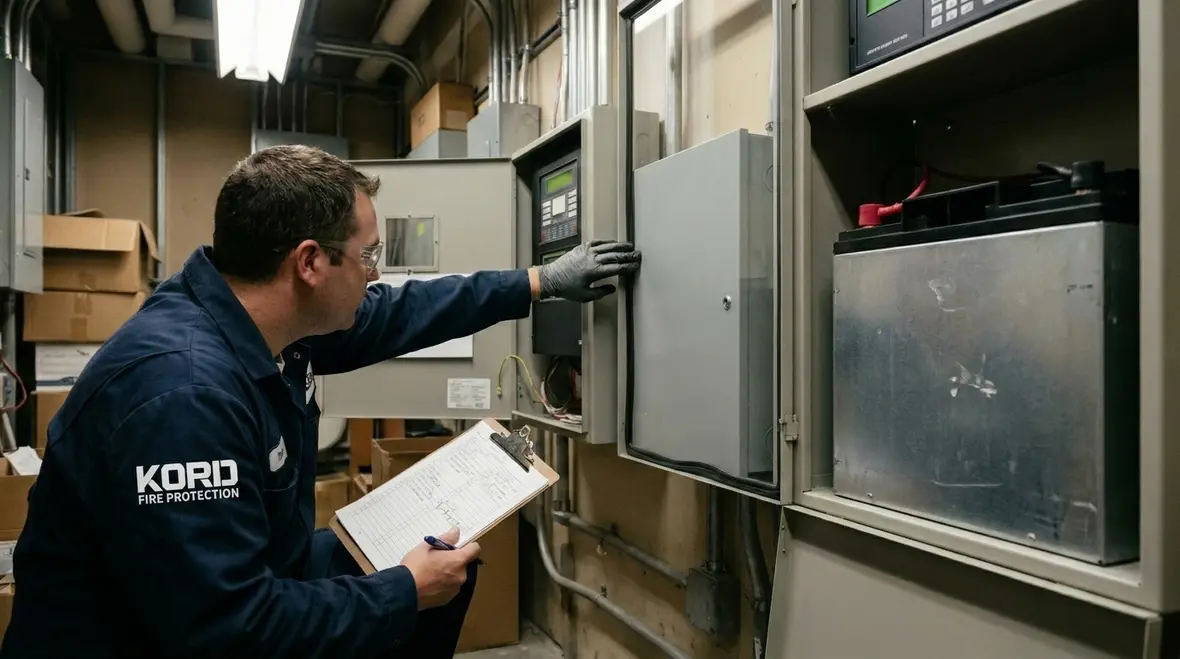
Battery backup systems work best when they are tested and maintained on a schedule tied to risk and manufacturer guidance. Then, facilities avoid the classic surprise: “The system looked fine last year.” Batteries do age, and they do so quietly.
Kord Fire Protection Technicians recommend structured maintenance that includes functional checks and battery health evaluation. Common tasks include:
- Periodic inspection: Visual checks for cable condition, enclosure integrity, and corrosion.
- Battery testing: Use appropriate testing methods that evaluate capacity and performance, not only voltage.
- Record keeping: Maintain dates, results, and any corrective actions.
- Charger verification: Confirm stable charge behavior and proper supervision readings.
- System verification after changes: If devices change, the backup design and load calculations may need updates.
Additionally, testing intervals should align with local requirements and the realities of the building. High occupancy sites, harsh environments, and frequent renovations often justify tighter maintenance cycles. Businesses already working with Kord on inspections, monitoring, or retrofit planning can use those visits to verify battery condition before small issues become large, inconvenient, budget-unfriendly ones.
Emergency fire alarm backup FAQ for commercial teams
Final call: choose backup systems with Kord Fire Protection Technicians
Selecting a battery backup system for commercial fire alarms requires careful load sizing, compatible components, and reliable installation, testing, and upkeep. Kord Fire Protection Technicians help commercial teams avoid guesswork by verifying panel loads, evaluating charger and supervision performance, and planning realistic maintenance. If your building is due for an upgrade, an inspection issue, or a capacity review, they can map the right emergency fire alarm backup solution.
For businesses that want one partner for alarm work, inspections, and related system support, Kord also offers full fire protection services and dedicated commercial fire alarm solutions. Contact Kord Fire Protection today to schedule an assessment and get peace of mind that lasts past the next power blip.

Join Our Newsletter!
Get the latest fire safety tips delivered straight to your inbox From our Newsletter.