
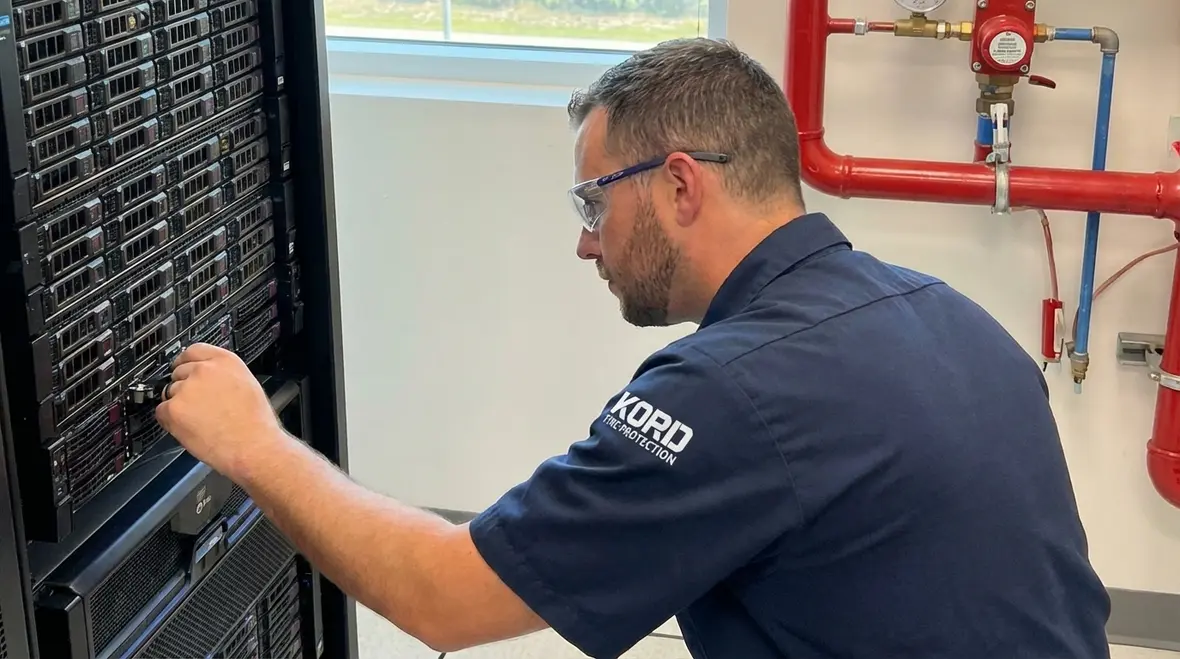
El Segundo Fire Suppression Systems Guide
In a city where aerospace innovation meets coastal industry, safety is never an afterthought. Our El Segundo fire suppression systems protect data centers, manufacturing plants, commercial kitchens, laboratories, and office buildings that keep the local economy moving. Fire does not send a calendar invite before it arrives. It moves fast, feeds on oversight, and leaves costly lessons behind. That is why facility managers across the city rely on layered protection designed for their exact risks.
Throughout this guide, Kord Fire Protection technicians explain how modern systems work, why compliance matters, and how businesses can protect both people and property without turning their buildings into fortresses. They speak plainly, with the calm confidence of professionals who have seen what happens when preparation meets opportunity and when it does not.
Understanding Fire Risk in El Segundo Facilities
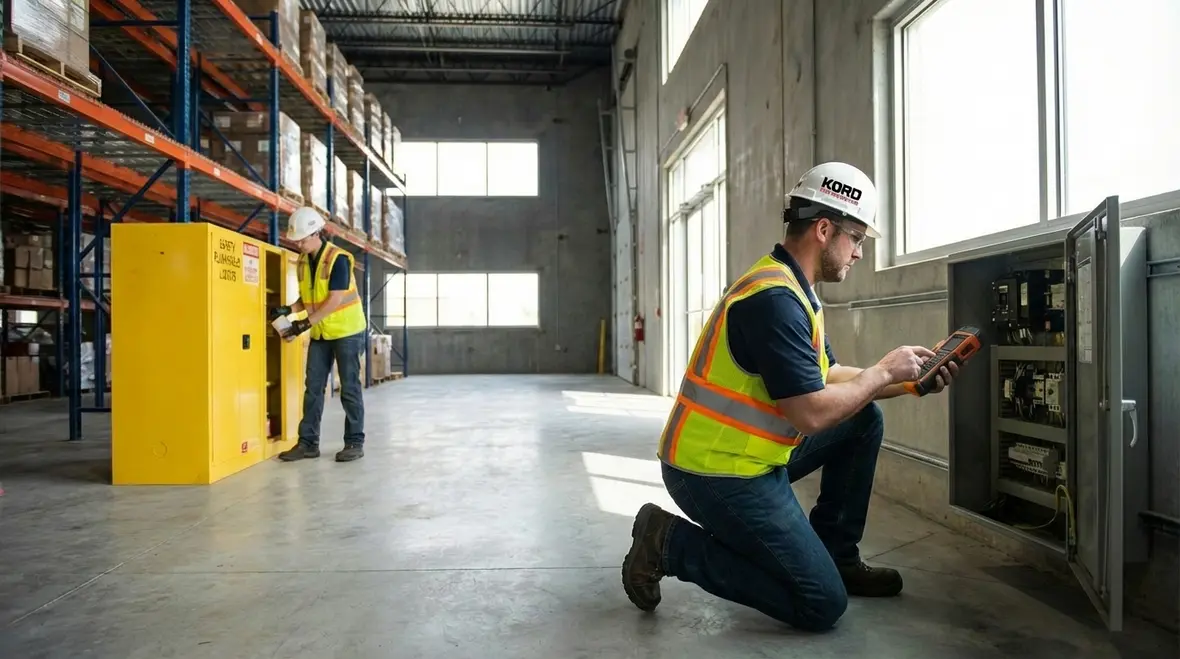
El Segundo hosts aerospace contractors, tech firms, logistics hubs, creative studios, and food production sites. Consequently, each facility faces unique fire hazards. A server room may overheat due to electrical faults. A warehouse may store flammable liquids. A commercial kitchen may deal with grease laden vapors that ignite faster than popcorn in a microwave.
Because of this diversity, a one size fits all approach rarely works. Instead, effective protection starts with a detailed hazard assessment. Kord Fire Protection technicians walk through each building, review operations, examine equipment layouts, and evaluate ignition sources. They look at airflow patterns, storage heights, and electrical loads. Moreover, they consider human behavior, because people often create risk without meaning to.
While Hollywood might suggest dramatic explosions, most fires begin quietly. A frayed wire. An overheated motor. A spark in the wrong place. Therefore, suppression systems must respond quickly and precisely. They must match the environment they protect.
Local risk profiles and neighboring facilities
Many El Segundo facilities also interface with neighboring cities and shared industrial zones. For example, operations that extend toward Hawthorne often coordinate protections across multiple buildings, relying on regional partners such as Hawthorne fire protection services for consistency in standards and response expectations. When facilities share infrastructure, docks, or utilities, risk assessments must consider these connections as well.
How El Segundo Fire Suppression Systems Protect Modern Buildings
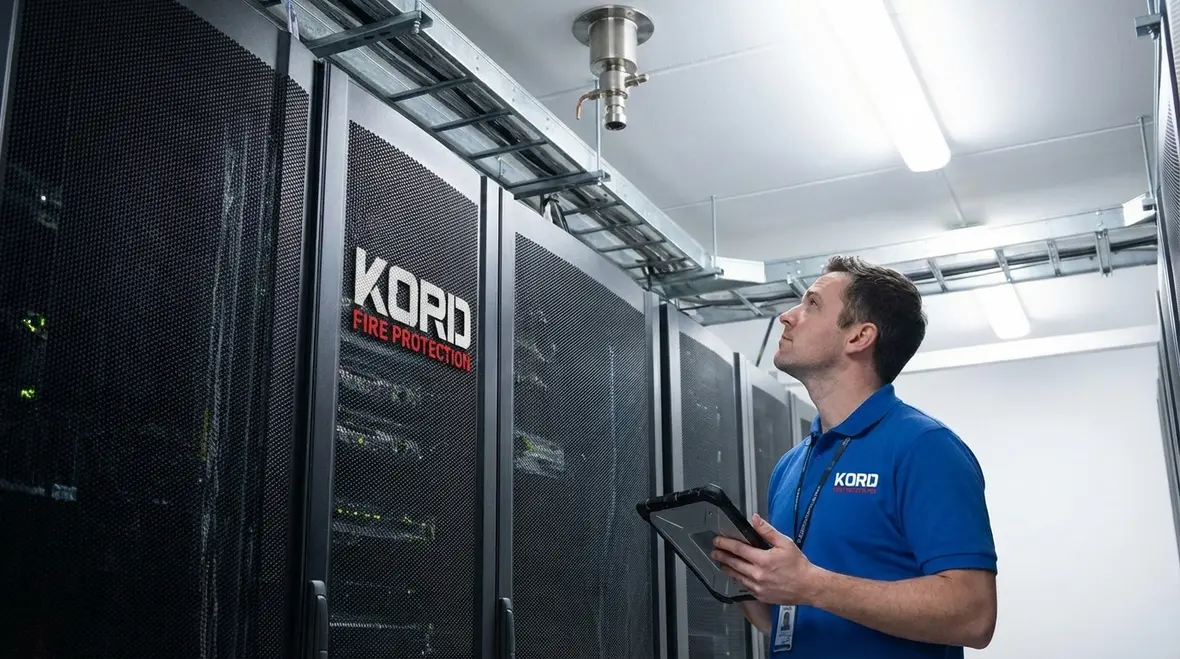
Modern fire suppression systems do more than spray water and hope for the best. In fact, many facilities require specialized agents that extinguish flames without damaging sensitive equipment. For example, clean agent systems release gas that interrupts the chemical reaction of fire. They leave no residue, which makes them ideal for data centers and control rooms.
Meanwhile, industrial kitchens often rely on wet chemical systems. These systems discharge a fine mist that cools hot surfaces and forms a barrier over burning grease. As a result, they prevent re ignition and reduce downtime.
In warehouses, advanced sprinkler systems adjust discharge patterns based on ceiling height and storage type. Early suppression fast response heads activate quickly, limiting fire spread before it gains strength. Additionally, foam systems may protect areas storing flammable liquids, since foam blankets the fuel surface and blocks oxygen.
Kord Fire Protection technicians explain each option in plain language. They avoid jargon unless it serves a purpose. If a facility manager asks whether a clean agent will harm electronics, they provide clear data. If someone wonders whether sprinklers will flood the building like a scene from a disaster movie, they calmly clarify how targeted activation works. Knowledge, after all, reduces fear.
Layered systems tailored to your El Segundo building
Rather than relying on a single suppression method, many El Segundo properties use a layered configuration: sprinklers for general coverage, clean agents or pre-action sprinklers for critical rooms, wet chemical systems for kitchens, and portable extinguishers for targeted first response. The goal is not to overwhelm a building with hardware, but to match the right tool to the right space and keep operations running smoothly after an event.
What Is the Right System for an Aerospace or Tech Facility?
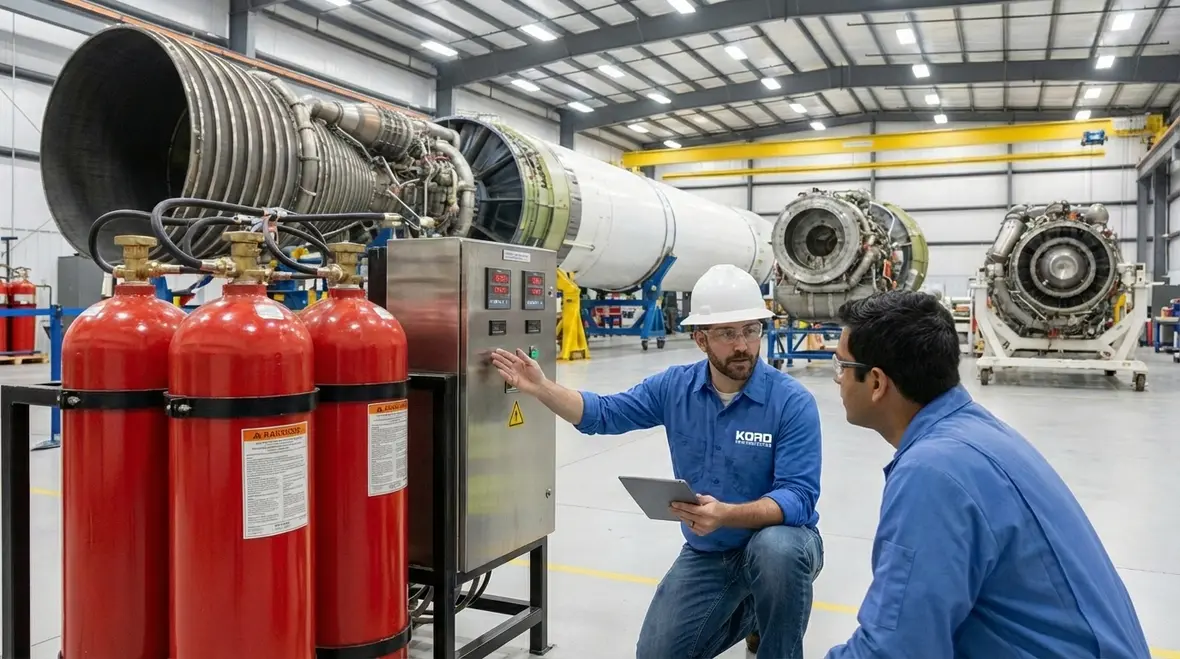
For aerospace and tech operations common in El Segundo, precision matters. These facilities often house expensive machinery, proprietary hardware, and critical research. Therefore, suppression must control fire without causing collateral damage.
Clean agent systems such as FM 200 or inert gas blends often serve these environments well. They suppress flames within seconds and allow equipment to remain largely intact. Furthermore, they support business continuity, which is vital when contracts and timelines leave little room for delay.
However, the right choice depends on room volume, ventilation, and occupancy levels. Kord Fire Protection technicians calculate agent concentration levels, ensure proper sealing, and test alarm integration. They also coordinate with building management systems so that ventilation shuts down during discharge. Consequently, the agent remains effective long enough to extinguish the fire.
It may not sound glamorous, but proper integration is the difference between a system that works in theory and one that performs when it counts. Think of it as assembling a cast for a blockbuster film. Each role matters. If one actor misses their cue, the scene falls apart.
Protecting high value equipment and data
In these environments, downtime can cost more than the hardware itself. By combining clean agent suppression with early detection, redundancy, and smart zoning, El Segundo aerospace and tech facilities can protect prototypes, testing rigs, and server stacks without accepting unnecessary risk from water, foam, or accidental discharge.
Compliance, Codes, and Local Expectations
Fire protection in El Segundo does not operate in a vacuum. Local fire codes, California regulations, and national standards guide system design and maintenance. Therefore, facilities must align with requirements from authorities having jurisdiction, insurance carriers, and industry specific bodies.
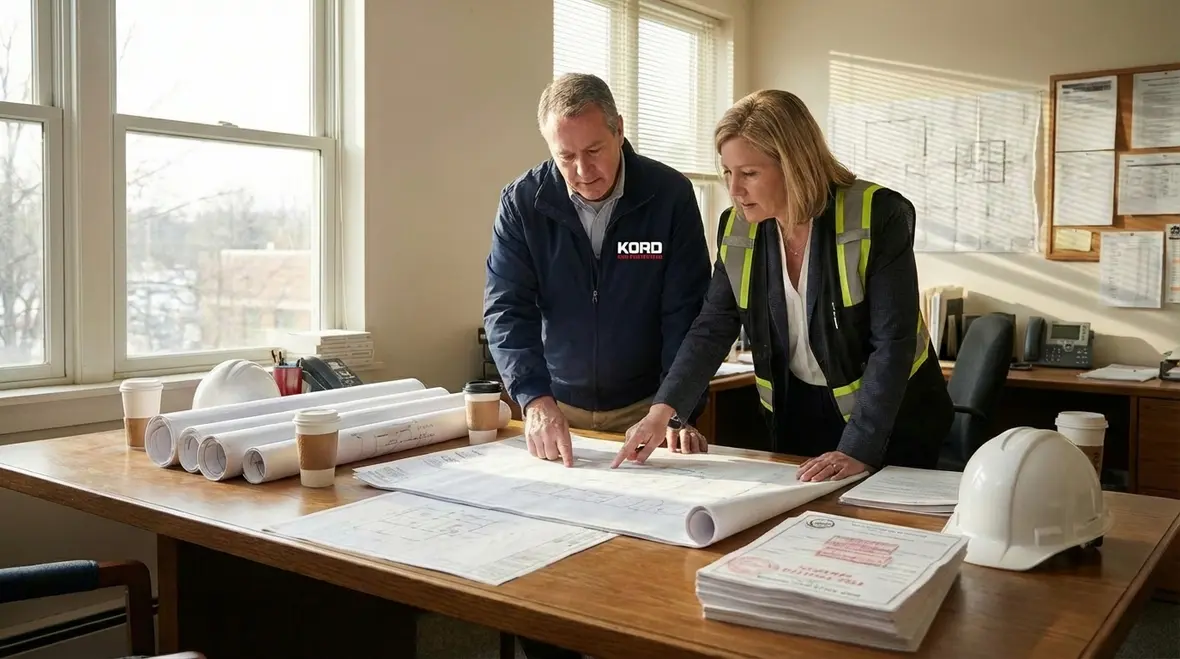
Kord Fire Protection technicians stay current with evolving codes. They handle permitting, coordinate inspections, and provide documentation for audits. Additionally, they train staff on system operation and emergency procedures. This reduces confusion during real incidents.
Moreover, regular inspections ensure systems remain reliable. Components age. Valves can corrode. Sensors may drift out of calibration. Because of that, scheduled testing and maintenance protect both compliance status and operational safety.
In short, compliance is not red tape. It is a roadmap. It guides facilities toward safer operations and fewer unpleasant surprises.
Tying suppression into broader fire protection services
Because suppression systems depend on alarms, detection, pumps, standpipes, and other infrastructure, many El Segundo facilities take advantage of comprehensive support across the South Bay region. When your suppression strategy aligns with neighboring services such as Hawthorne Fire Protection Services, you gain consistency in maintenance, reporting, and emergency coordination.
Side by Side Comparison of Common System Types
Each system has strengths and limitations. Comparing them side by side helps facility managers decide which combination fits their risk profile, budget, and operational goals.
| System Type | Best Fit and Key Benefit |
| Wet Pipe Sprinkler | General commercial spaces. Simple design and fast activation. |
| Pre Action Sprinkler | Data centers and archives. Reduces risk of accidental discharge. |
| Clean Agent | Server rooms and control centers. No residue and minimal downtime. |
| Wet Chemical | Commercial kitchens. Effective against grease fires. |
| Foam System | Fuel storage and industrial sites. Smothers flammable liquids. |
Each option serves a purpose. Therefore, the decision should follow a careful review of hazards, assets, and operational goals. Kord Fire Protection technicians guide facility leaders through this matrix, ensuring clarity rather than confusion.
Designing for Business Continuity, Not Just Code Compliance
Although meeting code remains essential, smart facilities think beyond the minimum. They ask how quickly they can resume operations after an incident. They evaluate how a discharge may affect equipment, inventory, and personnel.
For example, a distribution center might divide large spaces into zones. Consequently, if one zone activates, the rest of the building continues operating. Similarly, a tech company may install early detection systems that identify smoke particles before flames appear. Early alerts allow staff to intervene quickly.
Kord Fire Protection technicians often remind clients that suppression works best as part of a layered strategy. Detection, alarms, compartmentalization, and staff training all play roles. When combined, these elements create resilience.
And yes, resilience may sound like a corporate buzzword. Nevertheless, when a small spark threatens a multimillion dollar operation, resilience becomes very real.
Aligning suppression with operational priorities
When Kord Fire Protection designs systems for El Segundo facilities, the conversation often shifts from “What do we have to install?” to “What do we want to protect most?” By identifying critical paths—production lines, server racks, clean rooms, test cells—they can prioritize faster detection and gentler suppression in those areas, while using more conventional protections elsewhere.
Maintenance and Inspection of El Segundo Fire Suppression Systems
Even the most advanced equipment requires care. Therefore, routine inspection and testing protect system integrity. In El Segundo facilities, technicians follow detailed schedules for visual checks, functional tests, and full discharge simulations when appropriate.
Kord Fire Protection technicians inspect control panels, verify pressure levels, examine nozzles, and test alarm connections. Additionally, they document every step. This record keeping supports insurance claims and regulatory reviews.
Over time, small issues can grow. A slightly low pressure reading today may signal a leak tomorrow. Because of that, proactive maintenance saves money and stress. It also protects employees who trust that safety systems will respond instantly.
Facility managers often compare inspections to dental checkups. No one wakes up excited about them. However, ignoring them leads to far more painful consequences.
Inspection schedules and documentation
Most El Segundo facilities operate on a mix of weekly visual checks, monthly functional tests, and quarterly or annual inspections depending on the system. Digital reports, photographs, and clear notes help prove compliance, support budgeting, and keep ownership teams informed about long term system health.
Frequently Asked Questions
Protecting El Segundo Facilities with Confidence
Fire does not negotiate. It does not wait for a convenient moment. Therefore, facilities that invest in well designed suppression systems invest in stability, safety, and peace of mind. Kord Fire Protection technicians stand ready to assess risks, explain options, and implement solutions tailored to each building. Now is the time to strengthen protection, safeguard assets, and ensure operations continue without interruption.
If you oversee a facility in El Segundo or a neighboring community, take the next step. Coordinate your suppression strategy with comprehensive regional support, from Hawthorne Fire Protection Services to other Los Angeles County programs. Contact Kord Fire Protection today and let preparation speak louder than panic.
Know Your Weapon Before You Fight the Flame
Kord Fire Protection is your go-to when it comes to all things fire protection. For over 20 years, we’ve been serving Southern California with the quality service and equipment to keep your home or business safe at all times. Our competitive prices reflect our unwavering commitment to protecting what matters most in the event of a fire emergency. Give us a call, send an email, or use that form!

Join Our Newsletter!
Get the latest fire safety tips delivered straight to your inbox From our Newsletter.


