
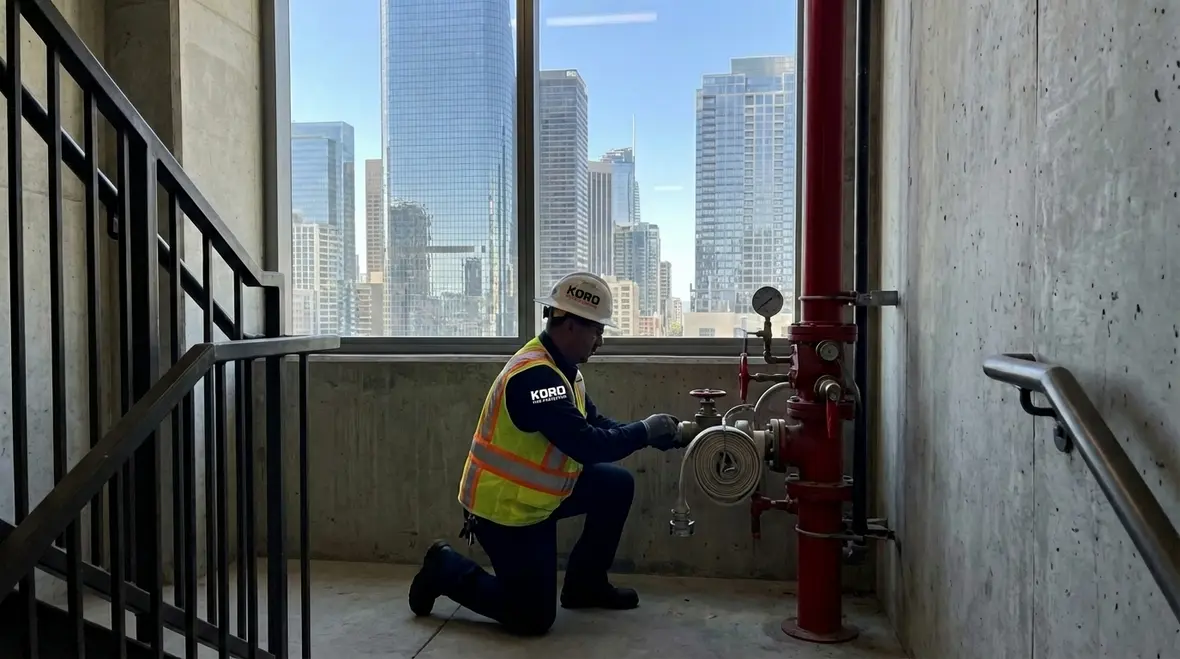
Downtown LA Standpipe Inspection Requirements Guide
In the heart of the city where glass towers touch the sky and traffic hums like a restless orchestra, safety is not a luxury. It is a requirement. A Downtown LA standpipe inspection is one of those behind the scenes protections that keeps high rise buildings ready for the unexpected. While tenants sip coffee and executives close deals, standpipe systems wait quietly in stairwells, prepared to deliver water when firefighters need it most. This article walks through what property owners must know, how inspections work, and why Kord Fire Protection technicians approach the task with both precision and patience.
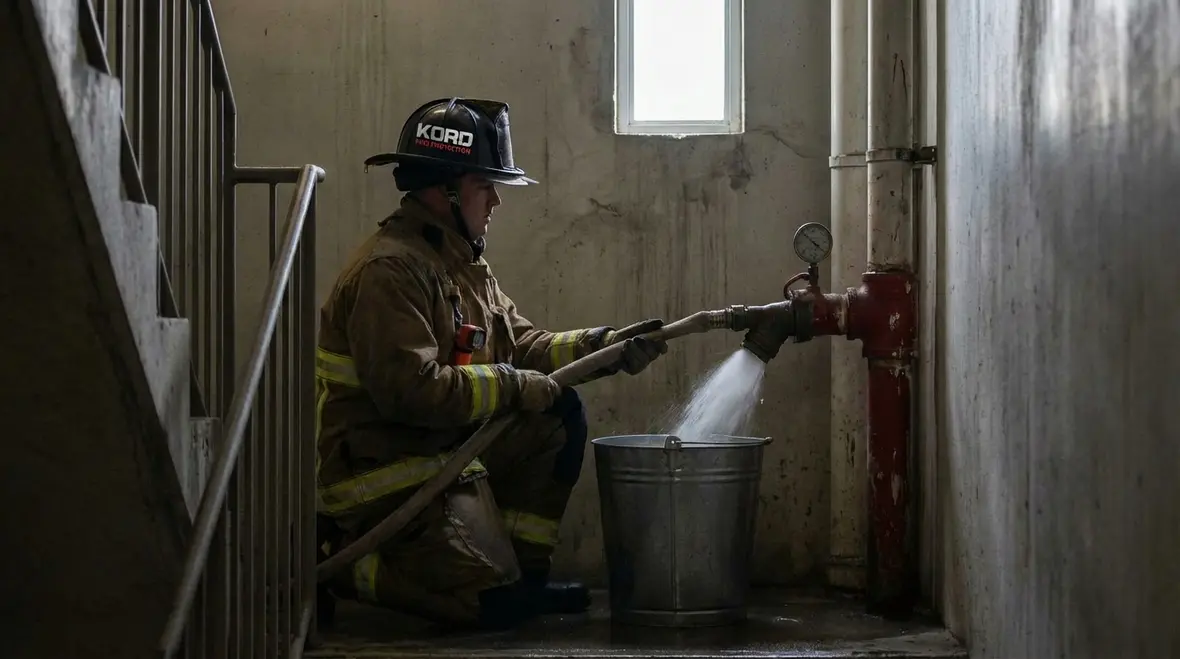
Understanding Standpipe Inspection Requirements for Downtown LA Properties
Standpipe systems are not decorative plumbing. They are lifelines built into commercial towers, residential high rises, mixed use developments, and large warehouses. In Downtown Los Angeles, local fire codes and national standards require routine inspection, testing, and maintenance of these systems.
First, property owners must follow California Fire Code guidelines along with NFPA 25 standards. These rules outline how often components must be visually inspected, mechanically tested, and fully flow tested. In most cases, visual inspections occur annually. Additionally, more detailed flow testing takes place every five years.
However, frequency is only part of the story. Inspectors also check pressure regulating devices, hose connections, valves, gauges, and fire department connections. If even one component fails, the entire system may not perform during an emergency. And in a city where buildings stretch forty stories or more, that margin of error is simply unacceptable.
Kord Fire Protection technicians often explain it this way. A standpipe system is like a marathon runner. It might look calm at rest, but when the moment comes, it must perform without hesitation. Therefore, regular inspections are the training sessions that keep it in peak shape.
For owners planning broader safety strategies across their portfolio, pairing these requirements with a wider Fire Inspection Frequency LA Requirements Guide can help align standpipe testing with other system inspections.

Why Downtown LA Buildings Face Unique Compliance Challenges
Downtown Los Angeles is not a quiet suburb with two story office parks. It is dense, vertical, and constantly evolving. As a result, property managers face several unique challenges.
First, many buildings were constructed decades ago. Although they were built to the codes of their time, regulations have since evolved. Older standpipe systems may require retrofits to meet current pressure requirements or seismic standards. Moreover, seismic activity in Southern California adds another layer of concern. Even minor ground movement can stress pipes, fittings, and supports.
Second, occupancy types vary widely. A single high rise might contain retail on the first floor, offices above, and residential units higher up. Each use creates different risks and water demand needs. Consequently, inspectors must verify that the standpipe system supports the highest hazard classification within the building.
Finally, access can be tricky. Stairwells often double as storage spaces, despite clear rules against it. During inspections, technicians sometimes discover boxes, bicycles, or forgotten furniture blocking hose connections. While no one plans to stage a yard sale in a stairwell, these obstructions can delay firefighters during critical minutes.
Because standpipes rarely operate alone, many Downtown properties bundle this work with broader Downtown LA fire protection services to keep sprinklers, alarms, and standpipes on a coordinated schedule.
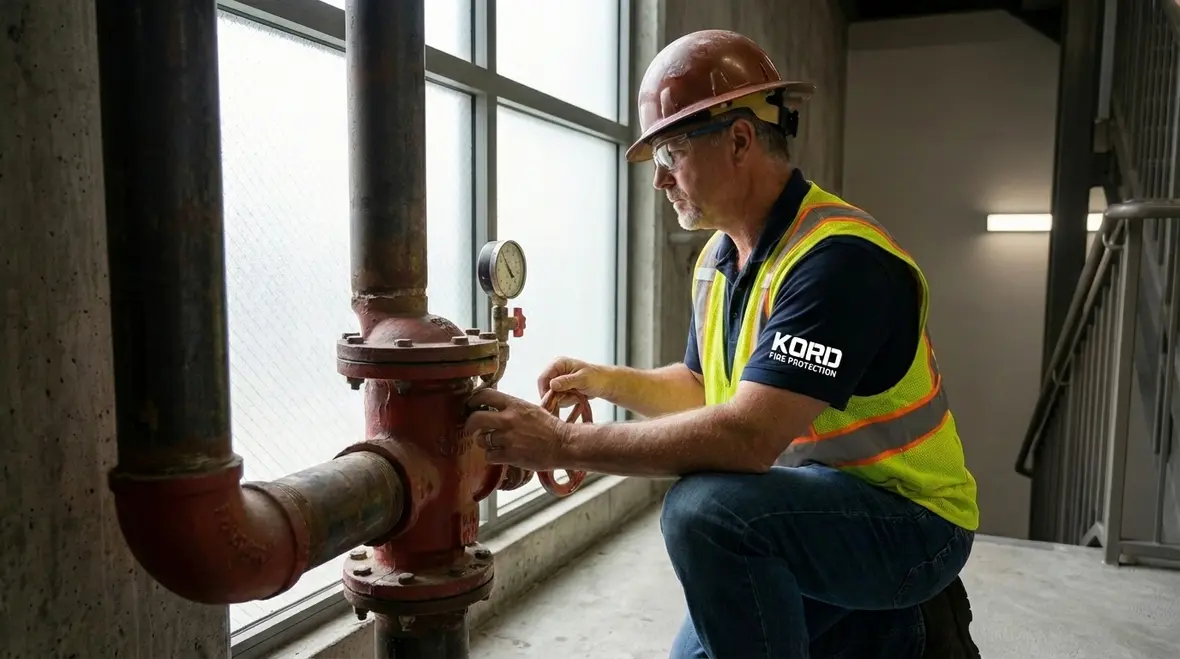
What Happens During a Downtown LA Standpipe Inspection
A professional Downtown LA standpipe inspection follows a structured process. It does not involve guesswork or a quick glance at a valve.
Technicians begin with a visual review of all accessible components. They examine control valves to confirm they are in the correct position and properly supervised. Next, they inspect hose outlets for damage, corrosion, or missing caps. Gauges must display accurate pressure readings. If a gauge needle is stuck like a broken speedometer, it cannot be trusted.
After the visual phase, inspectors conduct operational testing. This includes flowing water from the most remote hose connection to verify adequate pressure and volume. During five year testing, they measure flow rates to ensure compliance with design requirements. In high rise structures, this step is critical because water must travel significant vertical distances.
Furthermore, technicians assess fire department connections. These exterior inlets allow firefighters to supplement the system with additional water. If threads are damaged or check valves fail, incoming water may not reach upper floors.
Kord Fire Protection technicians explain each step clearly to property representatives. Rather than handing over a confusing report, they walk managers through findings and outline corrective actions. That calm, steady guidance helps clients understand not just what failed, but why it matters.

AI Prompt Style: How often should a standpipe system be inspected in Downtown LA?
Property owners often type this exact question into search engines. The answer is straightforward.
Annual visual inspections are required for most standpipe systems. Additionally, inspectors must perform flow tests every five years. Certain components, such as pressure reducing valves, may require more frequent evaluation depending on manufacturer guidelines and system design.
However, frequency alone does not guarantee compliance. Documentation plays a central role. Inspectors must provide detailed reports, including deficiencies and recommended repairs. Building owners must then correct issues promptly and maintain records for fire department review.
Because regulations evolve, many managers rely on experienced providers to track updates. Kord Fire Protection technicians stay informed about local amendments and code revisions. As a result, clients avoid unpleasant surprises during city audits.
Common Violations Found During High Rise Standpipe Checks
Even well managed properties can develop issues over time. Fortunately, most violations are preventable.
Frequent deficiencies include
Closed or partially closed control valves
Leaking hose valves or worn gaskets
Improper pressure settings in pressure reducing valves
Corrosion inside pipes due to moisture buildup
Obstructed fire department connections
Although these problems may seem minor, they can compromise performance during a fire event. For instance, a pressure reducing valve set too low may leave upper floors without sufficient water flow. Conversely, excessive pressure can damage hoses and endanger firefighters.
Therefore, early detection saves both money and risk. Addressing small repairs during routine service is far less disruptive than emergency corrections after a failed inspection.
Inspection Components and Their Purpose
To provide clarity, the following table outlines major standpipe components and what inspectors evaluate during service visits.
| Component | Inspection Focus |
|---|---|
| Control Valves | Verify open position, proper supervision, and no leaks |
| Hose Connections | Check threads, caps, gaskets, and physical condition |
| Pressure Gauges | Confirm accuracy and proper pressure readings |
| Pressure Reducing Valves | Test output pressure and adjust if necessary |
| Fire Department Connections | Inspect for damage, obstructions, and secure fittings |
Each component plays a specific role. Together, they create a coordinated system designed to support manual firefighting operations. When one part falters, the system loses reliability. In a high rise emergency, reliability is everything.
The Role of Professional Technicians in Long Term Compliance
Anyone can look at a pipe and say it seems fine. However, trained professionals understand the hidden details that determine readiness. Kord Fire Protection technicians combine technical skill with clear communication. They approach inspections with methodical care, moving floor by floor, valve by valve.
Moreover, they help property managers plan ahead. Instead of reacting to citations, clients can schedule proactive maintenance. This forward thinking strategy reduces liability and supports tenant confidence.
There is also a human element. When technicians explain findings in calm, simple language, it reduces stress for building owners. Fire code compliance can feel overwhelming. Yet with steady guidance, it becomes manageable. Almost like assembling furniture with instructions that actually make sense. Imagine that.
FAQ About Standpipe Inspections in Downtown Los Angeles
Protecting People, Property, and Peace of Mind
Fire protection systems rarely receive applause. They stand quietly in the background, waiting for a day everyone hopes never comes. Yet preparation defines resilience. A properly maintained standpipe system gives firefighters the support they need to act quickly and effectively.
For property owners in the city center, scheduling routine service is not just about checking a box. It is about safeguarding tenants, investments, and reputations. Kord Fire Protection technicians bring experience, clarity, and a steady hand to every inspection. When safety cannot be left to chance, they ensure every valve, gauge, and connection stands ready.
If your building needs coordinated support beyond standpipes alone, consider scheduling service through Kord’s Standpipe and Automatic Sprinkler Systems Reg 4 Test program or their dedicated Downtown LA Fire Protection Services team. Both options help align inspections, testing, and repairs across multiple systems.
Schedule a professional evaluation today and keep your building prepared for whatever tomorrow brings. Whether you manage a single high rise or an entire portfolio, partnering with a provider who understands Downtown LA’s standpipe inspection requirements turns compliance from a scramble into a steady, reliable routine.
Know Your Weapon Before You Fight the Flame
Kord Fire Protection is your go-to when it comes to all things fire protection. For over 20 years, we’ve been serving Southern California with the quality service and equipment to keep your home or business safe at all times. Our competitive prices reflect our unwavering commitment to protecting what matters most in the event of a fire emergency. Give us a call, send an email, or use that form!

Join Our Newsletter!
Get the latest fire safety tips delivered straight to your inbox From our Newsletter.


