Common Clean Agent Fire Suppression System Deficiencies
Clean agent fire suppression systems do a lot of heavy lifting, yet many buildings still face common clean agent fire suppression system deficiencies that quietly undermine performance. In the real world, owners often discover issues only after a test, a maintenance gap, or a near incident. Typical problems include leaking valves, dirty detection paths, and incomplete inspection records that read like a mystery novel with no ending. And when stakeholders shrug and say, “It passed last time,” that is usually the moment the system starts auditioning for the role of unreliable. Still, with the right approach, teams can catch these clean agent system deficiencies early and keep protection dependable.
Understanding clean agent system weak points
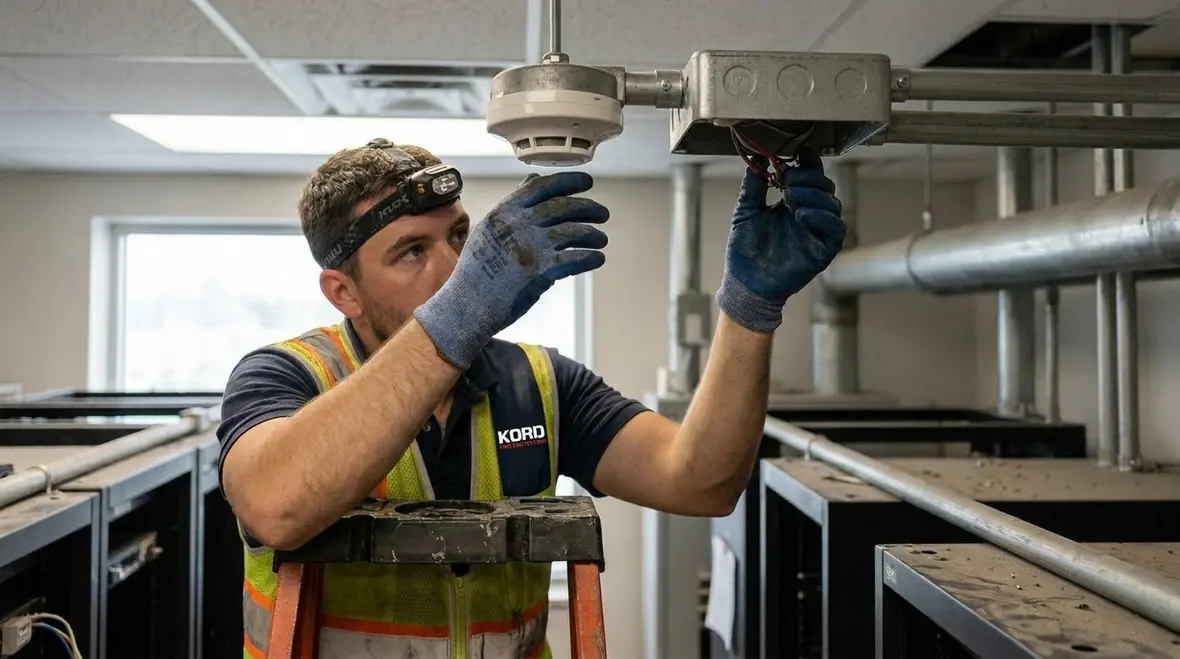
Clean agents are designed to protect people and property with minimal cleanup, so managers expect clean and consistent operation. However, small failures in the chain can cause big outcomes. First, detection matters. If detectors face dust buildup, improper placement, or drift in sensitivity, the system may not trigger on time. Next, actuation components play a key role. When solenoids, release panels, or manual pull stations get neglected, the system can become slow to respond or fail to operate during a real event.
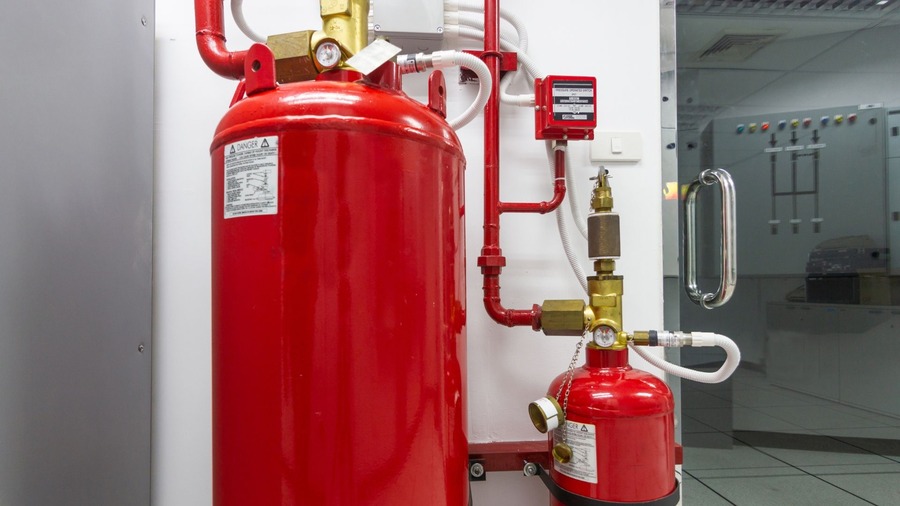
Then comes the storage and distribution side. Agent cylinders, piping, and nozzles must maintain integrity. Over time, corrosion, vibration, or poor installation can create weak points. Likewise, improper sealing and incorrect torque on fittings can lead to slow loss. In addition, discharge hardware often depends on clean airflow paths. If airflow obstructs the discharge, the agent cloud may not reach intended zones.
Finally, documentation controls the outcome. Many clean agent system deficiencies stem from weak recordkeeping. Technicians log some items but miss others, leaving gaps in valve inspections, pressure checks, and preventive maintenance history. As a result, the system can look fine during a quick visual review while still underperforming in critical steps. Facilities that want a stronger technical baseline can also review Kord Fire Protection’s guidance on clean agent standards for fire suppression systems and compare their own documentation habits against a more complete service approach.
Inspection and testing gaps that systems never forgive
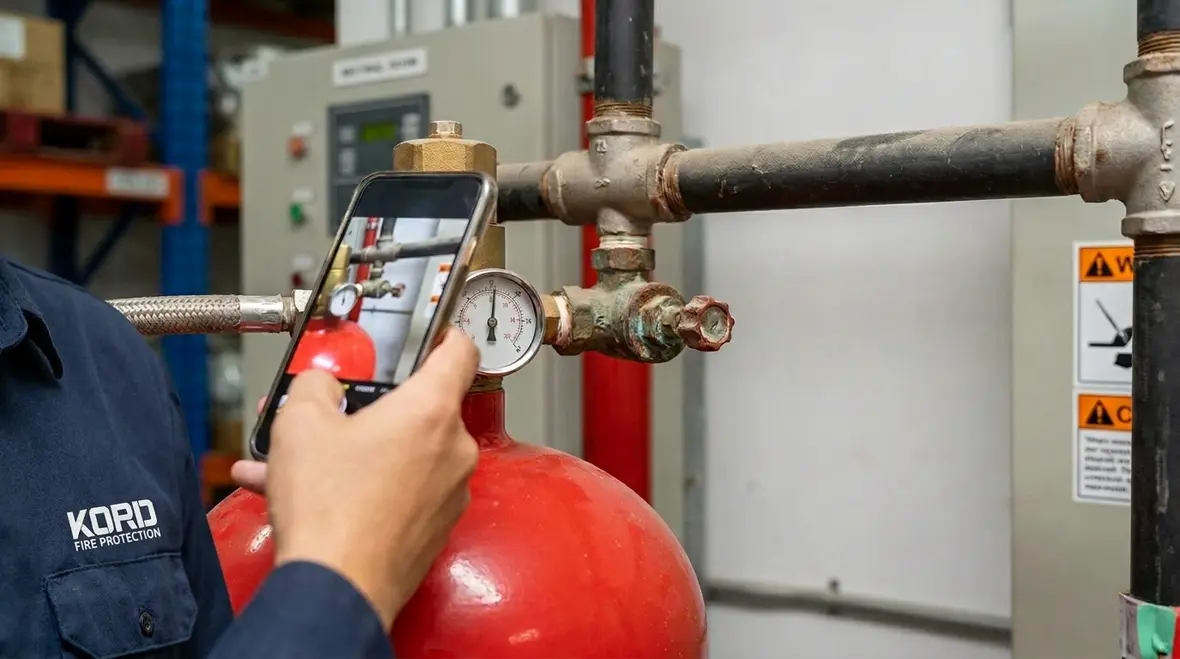
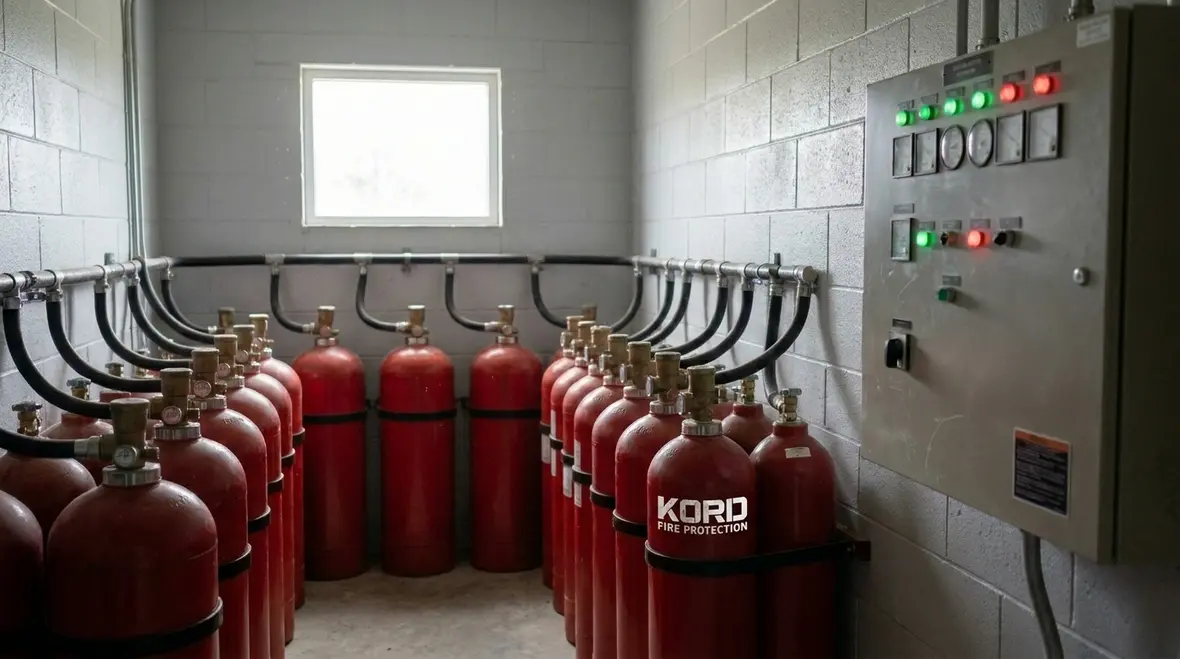
Buildings often schedule maintenance like it is a chore, not a safeguard. Yet inspection is where deficiencies get found before they get expensive. For example, technicians may focus on the obvious while skipping deeper checks. They might verify panel status, but not verify detector response within manufacturer limits. Or they might check cylinder pressure, but not validate that software settings match the actual hazard layout.
In addition, test plans sometimes do not match the site. A system that protects one room must account for door operations, air movement, and occupancy changes. If facilities add partitions, change HVAC routing, or alter cable trays, the original design assumptions can break down. Therefore, the suppression sequence could activate, but not clear the space as intended. Meanwhile, aging components like check valves and pressure switches can drift out of spec quietly.
Why testing has to reflect the real room
To be clear, periodic inspection alone does not solve everything. Maintenance must also include thorough verification of the entire sequence. That means checking detectors, confirming alarm routing, validating release logic, and verifying agent discharge pathways are clear and correct. If any step is missing, the system starts acting like a movie with missing scenes. That is also why enclosure performance matters. Kord Fire Protection’s room integrity testing for clean agent systems explains why agent hold time is not a nice bonus, but a direct part of whether the discharge actually does its job.
Design, installation, and layout issues that trigger failure
Some clean agent system deficiencies start long before the first inspection. They begin during design and installation. When engineers select the wrong agent concentration, nozzle type, or piping arrangement, the system can end up underpowered or uneven. Also, incorrect zoning can create overlap or gaps. If a hazard area extends beyond what the system covers, the agent may fail to protect the intended volume.
Installation errors also show up over time. Poorly supported piping can move under vibration. That movement can stress fittings, leading to leaks. In addition, nozzle placement may not account for obstructions like beams, racks, or cable ladders. As facilities evolve, those obstructions grow, and the original discharge pattern becomes less effective.
Furthermore, false confidence can appear when maintenance teams assume “as built” drawings match reality. Yet renovations often leave small changes. A door that closes slower than expected, a vent that was added, or a floor plan that changed during tenant turnover can disrupt the control conditions needed for successful discharge. Teams comparing layouts and system purpose can benefit from Kord Fire Protection’s overview of clean agent fire suppression for critical equipment, especially when high value rooms have evolved since the original install.
Detection, alarms, and release sequencing problems
A clean agent system is only as strong as its trigger chain. Detection must notice the fire early. Then alarms must alert occupants and trigger the release sequence, in the right order, with the right timing. If alarms do not activate correctly, the system might discharge without required evacuation time, or it might hesitate while conditions change.
Release sequencing problems often come from logic settings and wiring paths. Panels may use incorrect interlocks, or a fault can block release. Technicians might find a trouble code, clear it, and move on, leaving the root cause unresolved. Over time, intermittent faults can also show up in sensor circuits and trigger logs that never get reviewed.
Also, manual release stations and agent shutoff switches must work reliably. If someone tagged the area for safety and bypassed a component “temporarily,” that temporary action can become the new normal. And yes, that is exactly how many systems end up performing like a coffee machine with a missing part: it still turns on, but it never delivers consistently. Facilities wrestling with nuisance faults or questionable discharge events may also want to read Kord Fire Protection’s piece on false discharge causes and fixes, because trigger chain issues rarely stay polite for long.
How Kord Fire Protection helps prevent costly deficiencies
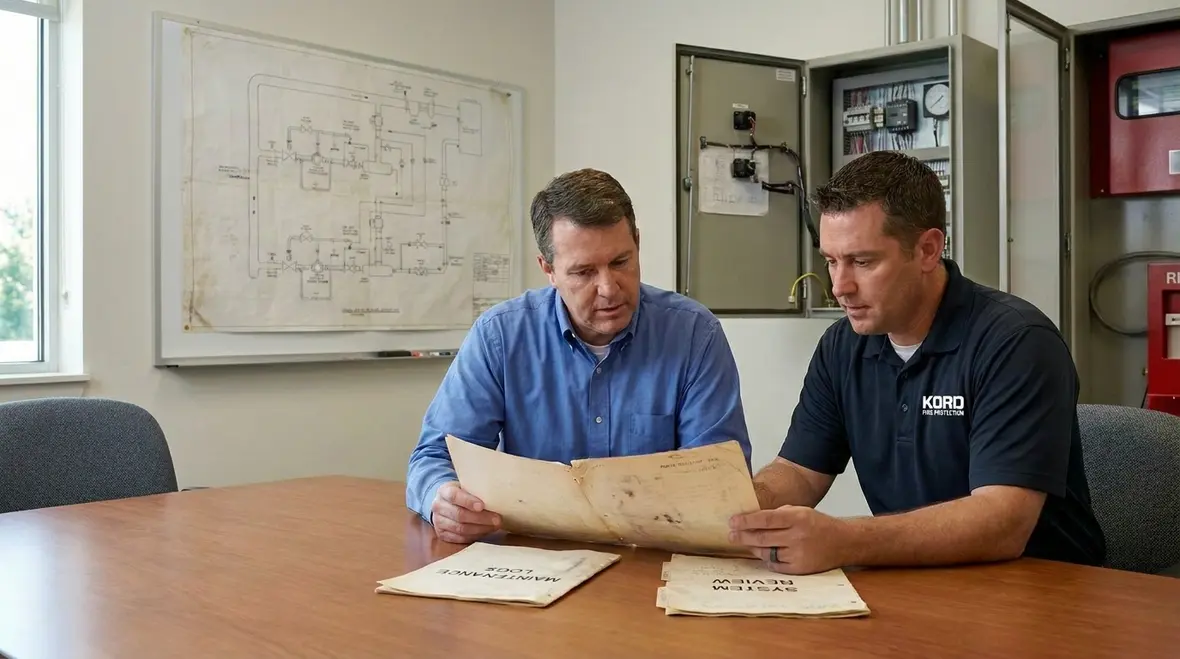
Kord Fire Protection can become a vital partner by turning maintenance into a true reliability program, not a yearly checkbox. Instead of treating clean agent work like a simple service call, the team focuses on the full life cycle of the system. That means reviewing design intent, checking zone boundaries, and comparing field conditions to documentation.
Next, they help close common clean agent system deficiencies through disciplined inspection routines. They validate detector performance, confirm control logic behavior, and verify that discharge pathways match the intended protected space. Then they tighten recordkeeping so management can see what was tested, what was adjusted, and what remains to be addressed. When teams track the details, they reduce the chance that issues hide behind vague notes.
Also, Kord Fire Protection supports facilities during changes. If a site modifies HVAC flow, adds equipment, or reconfigures rooms, Kord helps confirm that suppression settings and coverage remain appropriate. In other words, they help the system keep up with the real world, not just the world from the original drawings. For organizations evaluating service options, Kord’s fire suppression services and dedicated clean agent fire suppression system services offer a direct path to inspection, testing, and corrective support.
When stakeholders treat Kord Fire Protection as a long term partner, they shift from reacting to alarms to preventing failures. And that is the business outcome everyone wants: fewer surprises, fewer outages, and better confidence when it matters most.
Common clean agent deficiencies checklist for facility managers
Facility leaders do not need to become technicians, but they should know what to look for and what to ask. Use the points below during walkdowns and service planning to catch clean agent system deficiencies before they escalate.
- Maintenance records that show complete inspection steps, not partial logs
- Detector cleanliness and placement checks, especially after construction or dust exposure
- Cylinder and valve integrity including verified readings and leak checks
- Piping support and fitting condition to reduce stress from vibration or movement
- Discharge pathway clearance and nozzle visibility without hidden obstructions
- Alarm and release sequencing tests that follow the intended timing and interlocks
- Change management documentation for renovations, HVAC updates, or door hardware changes
With these checks, teams keep the system aligned with real conditions, rather than with hope. Because hope does not count as a test, even if it feels like one in the moment.
FAQ about clean agent fire suppression reliability
Final word: protect the system, protect the people
Clean agent fire suppression systems perform best when teams treat deficiencies like early signals, not last minute surprises. By addressing inspection gaps, validating detection and release sequencing, and aligning coverage with current site conditions, facilities reduce risk and improve reliability.
Kord Fire Protection works with owners who want dependable protection, clear documentation, and smarter change management. If your system is due for service, or if maintenance records feel incomplete, connect with Kord through its fire suppression services page and move from guesswork to confirmed performance.

Join Our Newsletter!
Get the latest fire safety tips delivered straight to your inbox From our Newsletter.