Commercial Standpipe Pressure Regulation Tips for Stability
Quick Answer: Commercial standpipe systems need steady, predictable water pressure to protect life and property. First, apply standpipe pressure regulation tips such as setting target PSI ranges, verifying pressure at the correct valves, and balancing demand across floors. Next, test performance using flow measurements and adjust regulators before inspections. Finally, partner with a trusted fire protection team like Kord Fire Protection for ongoing reliability.
In commercial buildings, standpipes work like the reliable supporting actor in a blockbuster: always there, never flashy, and absolutely essential when the plot turns serious. To optimize water pressure, facilities teams should start with practical standpipe pressure regulation tips early in design or during refurbishment. That means confirming required pressures at outlets under real flow, selecting the right regulator type and sizing, and measuring with proper test fittings instead of guessing. Then, they can correct issues before commissioning, instead of during the fun part of an audit. Because nothing says “great day” like chasing a pressure problem while everyone watches the gauges.
Near the start of any improvement plan, it also helps to connect standpipe performance with broader life safety coordination. Kord Fire Protection supports commercial properties with standpipe system services, and many facilities also pair this work with fire alarm service so system notification and water delivery stay aligned during emergencies.
Why commercial standpipe pressure swings happen
Third person observations usually show the same pattern: pressure looks fine on paper, then changes during operation. In practice, pressure swings come from demand spikes, aging pipework, incorrectly installed regulators, or supply conditions that vary by time of day. For industrial sites, equipment cycles can alter pump behavior. For retail centers, tenant fit outs can change internal hydraulics even if the standpipe system stayed “unchanged.”
To manage this, facilities teams should map pressure loss through the whole path: water source, mains, risers, floors, hose valves, and any fittings. Then they should compare predicted loss with measured loss. If the measured pressure is low at the most demanding point, the system does not deliver what it needs during a worst case event. If it is high, components can wear faster, and the discharge experience can become unsafe. Either way, the building pays the price, and it is rarely a small one.
What usually changes first
Usually, the first clue is inconsistency. One outlet performs beautifully, another feels weak, and a regulator that behaved last quarter suddenly acts like it has developed a personality. Static readings may still look acceptable, which is why relying on no-flow measurements alone can give teams false confidence. The system needs to prove itself when water is actually moving.
How to define the right target pressure and flow
Optimizing water pressure starts with clarity on requirements. The “right” pressure depends on the system’s intended discharge performance and the hydraulic design used by the fire engineer. Therefore, a team should define the target pressure at specific locations, not just at the pump room. They must also confirm flow rates for the most demanding outlets.
Standpipe systems often need consistent performance at the upper levels and at the farthest points from the source. So, instead of measuring only near the pump, the team should test at representative high and remote locations. Then they should verify the regulator keeps pressure stable while flow increases. If the pressure regulator cannot maintain the setpoint under varying demand, it will “hunt” or drift. That creates uneven protection when time matters most.
Once targets are clear, teams can build a simple baseline: static pressure, residual pressure during flow, and the regulator response curve. From there, they can set adjustment limits so technicians do not turn a controlled system into a guessing game.
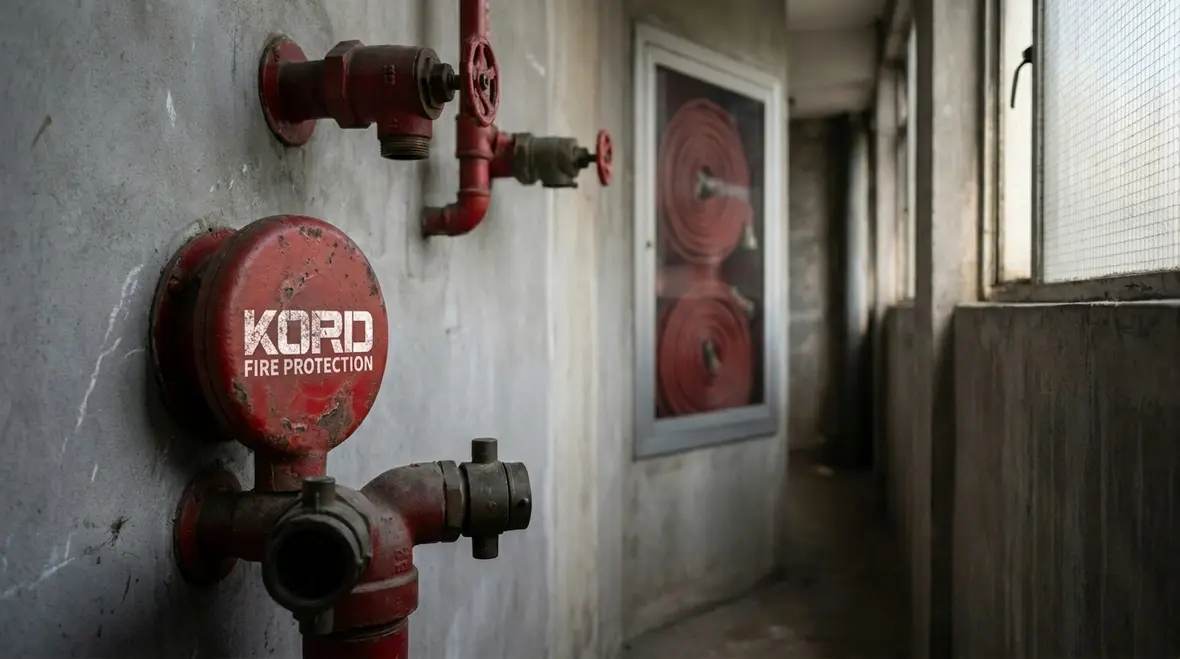
Standpipe pressure regulation tips for better stability
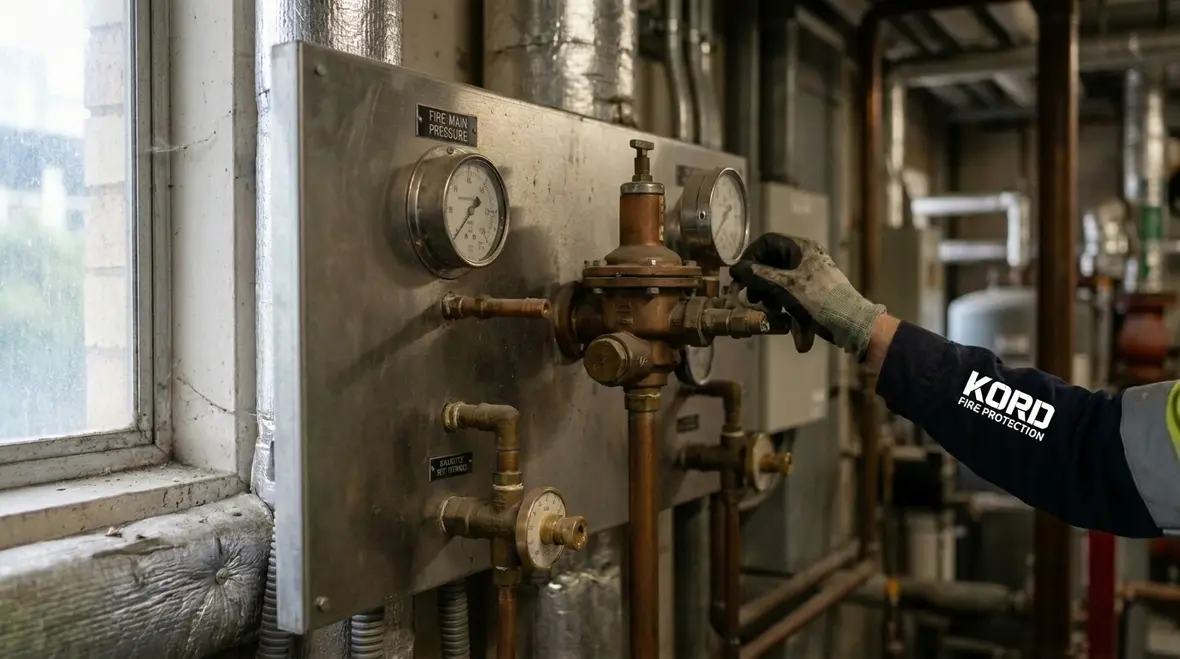
To improve stability, facilities teams should use regulator and control strategies that reduce variability. First, they should ensure correct sizing of the pressure reducing equipment and that the installation matches the designed flow direction. Then they should check strainers for blockage and confirm bypass arrangements, if used, do not undermine control.
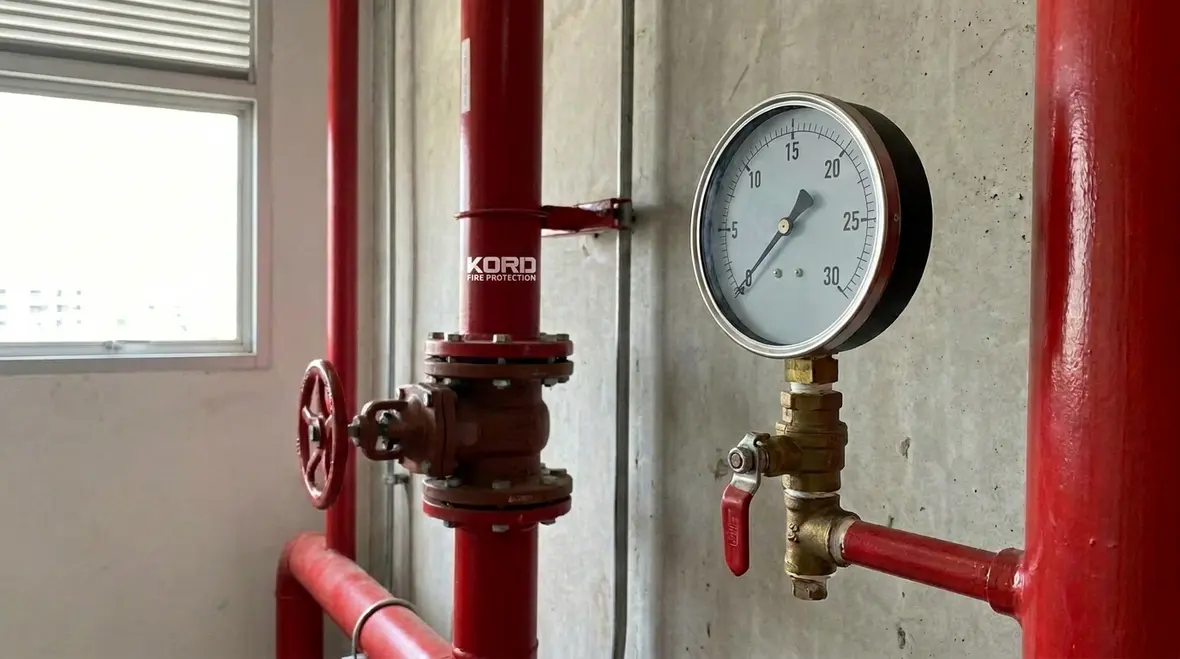
Next, they should implement standpipe pressure regulation tips that focus on measurement discipline. Technicians must use correct test points and calibrated gauges. They should also avoid quick “rule of thumb” adjustments and instead tune the system based on observed residual pressure during flow. If the regulator shows delayed response, it may need maintenance, recalibration, or replacement due to wear.
Finally, the team should manage conditions that affect regulator performance. Temperature, pipe vibration, and water quality can all influence operation. Therefore, scheduled inspection becomes a key part of keeping the system dependable year after year, not just at commissioning time. Because fire protection should work like a good checklist: boring, thorough, and ready.
Smart adjustment habits that save headaches
The best tuning work tends to be boring in the best possible way. Change one variable, record the result, confirm the response, and repeat only if needed. Rapid adjustments without documentation often create a mystery for the next technician, and mystery is not a feature anyone wants in a fire protection system.
Testing methods that reveal real pressure performance
Good testing does not just check if pressure exists. It checks whether pressure holds up under flow. A team should run performance tests at representative floors and outlet points, and they should log results in a way that makes comparisons easy over time. Then, they can spot patterns like regulator drift, pump aging effects, or changes caused by system alterations.
- Residual pressure at critical outlets while flowing at planned rates
- Time to reach stable pressure after flow starts
- Pressure loss trends across risers and hose valve assemblies
- Regulator cycling behavior that can indicate wrong settings or undersized control
After testing, the team should compare results to the baseline. If pressure falls below target during peak conditions, the system may need hydraulic balancing or regulator adjustment. If pressure rises above target, it may indicate setpoint misconfiguration or control instability. These findings should lead to corrective actions, not just a report that sits politely in a folder.
Common design and maintenance mistakes in commercial buildings
Many pressure issues come from small changes that snowball. A contractor replaces a valve with a similar model that has different flow characteristics. A new tenant adds piping downstream of an interface. A regulator gets swapped during maintenance with a part that looks “close enough.” Then the standpipe system becomes the thing everyone blames, even though it was set up for a different world.
Maintenance mistakes also show up. Blocked strainers reduce flow and change regulator behavior. Worn diaphragms affect setpoint control. Corroded pipe sections increase friction loss, especially in older buildings. The same equipment can perform differently from one site to the next depending on dust, water chemistry, usage patterns, and how carefully prior service work was documented.
To prevent repeat problems, teams should keep a tight change control process. They should document any parts swaps, regulator settings, and test outcomes. Then, they should align maintenance intervals with system usage and inspection findings. The goal is simple: keep pressure predictable, not just “acceptable most days.”
Why Kord Fire Protection becomes a vital partner
Fire protection does not stop at install day. Therefore, commercial sites benefit when a partner brings both technical skill and practical accountability. Kord Fire Protection can become a vital partner with standpipe pressure optimization work by supporting pressure regulation, commissioning support, and ongoing inspection planning. They help teams move from reactive fixes to a controlled program that improves reliability over time.
In other words, Kord Fire Protection can help facilities teams treat the standpipe system like mission critical infrastructure, not a box checked once a year. That includes helping verify regulator performance, coordinating testing, and advising on corrective actions based on measured data. And yes, when the system behaves, people stop complaining in the way that sounds like a sitcom argument. The building runs smoother, and the compliance story gets stronger.
For teams looking to centralize vendor coordination, Kord also offers full fire protection services that can help align standpipe upkeep with inspections, repairs, and broader compliance planning across the property.
Operational strategies for facilities teams
Once the pressure targets and regulation settings are confirmed, facilities can protect performance through day to day discipline. They should train maintenance staff to recognize early signs of pressure instability, such as unusual regulator cycling sounds, inconsistent outlet performance during drills, or repeated minor adjustment requests. Then they should ensure test points remain accessible and labels stay readable.
They should also align pump schedules and control logic with standpipe system needs. For industrial and retail operations, load patterns change through the week. If pumps or supply controls swing significantly, they can push the standpipe regulator outside its stable band. Therefore, coordination between the fire protection scope and building services becomes important.
Finally, facilities should create a routine review cycle. They can compare test results against baseline and document the “why” behind changes. This approach helps across multiple sites, especially where staffing and service contractors differ. Consistency matters, and pressure stability is a measurable outcome, not a hope.
FAQ
Conclusion and call to action
Optimizing water pressure in commercial standpipe systems takes measurement discipline, correct regulation, and testing that reflects real flow conditions. When teams apply standpipe pressure regulation tips, they prevent pressure swings and improve predictable performance during emergencies. A stable system is easier to maintain, easier to inspect, and much less likely to surprise everyone at exactly the wrong moment.
Kord Fire Protection can support facilities with technical service, testing coordination, and ongoing reliability planning. If results do not match the baseline or the system feels inconsistent, now is the time to involve a vital partner. Explore standpipe system support or learn more about fire alarm services to strengthen overall building readiness.

Join Our Newsletter!
Get the latest fire safety tips delivered straight to your inbox From our Newsletter.