Sprinkler System Freeze Protection in Australia: Prevent Frozen Lines
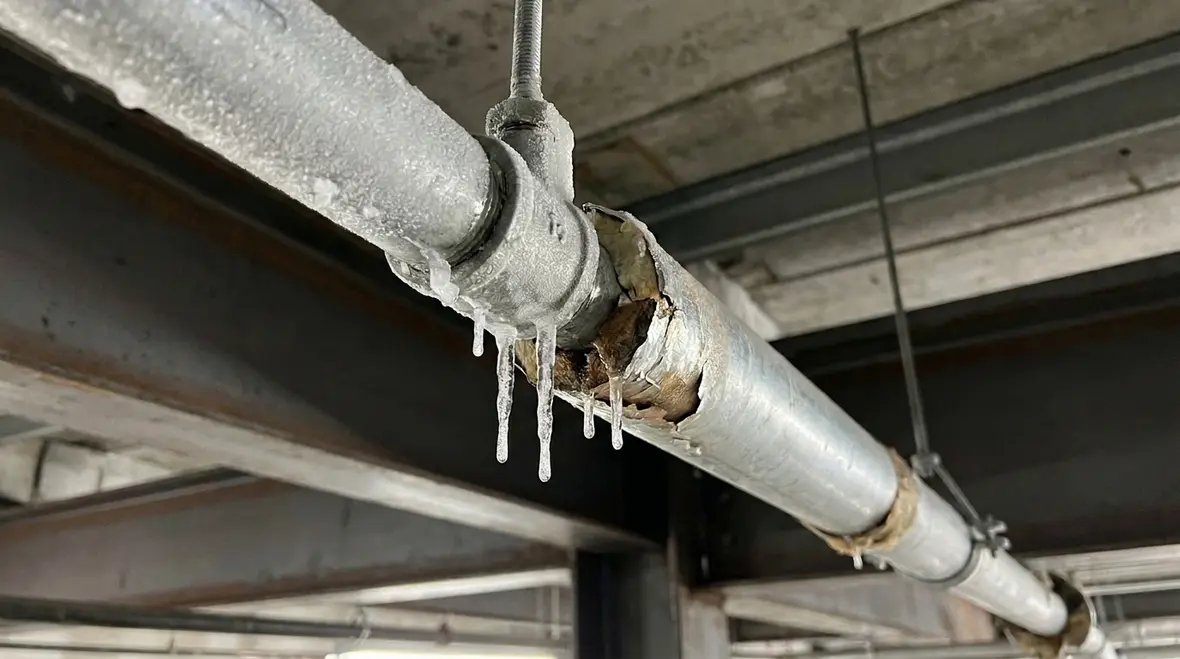
Quick Answer: Frozen sprinkler lines happen when water stays in pipe sections that drop below freezing. The most reliable prevention uses insulation, heat tracing, controlled drain downs, and regular testing. Facilities also benefit from a partner that documents risks and maintains systems year-round, and Kord Fire Protection can handle that end-to-end.
In Australia, facilities across industrial, retail, and commercial sites face a familiar seasonal threat: cold weather that turns fire sprinklers into stubborn ice pipes. With our sprinkler system freeze protection, sites reduce the chance that water will not flow when it matters most. And yes, fire systems must work when everything else is panicking. The goal is simple: keep water moving and keep temperatures above freezing where they cannot be relied on. Then, once prevention is in place, teams should test, log, and refine the approach as the site changes.
For facilities that want broader support beyond winter planning alone, Kord Fire Protection also offers full fire protection services that help align sprinklers, alarms, extinguishers, and ongoing compliance in one practical program. Near the same part of that readiness picture, sites reviewing response coordination may also want to look at fire alarm service systems so notifications and suppression planning stay in sync.
Identify where freezing really starts on site
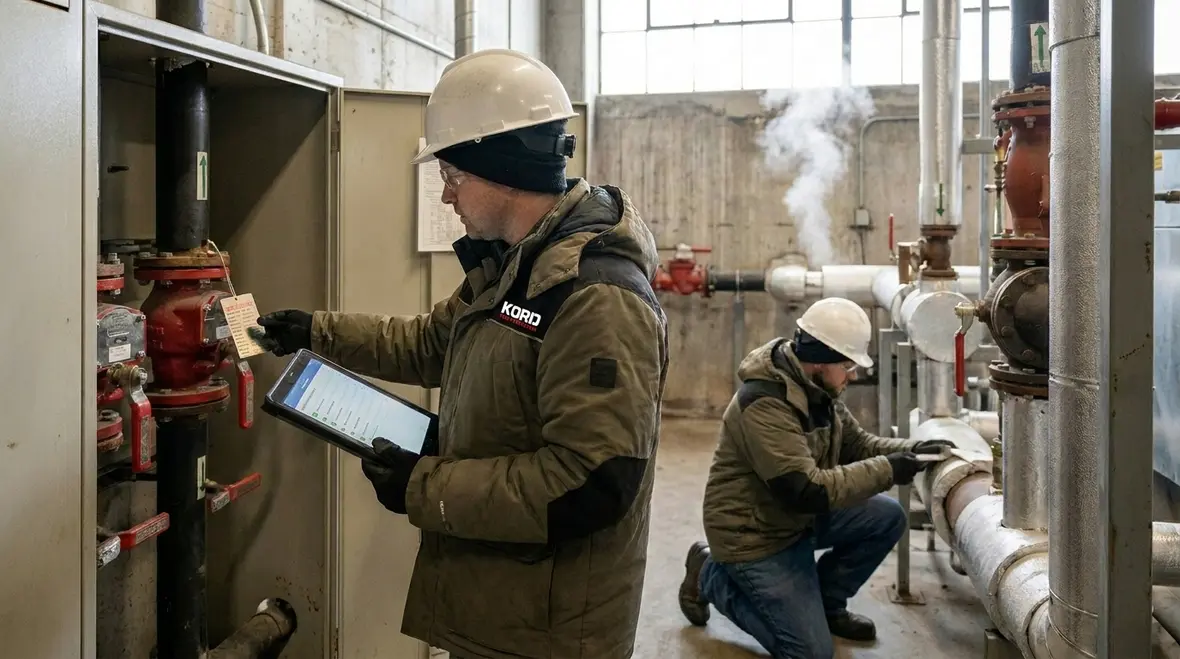
Freezing does not happen everywhere at once. It typically begins in areas with stagnant water, poor insulation, or exposure to drafts. A site review should map the full route of mains, branch lines, and drop pipes. Then that review should focus on locations where pipes run through roof voids, unheated corridors, dock areas, plant rooms, and external walls. Since water freezes from the outside in, cold air infiltration matters as much as the outdoor temperature.
Facilities also need to check for conditions that trap air and slow drainage, such as long pipe runs with low pitch, closed valves that limit flow, and sections that do not receive regular movement. Contractors should also consider seasonal wind patterns, ceiling airflow, and the effect of operating schedules. A plant that shuts down overnight may cool faster than the building does during normal work hours. In that case, prevention plans should align with the site’s actual temperature cycle, not just the weather report.
What a proper freeze-risk walkthrough should catch
A useful walkthrough should do more than point at the obvious cold spots. It should identify hidden transitions where warm interior zones suddenly meet exposed sections, where maintenance access is poor, or where renovations quietly changed the temperature profile around the pipe. Those little shifts are often where trouble begins. Nobody throws a party for a roof void, but it can still become the most dramatic part of the building in winter.
Use design and installation choices that keep water above freezing
Prevention starts before the first winter. So when a facility installs new lines or modifies an existing layout, it should use freeze-resistant design principles. First, sprinkler line routing should minimise runs through unconditioned spaces. Second, insulation should match pipe size and system needs. Third, heat tracing can provide an active layer of protection in critical segments, especially where insulation alone may not hold up.
However, design is only half the story. Proper installation details matter too. That includes correct spacing, secure pipe supports, and avoiding gaps that let cold air reach the steel. It also includes ensuring that cable routing for heat tracing stays protected from mechanical damage. If the heat tracing control system relies on sensors, the sensors should be placed where they actually measure pipe risk, not where they just look convenient on a ladder. Because convenience is great for coffee breaks, not for sprinkler system freeze protection.
Why details decide whether a system copes or cracks
Facilities sometimes assume that once insulation is wrapped and heat tracing is installed, the problem is solved forever. It would be nice if pipes respected optimism that much. In reality, gaps, poor fastening, damaged cladding, or badly located sensors can undo the whole strategy. Good design gives the system a chance. Good installation gives it a fighting chance.
Control water movement with drainage and isolation procedures
Some systems use drainage or isolation to reduce the time water spends in vulnerable sections. This approach can work well when the facility can perform controlled operations consistently. The plan should define which valves isolate which zones, how to confirm the line is drained, and how to verify that air does not interfere with refilling when needed.
Next, teams must train responsible personnel and keep procedures easy to follow during busy periods. After all, nobody wants a best guess workflow when the alarms are already loud. Procedures should also match the site’s layout so that staff can reach valve points safely without disrupting other operations.
To reduce mistakes, the best operations include checklists, clear labelling, and documentation that matches the as-built drawings. And if the facility updates equipment or reroutes piping later, procedures should be reviewed again. Otherwise, the plan works beautifully until someone changes a walkway and valve access becomes a game of industrial hide and seek.
Plan for cold snaps with monitoring, set points, and response time
Cold snaps compress decision-making time. Prevention should include monitoring that triggers action early enough to prevent ice formation. Facilities can use temperature sensors near exposed piping routes and link them to alarm notifications. Then response teams can verify heat tracing operation, check for unexpected shutdowns, and confirm that control logic uses appropriate set points.
Moving from we hope it holds to we measure and respond reduces risk. For example, if a facility experiences frequent nighttime drops, the plan should not wait for the outdoor temperature to hit an absolute low. Instead, it should watch the local pipe corridor temperature where freezing begins.
Response time also matters. A monitoring system without a defined escalation path turns into an expensive spectator. The facility should define who gets notified, how quickly they must reach site, and what checks they must complete. For many teams, that is where a partner becomes valuable, since they already know how to assess sprinkler system freeze protection performance without turning it into a guessing contest.
Set points are only useful if someone owns the response
A flashing alert is not a winter strategy. Someone needs to know what the threshold means, what is likely causing it, and what actions come next. Clear escalation turns a sensor from a noisy bystander into part of the protection plan. Without that, the building is technically informed and practically unprepared, which is a very awkward combination.
Maintain the system so it keeps protecting, not just passing inspections
Maintenance protects credibility. And in fire protection, it looked fine does not satisfy risk management. Facilities should schedule periodic testing of components related to freeze prevention. That includes verifying heat tracing continuity where installed, checking control panels, confirming insulation condition, and examining valve operation and labelling.
Teams should also inspect for changes that quietly raise freezing risk. Common examples include blocked air vents, new equipment placed near pipe runs, modifications to ceilings, or renovations that reduce airflow around exposed sections. Facilities should also ensure that any water supply changes do not alter pressure or flow in ways that affect how quickly vulnerable sections become active during an event.
Records matter too. When Kord Fire Protection supports the service, the documentation becomes part of the facility’s safety story. They can help track system checks, recommend upgrades where risk increases, and keep teams aligned on what ready actually means. That long-view approach also fits naturally with Kord Fire Protection’s guidance on the full lifecycle of fire protection servicing, where design, maintenance, testing, and updates all work together instead of drifting apart.
How Kord Fire Protection becomes a vital partner
Freeze prevention is not a one-time project. It needs planning, technical understanding, and steady follow-through across industrial, retail, and commercial environments. Kord Fire Protection can become a vital partner by helping facilities connect design intent with real-world operation. That means more than just servicing equipment. It involves reviewing system layouts, assessing exposed segments, and coordinating solutions that match how the building operates.
Additionally, Kord Fire Protection helps teams keep systems compliant and reliable through structured maintenance. As a result, facilities avoid the common trap of treating freeze issues like a seasonal surprise. Instead, they build a program that anticipates winter conditions. And yes, that beats discovering a frozen section after a cold snap, the way some people discover their car keys are inside the house. That is funny for about ten seconds. Then it gets expensive.
When Kord Fire Protection partners with the site, it also supports better internal readiness. Teams get clear guidance on what to check, when to check it, and how to document outcomes. That reduces delays during audits and improves confidence during emergencies.
Common mistakes that lead to frozen sprinkler lines
Facilities often repeat the same errors year after year, which is a weird tradition considering the stakes. First, they under-insulate exposed pipe sections or use insulation that becomes compromised during renovations. Second, they install heat tracing without confirming sensor placement and control settings. Third, they rely on drainage procedures that staff do not practice, leading to incomplete isolation.
Next, some teams skip ongoing inspections because the system passed last year. Yet weather patterns change, and so do buildings. A new loading bay door, a recently sealed roof vent, or updated HVAC scheduling can all shift where cold air collects. Therefore, freeze prevention programs must include periodic re-validation, not just calendar-based service.
Finally, documentation gaps create hidden risk. If drawings do not match current pipe routing, prevention strategies may not cover the real vulnerable sections. Then a freeze protection approach becomes a theory instead of a safeguard. Kord Fire Protection can help bridge that gap by aligning what exists on site with what the safety plan assumes.
FAQ
Ready to reduce winter risk in every zone?
Frozen lines are preventable, but only when prevention stays active all year. Kord Fire Protection can review exposed piping routes, support sprinkler system freeze protection with proven maintenance, and help your team document readiness for audits and emergencies. If this winter could be your calmest one yet, contact Kord Fire Protection today and lock in a plan that protects people, assets, and uptime.
- Review exposed piping routes before winter conditions arrive
- Verify insulation, heat tracing, and monitoring performance
- Keep drainage and isolation procedures current and practiced
- Document inspections, changes, and corrective actions clearly
- Coordinate sprinklers and alarms for faster response readiness

Join Our Newsletter!
Get the latest fire safety tips delivered straight to your inbox From our Newsletter.