Fire System Fail Safe Design for Reliable Pathways
Quick Answer
A fail safe electrical pathway keeps fire protection systems working when something goes wrong, like a cut, fault, or control power loss. It uses protected routing, monitored circuits, and smart zoning so detection, alarm, and suppression stay reliable. Kord Fire Protection can partner as a vital team member for design support, install, and ongoing compliance across Australia.
In commercial and industrial facilities, fire protection can’t rely on luck or wishful thinking. That is why a well-planned Fire System Fail-Safe Design sits at the center of modern life safety and downtime reduction. Early in the project, engineers map how power and signals travel, then they protect those pathways against heat, smoke, water, and human error. And yes, human error still shows up, even when people swear they “totally followed the checklist.”
Once the pathways exist, the rest becomes easier: the system detects, communicates, and acts with control you can trust. Near the start of planning, many teams also benefit from aligning the pathway strategy with Kord Fire Protection’s fire alarm service systems support so installation, testing, and long term readiness are connected from the beginning. Kord Fire Protection can become a vital partner with this service job by coordinating practical design expectations with installation realities, commissioning, and service planning. In other words, the paper plan meets the real world, and the building stays protected.
1. What a fail safe electrical pathway really protects
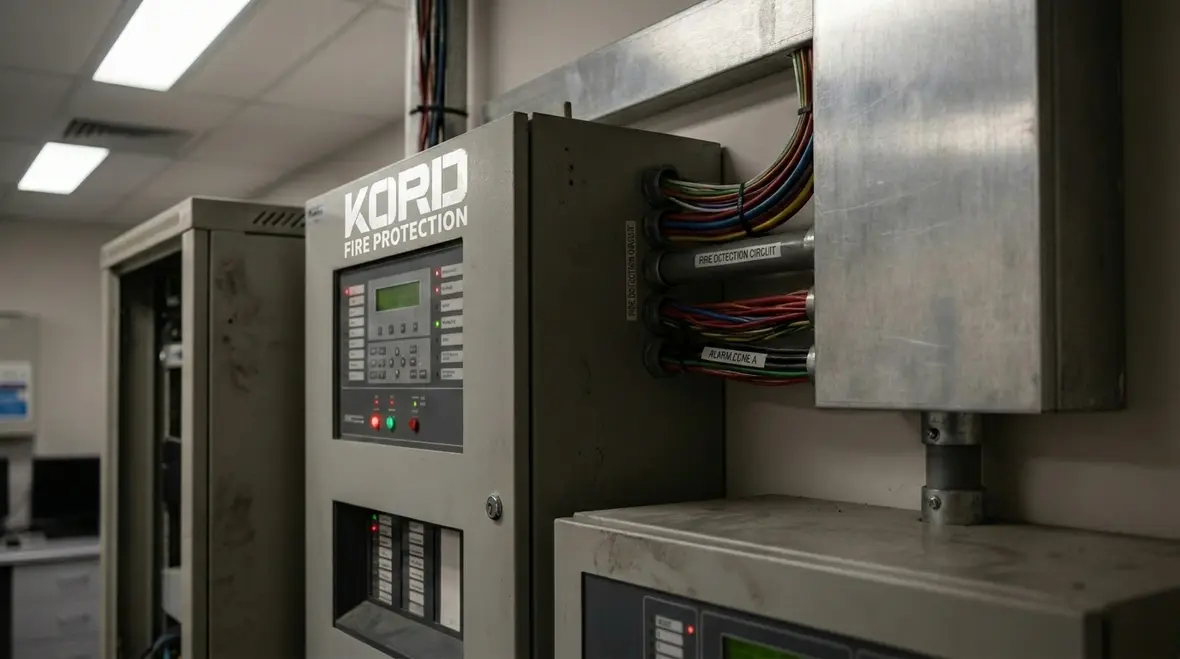
A fail safe electrical pathway protects the function of fire detection and protective actions under the kinds of failures that happen on site. These include open circuits, short circuits, ground faults, mechanical damage, and loss of control power. Instead of allowing a single problem to silence the whole system, the pathway architecture maintains operation in the affected area while keeping the rest of the system alert.
To do this, engineers focus on circuit behavior and system response. They specify how signals route through panels, field devices, and interconnections. Then they define what happens if wiring breaks, if a device fails, or if a relay loses power. Consequently, the system can still initiate alarms, signal to monitoring, and trigger protective outputs without waiting for a full restart.
In practice, this approach reduces “dead zones” and limits the domino effect. And if you are wondering whether domino effects happen during fires, the answer is yes, they do. The only surprise should be how calmly the team can respond.
Why this matters beyond the panel
A reliable pathway is not just about the panel staying awake. It is about preserving the chain of decisions the system must make in seconds. Detection has to reach control equipment, control equipment has to notify occupants and monitoring, and protective actions have to happen in the right order. If one part of that chain vanishes because a cable was poorly routed or a fault was never supervised, the entire response can slow down at exactly the wrong moment.
2. Fire System Fail-Safe Design principles for routing and segregation
The Fire System Fail-Safe Design approach starts with routing discipline. Engineers create protected routes for power and signaling conductors, then they separate fire system wiring from other building services where risk exists. When pathways share spaces with heavy power, motor feeds, or noisy control cabling, faults and interference can raise trouble signals or cause misoperation.
So engineers use segregation strategies such as physical separation, dedicated pathways, and correct containment. They also consider how heat and smoke spread through concealed spaces. Additionally, they account for maintenance access, so installers do not cut corners during future work.
A strong design also addresses multiple power modes. For example, the fire system should not depend on a single supply path that can fail silently. Therefore, engineers design monitored circuits and support strategies for standby power so the system can run during outages. That means when the power flickers, the protection does not disappear. For related reading on dependable standby performance, Kord Fire Protection’s Fire Alarm System Reliability and Battery Health article fits naturally with this topic.
Kord Fire Protection often strengthens these designs by translating engineering intent into buildable layouts. They help align routing, device selection, and field terminations with the final commissioning plan, which avoids the classic “surprise” that shows up after the walls go up.
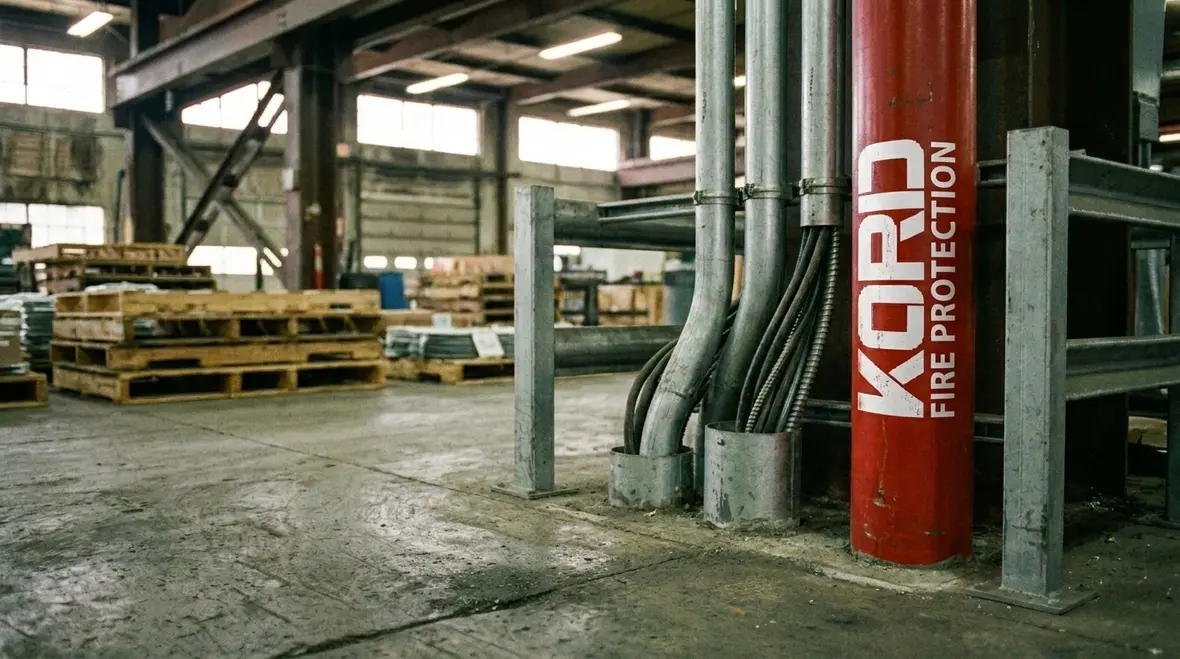
Routing discipline reduces hidden risk
The best routing decisions usually look boring on paper, and that is a compliment. They avoid unnecessary crossings, vulnerable corners, overcrowded containment, and future conflict with other trades. Good separation means less interference, fewer accidental hits during later works, and clearer fault tracing when maintenance teams need to diagnose trouble quickly.
3. How engineers build reliability into circuits and monitoring
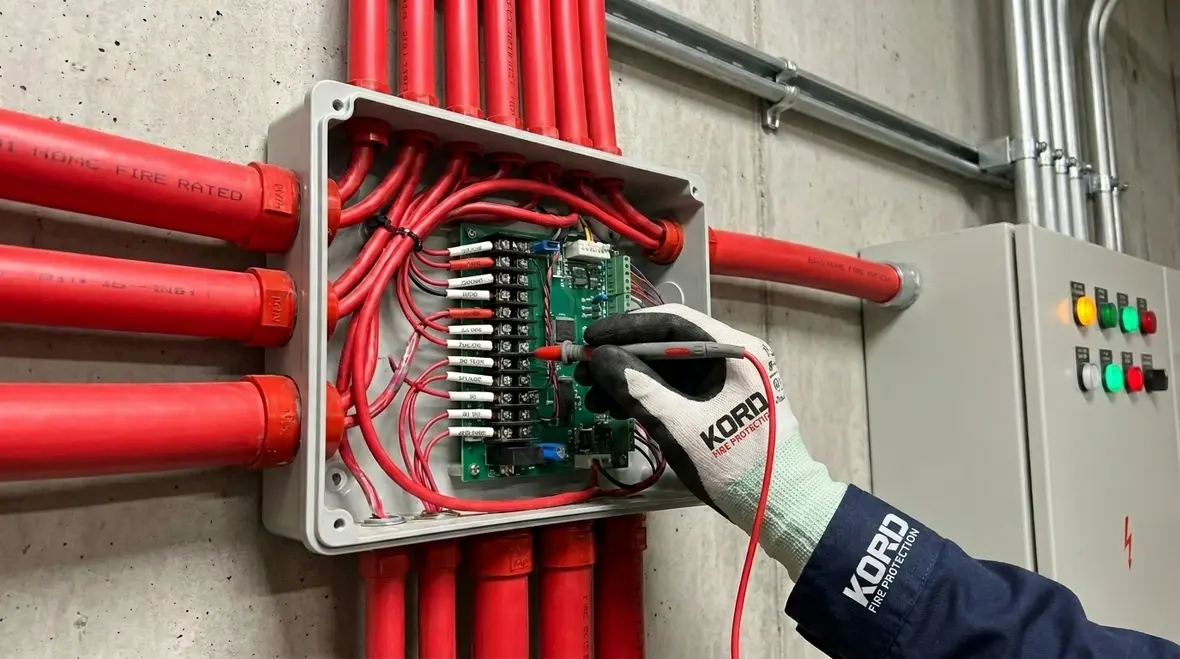
Reliability comes from deliberate circuit choices and the way monitoring communicates status. Engineers select wiring methods and protective devices that keep circuits stable under fault conditions. Then they set up supervision so the system can announce trouble early, not after the fire has already arrived.
For example, supervised circuits can detect open and short faults. Consequently, technicians can pinpoint problems before they escalate. Similarly, engineered interconnections for alarm initiation and control outputs should behave predictably under fail conditions.
Engineers also plan for device-level resilience. They choose notification devices, detectors, and interface modules that meet performance needs for the facility type. In industrial spaces, they consider dust, vibration, and ambient temperature. In retail spaces, they consider frequent changes, new displays, and active customer movement.
And because people love to “temporary” something and forget it, fail safe designs include clear labeling, route documentation, and commissioning checkpoints that reduce later confusion. Think of it as giving future technicians a map, not a scavenger hunt.
Supervision is the early warning system for the pathway itself
One of the smartest parts of a fail safe strategy is that it does not wait for a fire event to reveal a weakness. Supervision constantly checks whether the pathway is intact and whether devices remain connected in the way the design intended. That proactive visibility is what turns maintenance into prevention instead of post-event regret.
4. Design for faults: from short circuits to pathway damage
Fail safe pathways must perform under real failure events, not only ideal lab tests. Engineers plan for short circuits caused by abrasion, moisture intrusion, or damaged insulation. They also plan for open circuits where a conductor breaks due to snagging, drilling, or settling.
Additionally, engineers address pathway damage from mechanical handling. If a warehouse relies on frequent pallet movement or lift trucks, the cable routes must resist impact and protect against cut risk. Therefore, engineered containment and routing location matter as much as cable selection.
Heat and smoke create another challenge. Fire rated pathway design aims to limit rapid loss of circuit integrity. Engineers also choose installation methods that reduce smoke exposure effects and preserve functional continuity long enough for the system to act.
Kord Fire Protection can become a vital partner by auditing the designed routes against construction methods and site realities. They bring installation know how and a service mindset, so the pathways remain maintainable after handover.
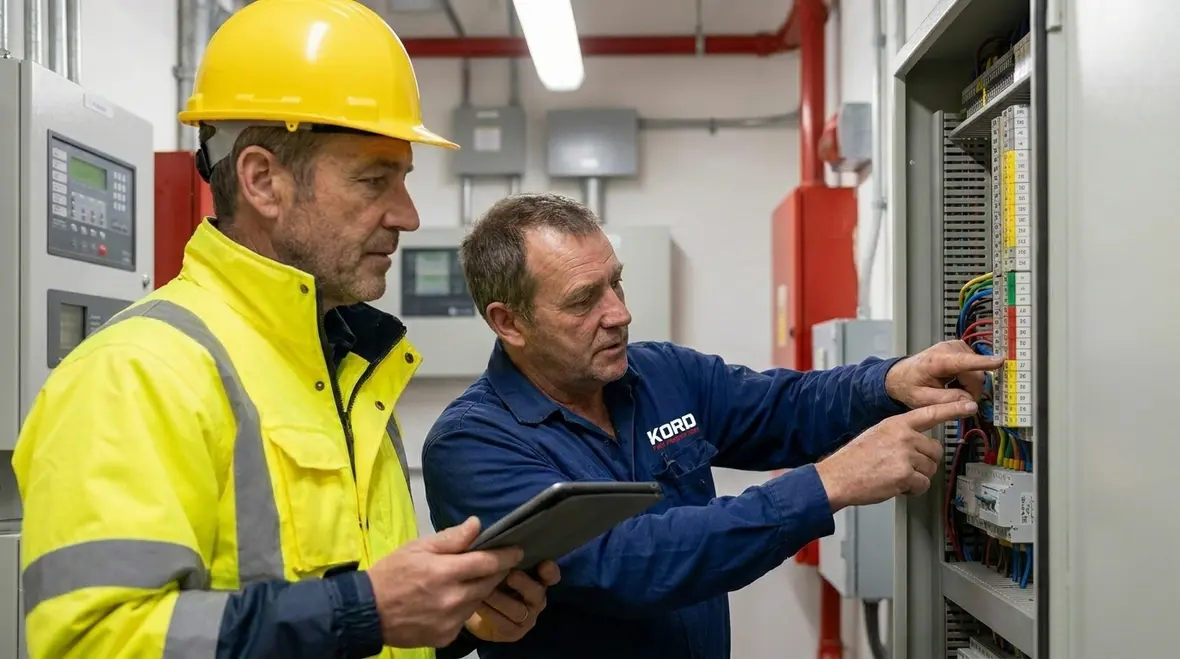
Real buildings create real failure modes
It is one thing for a design to survive a neat checklist. It is another for it to survive a busy plant room, a rushed fitout change, a wet service corridor, or a contractor who insists they only touched “one little thing.” Fail safe pathway planning earns its value by anticipating messy building life and reducing the chance that one bad moment disables a critical response.
5. Commissioning and verification that actually hold up
A fail safe design is only as good as the verification process. Engineers coordinate commissioning so every circuit and every control action proves its behavior under normal and trouble states. They test supervision features, verify alarm control logic, and confirm outputs for protective functions.
During verification, teams check correct polarity, termination quality, labeling, and the continuity of monitored circuits. They also confirm that any standby power behavior meets the time and load expectations. If a building uses interfaces for lifts, door control, or suppression activation, engineers ensure those signals behave safely under the intended failure modes.
Because facilities across Australia face different compliance expectations and site constraints, commissioning documentation becomes critical. It gives maintenance teams a clear picture of the system’s intended response. Consequently, the service team can manage future alterations without turning fire protection into “version one” forever.
With Kord Fire Protection involved early, commissioning aligns with installation details from day one. That reduces rework, cuts delays, and improves the chance that the final acceptance matches the engineered concept.
Verification should prove behavior, not just tick boxes
A genuine fail safe verification process asks uncomfortable but necessary questions. What happens if this circuit opens here? What happens if this interface loses control power? Will the signal still report correctly? Will the output fail in a safe direction? Good teams answer those questions before handover, not after an incident report lands on someone’s desk.
6. Coordinating with Kord Fire Protection for ongoing safety and service
After the install, the building still changes. Retail fitouts update layouts, industrial sites expand, and facilities teams add new rooms or reroute services. Each change can affect fire system wiring paths, supervision zones, and control logic.
This is where partnering matters. Kord Fire Protection can support the fail safe service job by providing coordinated design input, practical installation support, and a service plan that fits real operations. They help facilities teams keep systems healthy through inspections, testing, and prompt fault resolution.
Instead of treating fire protection as a set and forget task, the partnership treats it like a managed system. Therefore, the facility gets predictable maintenance cycles, clearer reporting, and faster fixes when trouble signals appear.
In a world where “good enough” still tries to sneak into project notes, that level of follow through is the difference between calm compliance and last minute stress.
7. Common mistakes that weaken fail safe electrical pathways
Engineered fail safe designs can weaken when teams skip key steps. Common issues include improper segregation, shared pathways with high fault risk services, and unprotected cable runs in vulnerable areas. Another frequent problem is incomplete supervision settings or incorrect termination practices, which can make trouble indications unreliable.
Some projects also fail by relying on vague route records. If documentation does not match the installed route, maintenance crews struggle to troubleshoot. Consequently, small faults can linger.
Finally, changes after handover can break the intended architecture. If someone adds a circuit or reroutes a line without alignment to the supervision zones and interface logic, the system may not respond as intended.
Kord Fire Protection can help reduce these risks by supporting clear installation methods, strong labeling, and service readiness. In other words, they help keep the fire protection system from becoming a “mystery box.”
FAQ
Conclusion
A fail safe electrical pathway protects people and operations by keeping fire protection circuits reliable through faults, damage, and power loss. When the team designs with discipline, verifies with real tests, and maintains clear documentation, the system stays trustworthy.
Kord Fire Protection can partner with your project to support installation, commissioning alignment, and service readiness across Australia. If this matters for your next build, upgrade, or fitout, contact Kord Fire Protection today to plan the right fail safe approach.

Join Our Newsletter!
Get the latest fire safety tips delivered straight to your inbox From our Newsletter.