Class B Fire Extinguisher for Flammable Liquids
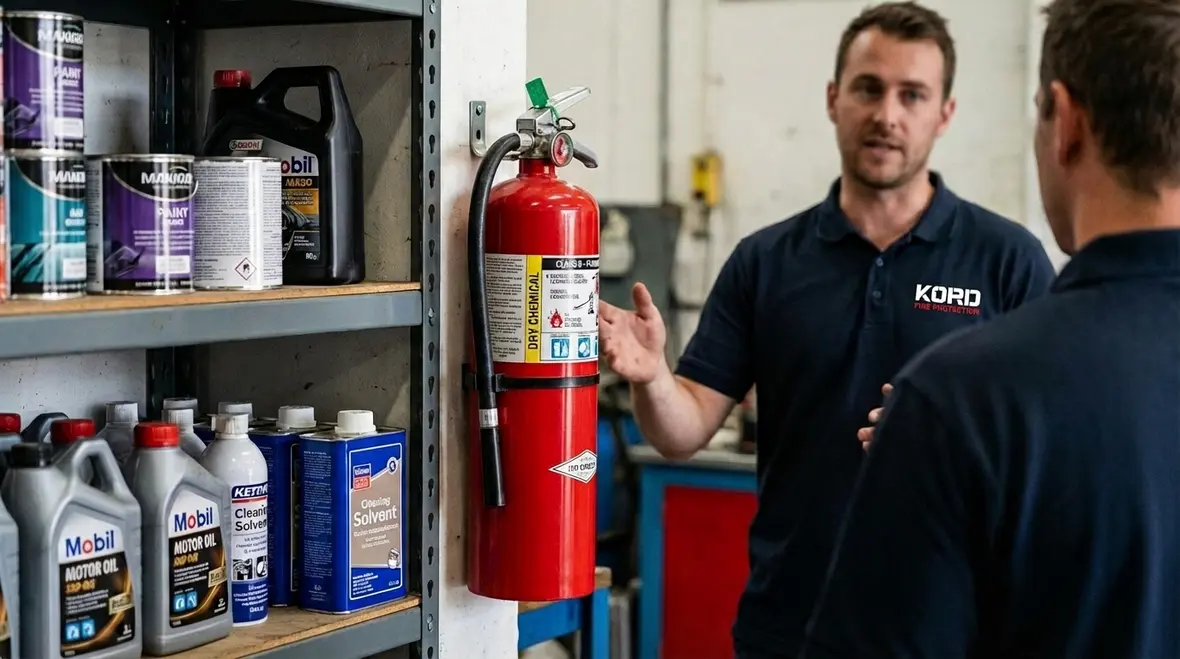
In the quiet moments before a spark becomes a headline, preparation makes all the difference. A class b fire extinguisher for flammable liquids stands as the silent guardian in garages, commercial kitchens, fuel storage rooms, and workshops. It is designed to stop fires fueled by gasoline, oil, paint, and solvents before they spread like gossip at a family reunion. Kord Fire Protection technicians often explain that when it comes to liquid fires, the wrong response can turn a small flame into a roaring disaster. Therefore, understanding how this extinguisher works, what its ratings mean, and which mistakes to avoid is not just helpful. It is essential.
Understanding Class B Fire Risks in Everyday Environments
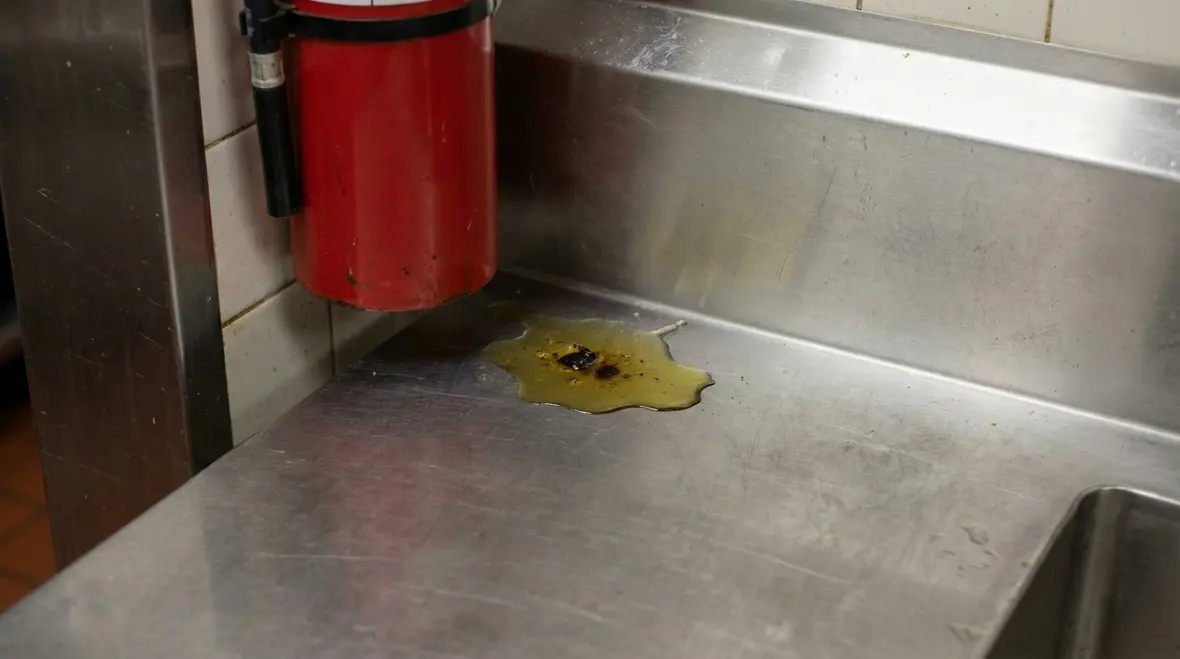
Flammable liquids behave differently from ordinary combustibles. While wood and paper burn from the outside in, liquids release vapors that ignite above the surface. As a result, the visible flames often hover, dance, and spread quickly across a wide area.
Common Class B fuels include:
- Gasoline and diesel
- Cooking oils and grease
- Alcohol based cleaners
- Oil based paints and thinners
- Propane and butane in certain settings
Because vapors ignite so easily, even a small spark can trigger a rapid flash fire. Moreover, attempting to extinguish these flames with water can make things worse. Water spreads burning liquid, which is about as helpful as throwing glitter into a fan and hoping it lands neatly in one corner.
Kord Fire Protection technicians frequently remind clients that understanding the fuel source is the first step in choosing the right extinguisher. Without that knowledge, even the best equipment may be misused. For businesses that handle multiple fuel types, resources like Kord’s guidelines for fire extinguishers in Anaheim break down how extinguishers match specific hazards in real-world settings.
How a Class B Fire Extinguisher for Flammable Liquids Works
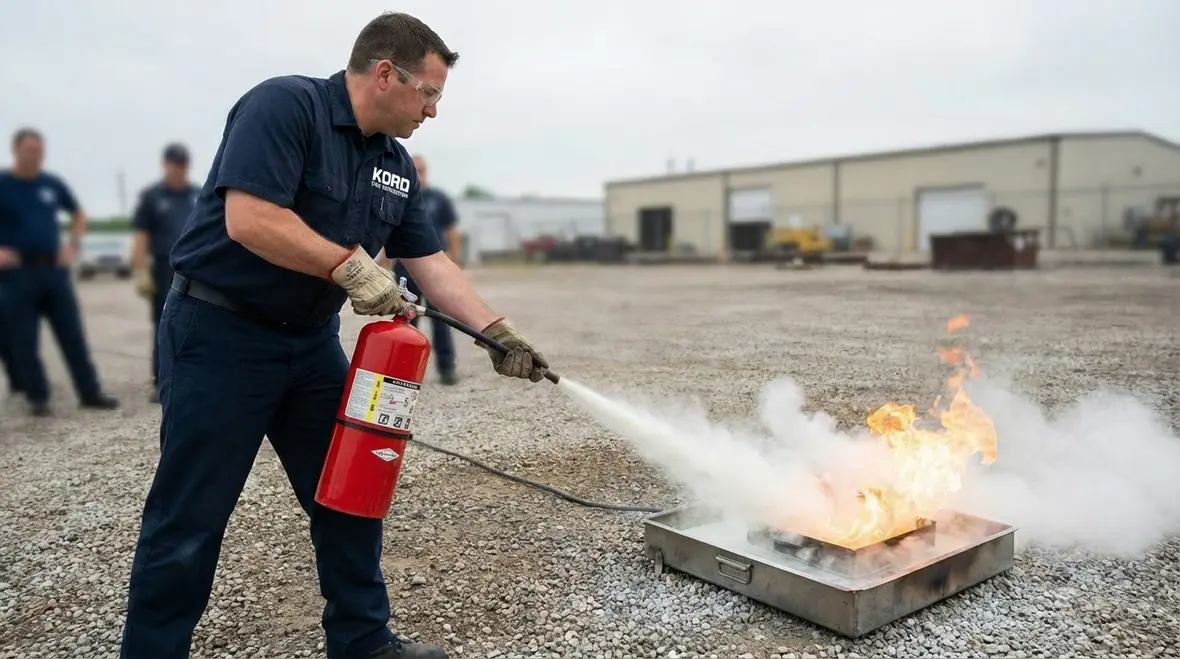
A class b fire extinguisher for flammable liquids works by interrupting the chemical reaction of the fire and cutting off oxygen. Instead of soaking the fuel, it creates a barrier between the liquid surface and the air.
Most units use one of the following agents:
- Dry chemical that disrupts the chemical chain reaction
- Carbon dioxide that displaces oxygen
- Foam that blankets the surface and prevents vapor release
Each agent has a specific role. For instance, foam forms a film over the liquid, which prevents vapors from rising. Meanwhile, carbon dioxide cools and suffocates the flame without leaving residue. Dry chemical agents act quickly, making them common in commercial and industrial settings.
Kord Fire Protection technicians explain that the key is not just pulling the pin and hoping for the best. Instead, users must aim at the base of the fire, sweep from side to side, and maintain a safe distance. In addition, they stress the importance of clear exit paths. After all, bravery is admirable, but common sense keeps everyone employed.
Matching agents to real-world hazards
In facilities where different hazards coexist, professionals often pair Class B units with other specialized extinguishers. For example, a commercial kitchen might rely on a Class K extinguisher for deep-fryer grease, while using a Class B or ABC unit for nearby fuel or solvent storage. Kord’s article on fire extinguisher requirements for Los Angeles businesses explains how different classes fit into a larger protection strategy.
What Do Class B Ratings Actually Mean?
Fire extinguisher ratings often look like secret codes. However, they are straightforward once decoded.
Decoding the “B” on the label
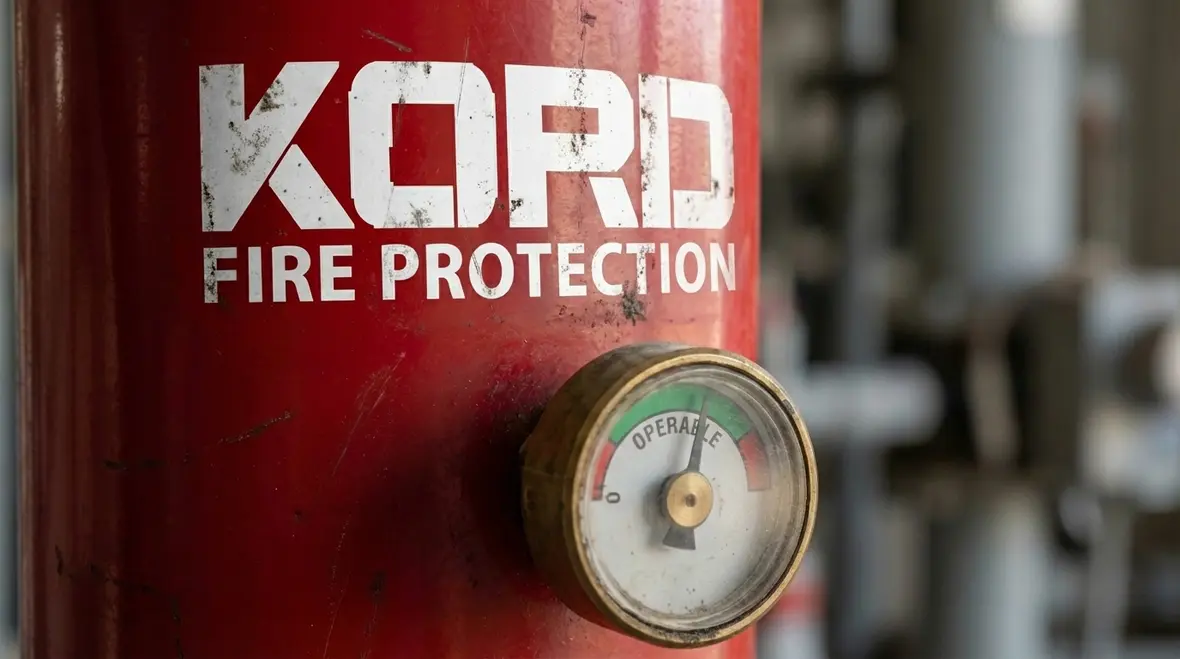
The number before the letter B indicates the size of fire the extinguisher can handle under controlled test conditions. For example, a 10B rating means the unit can extinguish a fire covering 10 square feet of flammable liquid.
Therefore, higher numbers represent greater extinguishing capacity. However, bigger is not always better. Larger units can be heavier and harder to manage. Kord Fire Protection technicians often demonstrate different sizes during training sessions. They show how a smaller unit may be ideal for a restaurant kitchen, while a larger one suits a fuel storage area.
Combination ratings and practical selection
Furthermore, combination ratings such as ABC indicate that the extinguisher can handle multiple fire classes. Still, businesses should never assume one size fits all. The hazard level, building layout, and fuel quantity all influence the right choice. Kord’s overview of NFPA 10 portable fire extinguisher guidelines offers additional context on how ratings and classifications translate into code-compliant protection.
How to Choose the Right Extinguisher for Your Facility
Selecting the correct unit requires more than a quick online search. It demands a careful look at the environment, the type of liquids present, and the volume stored.
Below is a practical comparison often shared during site visits.
Environment Recommended Solution
Commercial kitchen with grease Foam or multipurpose unit with Class B rating
Auto repair shop with fuel storage Higher capacity dry chemical model
Paint booth or solvent area Foam based extinguisher to prevent vapor spread
Small garage with limited fuel Compact unit with moderate B rating
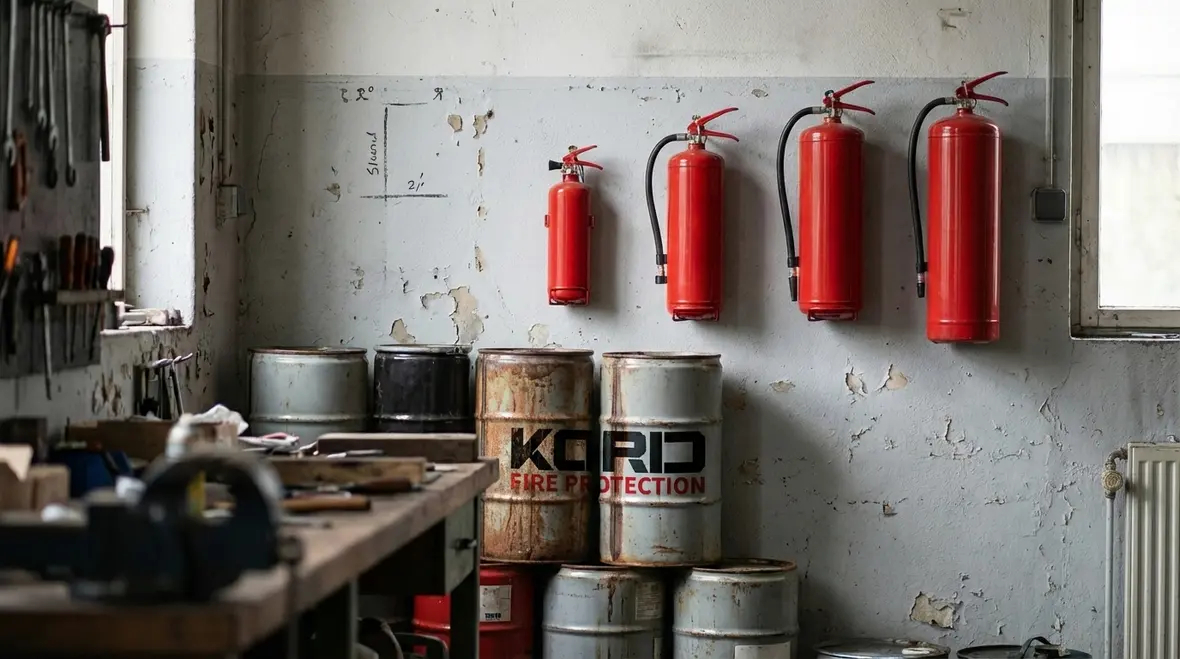
Although the table simplifies the decision, professionals should still evaluate spacing and mounting requirements. Kord Fire Protection technicians conduct walkthroughs to ensure extinguishers are placed within required travel distances and visible locations. Because in an emergency, no one wants to play hide and seek with safety equipment.
When in doubt, bring in local experts
Local codes and NFPA standards can feel overwhelming. Working with a team that lives and breathes this material every day simplifies compliance. Articles like Kord’s guide to fire extinguisher walk-ins in Los Angeles and their monthly inspection & annual service explainer show how professional support turns complex rules into practical action steps.
Common Mistakes That Turn Small Fires Into Big Problems
Even with the right equipment, human error can sabotage good intentions. Therefore, understanding common mistakes is critical.
Using water on flammable liquids
This mistake spreads burning fuel. Instead of extinguishing the fire, it creates a wider hazard zone.
Standing too close
Many people instinctively move toward the flames. However, this reduces reaction time and increases injury risk.
Failing to check pressure gauges
An extinguisher with low pressure may look ready but fail when needed. Regular inspections prevent this unpleasant surprise.
Ignoring re ignition risks
Liquid fires can reignite if vapors remain. Therefore, monitoring the area after discharge is essential.
Kord Fire Protection technicians often compare improper extinguisher use to assembling furniture without reading the instructions. It may work out. Then again, one might end up with extra screws and a shelf that leans like it has given up on life.
Inspection, Maintenance, and Compliance Essentials
Owning a fire extinguisher is only half the responsibility. Maintaining it completes the job.
Monthly visual checks you can do in-house
Monthly visual inspections should confirm:
- The pressure gauge is in the green zone
- The pin and tamper seal remain intact
- No visible damage or corrosion exists
- The unit is accessible and unobstructed
Annual service, six-year teardowns, and hydrostatic testing
Additionally, annual professional servicing ensures internal components function correctly. Over time, seals degrade and agents settle. Without proper maintenance, performance may suffer.
Regulatory standards often require documentation of inspections and servicing. Therefore, businesses should maintain clear records. Kord Fire Protection technicians provide detailed reports after each visit, helping companies stay compliant and audit ready. Their dedicated pages on how often fire extinguishers need to be serviced, six year break down/tear down, and hydrostatic testing services walk through each phase of long-term maintenance.
Moreover, hydrostatic testing at specified intervals verifies cylinder integrity. While this process may sound technical, it simply confirms the extinguisher can safely hold pressure. In other words, it ensures the device will not fail under stress.
Training Staff to Respond with Confidence
Equipment alone does not guarantee safety. People must know how to use it effectively. Consequently, regular training transforms uncertainty into calm action.
Hands on sessions allow staff to practice the PASS method:
- Pull the pin
- Aim at the base
- Squeeze the handle
- Sweep side to side
Although the steps seem simple, real world practice builds muscle memory. Kord Fire Protection technicians conduct live demonstrations using controlled flames. Participants gain confidence, and managers gain peace of mind.
Furthermore, training reinforces decision making. Employees learn when to fight a small fire and when to evacuate. Because sometimes the bravest move is knowing when to step back and call emergency services.
Why Professional Guidance Makes a Lasting Difference
Fire safety is not a one time purchase. It is an ongoing partnership between equipment, environment, and expertise.
Kord Fire Protection technicians approach each facility with a detailed eye. They assess fuel sources, storage methods, ventilation, and occupancy levels. Then, they recommend tailored solutions rather than generic fixes.
Additionally, they explain concepts in clear terms. Clients do not receive a lecture filled with jargon. Instead, they gain practical knowledge they can apply immediately. This approach builds trust and long term safety culture.
After all, when dealing with flammable liquids, guesswork has no place. Precision, preparation, and proper tools create the strongest defense.
Frequently Asked Questions
Protect What Matters Most
Flammable liquids demand respect, preparation, and the right equipment. A properly selected and maintained extinguisher can stop a minor incident from becoming a major loss. Therefore, businesses should not leave safety to chance. Kord Fire Protection technicians stand ready to assess risks, recommend solutions, and provide hands on training. Take action today, strengthen fire readiness, and ensure every spark meets a swift and confident response.
Schedule Your Extinguisher Service & Certification
Need help choosing, installing, or servicing Class B fire extinguishers for flammable liquids? Kord’s fire extinguisher service & certification team provides inspections, recharging, hydrostatic testing, and documentation to keep your building compliant and ready.
Know Your Weapon Before You Fight the Flame
Kord Fire Protection is your go-to when it comes to all things fire protection. For over 20 years, we’ve been serving Southern California with the quality service and equipment to keep your home or business safe at all times. Our competitive prices reflect our unwavering commitment to protecting what matters most in the event of a fire emergency. Give us a call, send an email, or use that form!

Join Our Newsletter!
Get the latest fire safety tips delivered straight to your inbox From our Newsletter.