NFPA 1 Section 32.2 Film Production Fire Permit Requirements
Quick Answer
NFPA 1 Section 32.2 sets the baseline for film production permit requirements by helping fire authorities review sets, special effects, fuel use, crowd control, and emergency planning before cameras roll. For studios and production teams across Australia, this process helps reduce risk, speed approvals, and keep crews, talent, and property protected.
When productions need broader system readiness beyond paperwork, it also helps to coordinate early with a full fire protection services team that can support inspections, planning, and compliance across active filming sites.
NFPA 1 Section 32.2 and the Film Set Rulebook
Film work looks polished on screen, yet behind the scenes it can be a moving maze of cables, lights, props, haze, heat, and temporary builds. That is where film production fire permit rules come in. NFPA 1 Section 32.2 gives fire officials a clear way to review movie set fire permit requirements before a shoot starts. It helps productions show that they can manage hazards, protect people, and keep the site ready for fast action if something goes wrong.
For industrial, retail, commercial, and facility based productions across Australia, this matters more than most crews first expect. A studio permit NFPA style review can cover temporary structures, ignition sources, pyrotechnics, cooking, fuel storage, and access for fire services. In plain terms, it keeps the drama on the screen, not in the loading dock. Because nobody wants the craft table to become the plot twist.
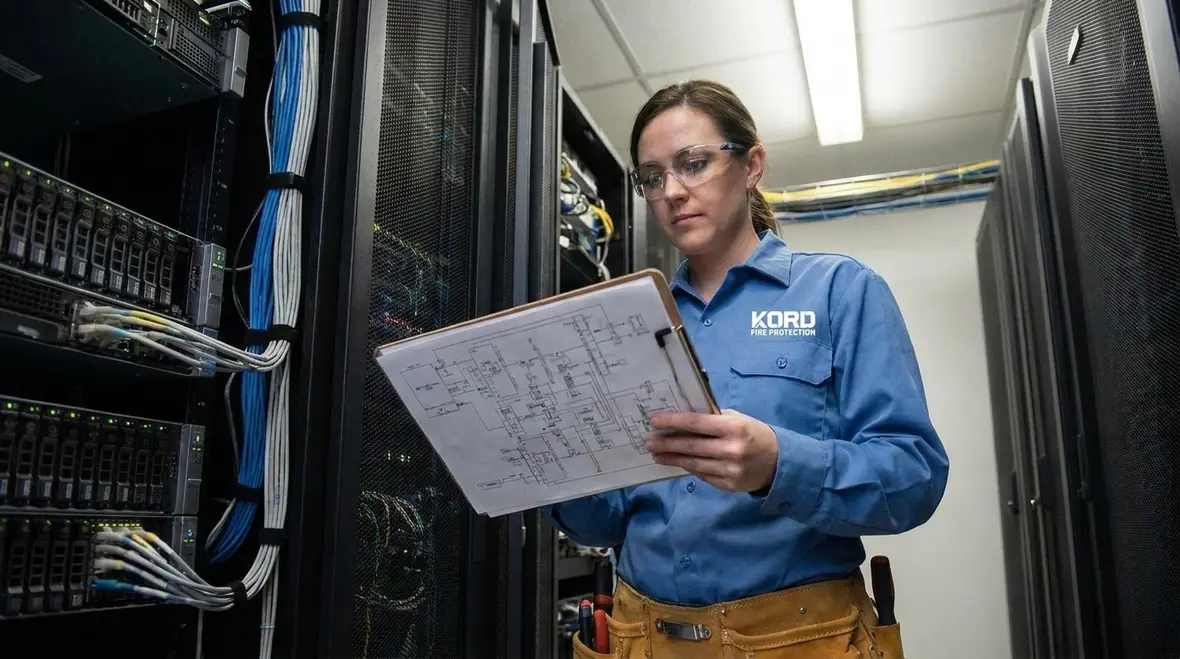
What NFPA 1 Section 32.2 Covers in Practice
Section 32.2 focuses on permit control for film and motion picture work that may create special fire risk. It gives the authority having jurisdiction a way to ask for key safety details before a permit is approved. In practice, this often includes special effects, open flame, hot work, smoke, fog, flame bars, compressed gas, and set construction that can change the fire load.
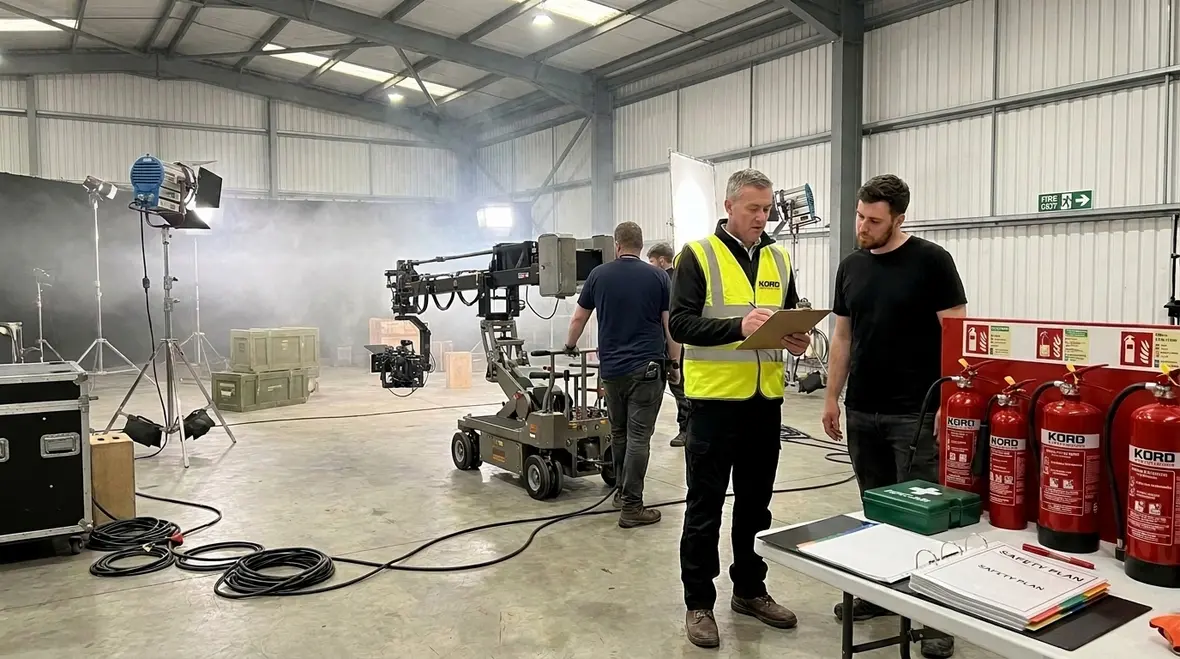
It also helps production leaders think about more than the scene itself. For example, a warehouse shoot with retail style shelving, a commercial office fit out, or a factory floor set may look simple on paper. However, once lights, fabric backdrops, power cables, and temporary walls arrive, the risk profile shifts fast. Therefore, the permit process must match the real site conditions, not just the script.
Common Permit Review Points
| Production Detail | Why It Matters |
|---|---|
| Special effects and flame use | Raises ignition risk and needs strict control |
| Temporary sets and props | Can block exits or add fuel to fire spread |
| Power and lighting load | Can overload systems and create heat issues |
| Access for fire crews | Helps responders reach the site without delay |
| Emergency planning | Supports fast evacuation and clear crew action |
That combination of planning details is why permit reviews are rarely just a box ticking exercise. If a scene uses flame effects for five seconds, the preparation around those five seconds can easily take much longer than the actual shot. And honestly, that is how it should be. Fire safety is not supposed to improvise like an actor who forgot their lines.
It is also smart for teams to connect their permit thinking with the wider fire code framework. For crews that want the bigger picture, NFPA 1: A Comprehensive Guide to Fire Prevention and Safety provides broader context on how the fire code supports prevention, life safety, and site readiness.
Film Production Fire Permit Steps for Australia Based Crews
While NFPA 1 comes from a U.S. code, many Australian production teams still use its logic as a strong benchmark for safer planning. Local councils, fire services, insurers, venue managers, and site owners may all ask for similar controls. So, a film production fire permit process usually starts with a site review, then moves to risk checks, then ends with approval conditions that the crew must follow.
The team should identify flame sources, fuel storage, evacuation paths, extinguishers, fire watch duties, and shutdown steps. Moreover, they should check whether the production will use smoke effects, sparks, or any prop that looks harmless until it is not. Hollywood has made it look easy, but real life rarely offers a director’s cut for bad fire planning.
When production work touches shopping centres, business parks, warehouses, factories, or office towers, the permit review should also cover tenants, public access, asset protection, and business continuity. That is where strong coordination saves time, money, and a few grey hairs.
A Practical Pre Shoot Checklist
- Confirm whether open flame, hot work, haze, fog, sparks, or pyrotechnic style effects will be used
- Map exits, access ways, assembly points, and emergency vehicle routes
- Review electrical demand from lighting, sound, charging stations, and temporary distribution boards
- Check temporary walls, soft goods, scenery, and props for their impact on fuel load and egress
- Assign fire watch roles and shutdown authority before filming begins
- Coordinate with venue managers, tenants, and emergency contacts so nobody is surprised on shoot day
A checklist like this gives producers and site managers something far more useful than vague confidence. It creates a shared operating picture. Everyone knows where the higher risk actions are, who is responsible for controls, and what changes need approval before the crew suddenly decides a scene would look cooler with more haze and one extra flame cue. That sentence alone is why paperwork exists.
How the Right Fire Partner Supports Permits and Set Safety
Kord Fire Protection can become a vital partner in this service because permit compliance is only one part of the job. The real win comes from building a safety plan that works on set and holds up under pressure. Kord Fire Protection can help production teams assess risk, guide fire equipment needs, support site planning, and align the set with the fire permit conditions from day one.
That support can matter across studios, commercial venues, industrial sites, and retail spaces used for filming. In addition, Kord Fire Protection can help teams prepare documentation, understand fire protection expectations, and reduce last minute surprises during inspections or permit reviews. In production, time is money, and a delayed shoot can turn a budget into a cautionary tale.
With the right partner, crews gain a clearer path through movie set fire permit requirements. They also gain a practical safety plan that helps protect people, property, and production schedules.
Why coordination matters so much
Film sets often operate inside spaces that were never designed to behave like film sets. A warehouse becomes a nightclub for one day. A retail floor becomes a dramatic office. A working facility becomes a controlled backdrop with added lighting, fabric, rigging, and people. Fire planning has to bridge that gap between normal building use and temporary production reality. That is where experienced support becomes less of a nice extra and more of a sanity saver.
Why Fire Safety Planning Protects the Whole Production
A good permit process does more than satisfy an inspector. It supports the full production chain. When a site has clear controls, the crew works with confidence. As a result, fewer delays, fewer unsafe shortcuts, and fewer stop work moments appear on the schedule. That helps producers, venue managers, and facility teams keep business moving while filming takes place.
It also helps protect the wider business environment. A shoot inside a retail site may still need the store to reopen on time. A commercial office production may need no damage to tenant spaces. An industrial shoot may need plant systems kept stable. Therefore, strong fire planning acts like insurance for the schedule, even before the insurer gets a turn.
There is also a people side to all of this that tends to get overlooked when everyone is racing the clock. Crews work better when expectations are clear. Talent feels more comfortable when unusual effects are visibly managed. Site owners feel less nervous when temporary changes are documented and controlled. Good permit planning reduces friction before friction turns into delay. It is not glamorous, but neither is explaining to twelve departments why a preventable issue stopped the day cold.
FAQ
Bring the Permit Process Into Focus
Film production fire permit planning should not feel like a side quest. With the right process, crews protect people, property, and time. Kord Fire Protection can help production teams meet movie set fire permit requirements with more confidence and less chaos.
For studios, warehouses, retail spaces, and commercial sites across Australia, the smartest move is to plan early and film safely. That way the only thing catching fire on set is the performance, not the permit process.

Join Our Newsletter!
Get the latest fire safety tips delivered straight to your inbox From our Newsletter.