NFPA 1 Section 31.3 Forest Products Storage Fire Safety
Quick Answer
NFPA 1 Section 31.3 sets clear fire protection expectations for forest products storage, including lumber, pallets, and other wood based stock. For industrial and commercial sites, strong forest products storage fire safety is not just compliance work. It helps reduce loss, protect crews, and keep operations moving. Kord Fire Protection can support that effort with practical fire system expertise and site ready service. If your facility needs broader support with inspections, testing, and readiness, Kord also provides full fire protection services designed to keep systems compliant and ready for real world use. ([kordfire.com](https://kordfire.com/full-fire-protection-services/?utm_source=openai))
NFPA 1 Section 31.3 focuses on fire protection for forest products storage areas, where heat, spacing, access, and ignition control all matter. In simple terms, forest products storage fire safety, the lumber storage fire code NFPA, and wood storage fire protection all point to the same mission. Keep fuel loads in check, keep fire systems ready, and keep the site from turning into a very expensive bonfire. Easy to say. Not so easy to manage without the right plan.

What NFPA 1 Section 31.3 Covers for Storage Sites
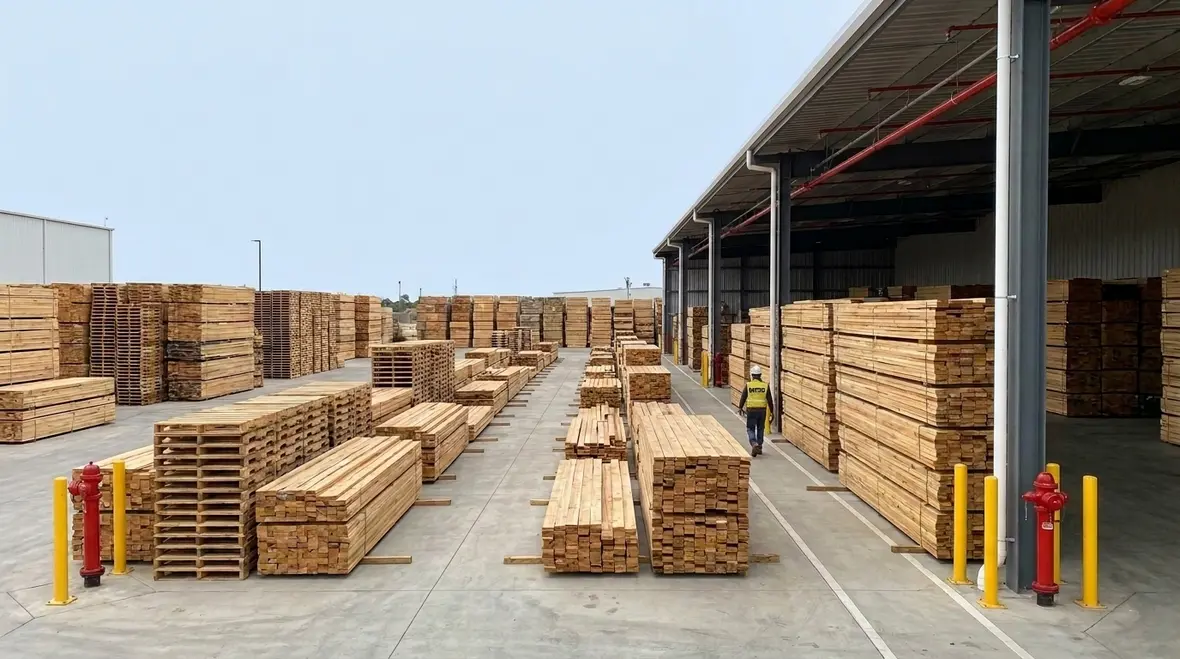
NFPA 1 Section 31.3 addresses how forest products storage should be arranged and protected so fire risk stays controlled. This matters for yards that store lumber, timber, pallets, chip products, and similar materials. The code expects a site to manage spacing, pile height, access lanes, and fire suppression readiness. As a result, the storage layout becomes part of the fire plan, not just a logistics choice.
For industrial and commercial facilities, the section acts like a reality check. Wood stock burns well. That is not exactly a plot twist. Therefore, the layout must reduce heat spread and give fire crews room to act fast. It is the difference between a controlled storage yard and a scene that turns into chaos before anyone finishes saying, “where is the hydrant key?”
Materials and conditions that raise the risk
Forest products storage tends to create heavy fuel loads, especially when inventory builds up during busy periods or seasonal swings. Tight pile spacing, poor housekeeping, hot work nearby, damaged sprinklers, blocked hydrant access, and delayed maintenance all add pressure to the risk picture. None of those issues look dramatic during a calm Tuesday afternoon. Unfortunately, fires do not care how calm Tuesday felt.
Why Forest Products Storage Fire Safety Matters on Busy Sites
Busy facilities often focus on output, stock movement, and delivery speed. However, fire risk grows when large volumes of combustible material sit in dense piles or near ignition sources. Forest products storage fire safety helps control that risk through better planning and stronger systems.
In practice, good fire safety protects more than the stock itself. It also protects racking, forklifts, loading bays, nearby plant, and the people who work around them every day. Moreover, a smaller incident can stop production for hours or days if the site lacks the right fire controls. That kind of delay hurts more than a missed coffee order on a Monday morning.
Storage control
Stack height, spacing between piles, aisle access, housekeeping, and limits on how much material sits in one area all shape how a fire can spread. When teams treat storage layout as a safety issue instead of a pure capacity issue, they usually make better decisions.
Fire protection control
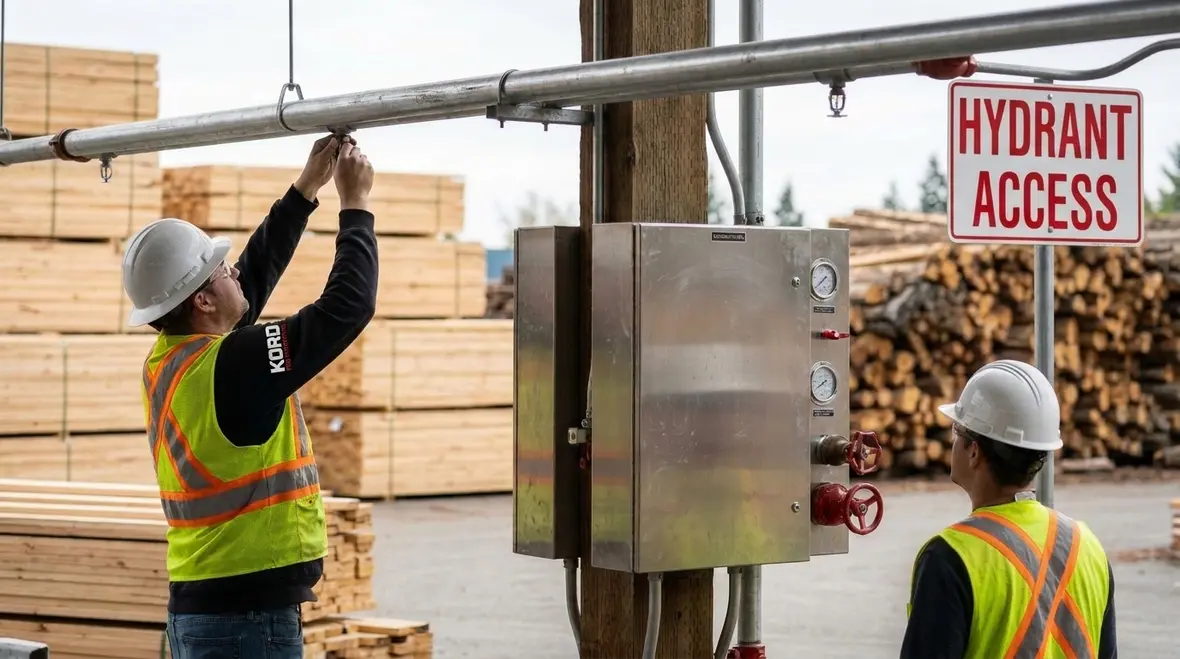
Sprinkler coverage, hydrant access, alarm systems, inspection routines, fire pump support, and fast response planning help detect and control an incident before it grows into a major loss. Good protection control gives the site a fighting chance instead of a front row seat.
Why it matters: Good storage control slows fire spread. Good protection control helps detect, suppress, and manage the fire before it becomes a full scale operational disaster.
How the Lumber Storage Fire Code NFPA Shapes Site Design
The lumber storage fire code NFPA guides how a site should separate combustible stock from heat, ignition points, and poor access paths. It also pushes teams to think beyond storage density. For example, a yard may fit more product in less space, but if the pile arrangement blocks water spray or fire crew access, the layout fails the safety test.
In addition, the code supports smarter planning for drainage, exposure protection, and system coverage. This matters because fire can move fast through stacked timber and related products. Therefore, design decisions must support suppression from the start, not after trouble begins.
Design choices that usually deserve a second look
Pile arrangements that trap heat or limit hose access
Storage zones placed too close to electrical gear or hot work areas
Poor separation between outdoor stock and nearby structures
Blocked valves, hydrants, fire department connections, or alarm equipment
Layouts that look efficient on paper but become a maze during an emergency
This is also where broader code awareness helps. If your team wants a wider foundation on prevention and system readiness, Kord Fire Protection’s guide to NFPA 1 fire prevention and safety gives useful context that supports storage planning and everyday compliance habits.
What Good Wood Storage Fire Protection Looks Like
Effective wood storage fire protection starts with a full site review. The best approach usually combines storage design, detection, suppression, and maintenance. First, the site should control pile size and spacing. Next, it should reduce ignition sources near the storage area. Then, it should keep alarms, pumps, hydrants, and sprinklers in working order.
Also, staff training matters. Crews need to know what to do if smoke appears, where to report issues, and how to keep access clear for fire response. Without that knowledge, even a strong system can stumble. Fire safety is a team sport, not a solo gig.
The most useful protection habits are rarely flashy
Routine inspections, documented testing, clear signage, serviceable extinguishers, dependable alarms, and unobstructed water supply points are not glamorous. They are, however, the reason a site has options when something goes wrong. Fire protection is often at its best when nobody notices it, because everything works exactly the way it should.
Where Kord Fire Protection Becomes a Vital Partner
Kord Fire Protection can play a vital role in helping industrial, retail, and commercial sites meet the demands of NFPA 1 Section 31.3. Their support can help turn a fire code requirement into a workable site plan. That includes assessing the storage area, reviewing fire protection needs, and helping maintain systems that support compliance. Kord describes its approach as practical and compliance focused, with inspections, routine testing, preventive maintenance, and broader support across sprinklers, alarms, suppression systems, fire pumps, and more. ([kordfire.com](https://kordfire.com/?utm_source=openai))
For forest product facilities, this kind of partnership matters because no two sites look the same. A timber yard, pallet storage area, or mixed commercial warehouse each carries different risks. Therefore, Kord Fire Protection can help match the fire protection approach to the actual site conditions, rather than relying on a one size fits all setup. That is the difference between generic paperwork and real protection. And in fire safety, generic rarely wins.
Kord’s service pages also emphasize support for scheduled inspections, system servicing, sprinkler work, alarms, and maintenance planning, which fits naturally with facilities that need ongoing readiness rather than one heroic last minute scramble before an inspection. ([kordfire.com](https://kordfire.com/fire-sprinkler-service/?utm_source=openai))
Practical Steps to Improve Compliance and Reduce Risk
Facilities can strengthen their fire safety approach by taking several clear steps.
Steps to follow
Review storage layout and identify blocked access routes
Check pile height and spacing against site risk needs
Inspect sprinkler, pump, alarm, and hydrant systems regularly
Remove ignition sources from storage zones where possible
Train staff on reporting, response, and evacuation actions
Work with a fire protection partner for regular site reviews
These actions help lower risk and support stronger compliance. Furthermore, they make emergency response smoother, which can save both stock and downtime. A clean aisle and a maintained system may not look thrilling in a quarterly report, but they are far better than explaining to everyone why the lumber pile decided to impersonate a volcano.
FAQ
Conclusion
NFPA 1 Section 31.3 gives facilities a clear path to better forest products storage fire safety. With the right layout, working fire systems, and proper support, sites can reduce loss and improve compliance. The core idea is simple, even if the site conditions are not. Control the fuel, protect the access, maintain the systems, and train the people.
Kord Fire Protection can help make that happen with practical service and steady expertise across inspections, maintenance, and fire protection support. For operations that store wood based products, that kind of support is worth having on speed dial, because nobody wants their storage yard remembered as the place where common sense took a long lunch. ([kordfire.com](https://kordfire.com/?utm_source=openai))

Join Our Newsletter!
Get the latest fire safety tips delivered straight to your inbox From our Newsletter.