NFPA 1 Section 30.4 for Repair Garage Fire Safety
Quick Answer
NFPA 1 Section 30.4 sets the fire safety baseline for repair garages by focusing on ignition control, fuel handling, hot work, housekeeping, and emergency readiness. For industrial, retail, and commercial facilities across Australia, it gives a practical model for safer operations. Kord Fire Protection can help turn those rules into daily habits that actually protect people, property, and uptime.
If your site needs broader inspection, testing, and system support, full fire protection services can help tie extinguishers, alarms, suppression, and maintenance into one coordinated plan. That is useful because a repair garage rarely has just one fire risk wandering around on its own like it forgot the rest of the cast. ([kordfire.com](https://kordfire.com/full-fire-protection-services/?utm_source=openai))
NFPA 1 Section 30.4 and Why Repair Garages Need It
Repair garages run on movement, heat, tools, liquids, and tight schedules. That mix can go from routine to risky very fast. NFPA 1 Section 30.4 helps set clear fire safety rules for these spaces, and it fits well with what many Australian sites already expect from a strong repair garage operations fire code approach. In plain terms, it helps reduce the chance that a spark, spill, or careless habit turns into a very expensive headline. And nobody wants that kind of surprise before lunch.
For auto workshops, fleet depots, maintenance yards, and mixed use industrial sites, auto shop fire safety NFPA guidance offers a solid framework. It supports vehicle repair operational fire protection by making fire prevention part of the workflow, not an afterthought. That matters because repair spaces often handle fuels, lubricants, batteries, aerosols, welding, and equipment that can all create heat or ignition points.
That same practical mindset shows up in Kord Fire’s article on auto shop fire suppression, which explains why repair environments need layered protection instead of a one-and-done checkbox approach. It is a useful internal read if you want this topic connected to actual shop conditions rather than theory floating three feet above the floor. ([kordfire.com](https://kordfire.com/auto-shop-fire-suppression-with-kord-fire-protection/?utm_source=openai))
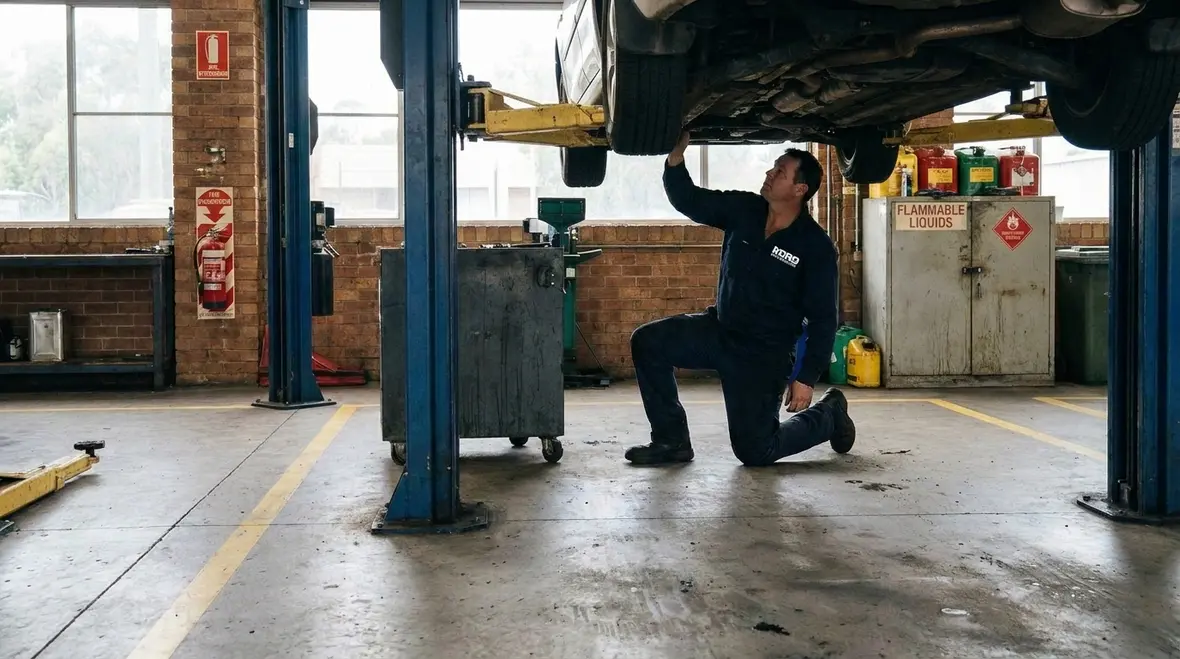
What Section 30.4 Focuses On
NFPA 1 Section 30.4 is built around practical controls that reduce fire risk in repair garage operations. It does not try to make work harder. Instead, it tries to make work safer. That is a fair trade, especially when the alternative is smoke, shutdowns, and a very awkward phone call to management.
Here is the core intent in simple terms
It limits ignition sources around flammable materials. It supports safe storage and handling of fuel and chemicals. It encourages good housekeeping so waste, rags, and debris do not pile up like extras in a sequel nobody asked for. It also expects clear access to exits, fire equipment, and emergency systems.
Just as important, it pushes repair teams to manage hot work carefully. Welding, cutting, grinding, and similar tasks can ignite nearby hazards in seconds. Therefore, the rule set helps sites build habits that keep risk low and response times fast.
What this means on the floor
In real shops, Section 30.4 is less about dramatic legal language and more about keeping ordinary bad decisions from becoming memorable disasters. It points teams toward separating ignition from fuel, controlling chemical storage, maintaining equipment, and making sure emergency access is never buried behind parts, bins, or somebody’s mysteriously permanent temporary setup.
This aligns naturally with broader prevention thinking in NFPA 1: A Comprehensive Guide to Fire Prevention and Safety, which reinforces how code-based controls work best when they are applied through consistent procedures, inspections, and site discipline instead of wishful thinking. ([kordfire.com](https://kordfire.com/?utm_source=openai))
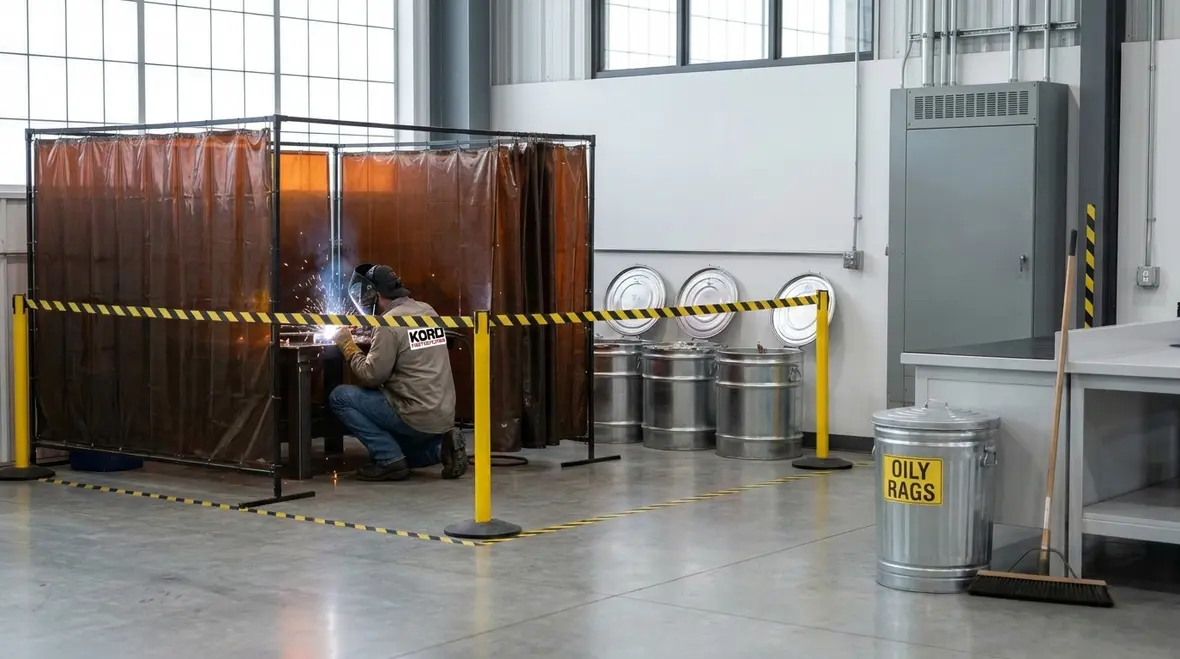
Key Fire Risks in Repair Garages
Repair garages face fire risks that many other workplaces do not deal with every day. For that reason, the fire safety plan must match the real conditions on site. A generic plan will not cut it.
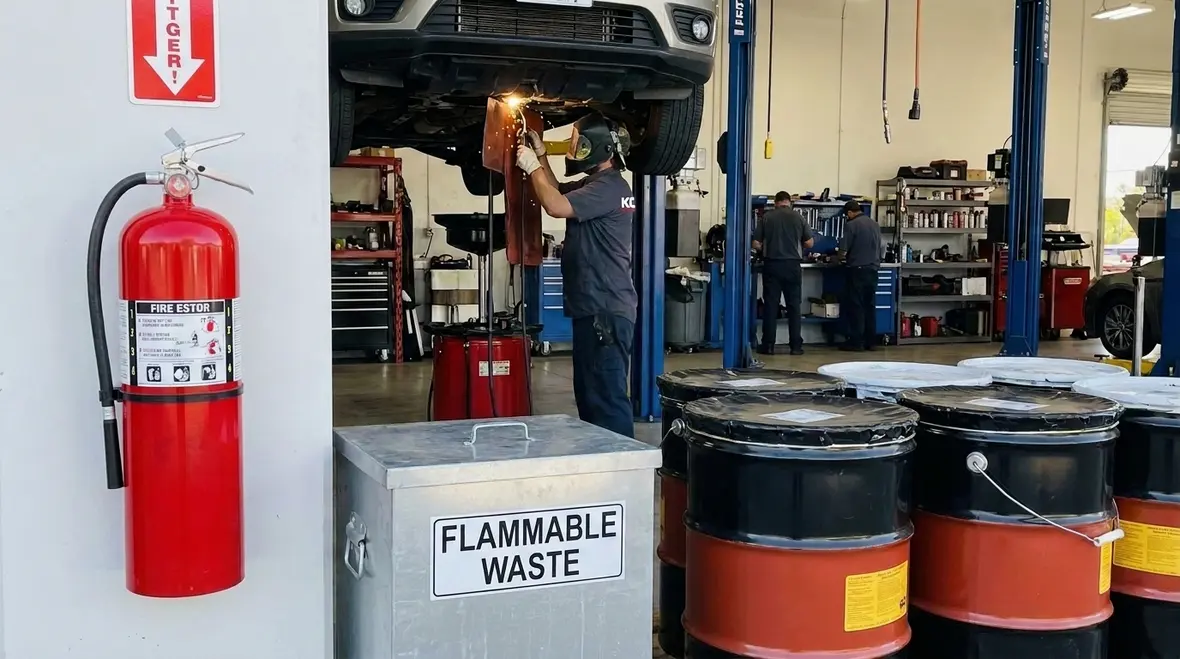
Common risks include fuel vapors from vehicles and containers, flammable liquids in storage areas, battery charging heat, oily rags, spray painting, welding sparks, and overloaded electrical circuits. In addition, blocked walkways and poor waste control can slow evacuation and emergency response. That is where vehicle repair operational fire protection becomes more than a compliance task. It becomes a working shield around people, assets, and service continuity.
The hazards that show up when everyone is busy
A repair garage often gets riskier precisely when business is good. More vehicles mean more fluids, more charging, more tool use, more temporary storage, and more chances for one rushed task to collide with another. A grinder near solvent residue, a charger beside stacked materials, or a leaking container left for later can all create the kind of chain reaction that no one planned for but everyone gets to deal with.
That is why strong site routines matter so much. Fire safety in garages is rarely defeated by one giant mistake alone. It is usually a team effort by several small mistakes that decided to become friends.
How a Repair Garage Should Manage Risk in Daily Operations
It should keep ignition sources away from fuel and vapors. It should store flammable liquids in approved cabinets or controlled areas. It should inspect electrical gear often, especially in older sites where wear can hide in plain sight like a villain in a costume drama. It should also keep spray booths, welding bays, and battery charging areas separated where possible.
Equally important, teams should train staff to spot hazards early. A clean bay, a closed container, and a reported fault may seem small, yet those small actions prevent larger events. Fire safety often works best when the boring stuff gets done well.
Daily habits that make the biggest difference
Good daily control starts with opening checks and ends with shutdown discipline. Teams should confirm waste is removed, containers are sealed, exits are clear, extinguishers remain visible, and hot work areas are left safe after the sparks stop flying. Supervisors should also know when a changing workflow has quietly created a new hazard, because garages evolve fast and risk loves free real estate.
One of the smartest moves is pairing operational habits with scheduled maintenance support. Kord Fire emphasizes inspection and preventive maintenance across alarms, sprinklers, suppression systems, and extinguishers so facilities stay ready when it matters most. ([kordfire.com](https://kordfire.com/full-fire-protection-services/?utm_source=openai))
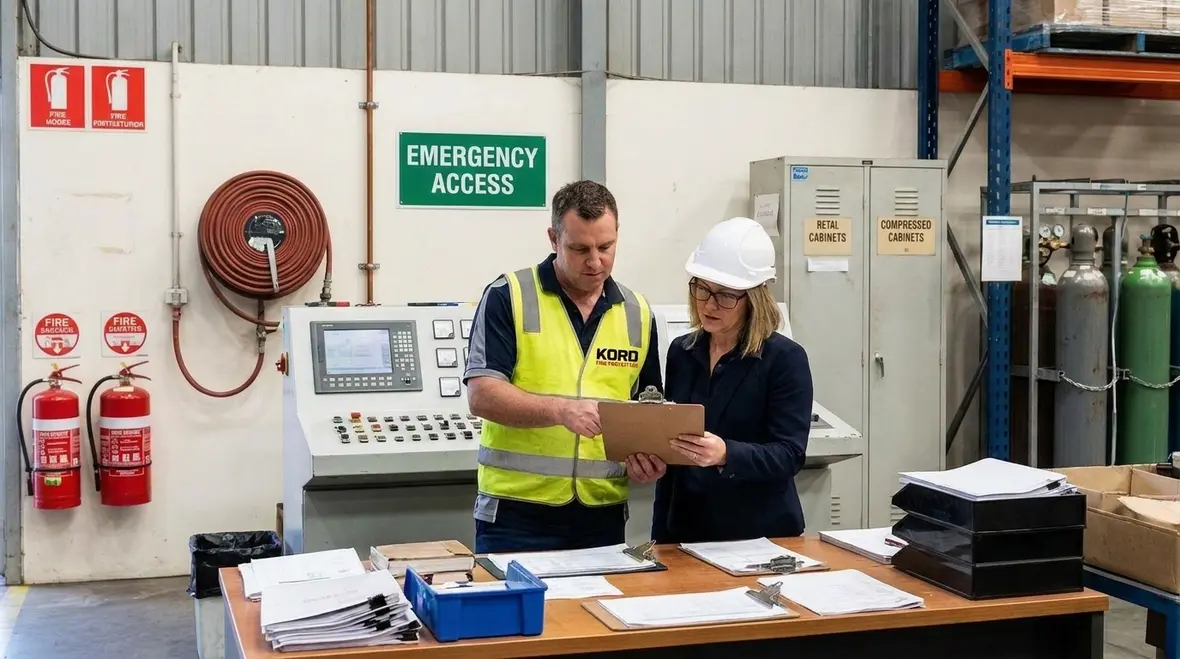
Dual View: Compliance and Operations
Compliance Focus
Section 30.4 encourages documented controls, clear procedures, and safer storage of hazardous materials. It also supports inspection routines, emergency access, and proper fire protection equipment placement.
From a compliance angle, the point is not paperwork for paperwork’s sake. Documentation creates consistency. It shows what the site expects, who checks what, and how issues get corrected before they become patterns. When an inspector asks questions, the garage should have better answers than a shrug and a hopeful glance toward the back office.
Operational Focus
The same rules help teams keep jobs moving with fewer disruptions. Safer work areas mean fewer stoppages, less damage, and lower repair costs after near misses. In short, safety supports productivity instead of fighting it. That is the kind of partnership every site can appreciate.
Operationally, a good fire safety plan protects uptime. It keeps a leaking drum from shutting down a bay, keeps poor housekeeping from blocking a response, and keeps preventable incidents from turning into expensive delays. In busy facilities, that is not just safety value. That is business value wearing steel-toe boots.
Where Kord Fire Protection Adds Value
Kord Fire Protection can become a vital partner in this service because repair garage fire safety is not only about having equipment on site. It is about making sure the entire system works together. Kord Fire Protection can help assess the site, identify weak points, and support fire protection measures that match the daily realities of workshop and fleet operations. Kord Fire describes its approach as a practical, compliance-focused service model with support for inspections, maintenance, repairs, and coordinated fire protection planning. ([kordfire.com](https://kordfire.com/?utm_source=openai))
That can include guidance on fire extinguisher placement, inspection support, system checks, and fire safety planning that suits industrial and commercial facilities. It can also help clients align repair garage operations fire code expectations with practical site routines. That matters across Australia, where facilities often juggle different building types, service bays, and mixed risk zones under one roof.
For managers, that means less guesswork. For workers, that means clearer rules. For the business, that means fewer interruptions and stronger protection for valuable plant and vehicles. Not a bad deal for a team that already has enough problems with deadlines, broken lifts, and that one toolbox that never stays where it should.
If extinguishers are part of the risk strategy, Kord Fire also offers dedicated support for fire extinguisher replacement, which fits naturally into repair garages where visible, accessible first-response equipment can make a big difference in the opening moments of an incident. ([kordfire.com](https://kordfire.com/fire-extinguisher-replacement/?utm_source=openai))
How to Put NFPA 1 Section 30.4 into Practice
A strong fire safety plan should start with site review, then move into training, equipment checks, and routine inspections. After that, the team should test how well the plan works during real tasks such as refueling, welding, battery charging, and waste removal. If a process creates risk, the plan should change with it. Because garages do not sit still, the fire plan should not either.
In addition, management should keep records, review incidents, and update controls after changes to layout, equipment, or production load. That simple habit helps sites stay ready instead of reacting too late. It also supports a stronger repair garage operations fire code culture across the business.
A workable implementation checklist
Start by mapping the obvious fuel, vapor, charging, and hot work zones. Then confirm what ignition controls apply in each one. Check storage practices, waste handling, electrical condition, extinguisher access, and emergency paths. Train the team on what matters most in their actual tasks, not just in a generic orientation slideshow everyone forgets before the coffee cools. Finally, review the plan every time the shop layout, workload, or equipment mix changes.
This is also where internal education helps. Pairing site action with code context from Kord Fire’s NFPA content and service pages gives teams a clearer picture of why these controls matter and how they fit into the bigger fire protection system. ([kordfire.com](https://kordfire.com/?utm_source=openai))
FAQ
Conclusion
NFPA 1 Section 30.4 gives repair garages a clear path to safer work. When sites pair that guidance with the right support, they reduce risk and protect operations. Kord Fire Protection can help build that safety layer with practical services that fit real workshop conditions.
For facilities that want fewer surprises and stronger control, now is the time to act. The goal is simple: keep people safer, keep property better protected, and keep the work moving without letting preventable fire risks steal the show.

Join Our Newsletter!
Get the latest fire safety tips delivered straight to your inbox From our Newsletter.