
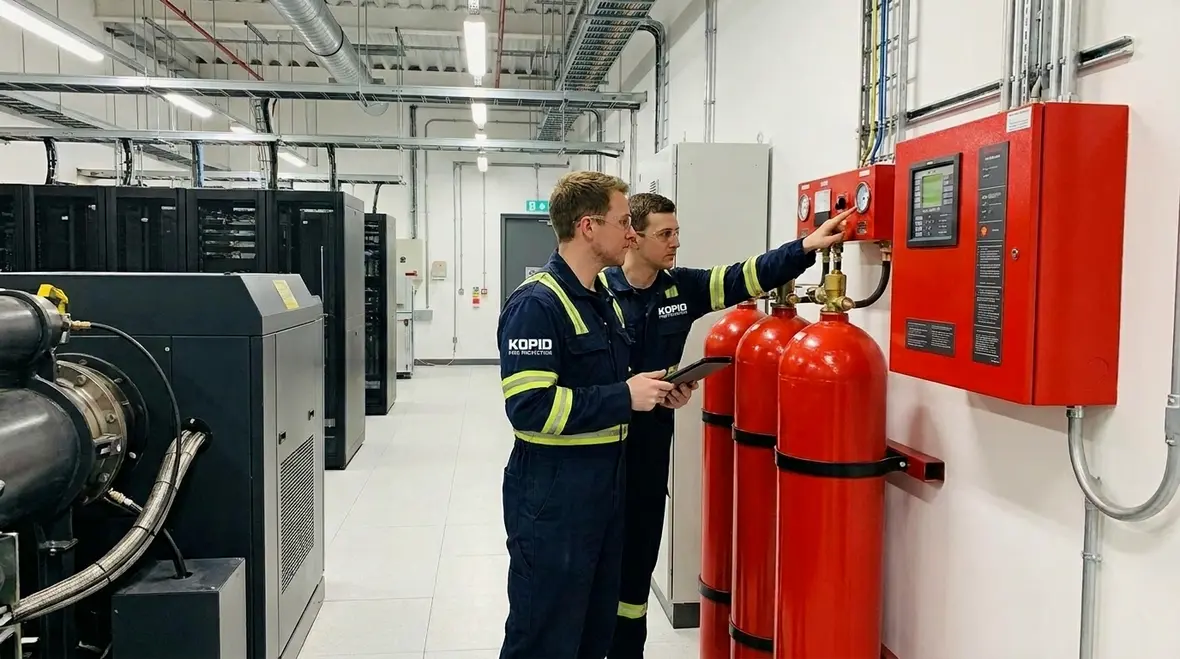
Advanced Suppression Technology for Industrial Fire Safety Systems
Industrial fire safety systems play a quiet but powerful role in keeping specialized facilities online when hazards get ugly fast. In that same spirit, Kord Fire Protection technicians often explain that good protection does not start with a purchase order. It starts with a clear understanding of what can burn, how it burns, and what the equipment must do under real-world stress. And yes, the fire doesn’t care about spreadsheets any more than a sitcom villain cares about due process.
When a facility faces specialized industrial hazards, selecting advanced suppression technology becomes a disciplined process. It also becomes a practical one, because the right system can reduce damage, protect people, and support business continuity. This article walks through how Kord fire protection technicians think about the choice, what to ask, and how to avoid the classic mistake of buying “cool technology” that does not match the hazard.
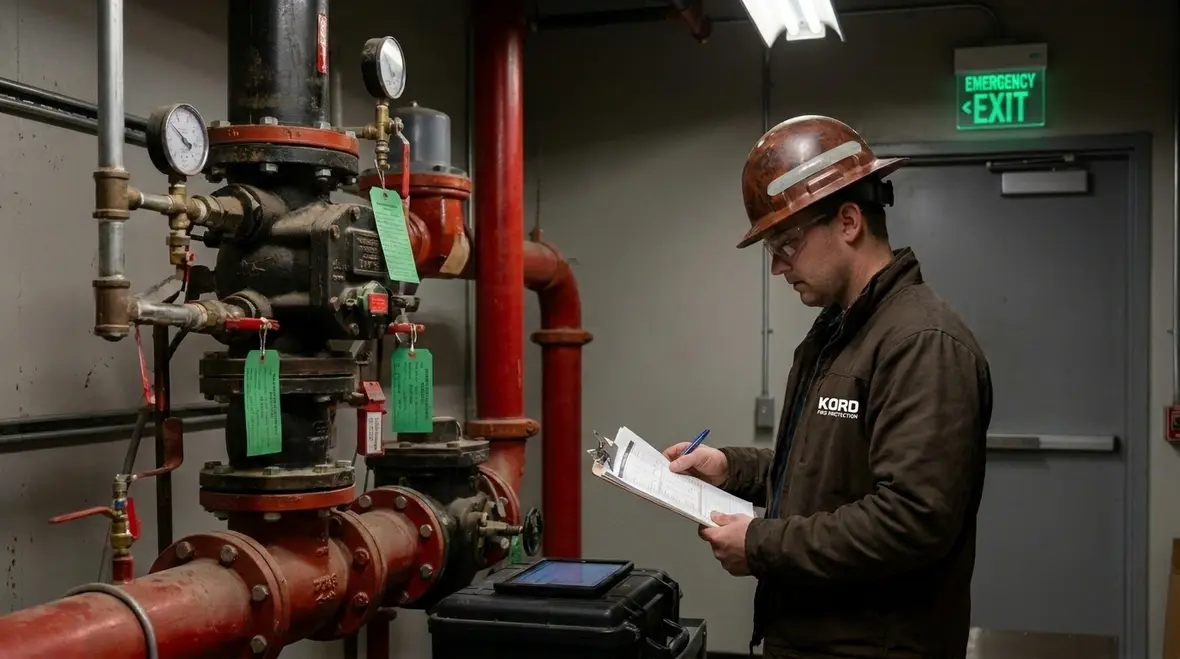
Match the Hazard, Not the Hype
Before any advanced suppression technology gets installed, Kord fire protection technicians focus on hazard matching. That means the facility team identifies the fire behavior and the environment, then selects the method that fits. Many sites fail here because they treat suppression like a one size tool.
Specialized industrial hazards often include materials that behave differently than typical office combustibles. For example, some fuels produce fast flaming fires, while others create deep, heat-heavy conditions or heavy smoke. Additionally, certain processes involve unique ignition sources, such as hot surfaces, electrical faults, mechanical sparks, or chemical reactivity. Therefore, the suppression approach must respond correctly at the start of the event.
In practical terms, Kord fire protection technicians help teams map hazard severity to system performance. They consider compartment volume, ventilation, enclosure integrity, and the likely location of ignition. They also consider whether a fire will spread as a surface fire, a liquid fire, or a hidden deep-seated event. When the hazard model fits, the technology can do its job without acting like a remote control aimed at a TV that is already off.
Understand Suppression Agents and Their Tradeoffs
Next, the selection process shifts to agents. Advanced systems can use water based approaches, inerting gases, chemical suppression agents, or hybrid methods. Each option has strengths, and each has conditions where it works best.
Kord fire protection technicians typically explain it this way. Water based systems can absorb heat and cool surfaces. However, they may not be suitable for certain energized electrical scenarios or for fuels that spread quickly. Inerting agents can reduce oxygen in the protected space. Yet, the facility must confirm that the enclosure can hold the concentration long enough. Chemical agents can interrupt the fire chemistry, but the site must evaluate cleanup impact, compatibility, and any occupancy needs during and after discharge.
To keep this business casual and real, the best agent choice follows three rules. First, it should control the hazard behavior. Second, it should meet the environment constraints, such as ventilation, enclosure leaks, and temperature swings. Third, it should protect people and equipment during and after discharge. If it fails any one of these rules, the system becomes a high cost experiment, and nobody wants to explain that in a budget meeting.
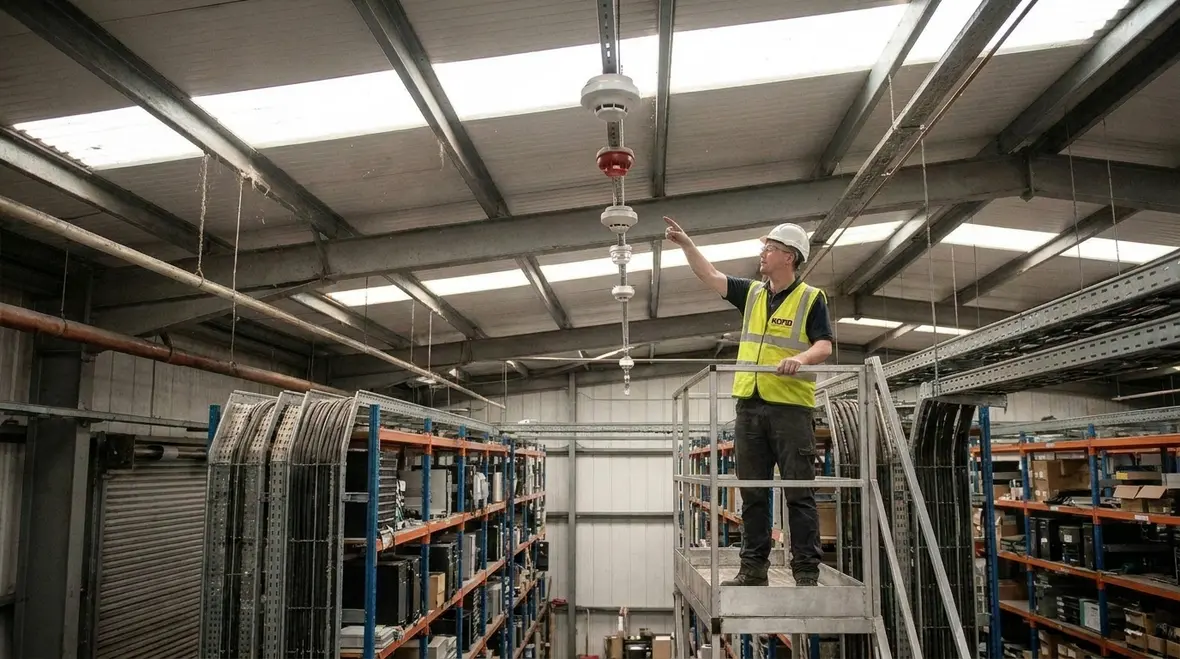
Design for Detection, Access, and Response Time
Suppression technology does not work alone. Therefore, detection and response design must match the hazard timeline. Kord fire protection technicians commonly stress that many “system failures” come from slow detection, poor coverage, or mismatched actuation.
Industrial sites can include tall racking, ducted airflow, cable trays, dust layers, or concealed voids. Each feature changes how smoke, heat, or flame signals travel. As a result, designers select detection types based on the fire signatures expected at that facility. They also place detection devices where they will see the hazard early enough to trigger suppression.
Then, they confirm discharge distribution. A nozzle that sprays well in a clean test chamber may not perform the same way in a dusty, cluttered, or partially enclosed space. Thus, technicians often review obstruction hazards, cable routing, and airflow patterns. They also verify that the system can reach the likely ignition point before the fire grows beyond control.
When the design aligns, the system responds with intent, not luck. And yes, luck is great for poker, not great for fire protection.
Plan for Compliance and Documentation Requirements
Advanced suppression selection also depends on standards, local requirements, and documentation. This is where Kord fire protection technicians stay methodical, because thorough records help confirm safe operation and support inspections.
During planning, they typically review hazard classifications, system performance criteria, and the intended operating scenarios. They coordinate with stakeholders on acceptance testing, installation verification, and ongoing maintenance planning. They also help teams define operational modes, such as total flooding, local application, or automatic shutoff sequences for related equipment.
Additionally, facilities often need clear procedures for alarm handling, system manual release, and emergency response roles. This matters because the fastest discharge still requires the facility to manage evacuation, control building systems, and communicate with responders. In other words, suppression technology helps, but people must still act.
For managers, the win is simple. Good documentation reduces confusion during audits, supports training, and strengthens confidence that industrial fire safety systems will perform when they should. After all, nobody enjoys finding out compliance gaps during a drill, like discovering your smoke detector has been “decorative” for years.
Evaluate Installation Constraints and Maintain Performance
Even the best designed system can underperform if installation details fail. Therefore, Kord fire protection technicians pay close attention to space constraints and maintainability. Specialized industrial hazards often live in harsh areas, where heat, vibration, corrosion, dust, and mechanical stress challenge equipment.
Technicians review mounting points, piping runs, actuator locations, and power or control integration. They check access for inspection, recharging, and component replacement. They also confirm that the system will operate reliably despite environmental effects.
Maintenance matters because suppression systems do not stay perfect on their own. Kord fire protection technicians often recommend a maintenance plan that includes inspection intervals, functional testing where applicable, and clear procedures for any agent refill or component replacement. They also focus on keeping detection devices clean and unobstructed, since buildup can delay response or reduce sensitivity.
When facilities plan for maintenance upfront, the system keeps its promise. When they don’t, it becomes the kind of asset that works only in the training video. And those videos never show the part where the real discharge gets delayed by a forgotten valve.
Choose the Right System Architecture for Specialized Hazards
Now comes a key decision: system architecture. Kord fire protection technicians often help teams choose between total flooding, local application, zoned protection, and hybrid concepts, depending on the hazard and enclosure strategy.
Total flooding architectures can suit spaces where the enclosure can hold the agent concentration and where the hazard sits within a defined volume. Local application architectures can fit rooms with complex layouts, where the hazard sits at a specific location. Zoned approaches can protect separate areas without flooding the whole site. Hybrid systems can combine features, such as targeted suppression plus cooling or post-fire control steps.
This is also where operational safety gets handled. For example, if a facility has frequent start up and shutdown cycles, the architecture must avoid unnecessary discharges and support safe automatic release conditions. Additionally, if the hazard includes electrical components, the chosen approach must address the specific risks, including safe agent behavior around energized equipment.
Throughout this planning, Kord fire protection technicians emphasize realism. They ask how the area runs during normal operations, how quickly a hazard could start, and how the space changes when doors open, equipment moves, or ventilation systems cycle. When the architecture fits how the facility actually behaves, industrial fire safety systems deliver real protection rather than theoretical protection.
FAQ: Advanced Suppression Technology Selection
Conclusion: Take the Next Step with Kord Fire Protection
Selecting advanced suppression technology for specialized industrial hazards works best when the facility builds a clear hazard picture, matches the agent and architecture to real conditions, and plans detection plus maintenance from day one.
Kord fire protection technicians guide teams through that process with practical design thinking and documentation discipline.
If a facility wants industrial fire safety systems that perform under stress, it should schedule a professional hazard review and system design consult now.
That way, protection stays calm, controlled, and ready, unlike an unprepared plan that shows up late to its own emergency.
Ready for a hazard review?
Let Kord Fire Protection align your suppression technology with the real-world behavior of your industrial hazards. Get a professional system design consult and leave the “cool technology” trap behind.
Know Your Weapon Before You Fight the Flame
Kord Fire Protection is your go-to when it comes to all things fire protection. For over 20 years, we’ve been serving Southern California with the quality service and equipment to keep your home or business safe at all times. Our competitive prices reflect our unwavering commitment to protecting what matters most in the event of a fire emergency. Give us a call, send an email, or use that form!

Join Our Newsletter!
Get the latest fire safety tips delivered straight to your inbox From our Newsletter.



