
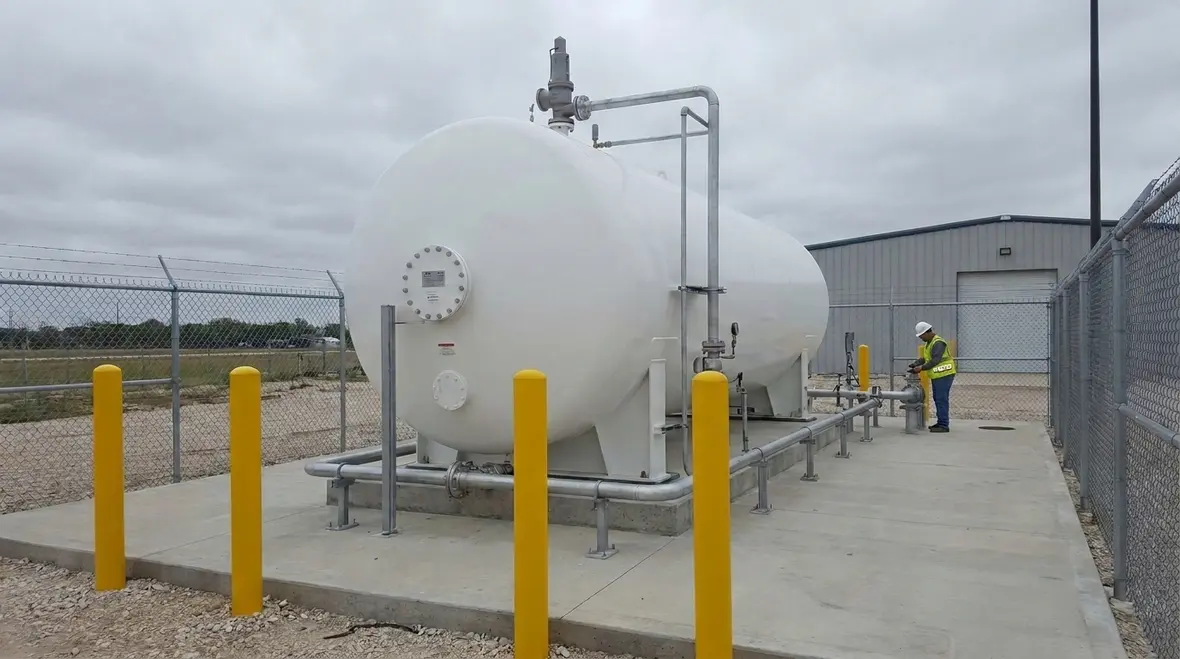
NFPA 52 Section 21.5: Installing ASME LNG Containers
Quick Answer: NFPA 52 Section 21.5 sets the engineering and safety expectations for placing ASME LNG containers, including siting, separation, fire protection features, operational access, and compliance documentation. Facilities must verify design coordination, installation quality, and ongoing inspection readiness to maintain safe operation.
For a related look at how broader placement decisions affect LNG projects, see supplemental siting and construction requirements for LNG sites. It fits naturally with Section 21.5 because container installation problems rarely stay politely inside one paragraph of the code.
What does NFPA 52 LNG container installation requirements mean in practice?
NFPA 52 LNG container installation requirements are not just a placement checklist. Section 21.5 drives how an ASME LNG container connects to the surrounding site hazards, how personnel reach protective equipment safely, and how the installed condition supports safe pressure relief, venting, and emergency response. In commercial and industrial settings, compliance failures typically come from gaps between design intent, construction execution, and maintenance planning.
Section 21.5 scope: where ASME container installation controls start
NFPA 52 Section 21.5 focuses on the installation of ASME LNG containers and related systems such that the container can operate within its listed envelope and the site can support safe operation. The controlling themes include:
- System integration: Container installation must align with the LNG system design, including piping supports, electrical classification interfaces, and vapor handling arrangements.
- Site hazards and exposure: The installation must account for exposure to fire from nearby combustibles and operational hazards that could compromise the container or safety devices.
- Maintainability: The installed configuration must preserve access for inspection, routine checks, and corrective maintenance of container components and safety devices.
- Defensible documentation: Facilities must be able to demonstrate that the as built condition matches the approved installation basis and inspection requirements.
How facilities should plan the “placement and protection” package
Facilities often treat siting as a civil and layout issue. NFPA 52 Section 21.5 treats it as a life safety and system integrity issue. A compliant installation plan should include the following elements early, before construction locks in final elevations and anchor points.
1) Siting, spacing, and exposure control
Installed spacing drives how the container withstands nearby heat loads and supports safe firefighting operations. The site plan should define:
- Clear separation from buildings, property lines, ignition sources, and specific exposure hazards
- Management of sheltered grade changes, drainage paths, and areas where LNG vapors could accumulate
- Wind and vapor dispersion considerations based on local conditions, not generic assumptions
2) Physical protection and damage prevention
Common commercial failure points include impacts from vehicles, equipment movement, and maintenance activity. NFPA 52 LNG container installation requirements typically demand that physical protection supports uninterrupted safe operation. A site should address:
- Vehicle protection barriers where forklifts or mobile equipment operate nearby
- Protection of external piping runs, valves, and fittings from mechanical damage
- Weather and corrosion protection details consistent with the container and piping materials
3) Emergency access and operational access
Inspection and emergency response must work the way the installation was designed. The facility should define vehicle access routes, safe walkways, and equipment placement clearances that prevent access conflicts during incidents. In practice, missed access clearances are frequent triggers for “cannot reach safety components” during inspections and drills.
Installation mechanics: what inspectors and installers must verify
Compliance depends on how the container is anchored, connected, and inspected as installed. Under Section 21.5, the installation process should explicitly manage quality control for both the container and its connected systems.
Anchoring, leveling, and foundation integrity
ASME container performance can be sensitive to support conditions. Facilities should verify:
- Foundation design adequacy for container loads, including thermal and operational effects
- Correct leveling and alignment to prevent strain on connected piping or fittings
- Proper installation of anchor components and interfaces that maintain stability over time
Piping interfaces, supports, and stress management
Many NFPA 52 LNG container installation requirements failures do not appear during the commissioning window. They appear later due to stress, misalignment, or unverified support conditions. The installation should confirm:
- Piping supports and restraints limit stress on container nozzles and safety device connections
- Flexibility and thermal movement were accounted for in the design intent
- Leak testing was completed and documented for relevant phases of the installation
Electrical and safety device interfaces
LNG environments require careful coordination of electrical equipment and safety device interfaces. Facilities should ensure that:
- Electrical classification boundaries are maintained and installer modifications do not create unsafe conditions
- Wiring methods and termination practices support long term reliability
- Safety device activation paths remain unobstructed and accessible
Common compliance gaps during construction and commissioning
On commercial and retail sites, the installation scope often competes with schedule pressure and concurrent work by multiple contractors. The following gaps repeatedly undermine NFPA 52 LNG container installation requirements and lead to costly rework.
- As built drift: Layout, grading, or protective features differ from the approved installation basis, reducing separation margins or access.
- Inadequate documentation: Installers complete work but cannot produce verification records such as alignment checks, leak test results, inspection signoffs, and commissioning test reports.
- Uncoordinated maintenance access: Labels, access panels, and service clearances are obstructed by secondary piping, insulation changes, or “temporary” materials.
- Improper interface handling: Field routing of cabling, grounding changes, or piping rework creates compatibility issues with the design intent.
- Fire protection integration misses: The fire protection approach may not align with actual container exposure conditions, emergency access patterns, and inspection testing sequences.
Ongoing inspection and maintenance: sustaining Section 21.5 compliance
Installation is not the end of the compliance obligation. Section 21.5 expectations carry forward through the facility’s inspection, testing, and maintenance program. Commercial facilities should plan for:
- Scheduled inspection readiness: Clear access routes and adequate working space for personnel and equipment used during inspections.
- Safety device verification: Routine checks that protective and relief pathways are unobstructed and operate as designed.
- Vegetation, debris, and drainage control: Vapor accumulation risk increases when site conditions drift from original design intent.
- Change management: Any modification to piping, electrical systems, protective barriers, or adjacent hazards triggers compliance review and documentation updates.
To reduce operational downtime and inspection surprises, Kord Fire Protection supports commercial operators with practical compliance planning, testing coordination, and maintenance services that align fire protection scope with real container installation conditions. If you want a practical starting point for facility fire risk documentation and inspections, review Kord Fire Protection’s resources here: Kord Fire Protection.
NFPA 52 Section 21.5 in context: how it affects commercial site fire safety programs
In commercial, industrial, and retail environments, LNG container installations interact with broader fire safety responsibilities such as emergency planning, contractor controls, training, and operational readiness. Even when only part of the overall fire protection system is under active installation, the facility must ensure the LNG container installation requirements fit the whole program.
- Training alignment: Personnel must recognize the container, its access points, and the boundaries for safe approach.
- Contractor coordination: Hot work controls, equipment staging, and lifting operations must not compromise the installed condition.
- Record integrity: Inspectors and AHJs expect documentation that shows consistent compliance through commissioning and ongoing checks.
Frequently Asked Questions
Next step: verify your installation readiness
If your project is in design, construction, or commissioning, schedule an installation compliance review focused on NFPA 52 LNG container installation requirements, access, and documentation readiness. Kord Fire Protection can support your ongoing testing and maintenance planning so your site stays inspection ready and operational. Contact Kord Fire Protection today to align your fire safety program with the installed LNG container configuration.

Join Our Newsletter!
Get the latest fire safety tips delivered straight to your inbox From our Newsletter.


