
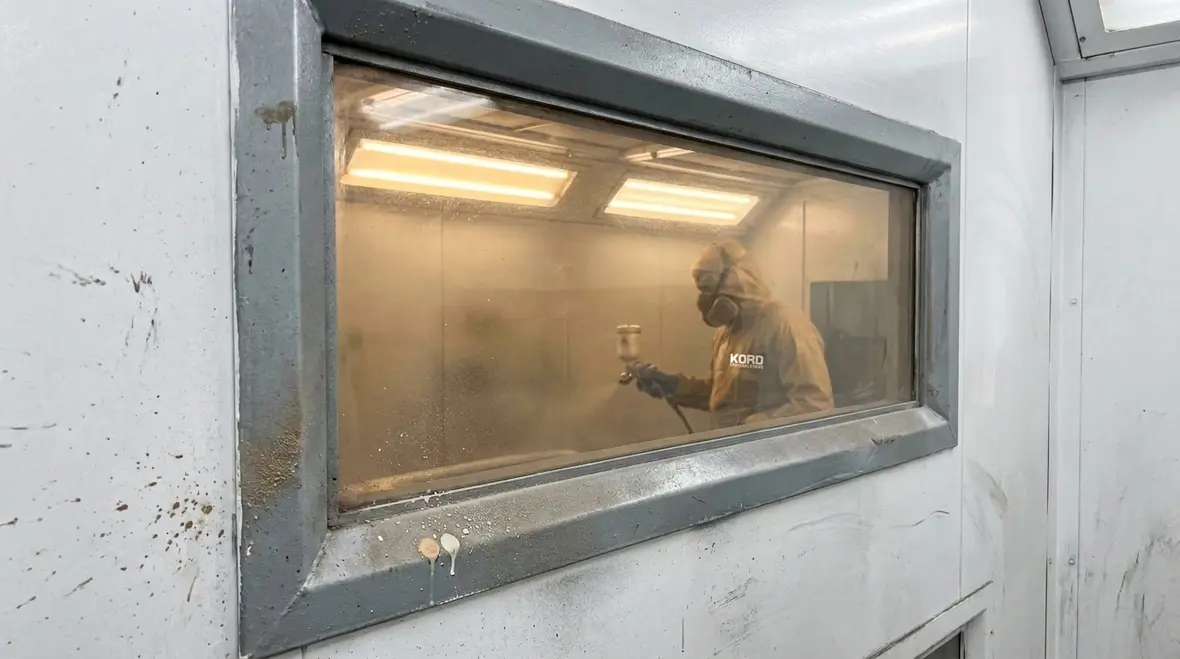
NFPA 33 Section 5.6: Illumination and Observation Panels for Spray Spaces
Quick Answer
NFPA 33 Section 5.6 sets requirements for illumination and observation panels in spray spaces to support safe viewing and prevent ignition hazards. The standard emphasizes suitable construction, protected placement, and maintenance so operators can inspect operations without compromising spray area safety.
Facilities reviewing adjacent spray operation requirements may also find it helpful to read spray booth fire suppression for safer paint operations, especially when inspection planning, booth hazards, and maintenance documentation all need to work together naturally. ([kordfire.com](https://kordfire.com/spray-booth-fire-suppression-for-safer-paint-operations/?utm_source=openai))
What NFPA 33 Section 5.6 is trying to prevent in spray operations
In spray spaces, illumination and observation functions are not “nice to have.” They directly affect safe control of spray processes, including monitoring coat application, checking transfer patterns, spotting abnormal conditions, and confirming the status of ventilation and equipment. NFPA 33 treats these features as potential ignition sources if they are poorly designed, improperly installed, damaged, or left unmaintained.
Facilities that plan and maintain NFPA 33 spray area illumination observation panels must therefore manage both life safety and operational reliability: the panels must provide visibility while remaining compatible with hazardous locations, spray environment conditions, and routine maintenance practices.
Where illumination and observation panels are used and why location matters
Illumination and observation panels are commonly installed in spray booths, spray rooms, and associated enclosures where operators need to see the work area without entering the spray space. Typical placements include wall sections, viewing windows, or panelized openings adjacent to control areas. The requirement intent is consistent: operators must observe the spray process effectively, and the panel system must not introduce unsafe conditions.
From an engineering and compliance standpoint, panel location drives risk. Panels placed where they can be struck by hoses, overspray impact, cleaning tools, or maintenance traffic become more likely to fail structurally or lose protective integrity. Panels mounted near airflow transitions can also accumulate residue that blocks visibility, causing operators to compensate by operating longer, opening the space more often, or delaying shutdown during abnormal events.
Core compliance expectations for NFPA 33 spray area illumination observation panels
NFPA 33 Section 5.6 focuses on ensuring the illumination and observation system supports safe operations. While the exact construction details depend on the facility design and panel type, compliance evaluations typically consider these operational performance factors:
1) Adequate visibility for normal operation
Operators must be able to observe the spray process and the work area as intended. Poor lighting levels, tinted or degraded glazing, fogging, and residue buildup can reduce visibility to the point that operators cannot identify abnormal spray conditions or confirm safe states. The result is a practical compliance failure: the system exists, but it does not function as required.
2) Protection from spray environment damage
Spray spaces create demanding exposure conditions. Panels face solvent vapors, overspray deposition, cleaning chemicals, temperature cycling, and impacts. A panel system must maintain protective integrity over time. If illumination fails or observation paths degrade, the facility’s safe operating procedures often become ineffective.
3) Ignition hazard control and compatibility with the hazardous location design
Illumination components and panel materials must align with the hazardous location classification and ignition control design basis for the spray space. During inspections, auditors typically look for evidence that the lighting system is suitable for the area and that any changes made during maintenance or upgrades did not introduce incompatible components.
4) Integrity of the panel opening and sealing approach
Observation panels usually involve an opening through which light transmits and visibility occurs. That opening must preserve enclosure integrity. Loss of sealing, damaged gaskets, cracked frames, or improperly repaired seams can allow bypass airflow and compromise the designed spray enclosure performance.
How inspections typically evaluate illumination and observation panels
Commercial facilities often assume that “visual condition checks” alone satisfy compliance. In practice, inspection programs must connect panel condition to safety function. A strong inspection includes both verification and evidence capture.
Inspection checks that hold up during audits
Visibility verification: Confirm operators can see the work area under expected lighting and typical operational conditions.
Illumination verification: Verify operational status, consistent light output, and that lighting does not flicker, overheat, or fail intermittently.
Mechanical integrity: Check frames, glazing, fasteners, and mounts for cracks, warping, loose components, or impact damage.
Seal and enclosure integrity: Look for gaps, missing gaskets, degraded sealing surfaces, and signs of overspray leakage at the panel perimeter.
Residual buildup and maintenance performance: Confirm cleaning practices keep visibility within acceptable operating levels and do not damage protective materials.
Component compatibility: Verify that replacements for lamps, drivers, lenses, and housings match the original hazardous location suitability requirements.
Common failure points that drive noncompliance
Most repeat issues fall into a small group of root causes:
Degraded glazing: Overspray deposition and chemical attack can cause haze that reduces safe observation.
Unauthorized lighting swaps: Maintenance teams sometimes replace failed components with general duty parts that are not suitable for the spray space design basis.
Damaged seals after service: Improper reinstallation after panel removal can leave gaps that affect enclosure performance and inspection outcomes.
Loose mounting and vibration: Repeated service events can loosen fasteners, allowing micro movement, cracking, or seal wear.
Maintenance procedures that keep panels compliant over time
Compliance depends on sustained performance, not one-time installation. Kord Fire Protection typically helps commercial teams turn NFPA 33 requirements into practical maintenance routines that reduce operational drift.
Develop maintenance around real degradation mechanisms
Spray environments degrade components in predictable ways. Maintenance programs should address:
Cleaning method control: Select cleaning agents and tools that remove overspray without attacking glazing, coatings, seals, or illumination housings.
Scheduled visibility checks: Include panel visibility verification in routine rounds, not only during major safety reviews.
Documented replacement criteria: Require pre approved parts for lighting and observation assemblies so upgrades do not introduce incompatible ignition controls.
Post service verification: After panel service, verify sealing, secure mounting, and illumination operation before returning to production.
Testing and documentation approach
A defensible compliance record ties each finding to a corrective action. For example, if illumination levels drop due to lens film or component aging, the documentation should capture the observed condition, the corrective method, the part used, and the verification that visibility returned to safe operating performance.
Partnering for ongoing compliance: where Kord Fire Protection fits
Commercial, industrial, and retail facilities often face recurring challenges: staff turnover, production pressure that delays inspection windows, and maintenance that prioritizes speed over hazard controls. Kord Fire Protection supports teams by providing professional inspection, testing, and ongoing service planning so NFPA 33 spray area illumination observation panels remain safe, functional, and audit ready.
For teams that need a broader view of system readiness across properties, Kord Fire Protection also supports comprehensive fire suppression system services for inspection, testing, repair, and maintenance planning. ([kordfire.com](https://kordfire.com/fire-suppression/?utm_source=openai))
Frequently Asked Questions
Next step
Facilities should confirm that their NFPA 33 spray area illumination observation panels maintain visibility, enclosure integrity, and ignition hazard compatibility throughout service life. Engage Kord Fire Protection to review panel condition, illumination function, maintenance records, and replacement practices, then build a repeatable inspection and corrective action plan that supports ongoing compliance with minimal production disruption.
For a closely related compliance read, see NFPA 33 Section 1.2: Fire and Explosion Prevention in Spray Operations. ([kordfire.com](https://kordfire.com/nfpa-33-section-1-2-purpose-fire-and-explosion-prevention-in-spray-operations/?utm_source=openai))

Join Our Newsletter!
Get the latest fire safety tips delivered straight to your inbox From our Newsletter.



