NFPA 13 Section 16.5 — Protection of Risers from Mechanical Damage
NFPA 13 protection risers mechanical damage is addressed in section 16.5, which requires protecting risers from physical damage to maintain sprinkler operation during a fire. The article details accepted protective strategies, inspection routines, and maintenance workflows used in commercial facilities to prevent damage.
If you want the broader code context first, this NFPA 13 overview of automatic fire sprinkler system installation helps connect riser protection requirements to the larger sprinkler system design picture. And when those requirements need to turn into field-ready work, Kord’s fire sprinkler services and repair support fit naturally into inspection, repair, and upgrade planning.
Overview and intent of NFPA 13 Section 16.5
The intent of this section is to minimize the risk of sprinkler riser impairment caused by everyday construction, maintenance activity, and equipment in occupied spaces. It recognizes risers as critical life safety components whose damage can compromise system reliability. Implementers must evaluate exposure, select appropriate protective measures, and document installation and maintenance actions consistent with NFPA 13 protection risers mechanical damage requirements.
Key protection strategies for riser assemblies
Physical barriers and guards
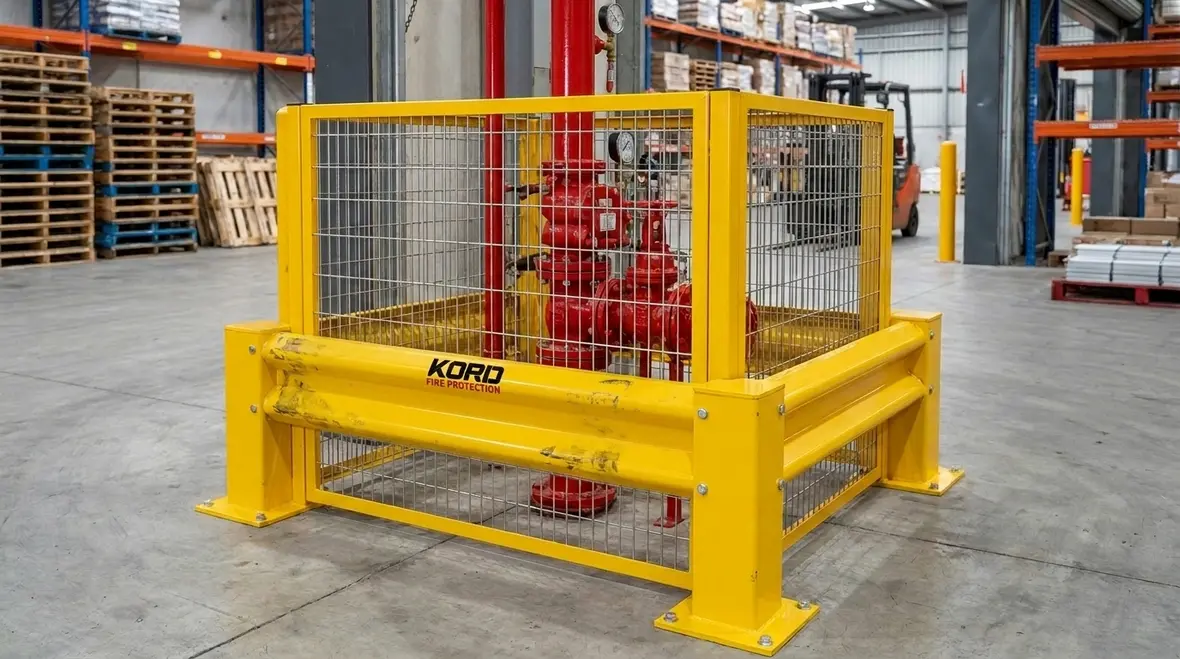
Installing robust physical barriers prevents contact with forklifts, carts, and other mobile gear. Barriers should span the height of exposed riser assemblies and be constructed from impact resistant materials. Regular inspections verify barrier integrity and alignment to deter inadvertent contact.
Riser enclosures and cabinets
Enclosures or dedicated cabinets reduce vulnerability by housing riser connections and valves in tamper resistant, clearly labeled spaces. Enclosures should provide adequate ventilation for heat dissipation and maintain accessible clearance for maintenance personnel on all sides.
Riser placement and clearance
Strategic siting away from high traffic lanes, mechanical rooms with frequent activity, and industrial equipment lowers damage risk. Maintain minimum clearances for inspection and operation, ensuring that doors or access panels do not create sharp pinch points or obstruction during service tasks.
Inspection, testing, and maintenance practices
Routine visual inspections
Inspect riser protection elements during monthly walkdowns and NFPA 25 style annual tests. Look for dents, misalignment, loose fasteners, and damage to guards, enclosures, and signage. Document any corrective actions and track trends over time.
Preventive maintenance and component checks
Schedule preventive maintenance to service mounts, guards, and protective barriers before wear thresholds are reached. Verify access doors operate smoothly, hinges remain secure, and protective coatings are intact to resist corrosion and impact.
Documentation and compliance records
Maintain a centralized log of protective measures, inspection findings, repairs, and replacement parts. Ensure records support regulatory compliance, facilitate audits, and enable quick risk assessment for facility managers and technicians.
Compliance challenges in commercial, industrial and retail facilities
Commercial properties face diverse exposure scenarios from retail backrooms to busy warehouse aisles. High traffic, pallet jacks, and large equipment increase the chance of mechanical contact with risers. In retrofit projects, existing structural constraints and space limitations can complicate barrier installation. Ongoing maintenance requires coordination with building management, tenants, and safety teams to ensure protective measures remain effective without impeding operations.
Practical implementation and best practices
Start with a site risk assessment that identifies exposure levels for each riser. Prioritize protective strategies based on exposure, criticality, and ducting or piping proximity. Use durable materials, clearly labeled barriers, and redundant protection where needed. Align installation with design documents and NFPA 13 protection risers mechanical damage guidelines. Schedule periodic re inspections and promptly address any degradation observed during routine operations.
Role of Kord Fire Protection in NFPA 13 protection risers mechanical damage
Kord Fire Protection serves as a trusted partner for commercial facilities seeking ongoing compliance, testing, and maintenance coverage. The team offers risk assessments, design reviews, protective barrier installations, enclosure selections, and commissioning support. Kord coordinates with facilities teams to minimize downtime and ensure up to date protection that aligns with NFPA 13 requirements.
Frequently Asked Questions
Conclusion and action: Protecting risers from mechanical damage is essential to maintain reliable sprinkler performance. Schedule a risk assessment with Kord Fire Protection to review current protections, plan cost effective upgrades, and implement a maintenance program that keeps NFPA 13 protection risers mechanical damage compliance current across your facility.

Join Our Newsletter!
Get the latest fire safety tips delivered straight to your inbox From our Newsletter.