NFPA 1 Section 33.7 Altered Tire Material Storage Fire Safety
Quick Answer: NFPA 1 Section 33.7 sets the rules for storing altered tire material so fire risk stays under control. For industrial, retail, and commercial sites across Australia, this means smarter stacking, safer access, and stronger fire prevention. It also makes altered tire material storage, tire scrap storage fire code, and processed tire material fire safety NFPA easier to manage with the right partner.
When a site handles tire waste, the job is not just about space. It is about risk, heat, access, and fast action if something goes wrong. That is where altered tire material storage, the tire scrap storage fire code, and processed tire material fire safety NFPA guidance come into play. These rules shape how facilities reduce fire danger, protect assets, and keep operations moving. In practice, they also create a clear need for a fire protection partner who understands the pressure of real work on real sites. Near the top of that planning process, many facilities benefit from broader fire protection support for compliance and readiness so the storage strategy fits daily operations instead of fighting them. Kord Fire Protection can become that vital partner, helping teams stay ahead of problems instead of racing behind them like a bad sequel nobody asked for.
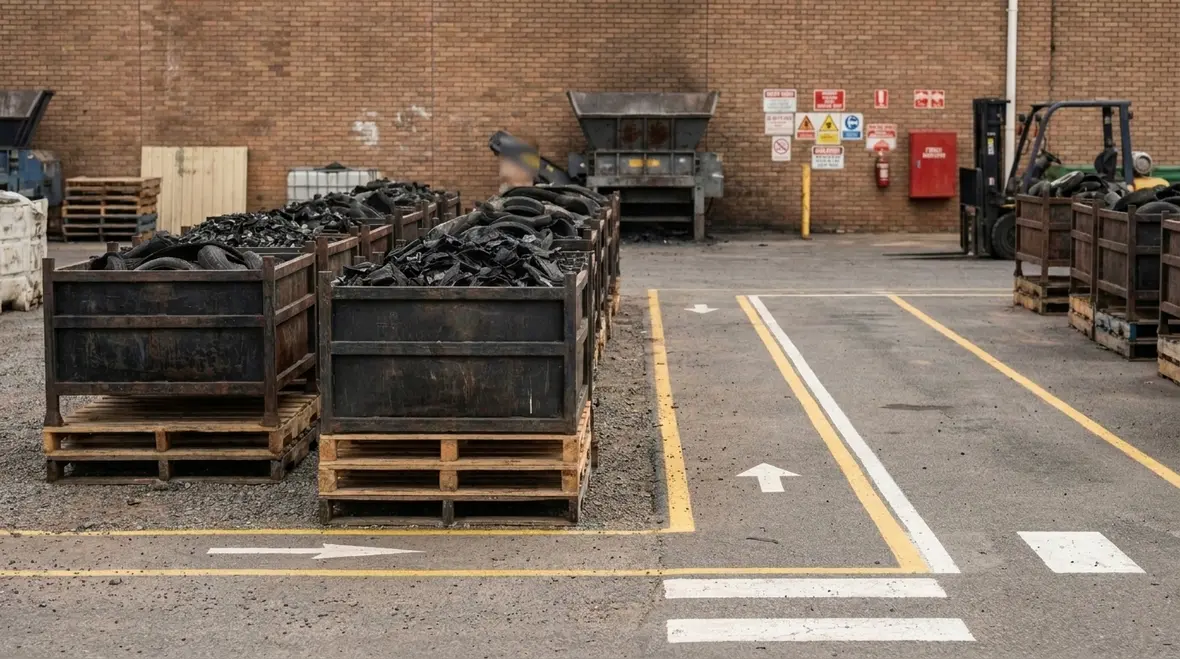
What NFPA 1 Section 33.7 Means for Tire Storage
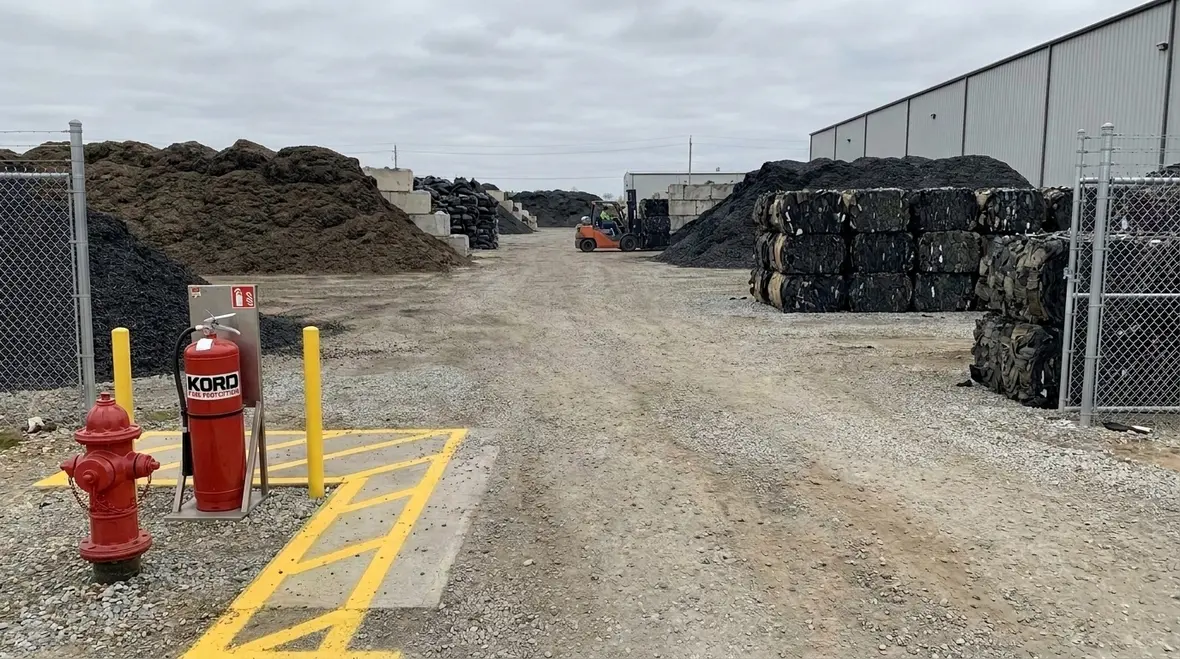
NFPA 1 Section 33.7 focuses on altered tire material and the way it must be stored to reduce fire spread. In plain terms, once tires are cut, shredded, baled, or processed, the fire profile changes. Heat can build faster, smoke can travel farther, and a small ignition source can become a large problem. Therefore, sites must treat this material with care, not guesswork.
For Australian facilities that manage waste streams, recycling, logistics, or manufacturing support, the rule matters because storage areas often sit near equipment, vehicles, or loading zones. That mix can turn into trouble quickly. As a result, the storage layout, separation, and protection plan all need attention. It also helps to review broader prevention guidance such as NFPA 1 fire prevention and safety guidance so the storage decision is part of a larger site strategy rather than one lonely paragraph in a compliance folder.
Why altered material changes the hazard profile
Whole tires are already a challenge, but altered tire material can create a more complicated fuel package. Shredded, chipped, baled, or cut pieces can settle tightly, trap pockets of heat, and increase the surface area exposed to ignition. That means a small issue can escalate faster than staff expect, especially in busy yards where equipment moves constantly and housekeeping is not always living its best life.
This is why Section 33.7 matters so much in the real world. It pushes operators to think in terms of fire behavior, not just storage convenience. A pile that fits the space may still be a bad idea if it crowds access routes, sits near mechanical heat, or allows flame spread from one area to the next. Fire safety in these spaces is less about optimism and more about disciplined layout decisions made before the trouble starts.
How altered tire material storage affects fire risk
Altered tire material does not behave like loose paper or general waste. It can pile up in ways that trap heat. It can also burn with heavy smoke and tough suppression needs. Because of that, fire risk rises when material is packed too tightly or placed in poor locations.
- Stacking control: Keep piles stable and within safe limits.
- Clear access: Make sure fire crews and staff can reach the area fast.
- Separation: Keep the material away from ignition sources and other fuels.
In addition, regular checks matter. A storage area can look fine at a glance, yet still hide problems like blocked access, loose debris, or signs of heat. That is why active monitoring beats hopeful thinking every time. Facilities that inspect consistently also tend to spot the little operational drift that causes big headaches later, like a pile growing higher than intended or a lane slowly disappearing under “temporary” storage that somehow becomes permanent by Friday.

Three operational habits that reduce problems fast
First, train staff to understand what “good storage” actually looks like. Second, keep access lanes obvious and non-negotiable. Third, review the area whenever operations change, because new equipment, seasonal volume spikes, or revised traffic routes can quietly create fresh exposure. A facility does not need drama to create risk. It just needs one overlooked corner and one unlucky spark.
What the tire scrap storage fire code expects on site
The tire scrap storage fire code points toward practical control measures. It asks site teams to think about location, quantity, pile height, and fire separation. It also pushes the site to plan for emergency response before an alarm ever sounds.
| Area to check | Why it matters |
| Storage layout | Helps stop fire from spreading across piles |
| Access paths | Allows firefighters and staff to act quickly |
| Ignition control | Reduces the chance of sparks, heat, or equipment contact |
| Housekeeping | Removes waste that can feed a fire |
| Inspection records | Shows that the site is managing risk consistently over time |
| Staff awareness | Improves the odds of quick reporting and safer first actions |
That said, code alone does not protect a site. People do. Systems do. And when both work together, the site gets a stronger shield against costly loss. The strongest programs make expectations visible, practical, and routine. They do not hide important rules in language so dry it could start its own dust problem.
Where sites usually get into trouble
The common breakdowns are rarely mysterious. Piles expand. Lanes shrink. Vehicles get parked where they should not. Heat-producing tasks happen too close to stored material. Housekeeping gets delayed because everyone is busy, which is usually true right up until it becomes expensive. None of these failures look dramatic at first, yet together they build the kind of conditions that make emergency response slower and fire growth easier.
Why processed tire material fire safety NFPA matters to Australian facilities
Processed tire material fire safety NFPA guidance is useful because it gives facilities a clear model for managing a tricky fuel load. Even though sites in Australia must also follow local rules and authority requirements, NFPA guidance offers a strong base for planning, design, and prevention.
For industrial and commercial sites, this matters most when tire material sits in large volumes or near critical operations. A fire can stop production, damage equipment, and create long cleanup delays. It can also affect insurers, regulators, and nearby businesses. So, the goal is not just compliance. The goal is continuity.
And yes, in a world full of “we will sort it out later,” later is often when the smoke shows up. Smart facilities treat guidance like a working tool, not a ceremonial document that only comes out when somebody important is visiting.
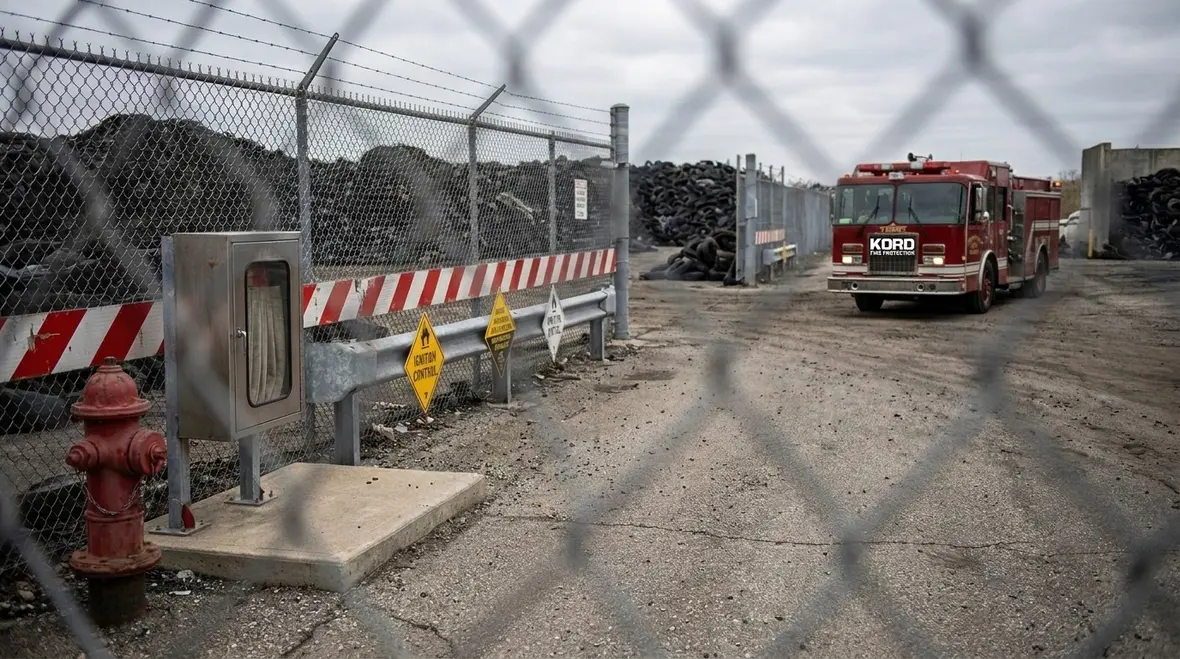
How Kord Fire Protection can support this service/job
Kord Fire Protection can become a vital partner because storage fire safety needs more than a basic checklist. It needs a team that understands site layouts, fire risk, suppression needs, and practical compliance. Moreover, Kord Fire Protection can help facilities build a plan that fits daily operations instead of forcing staff to work around broken logic and awkward systems.
Support may include fire protection advice, risk review, system planning, and help with site readiness. In addition, Kord Fire Protection can assist teams in identifying weak points before they become expensive headlines. That kind of support is valuable for warehouses, recycling yards, processing plants, and commercial facilities that handle altered tire material.
In short, the right partner helps the site move from “we hope it is fine” to “we know it is controlled.” That is a far better place to stand. When a facility needs a more specialized response for higher risk environments, it can also make sense to review special hazard fire suppression support as part of the broader protection strategy.
What practical support looks like on a real site
Practical support is not just technical language and a clipboard. It means understanding how the site runs on normal days and messy days. It means aligning inspections, access, protection systems, and emergency planning with real traffic flow, real staffing, and real material volumes. That is the difference between a plan that works and a plan that looks great until somebody actually needs it.
What a strong compliance plan should include
A smart compliance plan should be simple, practical, and easy to maintain. It should not hide behind fancy language or a binder that gathers dust like an old prop on a movie set.
- Clear storage limits for altered tire material
- Marked access routes for emergency response
- Regular inspections of pile condition and site housekeeping
- Ignition source control around the storage area
- Fire protection review by an experienced specialist
- Documented actions when conditions drift outside the plan
- Periodic review whenever layout, equipment, or stored volume changes
When these parts work together, the site gains better safety, lower risk, and smoother daily operations. That is good business, plain and simple. Better still, it helps teams make decisions quickly when something unusual appears, because the response is already mapped out instead of invented in the middle of a stressful afternoon.
FAQ
Conclusion
NFPA 1 Section 33.7 gives facilities a clear path to safer altered tire material storage. With the right layout, controls, and fire planning, sites can protect people, property, and operations. Kord Fire Protection can help turn that plan into something practical and reliable.
For industrial, retail, and commercial facilities across Australia, that support can make all the difference. Reach out early, stay ready, and keep the fire problem from becoming the main event. That is a much better ending than the alternative, and thankfully it is one the site can plan for.

Join Our Newsletter!
Get the latest fire safety tips delivered straight to your inbox From our Newsletter.