Fire Drill Requirements NFPA 1 Section 10.6 Explained
Quick Answer
NFPA 1 Section 10.6 sets the baseline for fire drill requirements, helping workplaces test alarms, practice evacuation, and train people to move fast and stay calm. For industrial, retail, commercial, and facility sites, Kord Fire Protection can support planning, delivery, and compliance checks so drills do not become a dramatic episode nobody asked for. Near the start of that process, it also helps to pair drill planning with broader building fire safety emergency planning for commercial facilities so the drill fits the real site instead of a theory someone scribbled five minutes before lunch.
Fire drill requirements NFPA matter because real emergencies do not wait for a convenient time slot. In commercial sites, warehouses, retail floors, and busy facilities, fire evacuation drills build speed, reduce panic, and expose weak points before a real fire does. Workplace fire drill frequency also plays a major role, because a plan only works when people remember it under pressure. NFPA 1 Section 10.6 gives clear direction, and smart site managers use it as a practical tool, not a shelf ornament.

What NFPA 1 Section 10.6 Means for Workplaces
NFPA 1 Section 10.6 focuses on fire drills as a core part of fire readiness. It expects organizations to plan, carry out, and review drills so people know what to do when an alarm sounds. In simple terms, it asks a workplace to rehearse the escape plan before smoke turns the whole day into chaos.
For industrial and commercial sites, this means more than a quick walk outside. The drill should test alert systems, exit routes, wardens, assembly points, and communication steps. It should also reflect how the site really operates. A loading dock, a stockroom, or a production line can change the flow, so the drill needs to match the real site, not a fantasy version drawn on a whiteboard by someone who has never seen the back hallway.
This is also where site leadership earns its keep. If managers treat a drill like a box to tick, staff usually follow that energy and the result is a half hearted shuffle toward daylight. If leadership treats the drill like a real readiness exercise, people notice. The process becomes sharper, roles become clearer, and small issues surface before they have the chance to become big expensive ones. That is the practical value hiding inside the code language.
Why the site specific approach matters
Every workplace has its own movement patterns, distractions, choke points, and risks. A retail floor deals with customers who may not know the exits. A warehouse deals with racking, forklifts, and wide spaces that can create false confidence. A commercial office may seem straightforward until one blocked stairwell turns a smooth evacuation into a slow moving parade of frustration. Site specific drilling keeps the exercise realistic, and realistic drills are the ones people actually learn from.

How Fire Evacuation Drills Should Work in Practice
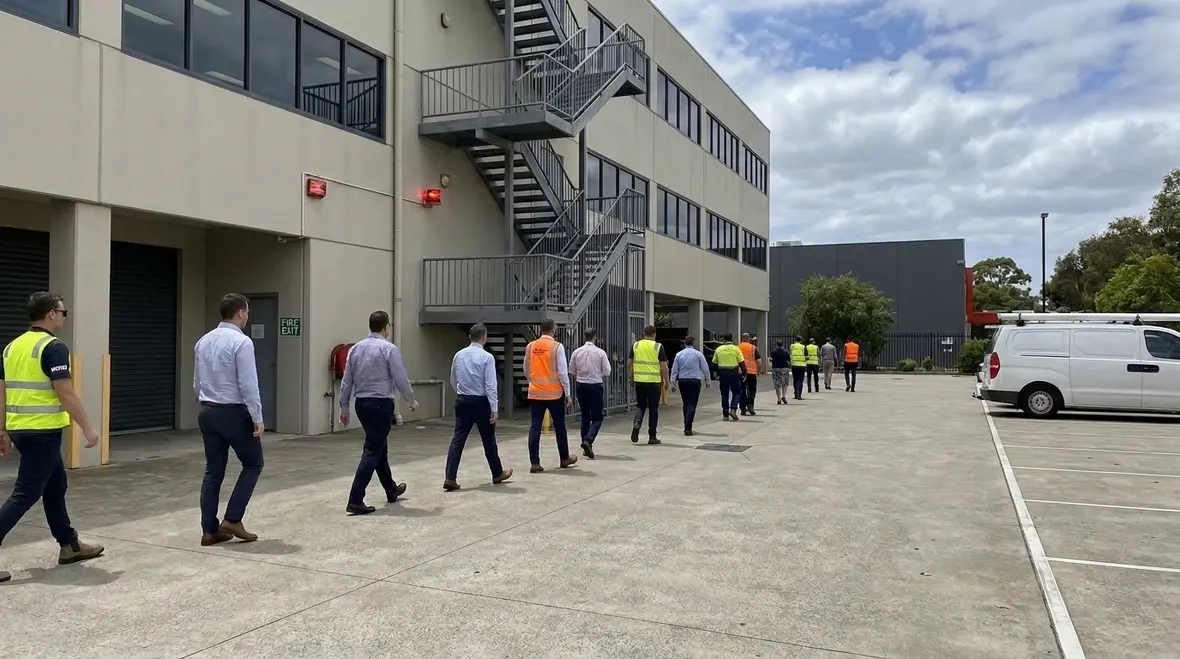
Fire evacuation drills should feel simple, clear, and repeatable. First, staff need to hear the alarm and know it means action. Then, they must leave by the right route, help visitors if needed, and gather at the correct point. After that, supervisors should check attendance and confirm everyone is safe.
Good drills also test timing. If staff freeze, backtrack, or cluster near the exit like extras in a disaster movie, the drill has done its job by showing what must improve. A calm, well run drill does not need drama. It needs honesty, discipline, and follow through.
Practice also reveals the awkward truths people prefer not to mention. Maybe one alarm cannot be heard over equipment. Maybe a side corridor becomes a bottleneck. Maybe half the team heads toward the closest door instead of the correct one because habit wins over training when pressure shows up. Those are not failures of the drill. They are exactly the reasons to run it.
What staff and wardens should do
Staff should know the alarm tone, primary and secondary exit routes, and the assembly location without having to squint at a laminated sign like it is a treasure map. Wardens should know how to sweep assigned areas, direct people away from blocked paths, support visitors, and report completion to the person coordinating the response. When those duties are explained early and refreshed often, the drill runs more like a system and less like improv theatre with safety vests.
Workplace Fire Drill Frequency and Why It Matters
Workplace fire drill frequency depends on site risk, occupancy, layout, and local rules. Some sites need more frequent drills because they change often, hold many people, or manage higher fire risk. Others may have a steadier schedule. Either way, the point stays the same: repeated practice builds instinct.
In large facilities, staff turnover and shift work can weaken memory fast. Therefore, a yearly drill may not be enough on its own. A site with new workers, varied shifts, or complex exits should review drill timing more often. This keeps safety fresh and stops the emergency plan from becoming a rumor passed around like office gossip.
Frequency matters because confidence fades. People forget routes, temporary changes become permanent obstacles, and teams drift into routine. The more dynamic the workplace, the less helpful a once in a blue moon drill becomes. Smart managers look at staffing changes, renovations, seasonal traffic, contractor activity, and process shifts, then adjust drill timing before the site learns the hard way that memory has an expiration date.
What a Strong Drill Program Includes
| Key element | What it supports |
|---|---|
| Clear alarm testing | Confirms people hear and respond fast |
| Marked exit paths | Helps staff move without confusion |
| Assembly point control | Keeps headcounts accurate and calm |
| Role training for wardens | Improves leadership during the drill |
| Post drill review | Finds delays, blockages, and weak steps |
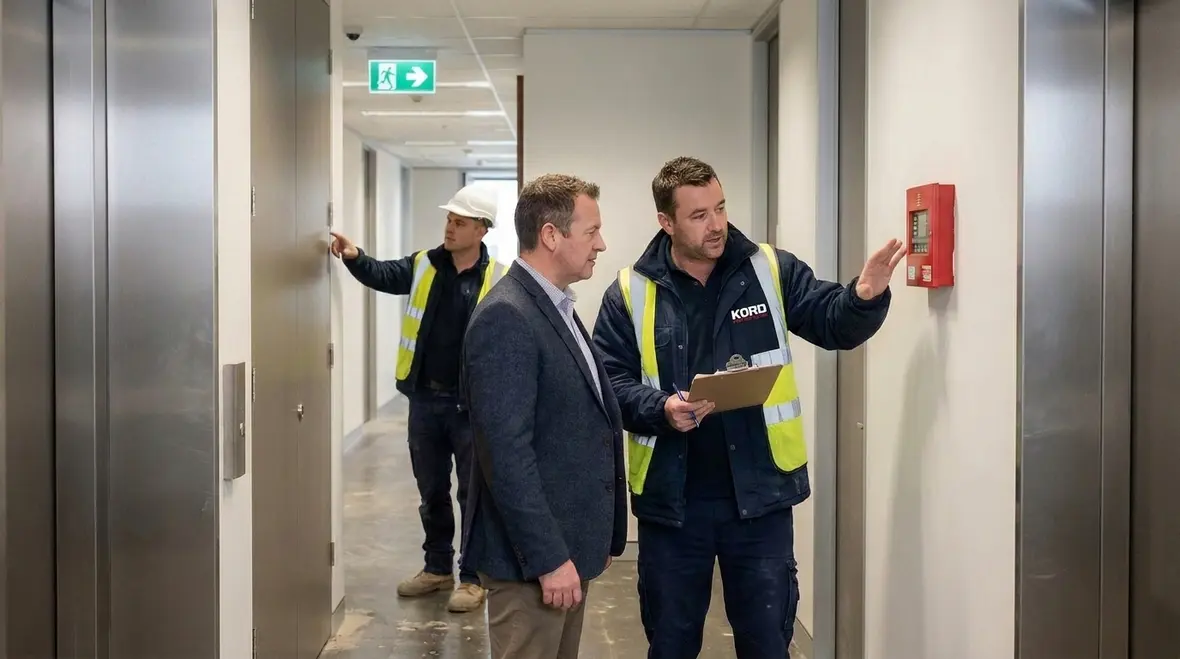
This kind of structure turns a simple drill into a useful safety system. Moreover, it gives management a record of action, not just good intentions. That record can help with audits, internal checks, and overall site safety planning.
A strong program also has consistency behind it. Staff should know drills happen, understand why they happen, and expect that lessons from one exercise will shape the next. Documentation should note timing, participation, route issues, alarm performance, and any confusion at assembly points. Once patterns show up, management can fix root problems instead of endlessly patching symptoms and hoping optimism counts as a control measure.
Common weak spots worth catching early
Many drill problems are not dramatic at all, which is exactly why they are dangerous. Exit doors may be partially blocked by stock. Staff may gather too close to the building. Visitors may have no idea who to follow. Supervisors may assume somebody else handled the headcount. Tiny gaps like these can quietly stack together until the whole response gets slower and messier than anyone expected. Drills are one of the few chances to spot that chain before it matters for real.
How Kord Fire Protection Supports the Job
Kord Fire Protection can become a vital partner by helping sites design fire drill programs that suit the space, the risks, and the people inside it. That support matters because no two workplaces move the same way. A retail centre, for example, needs different drill control than a warehouse or a plant floor.
With the right partner, a business can build a drill process that aligns with fire drill requirements NFPA while still fitting site demands. Kord Fire Protection can assist with planning, staff guidance, drill scheduling, and review after the exercise. In addition, the team can help identify issues that busy managers may miss, such as blocked exits, poor signage, slow response times, or weak warden coverage. In fire safety, the small details often do the heavy lifting.
That support works even better when drills connect with larger fire protection decisions. Businesses reviewing evacuation practice often also benefit from broader system coordination through Kord Fire Protection services, especially when alarms, suppression, exits, and procedures all need to function like they have met each other before. For readers wanting a wider code context, it also makes sense to explore NFPA 1: A Comprehensive Guide to Fire Prevention and Safety as a useful companion piece.
Why Reviews After the Drill Matter
A drill without a review is just a walk with a loud alarm. After the event, managers should ask what worked, what slowed people down, and where the plan needs work. They should check if alarms were heard, exits stayed clear, and staff followed instructions without delay.
These reviews also help improve future training. For instance, if one area takes too long to clear, the site may need better route marking or more direct staff guidance. If visitors seem confused, the site may need stronger front desk procedures. Each finding makes the next drill more useful, and that is where safety starts paying rent.
Post drill reviews should be honest, quick enough to stay useful, and detailed enough to drive change. Capture what happened while people still remember it clearly. Note timing, missed steps, radio or communication issues, headcount delays, and any route confusion. Then assign actions with owners and deadlines. Otherwise the same problems come back at the next drill wearing a different hat and pretending nobody has seen them before.
FAQ
Conclusion
Strong fire drills protect people, property, and business continuity. When a site treats NFPA 1 Section 10.6 as a working guide, not a paperwork exercise, safety improves fast. Repeated practice sharpens response, reveals weak points, and gives staff the confidence to act without losing precious time.
Kord Fire Protection can help turn that plan into real action through practical drill support, planning insight, and broader fire safety coordination. For industrial, retail, commercial, and facility sites, now is the time to strengthen drill practice and stay ready before the alarm decides to do the teaching.

Join Our Newsletter!
Get the latest fire safety tips delivered straight to your inbox From our Newsletter.