NFPA 1 Section 10.7 Fire Alarm Reporting Procedures
Quick Answer
NFPA 1 Section 10.7 sets a clear standard for reporting fires and emergencies fast, accurately, and without confusion. For industrial, retail, and commercial sites across Australia, strong fire reporting requirements, NFPA emergency reporting, and fire alarm reporting procedures help protect people, property, and operations. Kord Fire Protection can support that process with practical systems, testing, training, and reliable service.
If your site needs stronger system readiness near the top of the chain, Kord Fire Protection’s fire alarm services fit naturally into that effort by helping facilities keep alarms, monitoring, testing, and communication pathways working when every second suddenly matters.
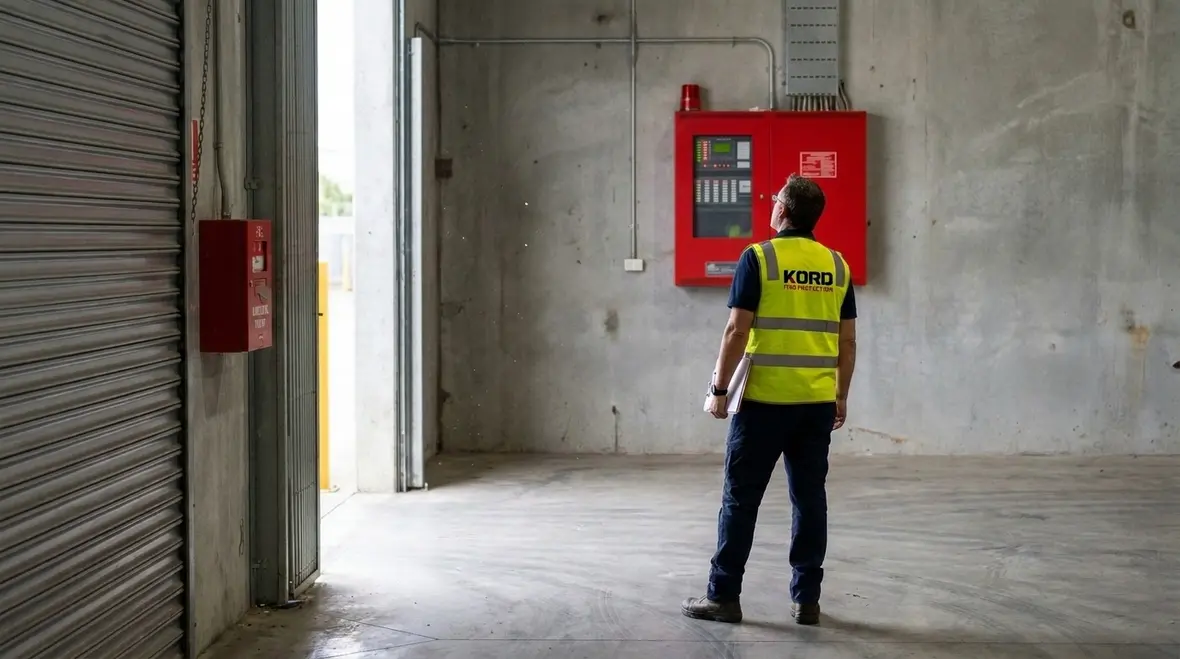
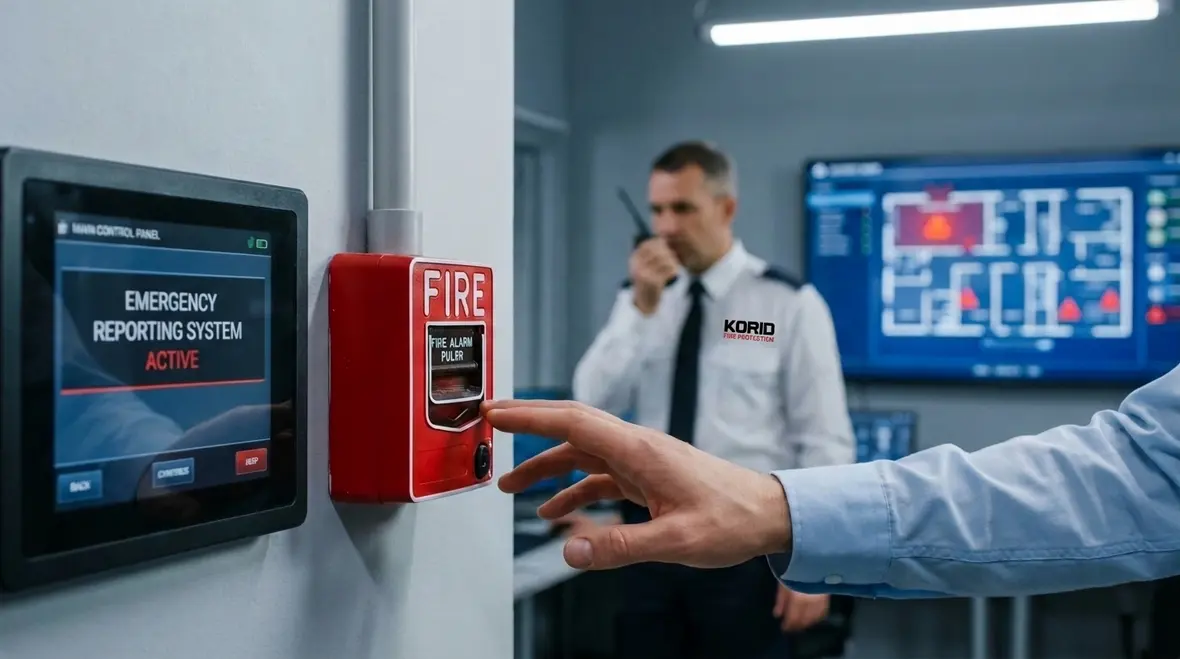
NFPA 1 Section 10.7 focuses on a simple idea with serious weight: when a fire or emergency starts, the right people must know at once. For industrial, retail, and commercial facilities, fire reporting requirements are not just paperwork. They shape how staff react, how alarms are handled, and how fast help arrives. In other words, the clock starts ticking the moment trouble begins. And unlike a Monday meeting, nobody wants to waste time.
NFPA emergency reporting and fire alarm reporting procedures help teams respond with discipline instead of panic. They also reduce delays, confusion, and costly mistakes. For facilities across Australia, these rules can support safer sites, smoother operations, and stronger compliance habits. Kord Fire Protection can become a vital partner here by helping businesses build reporting systems that actually work when the pressure is on.
What NFPA 1 Section 10.7 Means for a Site
Section 10.7 directs how fires and emergencies should be reported. It expects clear alert paths, quick communication, and a plan that staff can follow without guesswork. That matters because a delay of even a few minutes can turn a small incident into a major one. Therefore, sites need more than a loud alarm. They need a process.
What staff should know immediately
In practice, this means staff should know:
- who raises the alarm
- how the alarm gets reported
- who contacts emergency services
- what information must be shared
- how the site confirms the message was received
When those steps are clear, the response becomes faster and more controlled. That is the heart of fire reporting requirements. It is not about making people memorize a script like they are auditioning for a procedural drama. It is about making the next right action obvious.
That clarity also supports accountability. When reporting roles are assigned and repeated in drills, managers can spot weak links long before a real event tests the system. One site may need a supervisor to confirm the alarm signal. Another may require security to relay zone information to responding teams. Different site, same goal: get the message out quickly and get it right the first time.
How Fire Reporting Requirements Support Daily Operations
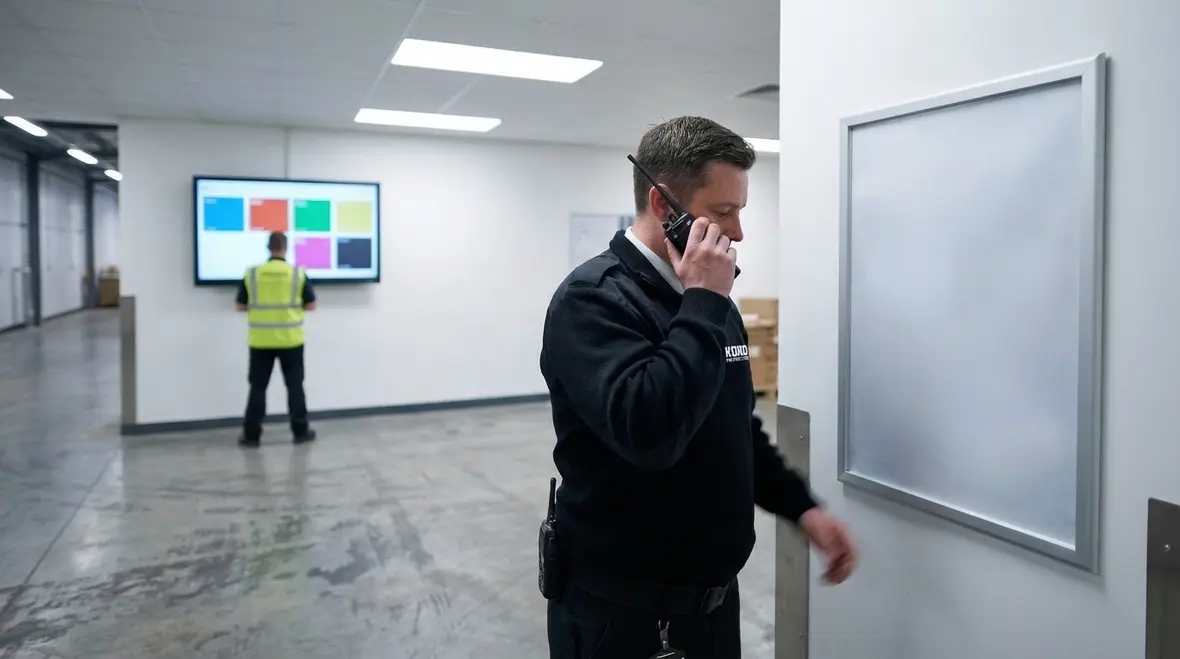
Fire reporting requirements do more than satisfy a code. They protect business continuity. A warehouse, retail centre, or production plant can lose time, stock, equipment, and trust if an emergency is not reported well. However, a clean reporting process helps staff act with confidence, even under stress.
Good reporting also supports better decision making. For example, a site manager can begin evacuation steps earlier if the alarm report includes the right details. Likewise, maintenance teams can react faster if they know which zone triggered the event. It sounds simple, yet simple systems often save the day. Batman did not need more drama; he needed a plan.
Daily operations benefit too because people work better when expectations are clear. Reception staff know who to notify. Supervisors know whether to investigate, evacuate, or escalate. Monitoring teams know what information to confirm before the next call goes out. A solid reporting structure reduces hesitation, and hesitation is rarely helpful when smoke, heat, or alarm tones enter the chat.
Why reporting affects more than emergency response
Strong reporting habits also improve documentation, post incident review, and maintenance planning. If teams record what happened, when it happened, and how the message moved across the site, they can identify recurring issues faster. Maybe a detector in one area false alarms more than expected. Maybe a contact list update never reached the weekend shift. These are small details until they are not.
NFPA Emergency Reporting and What Good Practice Looks Like
NFPA emergency reporting works best when it is fast, direct, and tested. A facility should not rely on memory alone. Instead, it should use documented steps that staff can follow in busy, noisy, or high risk settings.
Strong practice usually includes
- clearly marked alarm points
- easy to follow contact lists
- backup reporting methods if one system fails
- staff training on escalation steps
- regular drills that confirm the process works
These steps help reduce confusion, especially in large sites where teams move across multiple buildings or zones. As a result, the reporting chain stays intact when minutes matter most. Good practice also assumes something may go wrong. Phones die. Radios go missing. Somebody prints the old contact sheet and suddenly everyone is chasing a number from the previous decade. Backup methods keep the process from unraveling.
| Area | What Good Reporting Does |
| Detection | Identifies the issue early and triggers action |
| Alarm | Warns staff and starts evacuation or control steps |
| Notification | Shares the event with key people and emergency services |
| Follow up | Confirms response, documents the event, and supports review |
For more context on the broader code framework around prevention and emergency readiness, it also makes sense to explore NFPA 1: A Comprehensive Guide to Fire Prevention and Safety. It helps connect reporting procedures to the wider safety picture rather than treating them like a lonely checkbox in a binder.
Fire Alarm Reporting Procedures in Commercial and Industrial Sites
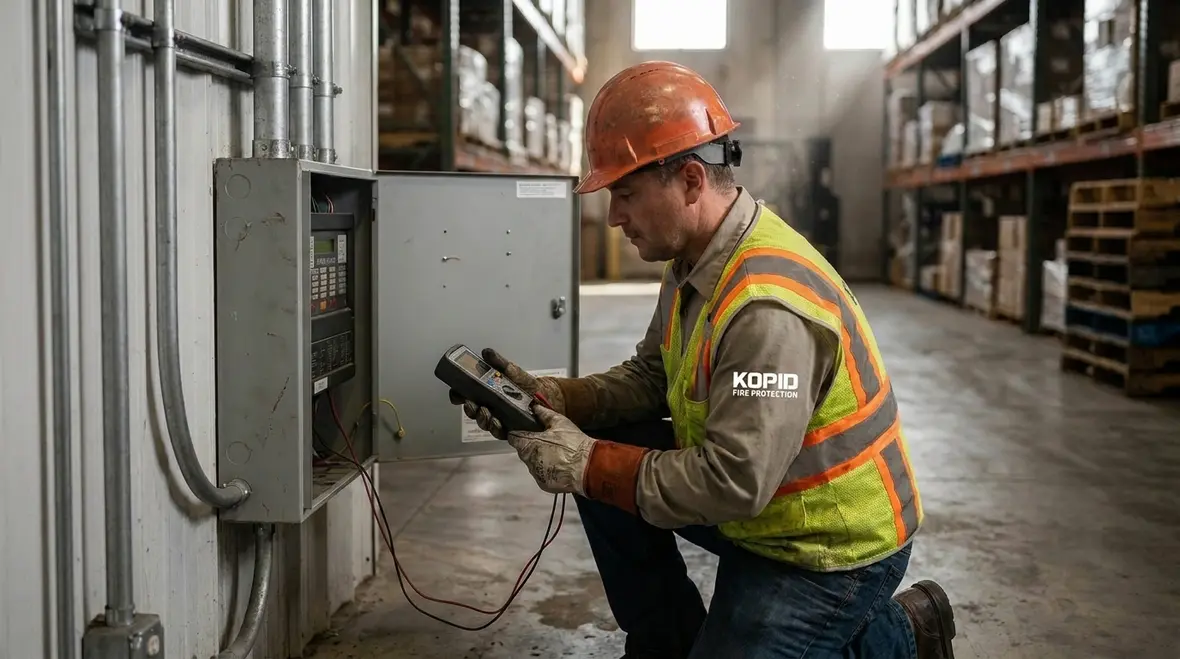
Fire alarm reporting procedures should fit the size and risk of the site. A small office and a large logistics hub will not use the same approach. Still, both need a process that tells staff what to do, who to call, and how to verify the alarm has been handled.
For commercial facilities, this often means linking the alarm system to trained staff, security teams, or monitoring services. For industrial sites, the process may also involve zone based reporting, plant shutdown steps, and special instructions for hazardous areas. Retail sites, meanwhile, need quick public facing communication that helps staff protect customers without causing a stampede fit worthy of a sitcom.
The best reporting procedures are simple enough to use under stress, yet strong enough to stand up to audits, drills, and real incidents. That balance matters. If the process is too vague, people guess. If it is too complicated, people freeze. Either way, the site loses precious time.
Key differences by site type
- Commercial offices: usually need a straightforward chain between occupants, wardens, building management, and emergency contacts.
- Industrial facilities: often need zone specific instructions, equipment shutdown coordination, and clear controls for higher hazard areas.
- Retail environments: need fast staff coordination and calm customer communication that keeps exits clear and movement orderly.
Why Kord Fire Protection Becomes a Vital Partner
Kord Fire Protection can play a key role in helping businesses meet fire reporting requirements and improve NFPA emergency reporting performance. More than supplying equipment, Kord can support the full reporting chain. That includes system design, installation, inspection, testing, maintenance, and staff guidance.
For busy facilities, this support matters because reporting systems can drift over time. Alarms may go untested. Contacts may change. Procedures may become outdated. Then one day, the site learns the hard way that “we thought it was covered” is not a strategy. Kord Fire Protection helps close those gaps before they become problems.
How Kord can help in practical terms
- checking alarm systems for correct operation
- supporting clear reporting paths across the site
- helping align procedures with site risk
- keeping maintenance records current
- advising on training and emergency readiness
That kind of support is especially useful when a facility has multiple buildings, changing tenancy arrangements, rotating shifts, or a mix of public and restricted areas. The more moving parts a site has, the less helpful vague assumptions become. Practical service and routine testing keep the reporting chain from turning into a mystery novel with a very bad ending.
How to Improve Fire Alarm Reporting Procedures
Improvement starts with a review. A facility should map the reporting chain from the first alarm to the final call. Then it should test each step and fix weak points. If a staff member does not know what to do, the process is not ready. If a panel sends the wrong signal, the process is not ready. If the contact list is old, well, that is not a plan. That is a hope with a clipboard.
Facility managers should also update procedures after site changes, staff changes, or layout changes. A new warehouse bay, a new tenancy, or a new shift pattern can change how reporting works. Therefore, reviews should happen often and with care.
A simple improvement checklist
- trace the reporting path from activation to confirmation
- test communication between panels, staff, and monitoring points
- verify emergency contacts and escalation lists
- review procedures after renovations or staffing changes
- repeat drills until the response feels automatic, not improvised
FAQ
Conclusion
NFPA 1 Section 10.7 gives facilities a clear path to better emergency response. For Australian industrial, retail, and commercial sites, strong reporting procedures are not optional extras. They are part of smart risk control. Kord Fire Protection can help businesses build, test, and maintain systems that support fast action and safer outcomes.
For sites that want confidence when it counts, now is the time to review the plan and tighten the chain. Better reporting does not need to be dramatic or flashy. It needs to be clear, tested, and ready before the next alarm demands everyone’s attention all at once.

Join Our Newsletter!
Get the latest fire safety tips delivered straight to your inbox From our Newsletter.