NFPA 1 Section 12.1 General Fire Protection Features
Quick Answer: NFPA 1 Section 12.1 covers the general fire protection features that help keep buildings safer, more usable, and easier to defend in a fire. For industrial, retail, and commercial sites, these basics support safer access, better control of fire risks, and smoother compliance planning. Kord Fire Protection can help turn those requirements into practical, site ready solutions.
If your facility is reviewing site conditions, upgrades, or maintenance priorities, a practical next step is to look at full fire protection services that support inspections, repairs, testing, and ongoing readiness across commercial and industrial properties.
NFPA 1 Section 12.1 and why it matters
NFPA 1 Section 12.1 sets the base line for fire protection features in a building. It focuses on the general items that support life safety, fire response, and property protection. In plain terms, it asks a simple question: can the building help fire crews do their job, and can the fire safety systems do theirs without drama? That matters for factories, warehouses, shopping centres, office parks, and other commercial sites that face real daily risks.
These fire protection features NFPA requirements are not meant to sit in a dusty folder and look impressive during an audit. Instead, they guide how a site should be arranged, equipped, and maintained so that fire hazards do not get the upper hand. As a result, the standard becomes a useful tool for planning, design, upgrades, and ongoing inspections.
General features that do more than fill a checklist
That is really the point of Section 12.1. It deals with building conditions that make protection systems useful in the real world, not just acceptable on paper. When fire service access is blocked, exits are confusing, or hazard areas blend into general occupancy without proper separation, even a well intentioned plan can turn into a clumsy mess. Good general protection features make everything else work better, from alarms and sprinklers to evacuation and response.
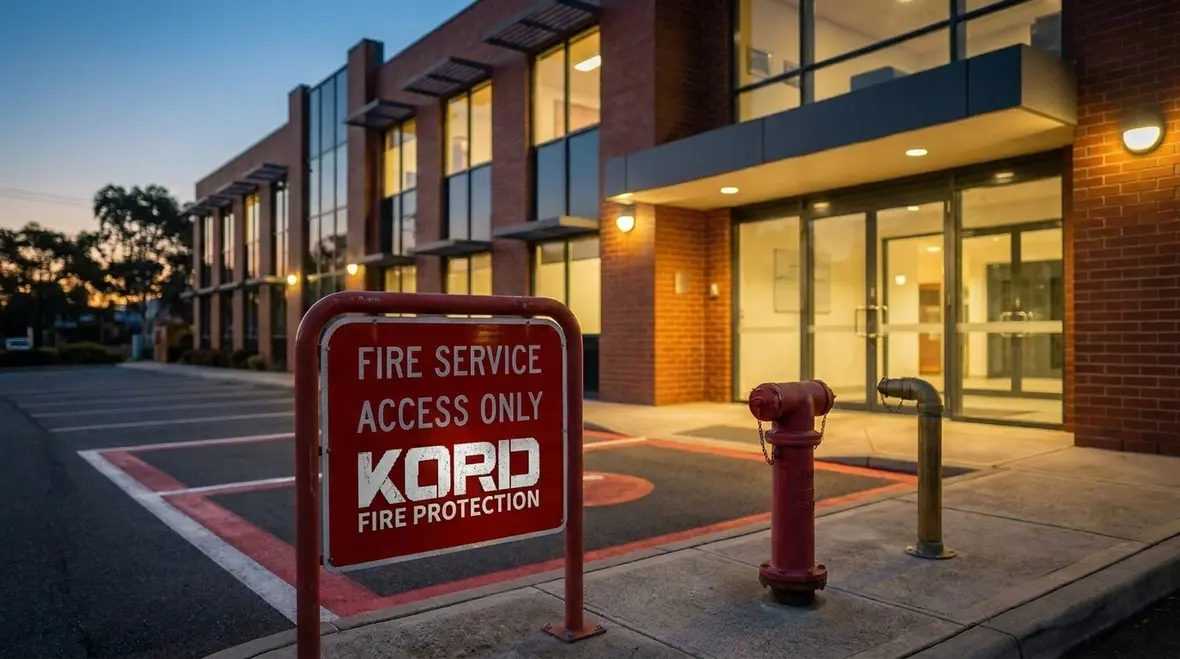
Building fire protection general basics that shape safer sites
At its core, building fire protection general requirements cover the features that make a site easier to protect in an emergency. That includes access for fire services, separation of hazards, visible exit paths, and the right support for fire suppression systems. Since every site has its own layout, the standard works best when the building team studies the whole picture instead of chasing one item at a time like a sitcom character looking for the remote.
For commercial and industrial facilities, this often means looking at how storage zones, plant rooms, loading docks, and public areas connect. If one area creates risk, the protection features around it should help contain that risk. Therefore, good planning is not just about meeting a rule. It is about reducing the chance that one small event becomes a very expensive headline.
What teams should actually look at on site
- Whether fire service access points are clear, marked, and usable
- Whether hazard areas are separated from lower risk spaces
- Whether exit routes stay visible, open, and easy to follow
- Whether sprinkler, alarm, and suppression systems are supported by the building layout
- Whether changes in storage or operations have quietly created new risk
That last point causes more trouble than people like to admit. Buildings change slowly, then all at once. A room that started as light storage becomes packed inventory. A service corridor becomes overflow space. A plant room gets extra equipment because no one wanted to build another enclosure. Suddenly the original fire strategy is still technically present, but it is no longer leading the dance.
Fire safety construction features in everyday operations
Fire safety construction features play a major role in how a building behaves under fire conditions. These features can include fire rated walls, protected openings, safe exits, smoke control support, and clear pathways for emergency response. When these elements work together, they buy time. And in fire protection, time is often the difference between a near miss and a disaster with paperwork.
Many facilities operate with a mix of old and new building sections. That means a site may have upgraded some systems while older parts still need review. Because of that, construction based fire protection must match actual use, not just original plans. A warehouse that now stores different goods, for example, may need a fresh look at compartmentation, access, and detection support.
This is also where related guidance can help give the bigger picture. For broader code context, it is useful to review NFPA 1: A Comprehensive Guide to Fire Prevention and Safety as part of a wider compliance plan.
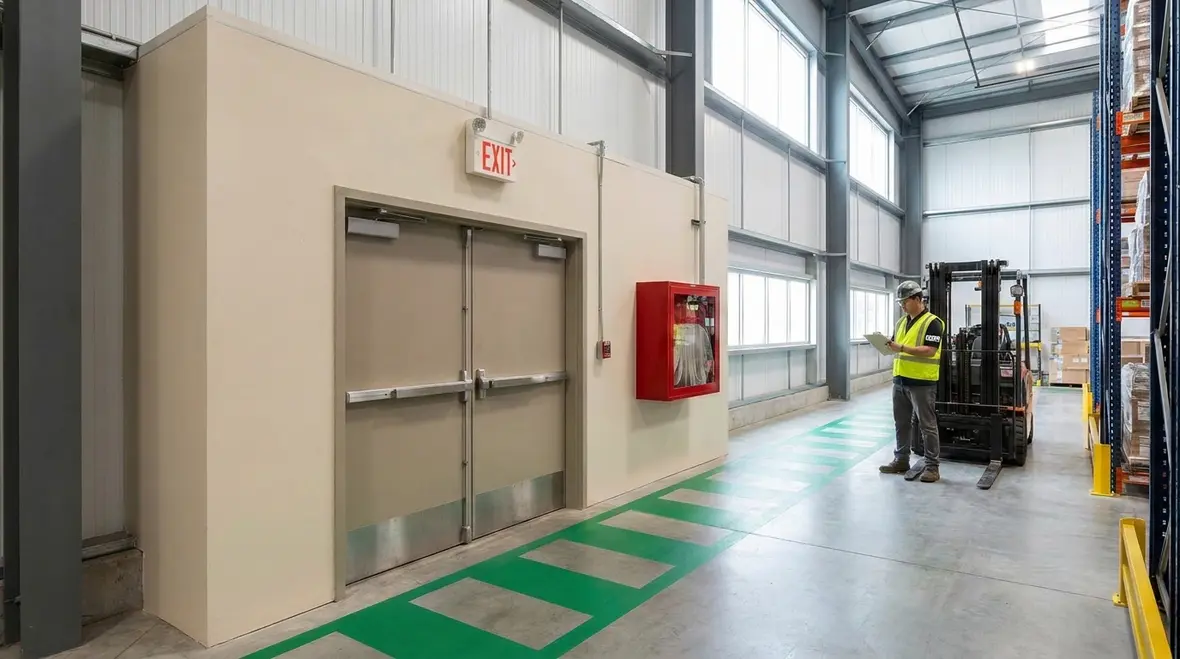
Why construction features deserve regular review
A rated wall is only useful if openings are protected. An exit is only useful if people can reach it. A smoke barrier is only useful if later renovations have not quietly punched holes through it. Construction features are not glamorous, but they are brutally important. They shape how heat, smoke, and fire move through a building, and they can either support emergency response or make everyone wonder who signed off on this in the first place.
Where dual columns help with compliance planning
Sites often need a quick way to compare what the standard expects with what the building currently provides. The table below gives a simple view of common fire protection features and why they matter.
| Feature | Why it matters |
|---|---|
| Fire service access | Helps crews reach the building fast and work safely |
| Compartmentation | Helps slow fire spread and protect key areas |
| Exit paths | Supports safe movement for staff and visitors |
| Protection for hazards | Reduces risk in plant rooms, storage areas, and high load zones |
| System support | Keeps sprinklers, alarms, and related systems effective |
This kind of comparison helps facility teams move from broad compliance talk to practical action. Furthermore, it makes it easier to spot gaps before an inspection or incident brings them into full view.
Turning the table into a useful action list
A good compliance review does not stop at identifying a feature. It asks whether that feature is accessible, maintained, and still appropriate for present use. If a site has service access but delivery vehicles constantly block it, that is not really access. If exits exist but signage is weak and pathways are cluttered, that is not really egress. The value of a side by side comparison is that it exposes these awkward gaps without needing a dramatic incident to do the explaining.
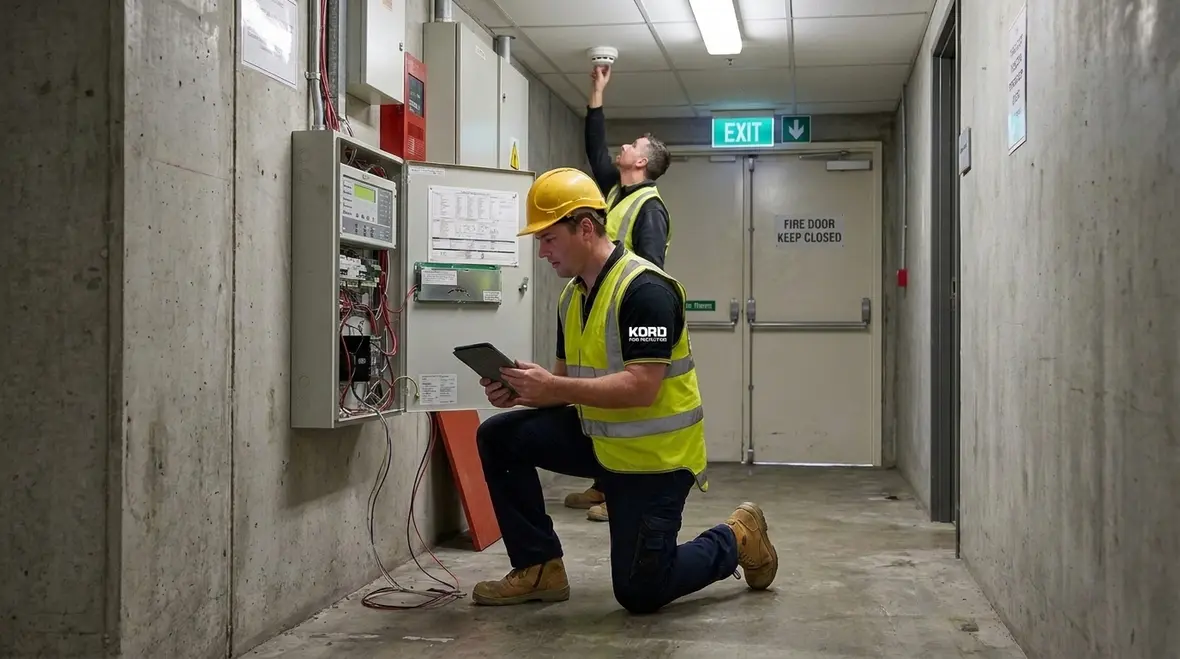
How Kord Fire Protection supports the job
Kord Fire Protection can become a vital partner because this work needs more than box ticking. It needs site knowledge, technical skill, and a clear plan. For industrial, retail, and commercial clients, Kord Fire Protection can help assess existing features, identify weak points, and recommend improvements that suit the building and the business.
Just as important, Kord Fire Protection can support ongoing maintenance and upgrade planning. That matters because fire protection features only help when they stay ready. A system that looked fine two years ago may now need repair, testing, or redesign after changes to layout, tenancy, storage, or operations. In other words, compliance does not run on autopilot. If only.
By working with Kord Fire Protection, facilities can better align their building fire protection general needs with real world site use. That creates a more practical path to safer operations, better records, and fewer surprises when regulators, insurers, or fire services ask hard questions.
What industrial and commercial sites should review first
For busy sites, the best starting point is a focused review of the areas that create the biggest risk. That usually includes access routes, storage zones, high heat equipment, electrical rooms, and exit visibility. Then, the team should check whether the fire protection features NFPA principles match the current building use.
It also helps to review past changes. Has the site expanded? Has storage increased? Has the tenant mix changed? If so, the old fire strategy may no longer fit the building like an old superhero costume at a reunion. Therefore, each update should trigger a fresh review of construction and protection features.
A practical first pass for facility teams
- Walk the main access and exit routes as if an emergency were happening today
- Check whether hazard rooms and storage areas still match their intended protection
- Review recent layout, tenancy, or process changes that may affect fire risk
- Confirm critical systems are supported by the building, not undermined by it
- Document weak points before they become expensive surprises
Why fire safety construction features need regular attention
Fire safety is not a one time project. It is a living part of site management. Doors get wedged open, layouts change, and equipment gets moved because someone needed “just a bit more space.” Over time, those small choices can weaken fire safety construction features and reduce the building’s ability to contain fire and smoke.
That is why regular checks matter. They help keep protection features aligned with daily use and give managers a chance to fix issues before they grow. Moreover, routine attention can support smoother audits, better insurance conversations, and safer working conditions for staff, visitors, and contractors.
FAQ
Moving forward with a safer fire plan
NFPA 1 Section 12.1 gives facilities a solid framework for safer design and better response. When those requirements are applied with care, industrial and commercial sites gain stronger protection and fewer blind spots. The value is not in sounding compliant. The value is in making the building easier to defend, easier to evacuate, and less likely to let a manageable event spiral into a memorable disaster for all the wrong reasons.
Kord Fire Protection can help turn that framework into action through practical review, maintenance, and upgrade support. For facilities ready to review, strengthen, or modernize their fire strategy, this is a sensible time to move from broad intent to site specific improvements that actually hold up when tested.

Join Our Newsletter!
Get the latest fire safety tips delivered straight to your inbox From our Newsletter.