NFPA 1 Section 5.1 Performance Based Fire Protection
Quick Answer
NFPA 1 Section 5.1 sets the stage for performance based fire protection by focusing on results, not just rigid rules. In plain terms, it asks whether the fire safety design truly protects people, property, and operations. For facilities that need practical fire system design and code compliant installation, full fire protection services from Kord Fire Protection can help turn that standard into a practical, code ready solution.
NFPA 1 Section 5.1 matters because it opens the door to a smarter engineering fire protection approach. Instead of forcing every site into the same box, it allows the design team to prove that a system performs as needed under real fire conditions. That matters in the real world, where a warehouse, shopping centre, or processing plant may face very different risks. And yes, fire does not care about neat paperwork. It only cares about what burns first.
For businesses, this approach can support safer operations, better asset protection, and more efficient building use. It also helps teams solve problems that a prescriptive plan may not handle well. That is where performance based fire protection becomes valuable, and where a partner like Kord Fire Protection can make a real difference.
What NFPA 1 Section 5.1 means in practice
NFPA 1 Section 5.1 focuses on performance based fire protection general principles. In simple terms, the design must show that it meets the safety goal, even if it does not follow a standard layout in every detail. This is not a shortcut. It is a disciplined method that asks for evidence, testing, modelling, and sound engineering judgment.
For facilities, this can mean more flexibility in how fire safety systems are designed and integrated. However, that flexibility comes with responsibility. The team must prove that the building still protects occupants, limits fire spread, supports evacuation, and helps emergency response. As the old saying goes, if the fire plan is “trust me,” that is not a plan. That is a nervous suggestion.
Why performance based fire protection suits complex sites
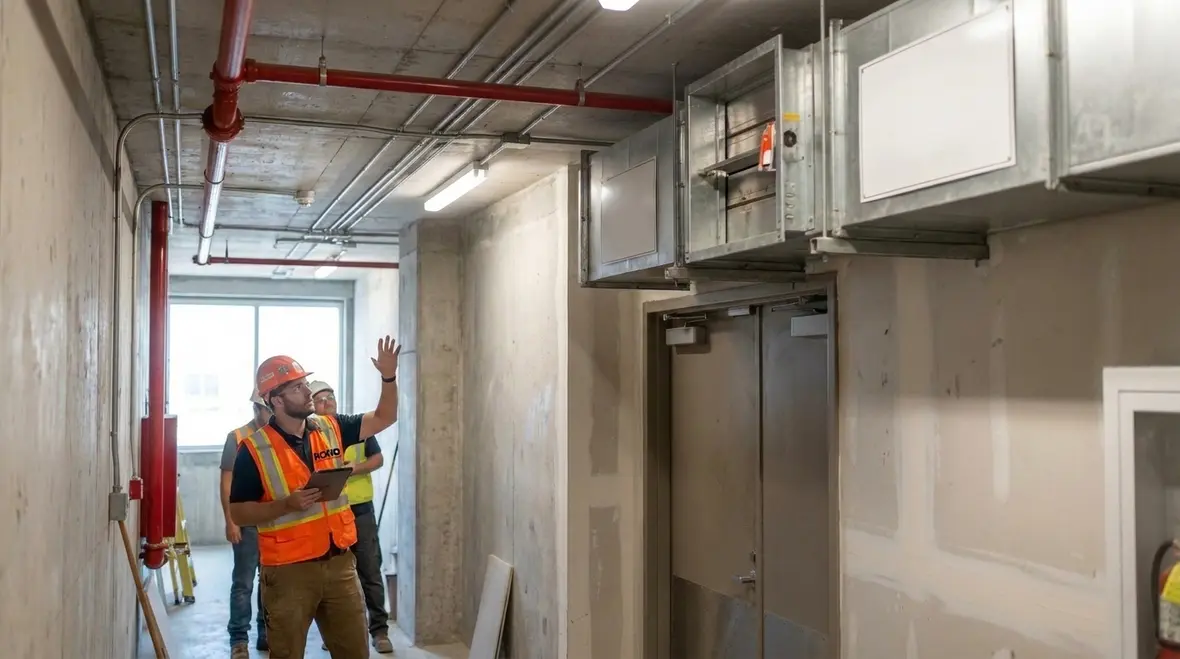
Industrial, retail, and commercial buildings often carry mixed hazards. A distribution centre may store high loads of goods. A retail complex may have open public areas, tenancy changes, and shared services. A manufacturing site may have heat sources, machinery, and process risk. Therefore, a single prescriptive layout may fall short.
Performance based fire protection gives design teams room to build around the real risk profile. It can support better smoke control, more useful egress routes, smarter suppression solutions, and improved protection of critical operations. Moreover, it can help owners avoid overdesign in low risk zones and focus resources where they matter most. That is not just smart engineering. That is smart business.
Where this flexibility shows up first
In many projects, the first advantage is not flashy. It is practical. Teams can address awkward layouts, unusual ceiling heights, phased upgrades, mixed occupancies, and mission critical spaces without pretending every room behaves the same way. That matters because real buildings rarely act like textbook diagrams. They have compromises, additions, weird corners, tenant changes, and plenty of inherited decisions that nobody in the current project asked for.
A performance based method allows the fire strategy to respond to those conditions honestly. Instead of forcing compliance through patchwork fixes, it gives the design team a way to justify a coordinated solution that still protects life safety and operational needs. Done well, it turns “this building is tricky” into “this building is manageable.”
How the engineering fire protection approach works
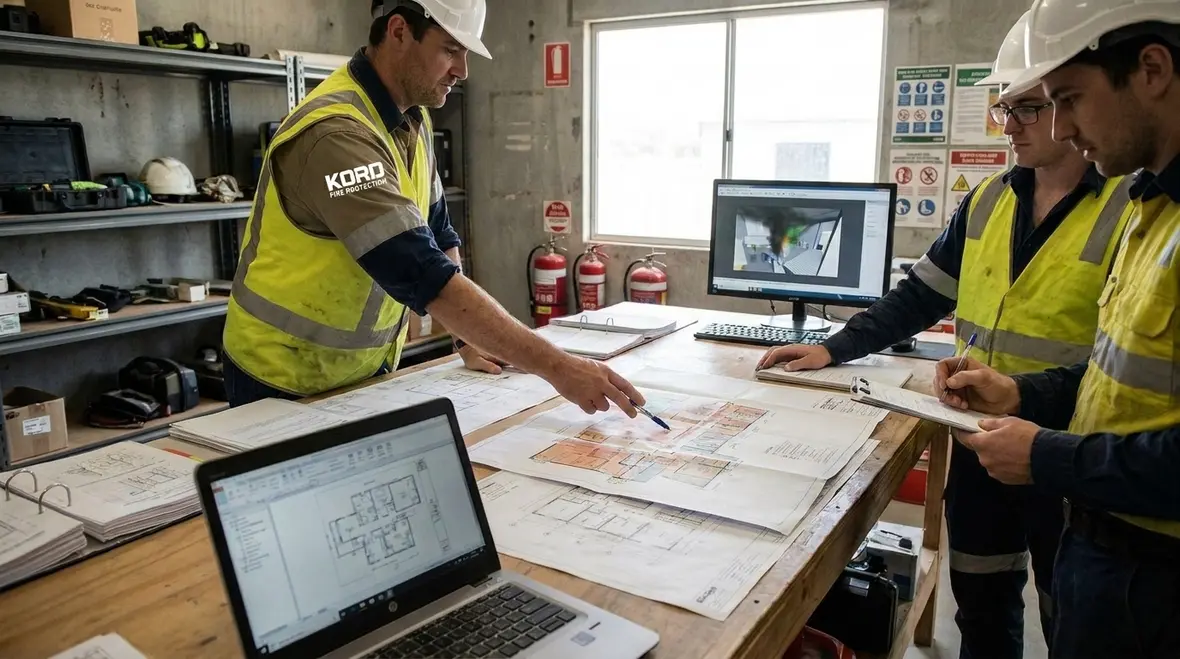
An engineering fire protection approach starts with understanding the building, the use of the building, and the likely fire scenarios. Then the team identifies the safety objectives. After that, it tests whether the proposed design meets those goals through calculation, modelling, or approved methods.
Design focus
- Hazard review
- Occupant movement
- Smoke spread
- Fire growth
- System interaction
Outcome focus
- Life safety
- Asset protection
- Operational continuity
- Regulatory support
- Practical site readiness
As a result, the final fire strategy is built around how the site truly behaves. It also makes future changes easier to manage, because the logic behind the design is clear. And in business, clarity is worth its weight in gold, or at least in a very expensive set of compliant documents.
This is also where documentation becomes more than a stack of forms. The calculations, assumptions, system interactions, and acceptance criteria all need to line up. If one part says evacuation relies on tenable smoke conditions for a certain duration, then the detection, alarm, suppression, and smoke management strategy all have to support that claim. Otherwise, the plan starts sounding confident for no good reason, which is rarely a quality anyone wants in a fire scenario.
When the engineering work is done properly, owners gain a roadmap instead of a mystery. They can see why certain systems were chosen, what performance they are expected to deliver, and how later upgrades should be handled. That makes operations, maintenance, and future fit outs less painful than the usual “who approved this and why is this valve here” conversation.
How Kord Fire Protection supports the job
Kord Fire Protection can become a vital partner by helping clients move from fire safety intent to fire safety proof. In practice, that means supporting the engineering, coordination, installation, and compliance work needed to deliver a performance based fire protection solution.
- Fire strategy support and system integration
- Coordination with consultants, builders, and facility teams
- Practical solutions for hard to fit buildings and special risk areas
- Installation that aligns with the approved performance based design
- Ongoing maintenance and system confidence after handover
That partnership matters because a strong design still needs skilled delivery. A clever concept on paper can stumble if the install does not match the intent. Kord Fire Protection helps close that gap, which is where many projects either shine or quietly turn into a headache with flashing lights.
It also helps to work with a team that understands how engineered systems fit into broader life safety planning. That same thinking appears in Kord’s article on engineered fire protection systems, where the focus stays on matching protection methods to real site conditions rather than hoping a generic setup will somehow cover everything.

Where NFPA 1 performance design adds value
NFPA 1 performance design can add value in sites that face unusual layout limits, high occupancy loads, changing tenant use, or critical uptime needs. It can also help when a facility wants to balance safety with floor space, workflow, or upgrade plans.
In these cases, the method can support better outcomes than a one size fits all approach. For example, a facility may need to protect equipment rooms, maintain clean evacuation paths, or keep key operations running after a fire event. Therefore, the design must do more than meet a checkbox. It must work in the field, under stress, and under real pressure.
Examples of high value applications
- Large warehouses with changing storage arrangements
- Retail centres with open public zones and mixed tenancy fit outs
- Manufacturing facilities with process heat, dust, or equipment exposure
- Buildings undergoing staged renovations while operations continue
- Sites where uptime matters almost as much as the approval itself
In each of these situations, the point is not to be clever for the sake of being clever. The point is to create a fire protection strategy that actually fits the building, supports the people inside it, and gives decision makers confidence that the system will perform when the day gets bad in a hurry.
What decision makers should ask before they start
Before any project begins, owners and facility managers should ask a few direct questions. What risk does the site truly carry? What part of the operation must keep running? Which areas need the highest level of protection? And how will the chosen fire strategy support daily operations, not just the final approval?
These questions help guide the entire process. They also keep the project team focused on outcomes, not guesswork. Moreover, they make it easier to choose the right partners early, which often saves time and money later. In fire protection, early clarity usually beats late heroics. Heroics are great in movies. Less great in commissioning.
It is also smart to look at adjacent code and planning topics before design assumptions harden into expensive decisions. Kord’s guide to NFPA 1 fire prevention and safety gives helpful context for teams that want the bigger picture around how overall fire code thinking connects back to project level protection choices.
FAQ
Conclusion
NFPA 1 Section 5.1 gives owners a better path to fire safety when standard solutions do not fit the site. With performance based fire protection, a sound engineering fire protection approach, and the right delivery team, facilities can protect people, assets, and uptime with confidence.
Kord Fire Protection stands ready to help turn complex requirements into practical results. For businesses that need a strategy built around real risks instead of tidy assumptions, that is a partner worth having.

Join Our Newsletter!
Get the latest fire safety tips delivered straight to your inbox From our Newsletter.