NFPA 1 Section 5.2 Performance Criteria for Fire Safety
Quick Answer: NFPA 1 Section 5.2 sets the fire safety performance criteria that help facilities prove their fire protection systems, plans, and maintenance practices can do the job under real conditions. For industrial, retail, and commercial sites across Australia, it gives a clear benchmark for safer operations. Kord Fire Protection can help turn those benchmarks into practical, compliant action.
If a site is aiming to connect policy with actual readiness, full fire protection services can help bring inspections, alarms, sprinklers, and ongoing support into one coordinated program. That makes NFPA 1 Section 5.2 a lot easier to apply in the real world, where systems need to perform instead of merely posing for compliance photos.
NFPA 1 Section 5.2 in plain terms
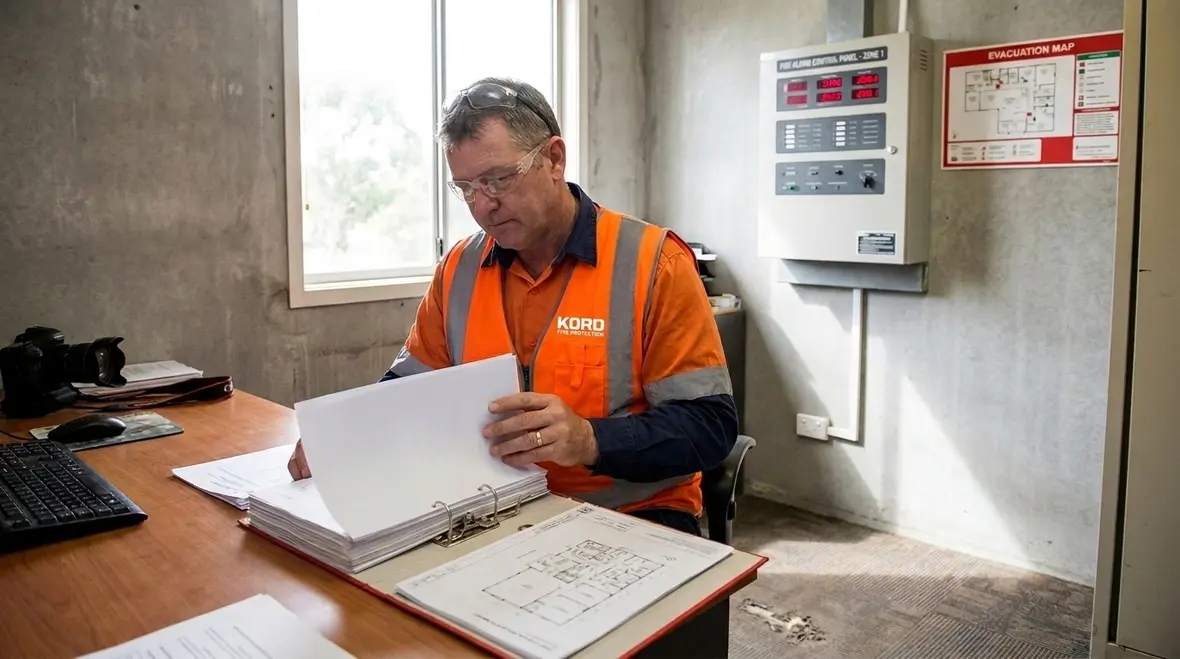
NFPA 1 Section 5.2 focuses on performance. In simple terms, it asks whether a fire safety program actually works, not just whether it looks good on paper. That matters because a shiny binder on a shelf does not stop smoke, heat, or panic. Real sites need fire safety performance criteria that can stand up to use, pressure, and time.
For industrial plants, retail centres, warehouses, and commercial buildings, NFPA performance benchmarks give a solid way to judge readiness. They support fire protection performance standards by checking that systems, staff actions, inspections, and maintenance all align. As a result, the fire plan becomes a living tool, not a dusty prop from the corporate theatre department.
Performance over paperwork
That distinction is what makes this section so useful. A document may say alarms are maintained, exits are clear, and systems are inspected, but performance criteria push teams to prove those claims hold up during routine operations and stressful moments alike. In other words, the question is not whether a site owns a plan. The question is whether the plan can carry its weight when conditions get ugly fast.
Why performance criteria matter for Australian facilities
Australian sites face a mix of risks. Heavy machinery, stock loading areas, electrical rooms, kitchens, data areas, and public access zones each create different fire concerns. Therefore, a single generic plan rarely does the job. NFPA 1 Section 5.2 helps decision makers look at actual conditions, not just theory.
This approach supports safer operations because it measures how a site performs during normal work and during an emergency. It also helps teams spot gaps before they become costly problems. Moreover, it gives facility managers a clear way to compare current systems against accepted fire protection performance standards. That is the kind of clarity that keeps operations moving and insurance teams from raising an eyebrow.
Every site has its own pressure points
A warehouse may have storage arrangements that change seasonally. A retail centre may deal with public crowding, changing tenants, and back-of-house hazards. A commercial office may rely on electrical infrastructure, server spaces, and evacuation routes that must remain crystal clear. The point is simple: if the risk profile shifts, the fire safety program needs to shift with it. Otherwise, the site may be following yesterday’s plan for today’s hazards, which is not exactly a recipe for calm outcomes.
This is also where broader planning helps. Kord Fire Protection’s article on NFPA 1: a comprehensive guide to fire prevention and safety provides helpful context for how individual code sections fit into a larger fire prevention strategy, which makes Section 5.2 easier to understand in a practical setting.
What NFPA performance benchmarks usually check
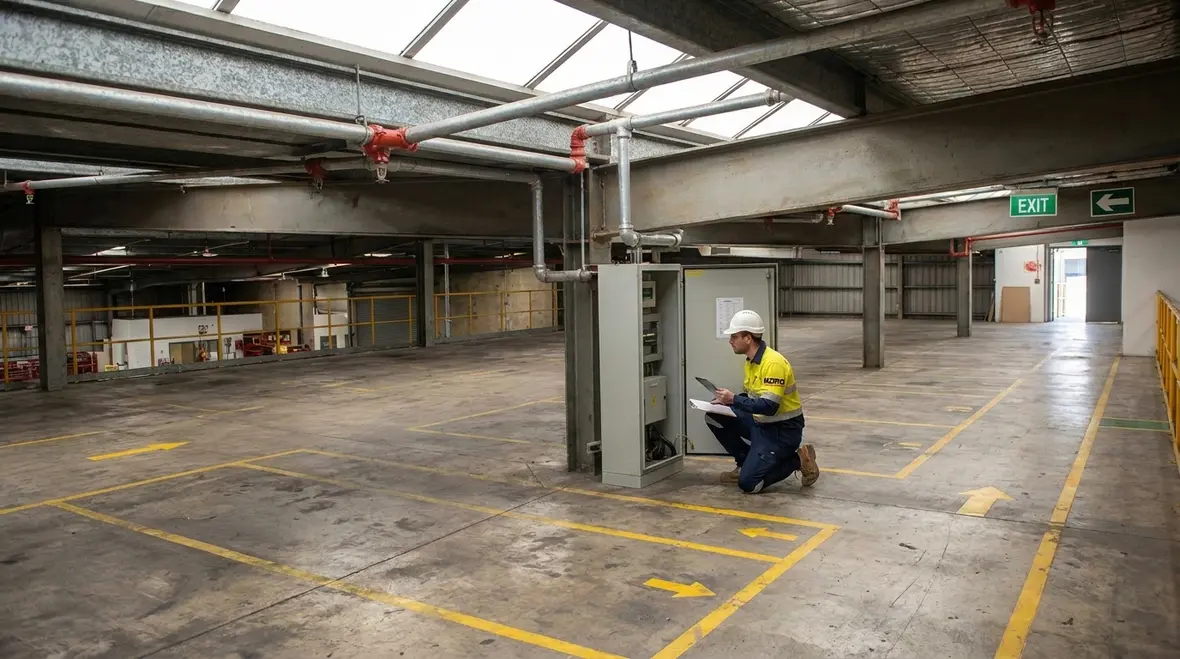
NFPA performance benchmarks often look at whether fire protection systems detect, control, or suppress a fire as intended. They also look at evacuation paths, alarms, access, maintenance, and staff response. In practice, this means the site must prove more than intent. It must prove function.
Common areas reviewed include
- Fire alarm response and notification speed
- Sprinkler and suppression system readiness
- Emergency exits and path clarity
- Inspection records and maintenance schedules
- Staff training and drill quality
- Hazard control in high risk zones
These checks help reveal weak points early. In addition, they allow managers to build fire safety performance criteria around real use cases. That is far better than guessing, and guessing is not exactly a strong compliance strategy.
Benchmarks also create a more disciplined conversation between operations teams, contractors, safety managers, and executives. When everyone is looking at evidence of performance rather than assumptions, decisions become clearer. Upgrades can be prioritised logically, maintenance can be scheduled with less drama, and training can focus on the weak spots that actually matter instead of whatever topic happened to win the meeting-room lottery.
How Kord Fire Protection supports compliance and readiness
Kord Fire Protection can become a vital partner by turning standards into action. First, it can help assess existing systems against fire safety performance criteria and NFPA performance benchmarks. Then it can identify where equipment, process, or documentation falls short. After that, it can guide upgrades, testing, and maintenance in a practical way.
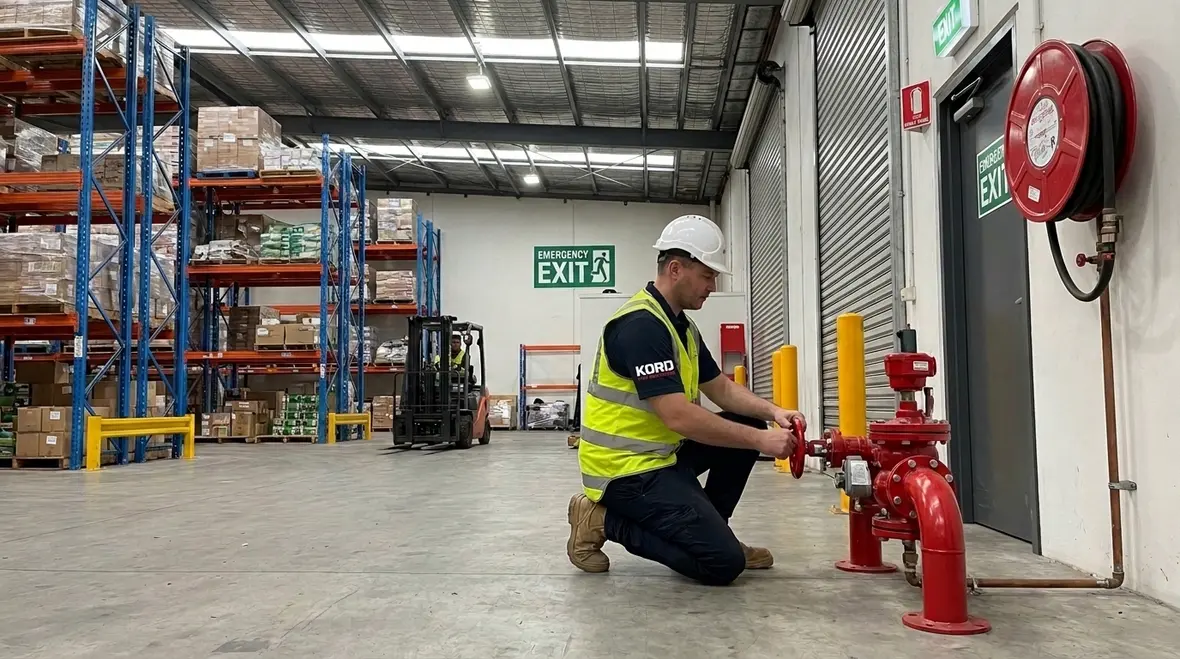
For industrial, retail, and commercial sites across Australia, that support matters. Different assets need different fire protection performance standards, and Kord Fire Protection understands how to match the right solution to the site. In addition, its work helps teams stay ahead of audits, reduce downtime, and improve emergency readiness. In short, it helps the building behave like it is supposed to when trouble shows up uninvited.
Turning separate tasks into one program
One reason this support matters is that fire safety often gets split into separate buckets: inspections over here, documentation over there, training somewhere else, and system repairs waiting awkwardly in the corner. A performance-based approach pulls those pieces back together. When alarms, suppression, records, access, and staff readiness are treated as one operating system, compliance becomes more resilient and far less chaotic.
How to turn standards into day to day action
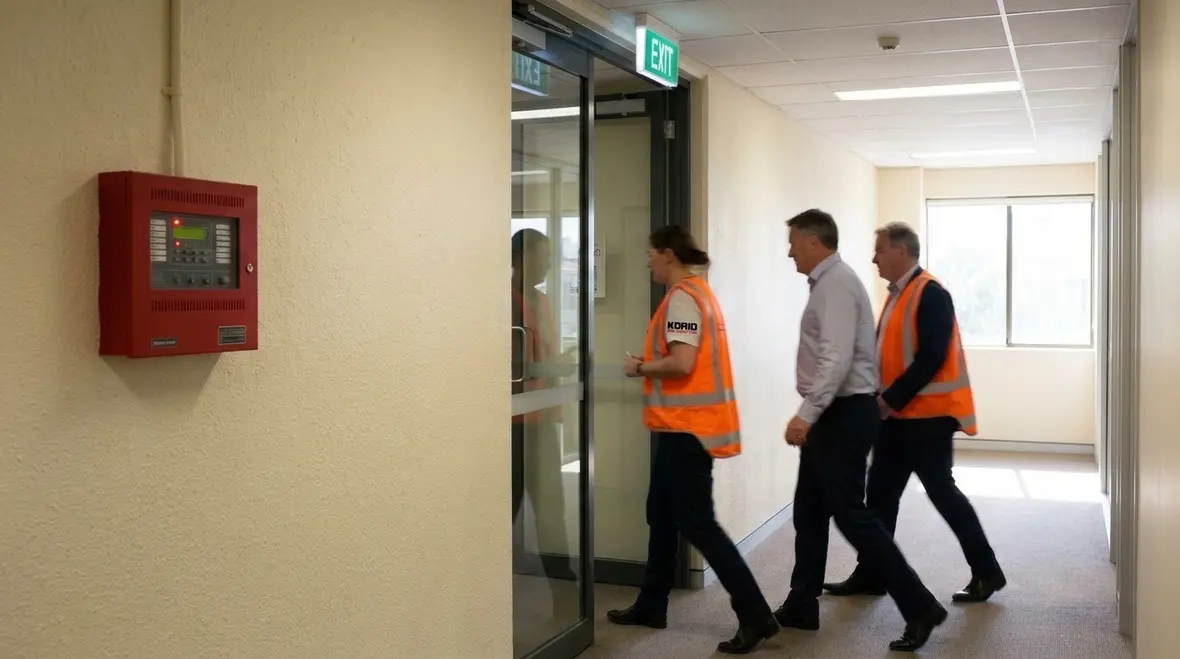
Strong fire safety performance criteria only work when people use them. So, facilities need a routine that makes compliance part of daily operations. That means inspections must happen on schedule, defects must be fixed fast, and training must stay current. It also means system changes must be reviewed before they create risk.
To make this easier, managers should set clear internal checks for alarms, extinguishers, exits, suppression systems, and high risk equipment. Likewise, they should keep records simple, current, and easy to find. A good fire safety process should not feel like reading a legal novel at midnight. It should feel practical, repeatable, and ready for action.
Simple routines that keep standards alive
- Review alarm status and visible system issues during routine walkthroughs
- Confirm exits stay clear during deliveries, stock changes, and busy periods
- Log defects immediately and assign responsibility for correction
- Refresh staff training so emergency roles do not fade into vague memories
- Reassess hazards whenever layouts, equipment, tenants, or storage methods change
None of this is glamorous, but that is exactly the point. Reliable fire safety is usually built through consistent routine rather than dramatic last-minute heroics. If a site waits until an inspection notice arrives to start caring about performance, it is already negotiating from the back foot.
Dual view of risk and response
Risk side
Areas with heat, fuel, or heavy foot traffic can raise fire risk quickly. Poor storage, blocked exits, and overdue maintenance can also weaken fire protection performance standards. Even minor oversights can stack up when a site is busy, which is why small issues deserve attention before they become large, smoky, expensive conversations.
Response side
Fast alarms, clear evacuation routes, trained staff, and working suppression systems help reduce damage and protect life. Therefore, strong performance criteria support both prevention and response, which makes them far more useful than paper compliance alone. When seconds matter, systems and people need to know their lines without waiting for a rehearsal.
What facility teams should ask next
Facility teams should ask whether current systems can prove performance, not just presence. They should also ask whether inspection records are complete, whether staff know their roles, and whether the site can handle a real event without confusion. These questions help align daily work with NFPA 1 Section 5.2 and related fire protection performance standards.
Moreover, teams should review whether older systems still match the site’s current layout and use. Buildings change. Tenants change. Stock changes. The fire plan should keep pace, or it will start driving with last decade’s map while everyone else is already on the freeway.
Useful questions for the next review
- Can our systems demonstrate real performance under current site conditions?
- Do our inspection and maintenance records show a clear, current history?
- Have staff been trained recently enough to respond with confidence?
- Have site changes introduced new hazards or weakened existing controls?
- Are we measuring readiness in a practical way, or just admiring paperwork?
FAQ
Conclusion
NFPA 1 Section 5.2 gives facilities a smarter way to measure fire safety performance and reduce risk. For Australian industrial, retail, and commercial sites, that means stronger systems and better readiness. Instead of settling for paper compliance, teams can use clear performance criteria to understand whether their alarms, suppression systems, evacuation routes, maintenance routines, and staff response are actually prepared for real conditions.
Kord Fire Protection can help bridge the gap between standards and real results, so the site stays safer, clearer, and more prepared. With the right support, performance benchmarks become practical actions instead of abstract obligations. When the heat is on, good planning should already be in the room.

Join Our Newsletter!
Get the latest fire safety tips delivered straight to your inbox From our Newsletter.