NFPA 1 Section 4.5 General Fire Safety Requirements
Quick Answer
NFPA 1 Section 4.5 sets the baseline for general fire safety requirements, helping facilities control hazards, maintain safe conditions, and support basic fire code compliance. For industrial, retail, commercial, and facility sites across Australia, Kord Fire Protection can help turn those rules into daily practice, with steady support, clear guidance, and fewer fire safety surprises.
If your site needs broader support beyond policy on paper, Kord Fire Protection’s full fire protection services can connect inspections, testing, maintenance, and readiness into one practical compliance path.
NFPA 1 Section 4.5 General Fire Safety Requirements: What It Means for Facilities
NFPA 1 general provisions give a site the structure it needs to manage fire risk before trouble starts. In practical terms, general fire safety requirements cover housekeeping, safe access, fire protection equipment, hazard control, and clear responsibilities. For industrial, retail, commercial, and large facility operations, basic fire code compliance is not just a paper exercise. It shapes how people work, how equipment stays ready, and how the site holds up during an emergency. And yes, the fire code may not care about excuses, even the good ones.
What Section 4.5 Covers in Plain English
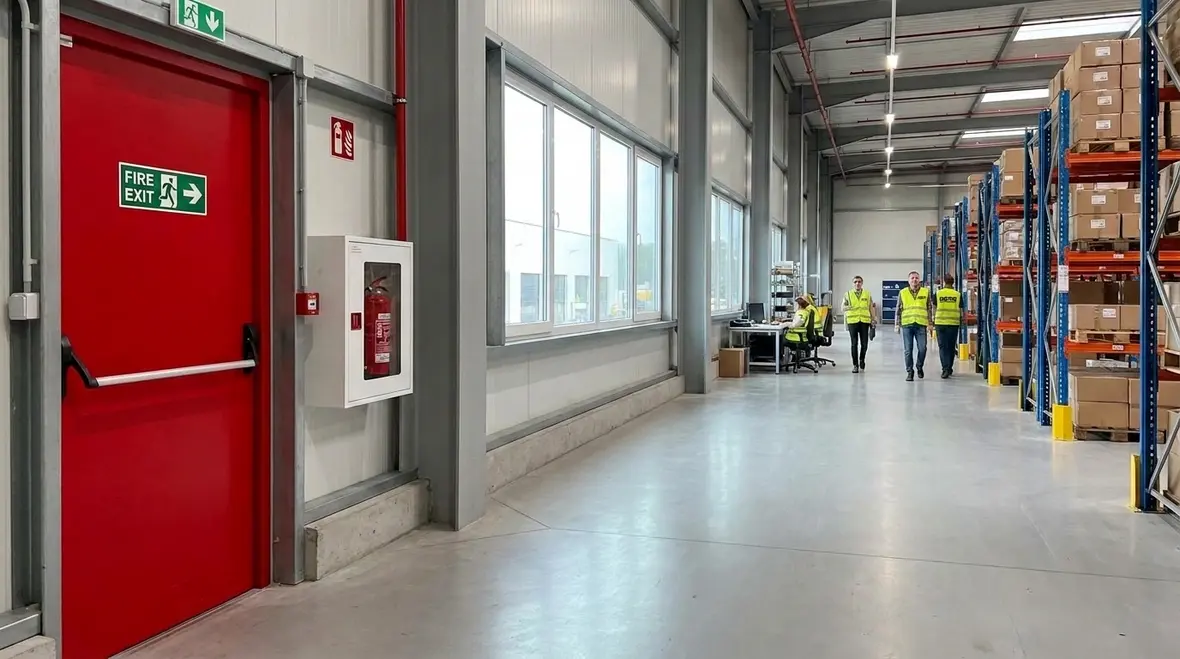
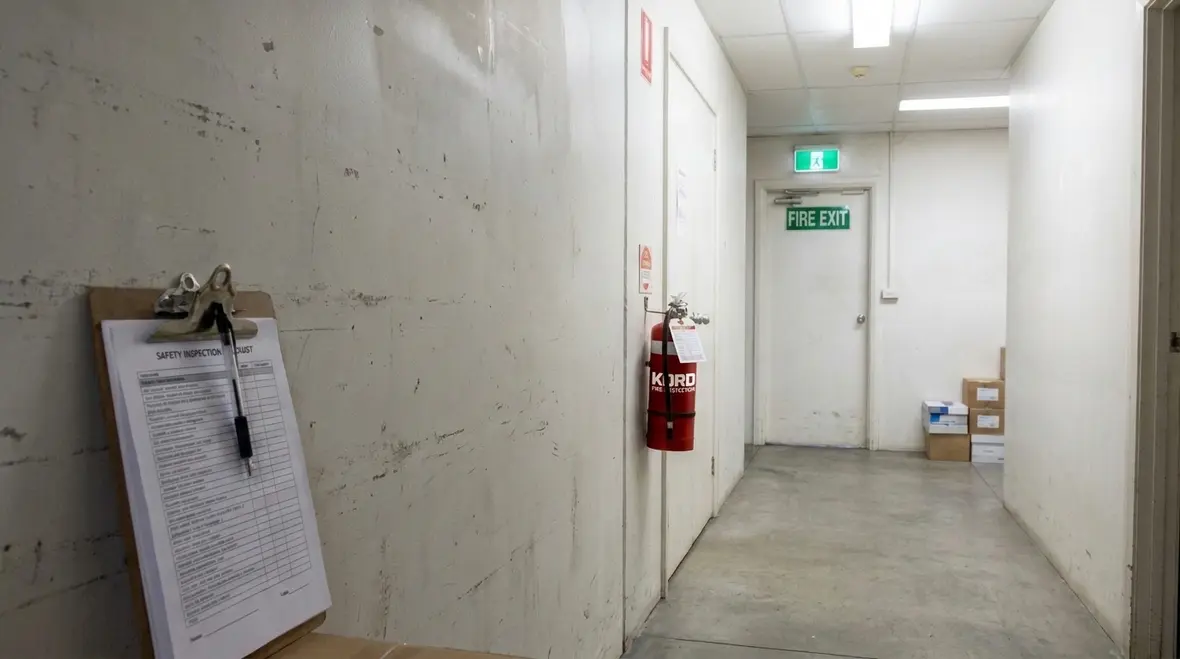
Section 4.5 focuses on broad fire safety duties that sit across the whole site. It supports safe operations by requiring owners, managers, and occupiers to keep fire risks under control. That means a facility should stay clean, maintain exits, keep fire equipment accessible, and make sure storage or operations do not create avoidable danger. These general fire safety requirements work like the foundation under a building. Nobody brags about the foundation at the office party, but everyone notices when it fails.
How NFPA 1 General Provisions Support Daily Operations
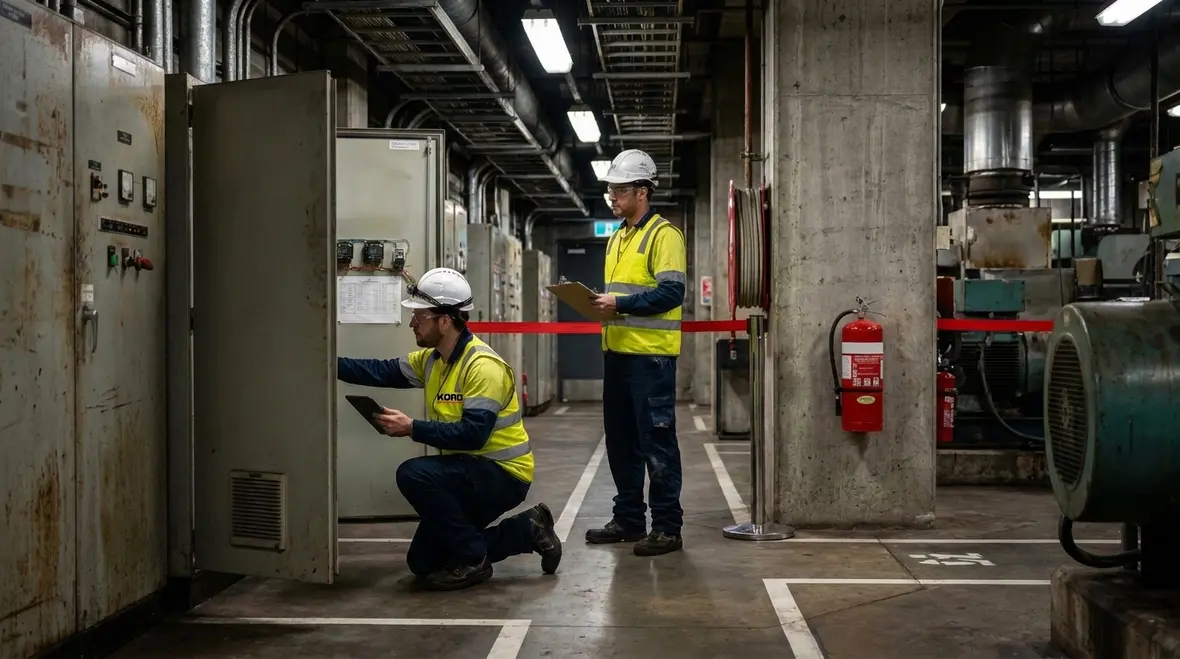
NFPA 1 general provisions help a facility move from good intention to real control. They push teams to build fire safety into daily routines instead of treating it as a once a year task. As a result, managers can reduce risk around storage areas, electrical spaces, plant rooms, loading docks, and public zones. They can also keep inspection issues from piling up like a bad streaming queue that no one asked for.
- Housekeeping: Keep rubbish, packaging, and combustible material under control.
- Access: Keep exits, doors, panels, extinguishers, and hydrants clear.
- Equipment care: Maintain fire systems so they work when needed.
- Hazard control: Reduce ignition sources near fuel, chemicals, or stored stock.
- Training: Make sure staff know what to do and who to call.
This is also where broader code awareness helps. For a deeper foundation, the guide to NFPA 1 fire prevention and safety adds useful context around how individual duties connect to larger code expectations.
Why Basic Fire Code Compliance Matters for Australian Sites
Across Australia, many facilities face layered obligations from workplace safety rules, local authority expectations, and insurance needs. Basic fire code compliance helps unify those demands into one practical approach. It supports safer operations, better inspections, and stronger emergency readiness. Therefore, a site that follows general fire safety requirements often avoids small issues becoming costly shutdowns. That is the kind of drama no one wants on a Tuesday morning.
Compliance also helps protect business continuity. If a retail centre, warehouse, processing plant, or office complex has poor fire controls, one incident can halt trade, damage stock, and trigger repairs that take far longer than expected. On the other hand, a well managed site can respond faster, recover sooner, and keep people safer. It is not glamorous work, but neither is explaining to leadership why an avoidable issue turned into a full operational headache.
Good Practice
- Regular checks of fire equipment and exits
- Clear storage rules in plant and stock areas
- Staff trained on emergency steps
- Inspection records kept up to date
Common Gaps
- Blocked extinguishers or exit paths
- Delayed repairs to fire safety systems
- Poor waste control in back of house areas
- No clear owner for fire safety tasks
How Kord Fire Protection Adds Real Value
Kord Fire Protection can become a vital partner because general fire safety requirements need more than theory. They need reliable support, site knowledge, and follow through. Kord Fire Protection can help facilities understand NFPA 1 Section 4.5, identify gaps, and put practical controls in place. That matters because many sites do not fail due to one major fault. They fail because small issues stack up over time, quietly, like a sequel nobody wanted.
With the right partner, a business can improve inspections, maintain fire systems, and stay ahead of compliance tasks. Kord Fire Protection can also help teams plan around real site conditions, which is especially useful in busy industrial yards, retail centres, warehouses, and commercial buildings where operations rarely stop just to admire a checklist. When maintenance history, servicing, and readiness all live in the same conversation, compliance becomes less reactive and far more useful.
What a Strong Fire Safety Program Should Include
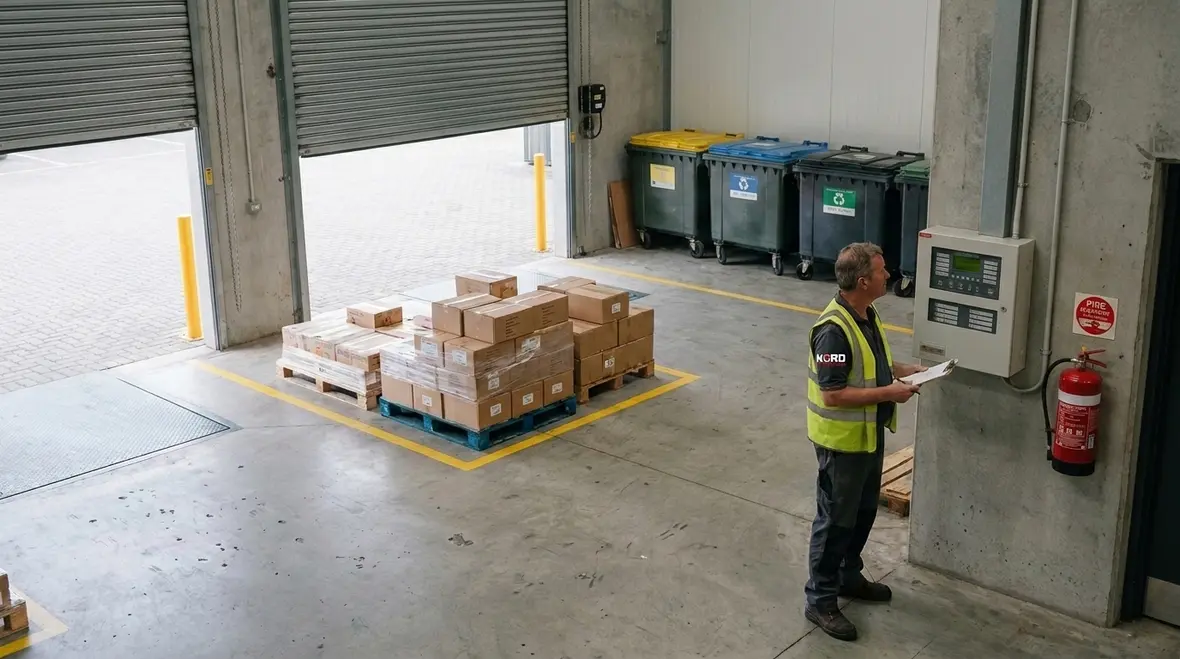
A strong program does not just meet the minimum. It creates a living system that supports people, property, and operations. In practice, that means regular reviews, clear reporting, and action when problems appear. It also means treating fire safety as part of business management, not as a side quest. Even Batman needed a plan, and he had a far better budget than most facilities.
- Routine inspections and maintenance
- Documented fire safety procedures
- Emergency exit and evacuation readiness
- Clear storage and waste handling rules
- Staff awareness and refresher training
- Service records that support audits and reviews
How Facility Managers Can Stay Ahead of Risk
Facility managers should take a proactive view of fire safety rather than waiting for defects or notices to force action. They can review risk areas, assign responsibility, and schedule checks that fit the site’s operation. They should also track changes in layout, stock, plant, or occupancy, because fire risk often changes when the business changes. In other words, if the site changes, the fire plan should not sit there like a forgotten office plant.
The most effective programs are usually the least dramatic. They rely on consistency, clear ownership, and documented follow through. That means someone knows who is checking exits, who is booking service visits, who is reviewing records, and who is escalating defects before they become expensive. A site does not need more panic. It needs rhythm, accountability, and a system that still makes sense when the workday gets messy.
FAQ
Conclusion
NFPA 1 Section 4.5 gives every facility a clear path to safer operations and stronger basic fire code compliance. For businesses across Australia, the smartest move is to treat general fire safety requirements as part of everyday control. That approach reduces surprises, supports better inspections, and keeps fire readiness tied to how the site actually works instead of how someone hoped it worked six months ago.
Kord Fire Protection can help turn that standard into real site protection, with support that keeps compliance practical, steady, and ready for the real world. When responsibilities are clear, systems are maintained, and small problems are handled early, fire safety becomes less of a scramble and more of a dependable operating habit, which is exactly how it should be.

Join Our Newsletter!
Get the latest fire safety tips delivered straight to your inbox From our Newsletter.