
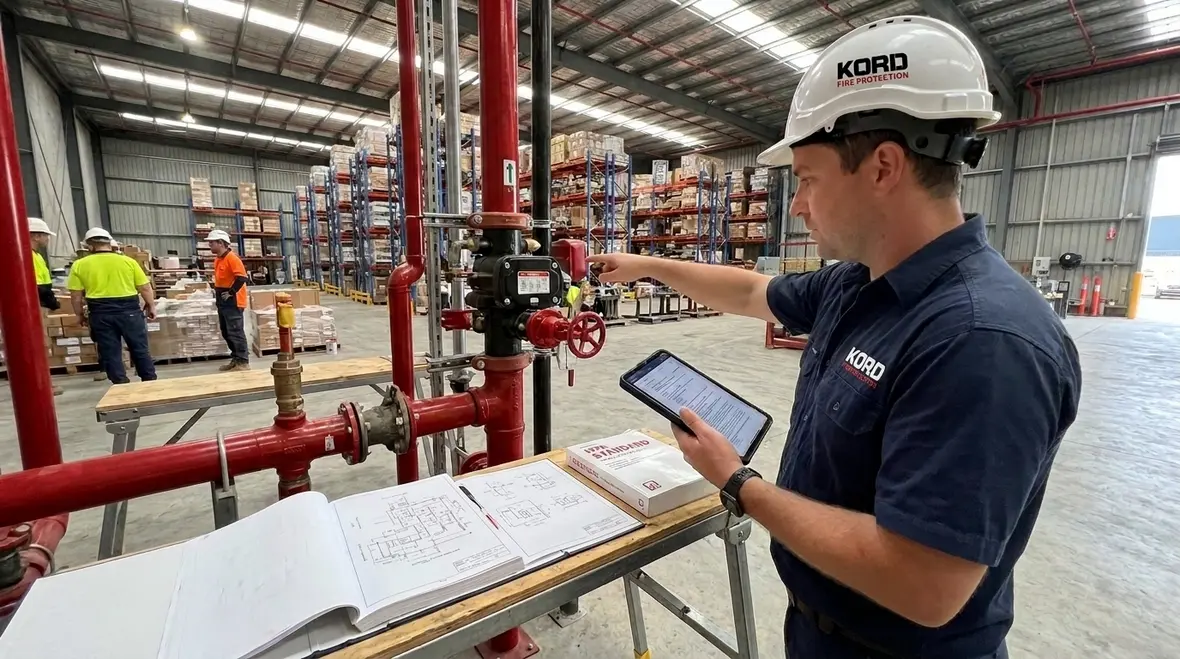
NFPA 15 Section 2.4 Mandatory Section Extract References
Quick Answer
NFPA 15 Section 2.4 sets the reference path for mandatory section extracts, helping teams trace the right source material before design, review, or compliance work starts. For industrial, retail, commercial, and facility projects across Australia, Kord Fire Protection can help turn those references into practical, code aligned outcomes.
NFPA 15 Section 2.4 matters because it points readers to the exact documents used for mandatory section extracts. In plain terms, it helps teams avoid guesswork. And in fire protection, guesswork is about as welcome as a smoke alarm at a silent movie. For Australian industrial, retail, commercial, and facility operations, clear reference control supports safer design, smoother audits, and fewer costly mistakes. That is where NFPA 15 mandatory section extract references become more than a paper trail. They become a working tool, and Kord Fire Protection can help make that tool useful on the ground.
For teams planning broader system coordination, special hazard fire suppression support in Australia can fit naturally into the conversation when NFPA 15 references need to move from document review into real site action. It is one thing to know where a clause lives. It is another thing entirely to make that clause behave itself on a live project.
What NFPA 15 Section 2.4 Means in Practice
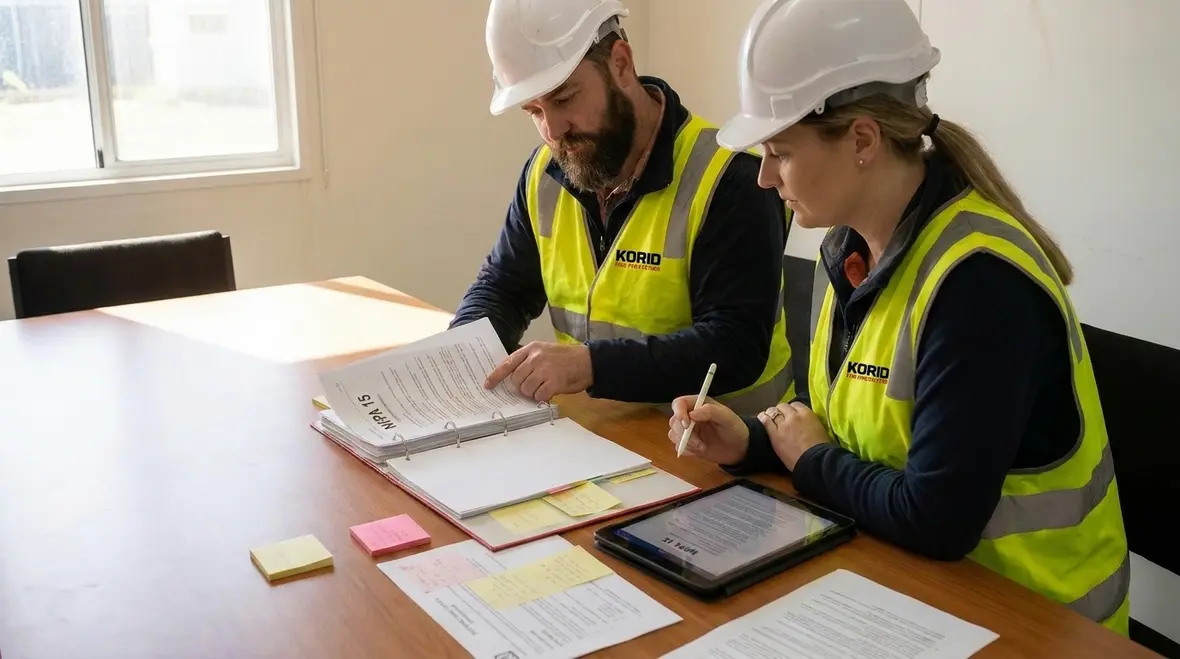
Section 2.4 focuses on references that support extracts pulled from mandatory parts of the standard. Those references help confirm where the rule came from, what edition applies, and how a team should read the requirement. This matters because fire protection projects often involve engineers, installers, building managers, and compliance teams. When each group works from the same source, the result is cleaner decisions and fewer surprises.
For large sites, a missing reference can slow down design checks or cause a wrong assumption during procurement. Therefore, the section acts like a map. It does not install systems or sign off paperwork, but it keeps the route clear. That matters when water spray systems, hazard layouts, and asset protection all need to line up without drama.
This becomes even more useful when teams are also reviewing broader NFPA 15 water spray fixed systems guidance as part of concept design, upgrade planning, or site verification. References do not exist just to make binders look clever. They exist so the work in the field is tied back to the right source before anyone orders equipment, draws layouts, or starts acting confidently with the wrong clause in hand.
Why the reference trail matters so much
A reference trail gives the project team something solid to check when questions come up. If a reviewer asks why a requirement was applied, the answer should not be a shrug and a hopeful finger point at a standards folder. It should lead back to the exact source, edition, and supporting extract. That is how teams avoid confusion during reviews and prevent small misunderstandings from growing into expensive detours.
How References Support Compliance Work
Mandatory section extracts do more than quote the standard. They help teams prove that the right clauses guided the work. As a result, compliance reviews become easier to defend. This is especially useful for facilities that face insurer questions, internal audits, or regulator reviews.
Good reference control also reduces rework. For example, if a design team uses the wrong edition or misses a linked clause, the job can stall. However, when the reference chain is clear, the team can move with confidence. That confidence is valuable in warehouses, shopping centres, processing plants, data rooms, and other high value sites where downtime has a habit of turning into expensive theatre.
A practical compliance mindset
Compliance work tends to go better when the team treats references as active tools rather than dusty footnotes. A correct extract can support design intent, procurement choices, commissioning checks, and final documentation. In other words, references help hold the whole story together. Without them, even a technically sound idea can become hard to prove once review time arrives.
Why Australian Sites Should Care About Extract Accuracy
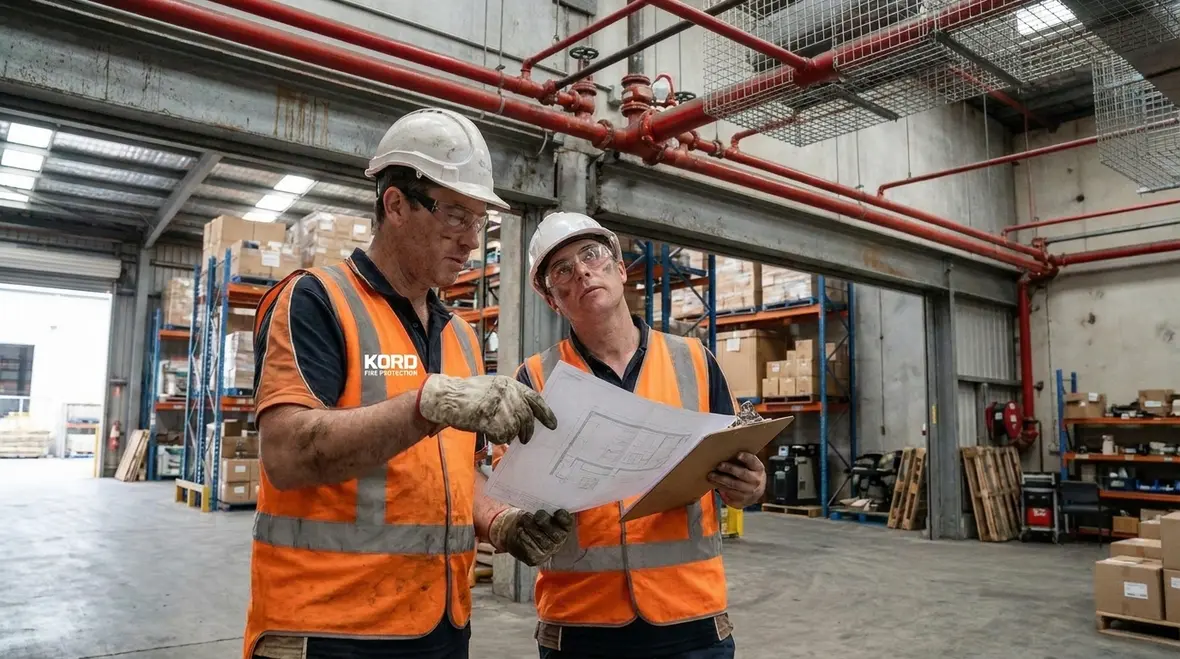
Australian facilities often work across mixed standards, local codes, insurer demands, and site specific rules. Because of that, accuracy in NFPA 15 mandatory section extract references becomes part of the risk control strategy. It helps the project team align the standard with the site design intent and the local compliance path.
In industrial settings, this can support protection for plant equipment and production lines. In retail and commercial sites, it can help protect tenant areas, stock, and public access zones. Moreover, clear references make it easier to explain the basis of a design to stakeholders who may not speak fluent fire code. Not everyone loves standards language. It tends to arrive dressed like a tax form.
Mixed requirements call for cleaner documentation
When a site has insurer expectations, owner requirements, contractor input, and local compliance issues all circling the same project, documentation has to earn its keep. Accurate extracts and references help prevent the classic problem where everybody thinks they agree until someone opens the drawings. That is why reference control is not administrative fluff. It is project stability wearing a collared shirt.
Where Kord Fire Protection Adds Value
Kord Fire Protection can become a vital partner by helping clients apply NFPA 15 mandatory section extract references in a practical way. The value starts with interpreting the references correctly, then continues through design input, review support, and job coordination. This means the team does not just hand over a document. It helps turn the document into action.
- reference checking for mandatory section extracts
- alignment of project scope with applicable NFPA 15 clauses
- support during design and review stages
- coordination with site managers and compliance teams
- practical guidance for industrial, retail, and commercial properties
Because fire systems must work in the real world, a good partner needs both technical skill and site awareness. Kord Fire Protection can help bridge that gap. In other words, it helps keep the standards in the binder and the system working where it counts.
That practical support can sit alongside broader planning conversations as well. Teams that are coordinating upgrades, inspections, and system readiness across multiple assets often benefit from reviewing fire protection for compliance and readiness so the reference work connects naturally to operations, maintenance, and site performance instead of floating around as a lonely paperwork exercise.

How the Reference Process Works on Real Projects
Reference and Review
- Reference stage Extract the relevant mandatory clauses and confirm the linked source material.
- Review stage Check the edition, scope, and site fit before design starts.
Application and Verification
- Application stage Apply the references to system layout, coverage, and equipment selection.
- Verification stage Confirm the work matches the approved interpretation and site needs.
This process keeps the project moving in the right order. First, the team identifies the correct extract. Then, it checks the supporting material. After that, the design and installation work can follow with far less confusion. That flow saves time, and in fire protection, time often has a direct price tag.
What a strong partner should deliver
A strong fire protection partner should do more than point to a clause. It should explain how the clause affects the job. It should also help teams avoid vague assumptions, since vague assumptions have a way of showing up right when inspections begin. Not ideal.
Kord Fire Protection can support this process by offering practical advice, clear communication, and a steady hand across the project lifecycle. This is especially important for multi site businesses and facilities that need consistency across different locations. As a result, the client gets a more reliable path from standard to implementation.
FAQ
Conclusion
NFPA 15 Section 2.4 gives teams a solid base for handling mandatory section extracts with care and accuracy. For Australian businesses, that means better control, clearer reviews, and fewer costly errors. It helps turn references into something useful instead of something that just sits there looking official.
Kord Fire Protection can help guide the process from reference to real world result. For sites that want fire protection work done right, that kind of partner is worth having on speed dial.

Join Our Newsletter!
Get the latest fire safety tips delivered straight to your inbox From our Newsletter.



