
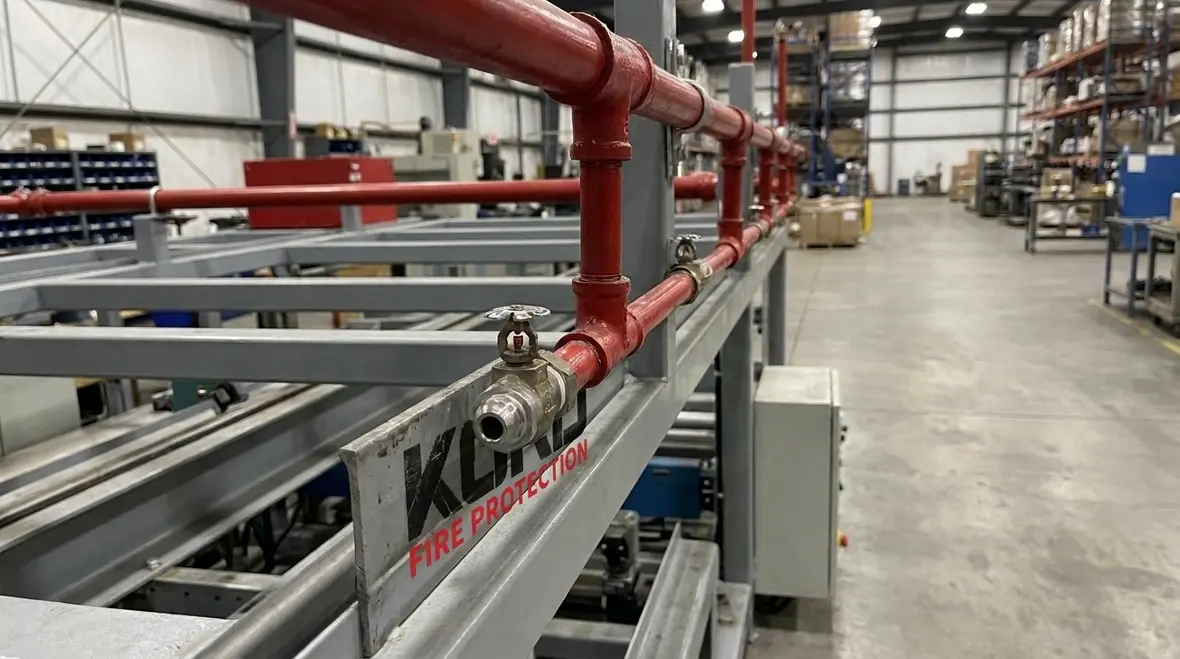
NFPA 15 Section 3.1 General Definitions for Water Spray Systems
Quick Answer: NFPA 15 Section 3.1 gives the core definitions for water spray systems, so teams can speak the same language before design or maintenance begins. For industrial, retail, and commercial sites, these definitions help reduce confusion, improve safety planning, and support better fire protection decisions with a qualified partner like Kord Fire Protection.
Near the start of any planning conversation, it also helps to work with a provider that understands how sprinkler and special hazard protection fit together in the field. Kord Fire Protection’s fire sprinkler system service page gives a practical look at installation, inspection, maintenance, and repair support that naturally connects with water spray planning for commercial and industrial properties.
What NFPA 15 definitions mean for water spray systems
NFPA 15 Section 3.1 lays the groundwork for water spray systems by defining the terms that shape design, installation, testing, and maintenance. In plain terms, it tells a project team what each system part means before anyone starts fitting pipe, selecting nozzles, or signing off on compliance. That matters because a loose definition can turn into a very expensive headache later. Nobody wants a safety plan that reads like a plot twist in a bad movie.
For facilities, these definitions support clear communication between owners, consultants, contractors, and fire protection providers. They also help set the standard for how water spray systems perform in industrial plants, warehouses, retail centres, and other high risk sites. As a result, everyone works from the same rulebook, which makes the job smoother and safer.
How NFPA 15 Section 3.1 helps site teams stay aligned
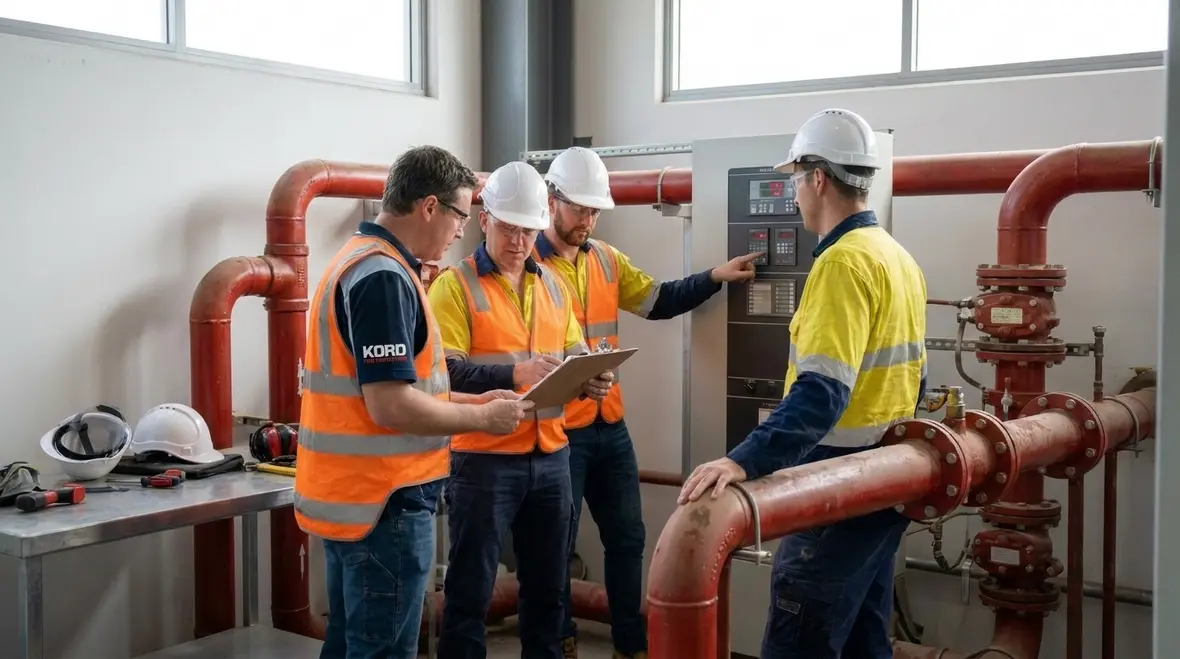
Section 3.1 does more than define words. It creates a shared base for the whole project. When a site manager, engineer, or maintenance lead understands the NFPA 15 water spray system definitions, decisions get faster and cleaner. That is especially useful when a site has mixed uses, like storage, processing, plant rooms, or public areas.
Because of that, the section helps reduce mistakes during design reviews and service work. It also supports better handover documents, which matters when facilities teams change over time. In other words, the definitions keep the system from becoming one of those “who installed this and why?” moments that everyone pretends not to remember.
Why shared terminology matters in the real world
If one person says deluge, another says spray, and a third thinks everyone is talking about standard sprinklers, the project can go sideways fast. Shared terminology sharpens discussions around nozzle type, release method, hazard coverage, and maintenance expectations. It is not glamorous, but neither is paying to fix avoidable confusion after the fact.
Dual columns: core terms and why they matter
Core term
- Water spray system
- Open nozzle
- Fixed system
- Deluge arrangement
- Exposure protection
Why it matters
- Used to apply water in a controlled pattern for fire exposure protection or fire control.
- Delivers water only when the system releases it through a detection or control action.
- Stays in place and protects a defined area without needing manual hose handling.
- Sends water to all nozzles at once for fast coverage over a hazard.
- Shields equipment or structures from heat damage during a fire event.
These terms help shape the way a system gets built and maintained. Therefore, understanding them is not just a paperwork exercise. It affects how well a site protects people, assets, and business continuity. It also makes later conversations about testing, repairs, and upgrades much less painful, which is a small miracle in any technical project.
Where water spray systems are used in commercial and industrial sites
Water spray systems often protect equipment and spaces that face special fire risk. For example, they may serve electrical rooms, fuel related areas, process equipment, conveyors, cable trays, and certain storage zones. In commercial settings, they may support critical plant areas, back of house spaces, or high value infrastructure that keeps the building running.
Because each site has different hazards, the NFPA 15 definitions water spray terminology helps match the system to the risk. One site may need exposure protection for structural steel, while another may need a deluge style approach for fast response. Same umbrella, different weather. Fire protection loves nuance.
If you want a deeper standards focused read, Kord Fire Protection also has a related article on NFPA 15 and water spray fixed systems that fits naturally with the definitions covered here. It is a useful next stop when you are ready to move from vocabulary into application.
How Kord Fire Protection can support this service and job
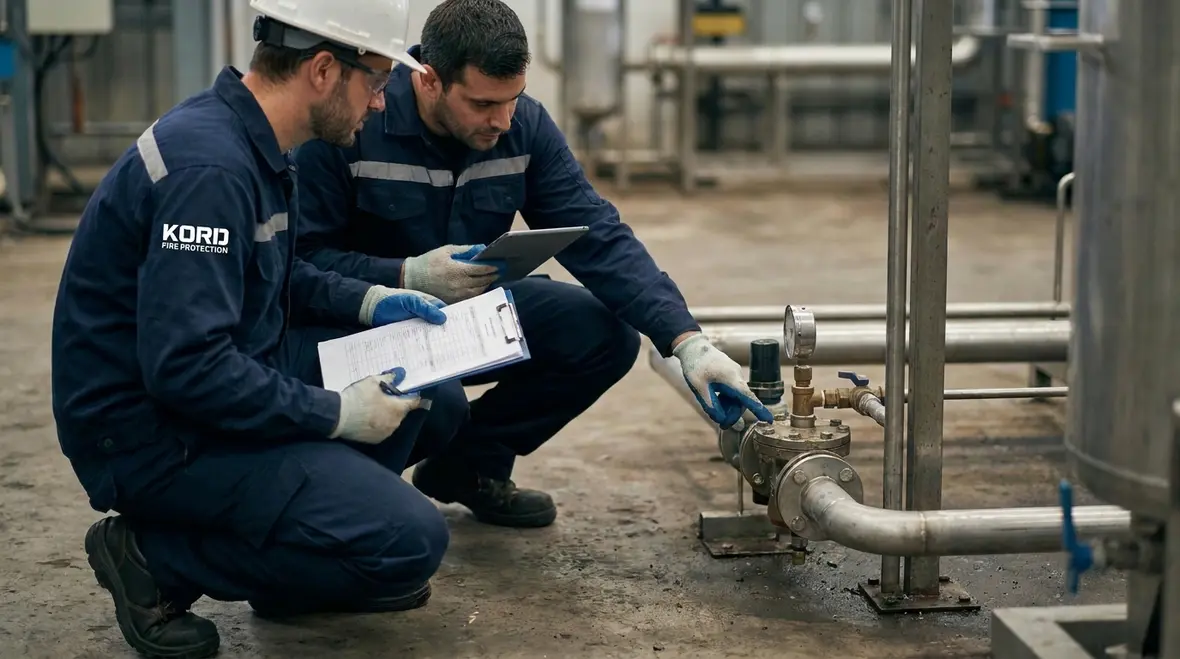
Kord Fire Protection can become a vital partner by turning code language into practical action. While NFPA 15 gives the definitions, a skilled provider helps translate them into real site solutions. That includes review of system needs, design support, installation coordination, testing, inspection, and ongoing maintenance.
For industrial, retail, and commercial facilities, this support matters because fire systems must do more than exist on paper. They must work when needed, with the right coverage, pressure, and control. Kord Fire Protection can help clients reduce downtime, improve compliance, and keep assets protected with a service approach that fits the site instead of forcing the site to fit the system.
Just as important, a trusted partner can help site teams avoid gaps between standards, operations, and maintenance. That means better planning, fewer surprises, and a clearer path from concept to commissioning. Nobody wants commissioning day to feel like a group project where nobody read the assignment.
What good support usually includes
- Hazard review and practical system planning
- Installation coordination with other trades
- Testing and inspection support
- Maintenance programs that keep systems reliable
- Documentation that makes handover less messy
What facilities should check before choosing a water spray solution
Before selecting a system, a facility should check the hazard type, equipment layout, occupancy profile, and water supply. It should also review access for maintenance, alarm integration, and the effect on nearby operations. If the system protects critical assets, the team should look closely at redundancy and response time.
Moreover, the site should confirm that the team understands the NFPA 15 water spray system definitions and how they fit the intended application. This step saves time later and supports a more accurate scope. It also helps avoid overdesign or under protection, which can both become costly in different ways.
Why clear definitions improve safety, service, and compliance
Clear definitions make inspections easier, troubleshooting faster, and maintenance more reliable. They also improve compliance because every person involved can reference the same terms and system purpose. That helps when a facility undergoes audits, upgrades, or changes in use.
In addition, defined language supports better training for operations staff. When teams know what a deluge system does, what exposure protection means, and where water spray applies, they respond with more confidence. That calm, steady control can make a real difference during an emergency.
FAQ
Final thoughts
NFPA 15 Section 3.1 sets the language that makes water spray system work clear, safe, and effective. For facilities that need solid fire protection, the right partner matters. Kord Fire Protection can help turn those definitions into dependable results.
For sites that want practical support, strong compliance, and less fire protection drama than a daytime soap, the next step is simple: speak with Kord Fire Protection and get the system right.

Join Our Newsletter!
Get the latest fire safety tips delivered straight to your inbox From our Newsletter.



