NFPA 15 Section 6.5 Automatic Detection Equipment Installation
Quick Answer
NFPA 15 Section 6.5 sets the standard for how automatic detection equipment must be installed so water spray systems can react fast and in the right place. For industrial, commercial, and retail facilities, this means safer operations, better compliance support, and fewer costly surprises. A trusted partner like Kord Fire Protection can help make sure the work is done right. If your facility also needs broader system coordination, Kord Fire’s fire sprinkler system service offering is a practical place to start.
NFPA 15 Section 6.5: Why Automatic Detection Equipment Matters
In a fire event, seconds matter. That is why NFPA 15 detection equipment installation water spray systems play such a key role in protection plans for high risk sites. Section 6.5 focuses on the automatic detection equipment that tells the system when to act. In plain terms, the detector is the messenger, and the water spray is the response team. If the message arrives late or in the wrong place, the whole show goes sideways. And nobody wants that kind of drama in a warehouse, plant room, or retail back of house area.
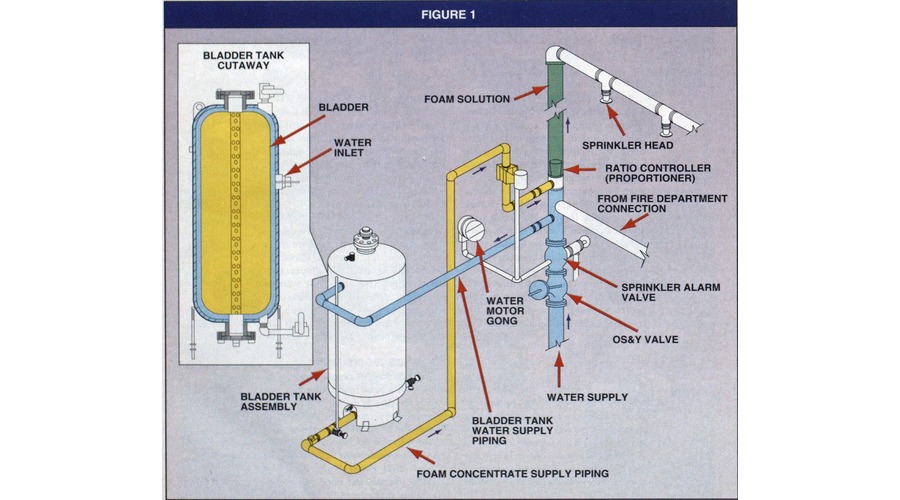
For facilities, this section supports strong fire protection planning by helping systems detect heat, flame, or other fire conditions early. As a result, the spray system can respond fast enough to control a fire before it spreads. That is not just smart engineering. It is good business. It also pairs naturally with Kord Fire’s guidance on NFPA 15 water spray fixed systems, which gives added context on how these systems fit into a bigger protection strategy.
What NFPA 15 Section 6.5 Requires During Installation
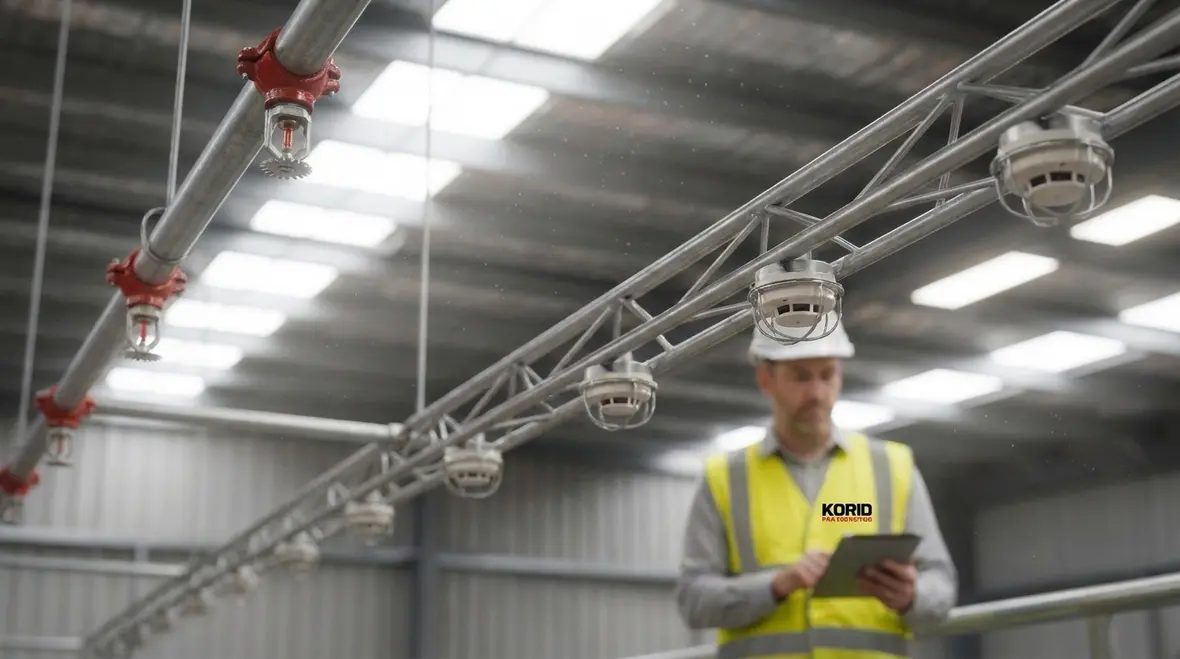
Section 6.5 guides how detection devices should be installed so they work as intended with the water spray system. The goal is simple. The detection equipment must sense fire conditions quickly and reliably, while also avoiding unwanted activation from normal site activity. That balance matters because a system that trips for every harmless puff of dust will make everyone grumpy very fast.
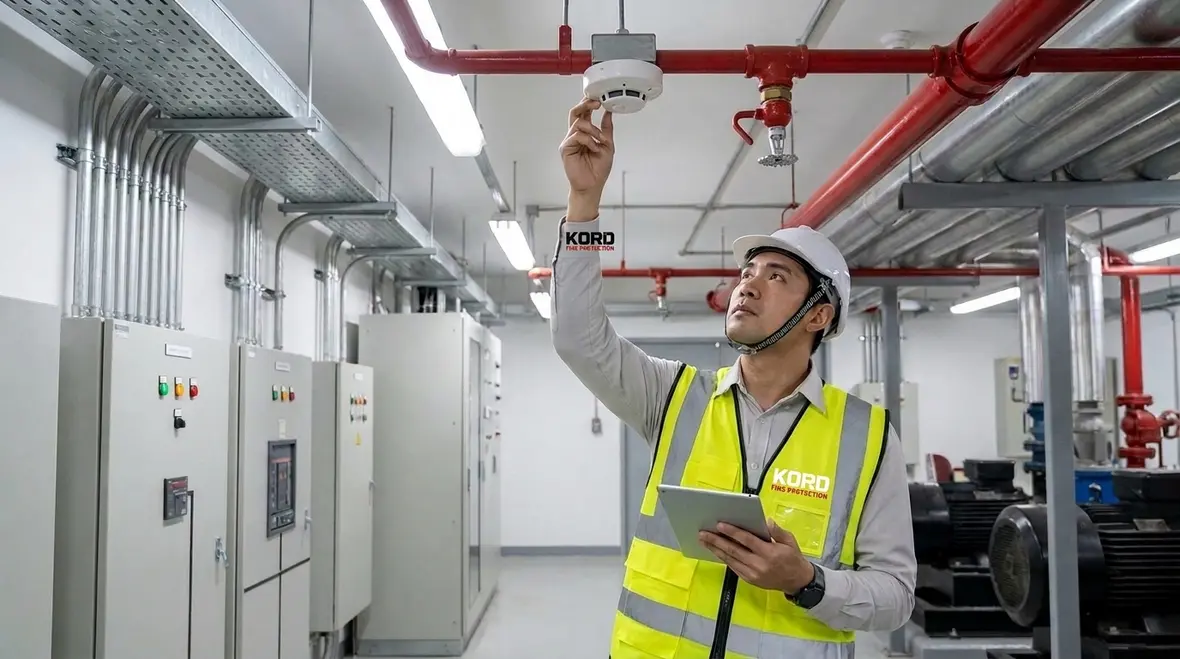
Installation must consider the risk area, the fire scenario, and the equipment being protected. For example, heat detectors, flame detectors, or other automatic detection devices may need careful placement depending on the hazard. In practice, good installation means the system can read the space correctly and trigger the spray only when needed.
Key Installation Priorities That Cannot Be Winged
A proper installation is never just a matter of mounting devices and hoping the laws of physics feel cooperative that day. Detector type, mounting height, line of sight, air movement, equipment heat signatures, and release logic all have to work together. If one piece is off, response can slow down or the system can activate at the wrong moment. Neither outcome wins any popularity contests with facility managers.
- Detector selection that matches the actual fire risk
- Placement that gives clear exposure to likely ignition points
- Integration with valves, controls, and release logic
- Protection against vibration, impact, dust, and nuisance conditions
- Testing that proves response timing in the real environment
How Automatic Detection Supports Water Spray Systems
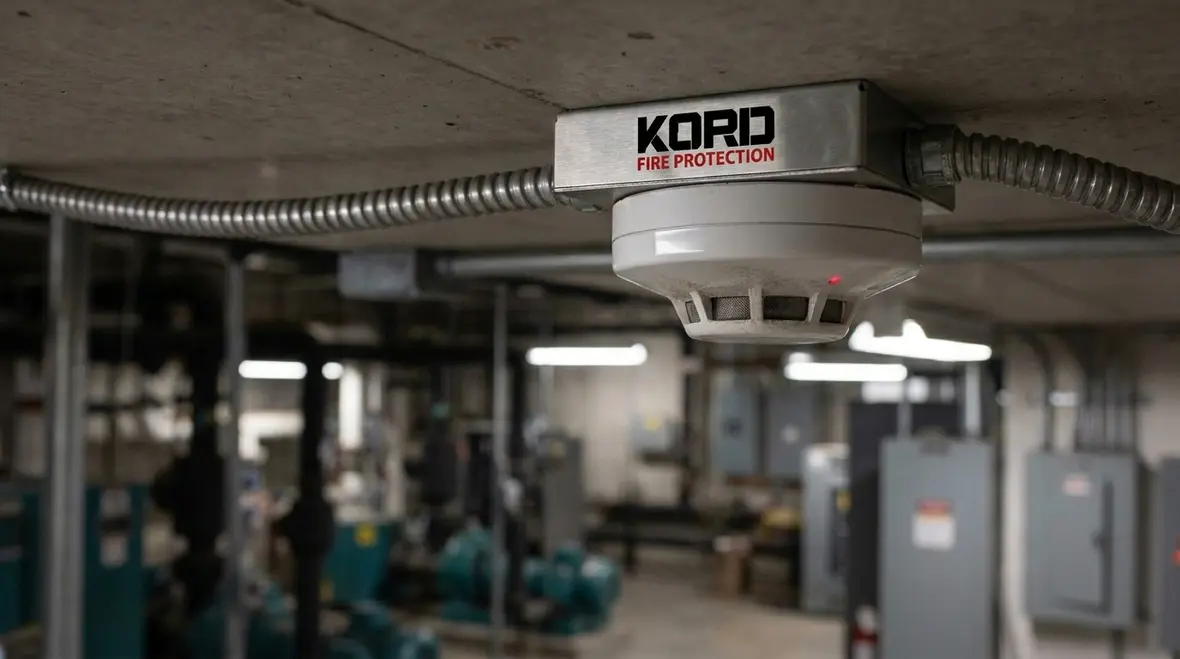
Automatic detection equipment gives the water spray system its first signal. Once the detector senses danger, the system can release water to cool equipment, limit fire spread, or protect key assets. Therefore, the detection stage is just as important as the spray nozzles themselves.
In industrial and commercial settings, this matters across areas such as electrical rooms, process spaces, storage zones, loading docks, and special hazard equipment. A well planned detection setup can help protect operations, reduce downtime, and support safer evacuation. In other words, the detector does the scouting, and the water spray comes in like the hero in the third act of an action movie.
Installation Focus
- Correct detector location for the hazard type
- Clear exposure to the fire risk area
- Coordination with spray system release logic
- Protection from damage, vibration, or false triggers
- Testing that confirms proper response timing
Site Benefits
- Faster fire detection and response
- Lower risk of fire spread
- Better system reliability
- Less downtime after an event
- Stronger compliance support for facility teams
Why Detection Placement Can Make or Break the System
Placement is not a small detail. It can decide whether the system performs like a pro or misses the moment. If detectors sit too far from the hazard, response slows down. If they sit in the wrong air flow, temperature pocket, or visual path, they may not sense the fire correctly. That is why careful design and installation matter so much under NFPA 15 Section 6.5.
Facilities often deal with mixed conditions, including heat, dust, humidity, machinery movement, and changing layouts. As a result, the detector setup must match the site, not just the drawing. A good installer checks the real world, not just the paperwork. Paperwork alone never stopped a fire, after all.
Common Real World Factors That Affect Detector Performance
This is where a lot of installations either earn their keep or quietly invite trouble. High ceilings can delay heat collection. Mechanical ventilation can push smoke or heat away from detectors. Busy service zones can expose devices to bumps, grime, or obstruction. Even later site changes, like new shelving, ductwork, partitions, or equipment relocation, can reduce detection quality if nobody reviews the layout afterward.
The smartest approach is to treat detection as part of a working protection system rather than an isolated accessory. When site teams, designers, and installers all understand how the hazard behaves, the final system has a much better chance of reacting where it should, when it should, and without surprise theatrics.
How Kord Fire Protection Can Help with NFPA 15 Detection Work
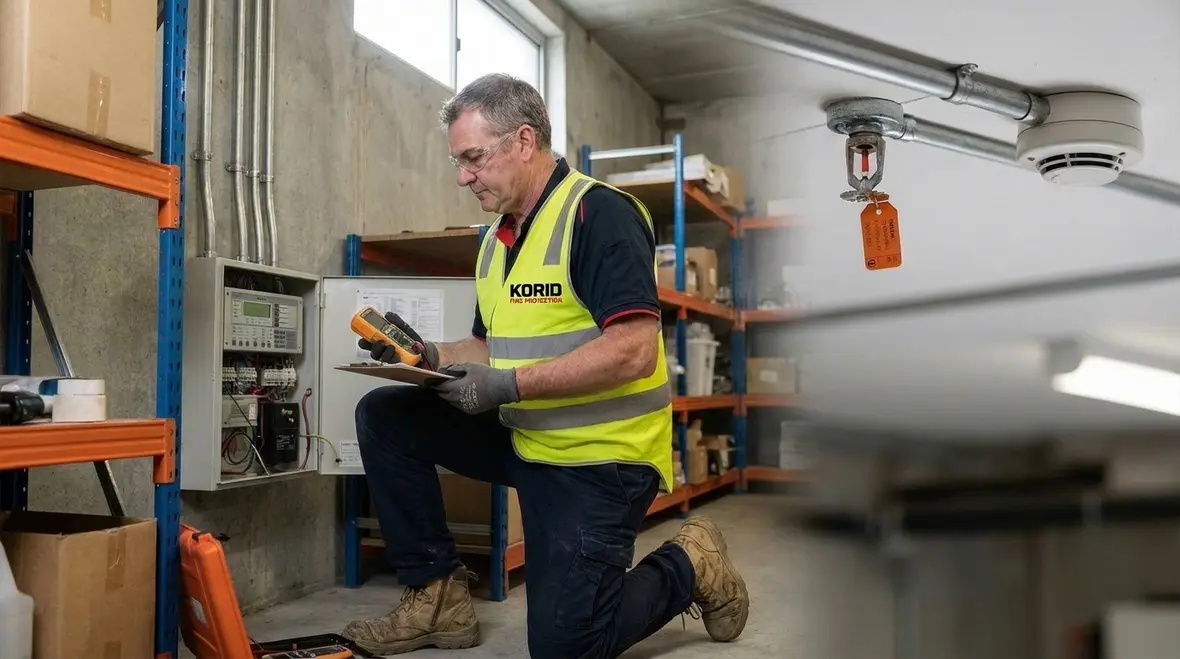
Kord Fire Protection can become a vital partner in this service because the job needs more than parts and labour. It needs planning, installation skill, and a clear understanding of how detection and water spray systems work together. Kord Fire Protection can help facilities choose the right detection approach, install equipment with care, and support testing so the system is ready when it counts.
For industrial, retail, and commercial sites, that support can make a real difference. Kord Fire Protection can help reduce risk, improve system performance, and keep projects moving without turning the fire protection process into a mystery box. That is useful for facility managers, project teams, and operations leaders who need dependable results.
Why Coordination Matters More Than Fancy Equipment Alone
Even high quality devices can disappoint if the surrounding design is not coordinated. Detection has to align with hydraulic intent, nozzle coverage, equipment shutdown logic, alarms, and maintenance access. That is why experienced fire protection teams look at the system as a whole. The detector starts the conversation, but the rest of the system still has to know how to finish it.
Facilities that want a broader view of integrated protection may also find value in Kord Fire’s fire suppression system services, especially where special hazard environments need tighter coordination between detection, release, and ongoing maintenance.
Where Facilities Use This Type of Protection
Many site types can benefit from NFPA 15 detection equipment installation water spray systems. These include manufacturing plants, warehouses, processing areas, commercial plant rooms, retail service areas, data related spaces, and large storage facilities. Because each site has its own risk profile, the installation must fit the actual use of the space.
This is especially important for teams managing multiple sites or large assets. A system that works well in one location may need changes in another. Therefore, the best approach always starts with a proper assessment of the hazard and the equipment it protects.
FAQ
Conclusion: A Smarter Way to Protect the Site
NFPA 15 Section 6.5 gives facilities a clear path to better fire response through proper detection installation. When automatic detection and water spray systems work together, protection becomes faster and more reliable. That is the real value here: not just ticking a box, but building a system that can respond with confidence when conditions turn ugly.
For teams that need stronger fire protection, Kord Fire Protection can help deliver that result with skill and care. From planning through installation and testing, the right support makes the whole process less confusing and much more effective. If the site needs better protection, now is the time to plan it well instead of hoping for the best and calling that a strategy.

Join Our Newsletter!
Get the latest fire safety tips delivered straight to your inbox From our Newsletter.