
NFPA 25 13 4 System Valve Inspection Testing Maintenance
Quick Answer: NFPA 25 § 13.4 focuses on how facilities inspect, test, and maintain system valves so fire protection systems stay ready when they must. Kord Fire Protection helps organizations in Australia do this work with clear records, practical fixes, and reliable follow ups, not guesswork.
For facilities that want broader support beyond a single valve workflow, Kord Fire Protection’s full fire protection services can fit naturally into a larger compliance and maintenance plan. That matters because valve reliability does not live alone. It connects to inspections, repairs, readiness, and the way a site actually runs day to day.
NFPA 25 § 13.4 and why system valves matter
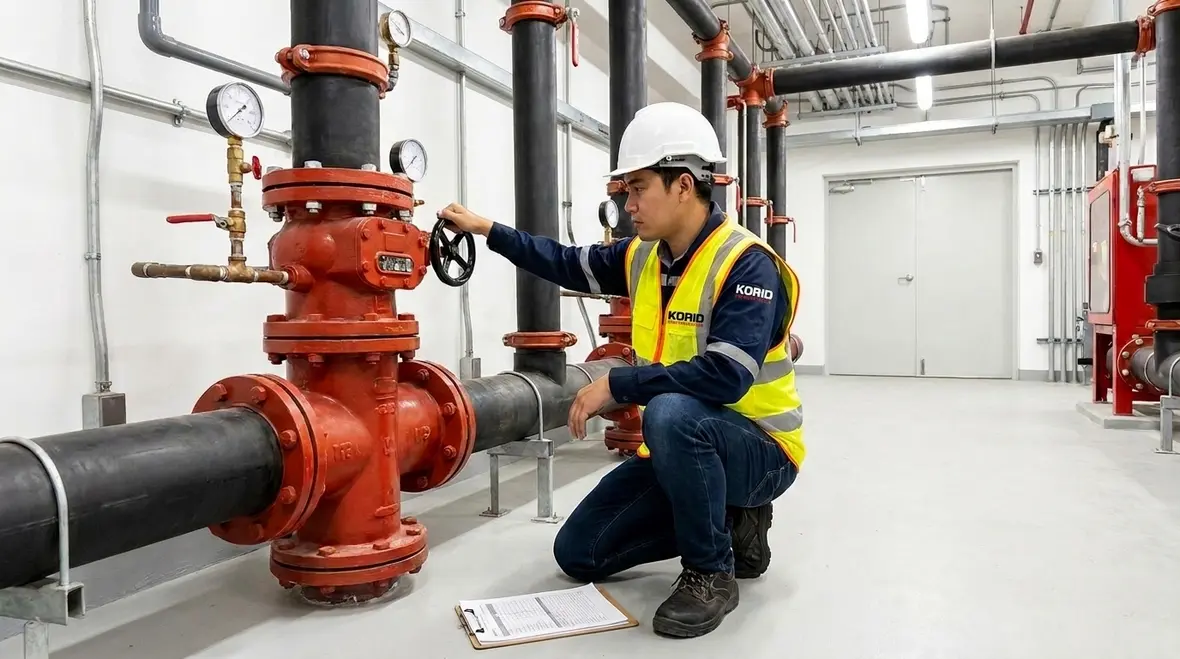
NFPA 25 system valve inspection, testing, and maintenance starts with one simple truth: valves do nothing until they do everything. In the first 100 to 150 words, that standard’s intent shows up clearly, because NFPA 25 § 13.4 requires facilities to inspect, test, and maintain valves that control water flow and system operation. Therefore, the goal is not paperwork for paperwork’s sake. Instead, the goal is dependable performance, with conditions that match reality, not theory.
In industrial and commercial settings across Australia, valves sit in the real world. They face vibration, temperature swings, corrosion, dust, and the occasional “someone moved it, probably” moment. Consequently, even well managed sites can drift out of compliance without a plan. And yes, a valve can look fine while still failing under pressure, much like a pop quiz you definitely studied for.
That bigger context is one reason Kord’s NFPA 25 overview for water based fire protection systems is a useful companion resource. It frames how valves fit into the wider maintenance picture instead of treating them like a random isolated task on a clipboard.
What NFPA 25 § 13.4 expects during inspection
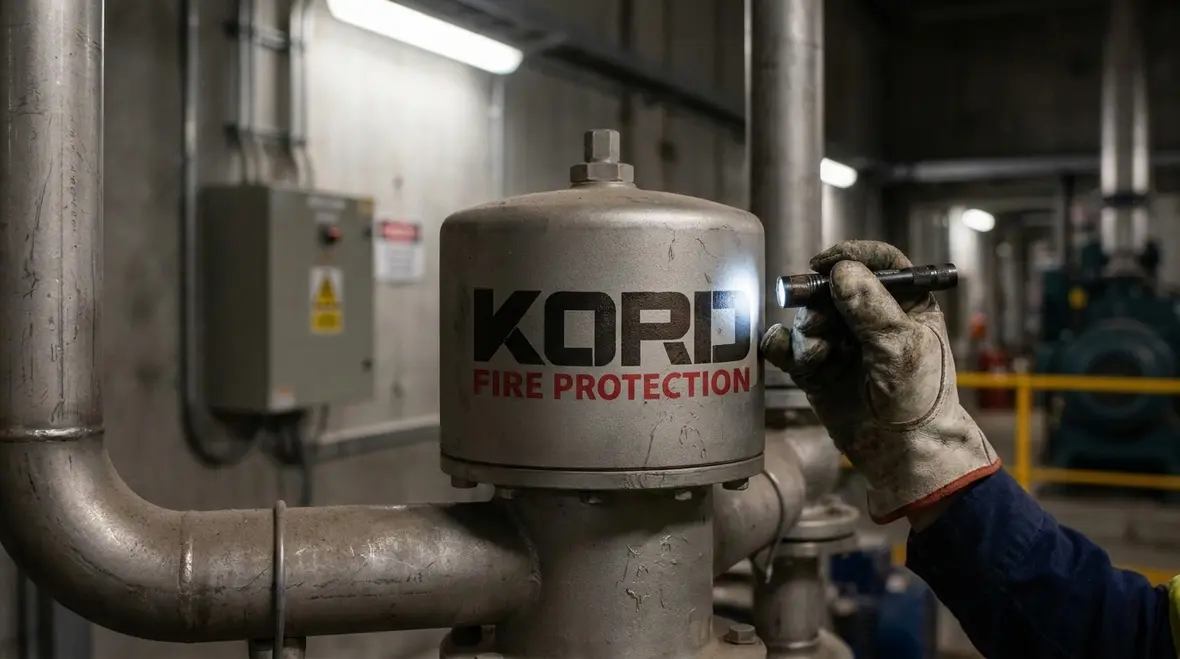
Facilities typically treat inspection as a visual and functional check, then document what they found. However, NFPA 25 § 13.4 expects inspection to be more than “take a look and hope.” Inspectors should confirm valve position, verify proper identification, and ensure that the valve’s location and setup still match the system design. At the same time, they should check for damage, leakage, obstructions, and signs of wear that could compromise operation.
Because valves often operate infrequently, inspection must still be consistent. Therefore, a schedule should align with the risk of each system and the environment around each valve. For example, retail distribution areas, plant rooms, and sprinkler control areas can differ greatly in moisture, airborne particles, and heat. If the valve lives in a harsh environment, the inspection needs to catch issues early, before they turn into a “who touched this” investigation.
What inspectors usually verify first
Most strong inspection workflows start with the basics that are easy to overlook when a site is busy. That includes confirming the valve is in its correct normal position, verifying the labeling still makes sense to the people who actually need to use it, and checking that access is not blocked by storage, equipment, or a masterpiece of accidental clutter. A valve that cannot be identified or reached quickly has already started losing the argument before an emergency begins.
Inspectors also look for smaller warning signs that tend to become bigger problems later: missing seals, damaged hand wheels, poor supervision, weeping at packing areas, corrosion around components, and indicators that no longer reflect reality. None of that is glamorous. All of it matters.
Testing and verification: proving the valve will work when called
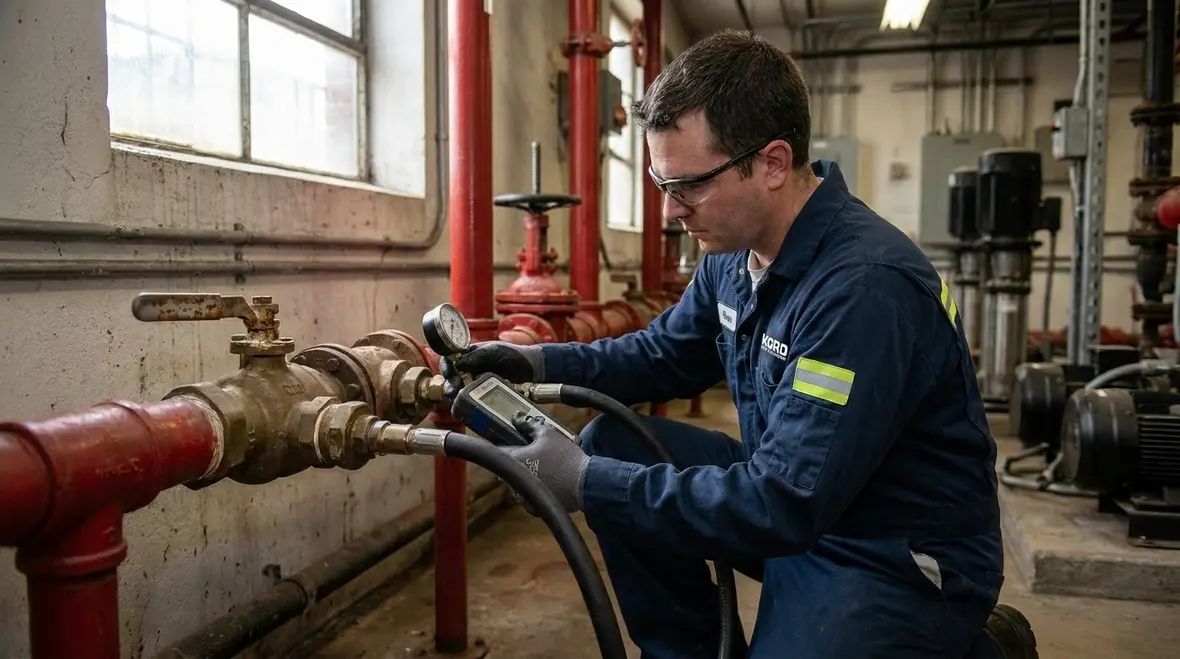
Testing builds on inspection. While inspection spots trouble, testing confirms performance. Under NFPA 25 system valve inspection, testing, and maintenance practices, testing should verify that the valve operates as intended and that the system control function stays intact. This includes checking that the valve can reach its correct position and that its movement does not bind due to corrosion, scale, or mechanical wear.
Moreover, verification matters because a valve can drift over time. Threads can seize. Seats can degrade. Gaskets can harden. And in some facilities, maintenance teams inherit older upgrades that never quite matched the current workflow. So the testing phase helps teams confirm the system behaves correctly, rather than trusting the last time it worked.
When teams conduct the right checks, the outcome becomes practical. Instead of reacting after a fault, the organization creates evidence that the system can respond as required. In other words, testing helps turn anxiety into confidence, which is a better feeling than watching a mystery actor in a streaming show do the wrong thing with full confidence.
Why verification beats assumptions
A surprising number of valve issues hide behind appearances. A component can look aligned while sticking internally. A position indicator can suggest everything is open while the actual travel says otherwise. A record can show service happened while the field condition quietly disagrees. Testing is what drags those polite little lies into daylight.
That is why teams benefit from a methodical process that verifies movement, confirms supervision, and ties results back to the system’s real operating condition. If inspection is the conversation, testing is the proof.
Maintenance actions that reduce future failures
Maintenance under NFPA 25 § 13.4 should address what inspections and tests uncover. That approach prevents one of the most common mistakes in facilities work: fixing nothing until something breaks. Instead, maintenance targets root issues like corrosion, damaged seals, loose components, or misaligned indicators.
In addition, maintenance should include cleaning and adjustment where appropriate, replacement of worn parts when they reach end of service life, and restoring correct labeling and operational cues. Furthermore, teams should ensure access stays clear. A valve that cannot be reached safely during an emergency is only half a valve.
Kord Fire Protection helps clients treat maintenance like a controlled process. They coordinate the right parts, document conditions, and recommend the next step based on what the system is actually doing. As a result, facilities reduce repeat issues and avoid the costly cycle of “test, fail, then scramble.”
Documentation and compliance evidence that facilities can trust
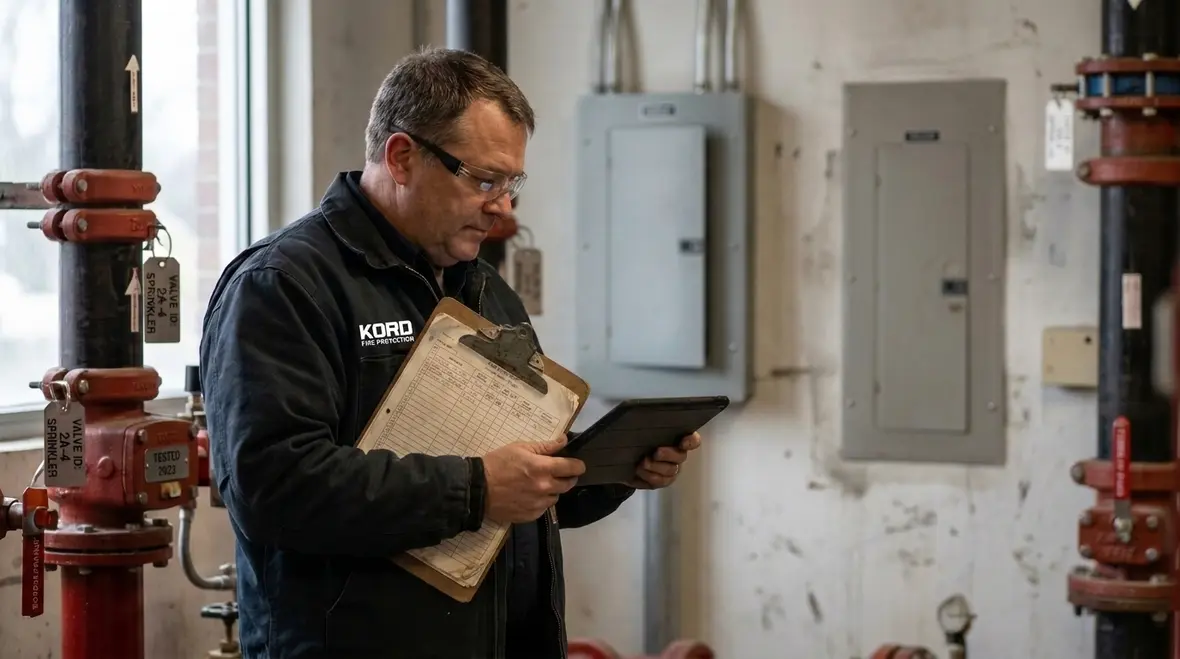
Even the best technical work fails if records cannot stand up to review. Therefore, NFPA 25 system valve inspection, testing, and maintenance requires thorough documentation of what was checked, what was found, and what actions the facility took. Good records include dates, valve identification, test results, and any maintenance performed, plus any items requiring follow up.
For industrial, retail, and commercial sites, this matters because compliance does not live in a vacuum. It connects with internal audits, contractor management, and operational continuity. When maintenance managers can show clear evidence, they spend less time defending decisions and more time improving performance.
Kord Fire Protection works as a vital partner because they do not treat records as an afterthought. They structure reporting so facilities can see trends, understand risk, and make decisions quickly. That keeps compliance calm, not chaotic.
How Kord Fire Protection partners with the valve inspection workflow
Facilities across Australia need service teams who understand the standard and the practical realities of running a site. Kord Fire Protection supports the whole workflow, from planning to completion, so the organization can keep operations stable. First, Kord reviews the site’s valve inventory context and helps align work with the facility’s fire protection system structure.
Then, they conduct the required inspection and testing with a focus on correct operation, observable conditions, and consistent reporting. After that, they guide the maintenance actions that follow from the results. As a result, the work connects directly to performance outcomes, not just checklist completion.
And yes, it is possible to make this less painful. Kord helps organizations avoid that classic “we’ll do it later” trap, which is the facilities version of leaving dishes in the sink and calling it a lifestyle. With Kord as a partner, the site moves forward with clear steps, predictable scheduling, and professional communication.
Risk based planning for industrial, retail, and commercial sites
Not every valve needs the same level of attention on the same day. Therefore, risk based planning improves results. Facilities can consider factors like environment, frequency of system demand, age and condition of components, and how quickly a valve can be serviced if an issue appears. In industrial areas, where vibration and dust can accelerate wear, planning can prioritize valves that control critical sections or sit in harsher spaces.
In retail and commercial buildings, the risk picture often changes with building use, renovations, and tenant fit outs. New equipment and modifications can affect access, alignment, and labeling. Consequently, ongoing coordination keeps valve inspection testing on track and prevents “surprise changes” from undermining the fire protection strategy.
Kord Fire Protection supports planning that fits how facilities actually operate across Australia, so inspections and tests happen without unnecessary disruption. That means less downtime, fewer last minute rush jobs, and a steadier path to readiness.
FAQ
Conclusion: choose a partner that makes valve work predictable
NFPA 25 § 13.4 expects consistent inspection, testing, and maintenance that proves system valves can perform. However, doing it right takes planning, field experience, and documentation discipline. Kord Fire Protection becomes a vital partner by helping industrial, retail, and commercial facilities across Australia run this workflow with clarity and control.
Reach out to Kord Fire Protection to schedule your next valve service and keep readiness steady, not stressful. When the process is structured, documented, and tied to real site conditions, compliance becomes far easier to manage and a lot less dramatic.

Join Our Newsletter!
Get the latest fire safety tips delivered straight to your inbox From our Newsletter.



