
NFPA 15 Section 9.2 Water Volume Pressure Spray Systems
Quick Answer: NFPA 15 Section 9.2 sets the baseline for water spray system volume and pressure so the system can deliver the right coverage when heat, fire, or exposure risks show up. In simple terms, it helps ensure the spray pattern, flow, and pump support all work together. That is where Kord Fire Protection becomes a strong partner, helping facilities design, install, test, and maintain systems that actually perform when needed.
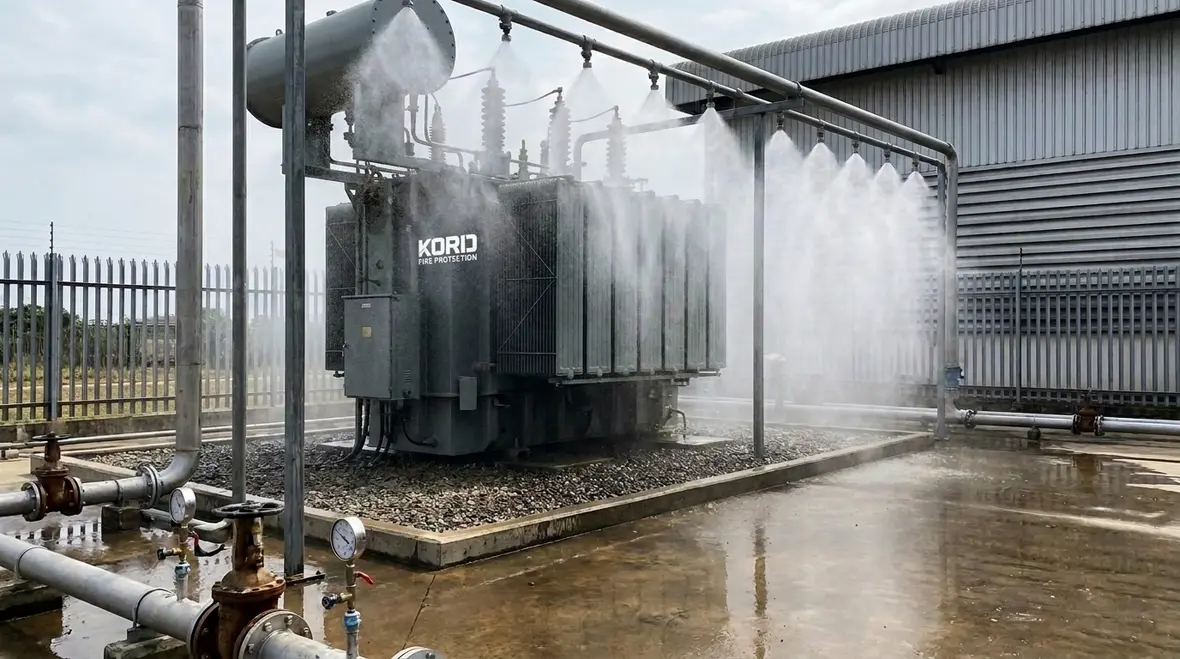
NFPA 15 water volume pressure spray systems sit at the heart of many industrial and commercial fire protection plans. These systems do not just spray water and hope for the best. They are built to deliver the right amount of water, at the right pressure, and in the right pattern to control hazards fast. In busy facilities, that matters a great deal. One weak link can turn a solid plan into a very expensive lesson, and nobody wants that kind of plot twist.
Near the top of any smart project discussion, it also helps to connect this topic with broader fire sprinkler system service support, since design, installation, repair, and maintenance all influence whether a water spray system can hold volume and pressure where it needs to. If the hardware is tired, blocked, undersized, or poorly maintained, the math on paper starts looking a lot less impressive in real life.
What NFPA 15 Section 9.2 Means in Plain Terms
Section 9.2 focuses on the volume and pressure needed for proper performance. That means the system must supply enough water for the hazard, while keeping pressure in the range needed to create effective spray coverage. The goal is simple: protect equipment, structure, and people with a system that behaves exactly as designed.
In plain language, this section tells designers and installers that water spray systems cannot run on guesswork. First, they must be sized to match the hazard. Then, they must have enough pressure to create the spray pattern the nozzles need. This balance matters because too little water can leave hot spots, while too much pressure can create poor droplet control, wasted water, or extra stress on system parts.
In practical use, NFPA 15 water volume pressure spray systems support protection for transformers, conveyors, process equipment, storage areas, fuel related assets, and other exposed risks. Proper design starts with the hazard itself, not with a one size fits all approach. That is the kind of thinking that keeps systems useful instead of merely decorative. And fire protection should never be decorative, unless someone plans to impress a fire inspector, which is not the usual business strategy.
Why the Hazard Comes First
Different hazards demand different spray performance. A transformer exposure problem is not the same as a conveyor hazard. A fuel risk does not behave like a storage area with heat exposure concerns. Because of that, nozzle selection, spacing, discharge density, and operating pressure have to be aligned with the actual conditions on site. Starting with the hazard keeps the design honest and keeps the system from becoming a generic answer to a very specific problem.
Why Pressure and Flow Must Work Together
Water flow and pressure act like a pair of stage partners. If one misses a cue, the whole performance suffers. A system may have plenty of water supply, but if the pressure drops too low, the spray may not reach the needed area. On the other hand, high pressure alone does not guarantee better protection. It must align with nozzle design, spacing, and hazard coverage.
For industrial and commercial sites, this matters because risk conditions vary. Some areas need fine spray for cooling and exposure control. Others need broader coverage to cool surfaces or suppress fire spread. As a result, the design team must confirm that the available supply can meet both the required volume and the required pressure under real operating conditions.
This is also where support infrastructure starts speaking up. Pumps, valves, pipe sizing, and even long term maintenance all affect whether the target pressure remains available during discharge. Kord Fire Protection’s broader fire protection work repeatedly emphasizes design, installation, servicing, maintenance, and repair as connected parts of system reliability, not separate chores passed around like unwanted office cake.
What Can Go Wrong When the Balance Is Off
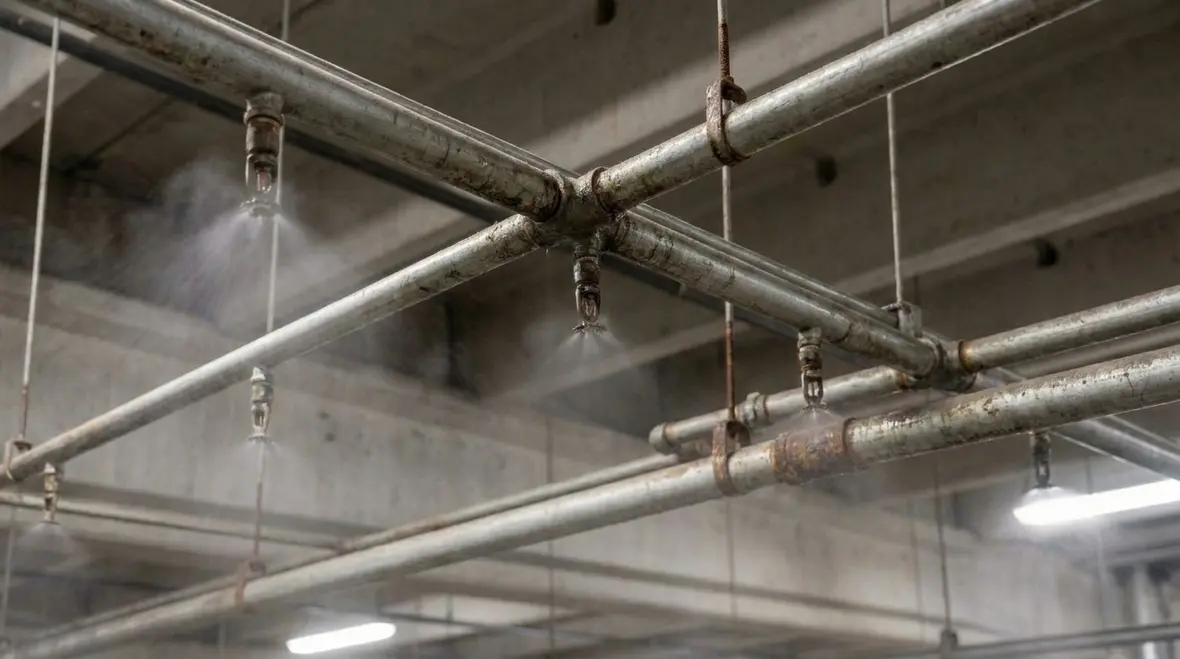
If pressure falls short, the spray may fail to reach the target area or may produce a pattern that leaves gaps where cooling is needed most. If flow is too low, coverage can thin out and hot surfaces may stay dangerously active. If pressure is pushed beyond what the design expects, droplet behavior and nozzle performance can drift away from the intended result. None of those outcomes are especially charming, and all of them can weaken the protection strategy right when the site needs it most.
How Engineers Size NFPA 15 Water Volume Pressure Spray Systems
Engineers usually begin by reviewing the hazard, the protected area, and the water source. Next, they calculate demand based on nozzle type, density, coverage, and system arrangement. Then they check whether pumps, tanks, mains, and valves can support the needed performance for the full discharge period.
A Simple View of the Process
| Design step | Purpose |
|---|---|
| Hazard review | Identifies the fire exposure and cooling need |
| Flow calculation | Confirms the system can deliver enough water |
| Pressure check | Ensures nozzle spray works as intended |
| Supply review | Confirms pump, tank, and mains support demand |
| Testing and verification | Proves the system performs in the field |
This process matters because the code is not only about compliance. It is about making sure the installed system does what the drawings promised. Without that discipline, a water spray system can become a very expensive lawn sprinkler with better branding.
It also helps to connect this section to Kord Fire’s related article on NFPA 15 enhancing fire safety with water spray fixed systems, which reinforces the bigger picture around how fixed spray protection is intended to support real hazard control. When teams understand both the standard and the field conditions, the system is far more likely to perform like a safety asset instead of a paperwork trophy.
Why Verification Matters After the Drawings Are Done
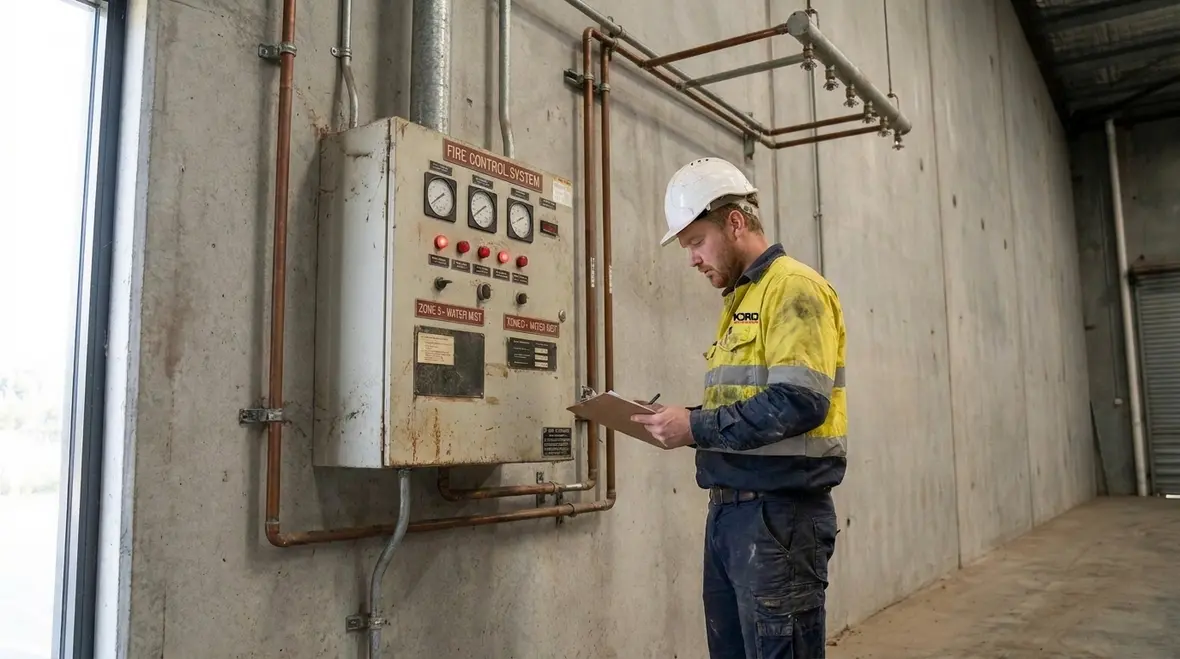
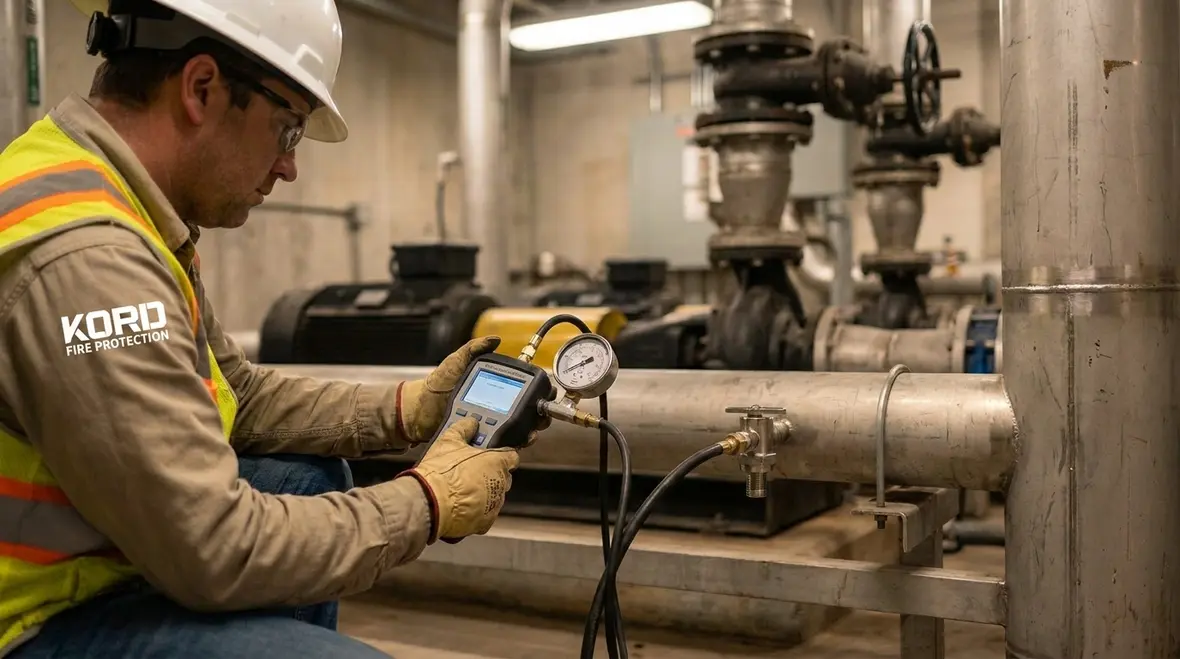
Hydraulic design on paper is only part of the job. Verification in the field confirms that actual installation conditions match the assumptions used during design. Nozzle placement, pipe routing, valve status, water supply performance, and pump response all need to line up. Even minor deviations can affect spray patterns. That is one reason Kord Fire Protection repeatedly connects inspections, testing, repairs, and maintenance to the long term health of fire protection systems across its service pages and related blog content.
Where Kord Fire Protection Adds Real Value
Kord Fire Protection can become a vital partner for facilities that need dependable NFPA 15 water volume pressure spray systems. They can help with design input, system installation, testing, inspections, and ongoing maintenance. In other words, they support the whole life of the system, not just the shiny part at handover.
For industrial, retail, commercial, and facility environments, that support matters. Sites often face mixed hazards, changing layouts, and strict operational schedules. A partner like Kord Fire Protection helps keep projects moving while reducing the chance of costly delays or design gaps. They can also work with site teams to confirm that water supply, pressure settings, and spray coverage match the actual hazard, not an idealised drawing from a perfect world that does not exist.
Kord Fire’s service pages also show how sprinkler work, suppression systems, inspections, and preventive maintenance fit together under one roof. That connected approach is useful because water spray performance is never just about one nozzle or one pressure reading. It is about the entire protection chain behaving properly from source to discharge.
Why Testing and Maintenance Cannot Be Skipped
Even a well designed water spray system needs follow up care. Over time, valves can drift, nozzles can clog, pipework can corrode, and pressure can change because of system or site updates. As a result, regular inspection and maintenance protect both compliance and performance.
Testing also confirms that the system still meets the intent of NFPA 15 Section 9.2. If water volume or pressure falls outside the target range, the system may not provide full protection. That is why maintenance teams should treat testing as part of risk control, not as paperwork with a pulse.
Common Reasons Performance Drifts Over Time
- Control valves move out of their intended position.
- Nozzles collect debris or corrosion products.
- Pipework ages and internal conditions change.
- Pumps or supply components no longer perform as originally expected.
- Facility alterations change coverage needs or hydraulic demand.
None of those issues are dramatic at first glance, which is exactly why they can be dangerous. Small changes pile up quietly. Then one day the system is expected to respond perfectly under stress, and suddenly everyone wishes the quiet little warning signs had been less polite.
How Facilities Can Stay Ready
Facilities often need fire protection that can handle harsh environments, large assets, and constant operation. Because of that, NFPA 15 water volume pressure spray systems should be reviewed during design changes, plant upgrades, and equipment replacement projects. Even a small layout change can alter spray coverage or hydraulic demand.
For this reason, site leaders should keep clear records of system design data, pump curves, nozzle details, and test results. That makes future checks faster and safer. It also helps Kord Fire Protection or any qualified specialist spot issues before they become problems with smoke attached.
A Practical Readiness Checklist
- Review system demand whenever the protected hazard changes.
- Keep nozzle listings, spacing data, and hydraulic records organized.
- Confirm water supply conditions still support the original design intent.
- Schedule inspections and testing before small issues become expensive ones.
- Bring in qualified support when upgrades or repairs affect pressure or flow.
FAQ
Conclusion
NFPA 15 Section 9.2 gives facilities a clear path to safer water spray system design by tying volume and pressure to real hazard needs. That helps compliance and performance work together instead of acting like awkward neighbors who only wave from a distance.
Kord Fire Protection can help turn those requirements into a dependable, well maintained system through design support, installation, testing, and ongoing service. For sites that want confidence, not guesswork, this is a smart time to review the protection plan and bring in the right partner.

Join Our Newsletter!
Get the latest fire safety tips delivered straight to your inbox From our Newsletter.



