process equipment compliance audit Australia fire safety
Quick Answer: A process equipment compliance audit checks whether real-world fire and safety equipment matches the exact design codes required for specific industries. It compares product specs, installation details, and operating conditions against the rules that apply across Australia. This reduces compliance risk, shrink-wrapped liabilities, and downtime surprises.
For teams that need practical help after the paperwork starts talking back, Kord’s fire protection compliance and readiness support in Australia fits naturally into the process once audit findings move toward field action. If documentation standards or inspection pathways also need a benchmark, the California Title 19 PDF can serve as a useful reference point for broader compliance discussions.
Why a process equipment compliance audit matters
They can look identical on paper, yet fail in the field. That is why a process equipment compliance audit becomes a practical first step before equipment gets locked into a project, retrofit, or operational cycle. In the introduction, the idea is simple: our team audits equipment specifications against industry-specific design codes, using evidence, not hope. Then, later, the article breaks down how that audit protects industrial, retail, commercial, and facilities stakeholders across Australia.
In other words, this is the difference between “it should work” and “it is designed to work the way the code expects.” And yes, the code can be as strict as a bouncer at a nightclub. If you do not meet the criteria, you are not getting in.
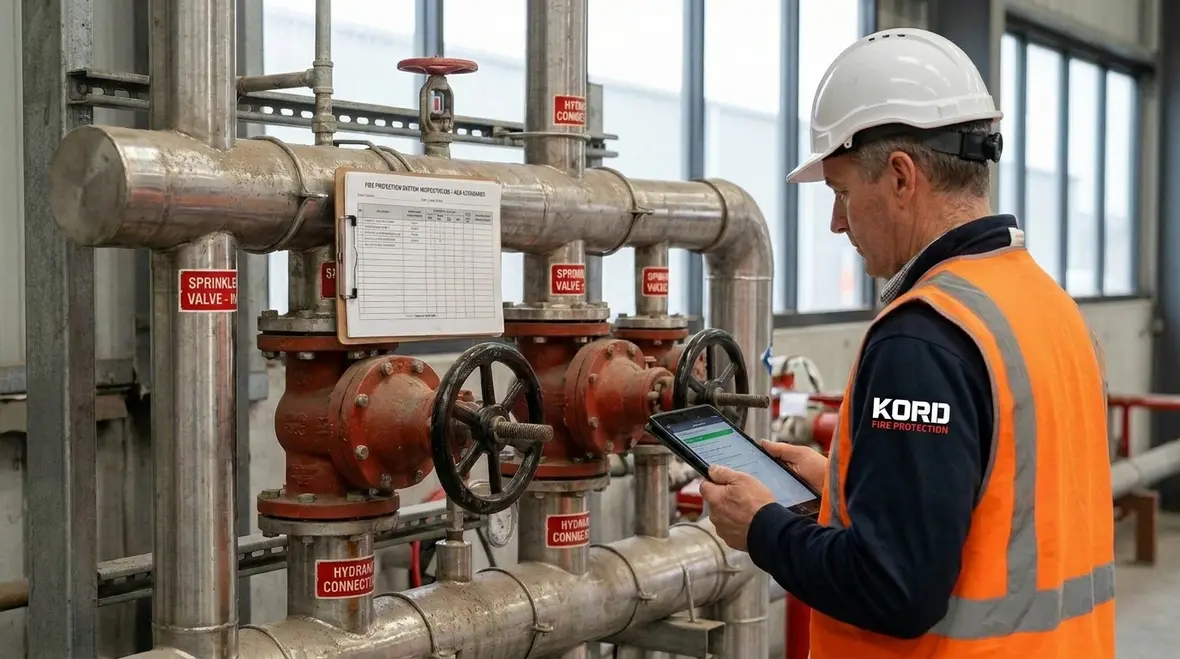
Auditing equipment specs against codes that actually apply
Each site type carries its own design intent. An industrial facility may face process hazard realities. A commercial building may focus on life safety and zoning requirements. Retail spaces can add complexity with higher turnover, tenant fitouts, and multi-vendor equipment. Because of this, auditors do not just check a generic checklist. Instead, they audit the actual equipment specifications against the specific design code requirements that govern that environment.
First, the auditor confirms the applicable code basis for that industry and location. Next, they match equipment documentation to design assumptions. Then, they verify that performance claims align with the code acceptance criteria. Finally, they document gaps clearly so a facility team can fix them without guesswork.
Transitioning from “paper compliance” to verified compliance is where many projects quietly stumble. Many teams assume the supplier datasheet is the final answer. However, the installation context and operating conditions often change the outcome. A clean datasheet does not stop a mismatched pipe schedule, an incorrect flow rate, or an overlooked control interface. Codes are written for outcomes, not marketing lines.
What auditors compare before they trust the paperwork
That comparison work sounds simple until five different documents say five slightly different things. Auditors usually line up design drawings, product submittals, commissioning records, and site conditions side by side to see whether they agree. If the pressure rating says one thing, the hydraulic assumptions say another, and the installed component says “surprise,” the audit has found a problem worth solving early.
Start with a spec-to-design mapping that leaves no gaps
A strong audit begins with a mapping exercise. The team takes each critical equipment item and links it to the design code requirements that it must satisfy. After that, the audit checks four areas in a consistent order.
- 1) Performance and rating alignment: flow, pressure, discharge characteristics, detection response, and coverage assumptions.
- 2) Compatibility: interfaces, network or control integration, power requirements, and communication constraints.
- 3) Installation constraints: mounting, spacing, access for maintenance, and orientation limits.
- 4) Environmental fit: corrosion risk, temperature exposure, vibration, dust, and ongoing exposure conditions.
Then, auditors compare the mapping against the equipment submittals and commissioning evidence. If the code needs a specific parameter range, the audit confirms it with records. If documentation is missing, it flags the risk as a “cannot verify” issue. That approach prevents teams from treating uncertainty as compliance, which is basically the safety version of using a “maybe” in a contract.
To keep this practical, teams often build an evidence register. That register lists what was provided, where it came from, and what standard it supports. It also tracks what is missing. Consequently, the audit becomes easier to act on, not just easier to read.
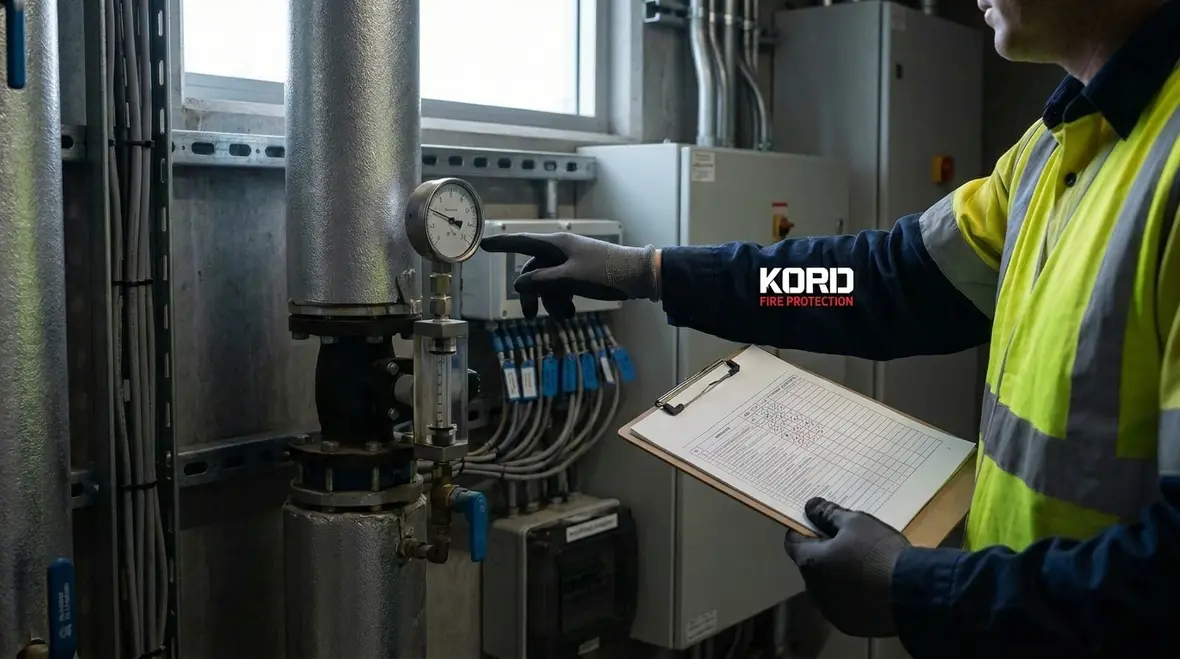
Why the evidence register saves everyone from future headaches
Evidence registers are not glamorous, and nobody frames them on the wall. Still, they keep projects from drifting into that awkward zone where everyone thinks someone else has the proof. With a clean register, facility teams can see what supports compliance, what still needs testing, and what should not be quietly ignored until the next inspection turns into a scavenger hunt.
How Kord Fire Protection supports compliance for real sites
At this point, many facility stakeholders ask a fair question: “Who helps us close the gaps after the audit?” This is where Kord Fire Protection can become a vital partner. When equipment does not meet code intent, the fix is rarely as simple as swapping a single part. Instead, the remedy often involves design adjustments, installation changes, updated documentation, and sometimes coordinated commissioning.
Because Kord Fire Protection works with fire protection systems and compliance outcomes, they can support the next step after verification. That includes aligning system components to meet the required performance expectations and ensuring installation details reflect the design code basis. Then, the documentation pathway becomes clearer. So, instead of chasing vendor letters like they are lost socks after laundry day, teams receive structured guidance tied to compliance outcomes.
Moreover, a partner who understands the “why” behind the code can help reduce rework. When a facility team fixes one issue, it should not create three new ones. With Kord Fire Protection involved, stakeholders can coordinate actions across system elements while keeping compliance objectives intact. For a related read on how audits translate into action, Kord also covers broader audit strategy in its fire protection compliance auditing guide and the role of records in its fire safety system documentation article.
Industry-specific risk checks that auditors cannot skip
Different sectors bring different failure modes. Auditors account for that reality. In industrial environments, risk can involve process variables, access limitations, and equipment performance under real exposure. In retail and commercial settings, risk can involve layout changes, tenant fitouts, and maintenance access that gets overlooked in fast-turn environments. Across facilities in Australia, auditors also consider local climate effects, water supply variability, and ongoing operational constraints.
To make this concrete, auditors often run targeted checks such as these:
- Coverage and geometry: they verify that the design assumptions match the actual installed layout, not just the drawings.
- Hydraulic and supply conditions: they review flow and pressure expectations, then confirm the evidence supports the required performance.
- Control and detection integration: they verify the system interfaces function as required for the intended response.
- Maintenance and access: they confirm that inspection and testing can occur without violating code intent.
- Commissioning and records: they check the evidence trail so the site can prove compliance when it matters.
These checks matter because compliance failures often hide in the small things. A system can “exist” yet still fail the outcome the code demands. And that failure typically shows up later, during an assessment, incident investigation, or insurance review. Auditing early reduces that risk while keeping project schedules healthier.

Small mismatches are where bigger compliance problems start
The dramatic failures get attention, but the quiet mismatches do most of the damage first. A blocked access point, a component that does not quite interface correctly, or records that stop one step short of proof can all sit unnoticed until someone asks for hard evidence. That is why good auditors sweat the details without turning the process into theater.
How the audit process runs from discovery to evidence
A good audit feels structured, not chaotic. Typically, it unfolds in a sequence that keeps teams aligned and reduces delays.
- 1) Discovery and document collection: auditors request submittals, drawings, test reports, commissioning records, and any change history.
- 2) Spec-to-code verification: auditors compare equipment specifications to the design code requirements for that site type and operational context.
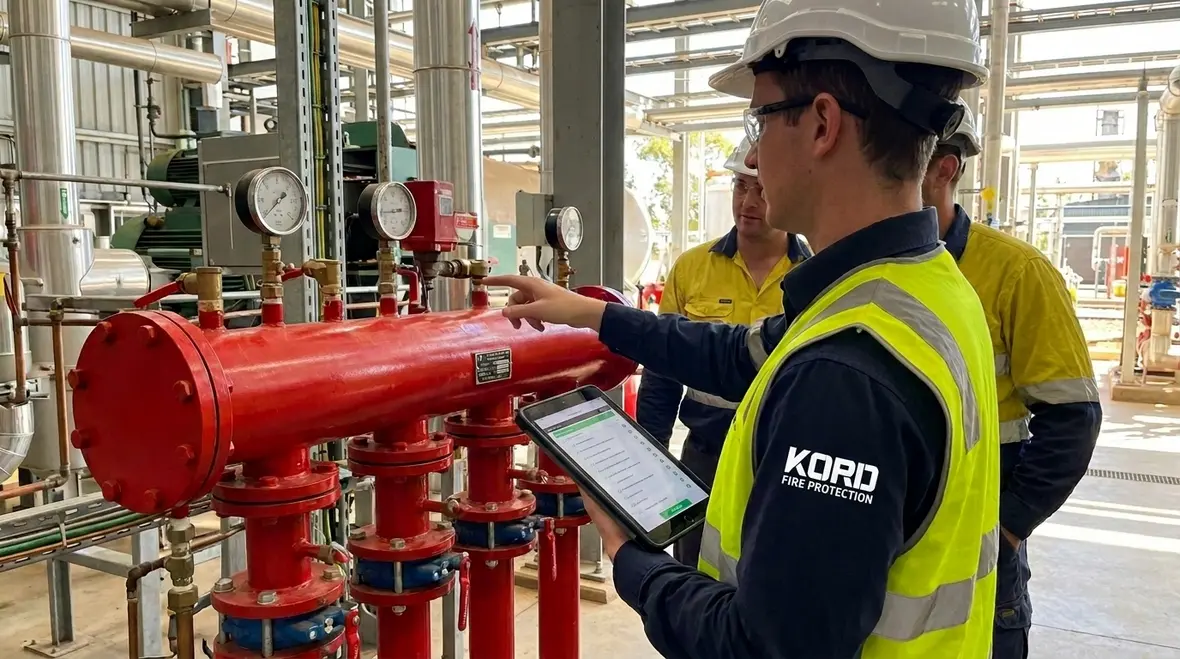
- 3) Site checks where needed: they confirm installation realities when documentation alone cannot prove compliance.
- 4) Gap assessment: they list issues by impact and by what evidence is missing.
- 5) Action plan and closure support: they recommend fixes and help track evidence for closure.
Then the process equipment compliance audit outputs an evidence-based report. It does not just state that something is wrong. It explains what must change, what code intent drives the change, and what proof will verify the fix.
Transitioning this work into a practical plan also helps facility managers manage budgets. Instead of broad, expensive “fix everything” actions, teams can prioritize high-impact items first. That is how audits turn into operational wins, not just a binder on a shelf.
Common mistakes during compliance audits
Even experienced teams slip. The most frequent issues are predictable, and they show up in many industries.
- Relying on a datasheet without checking the installation context
- Using outdated drawings after site changes
- Skipping commissioning evidence and assuming the vendor handled it
- Mixing components without confirming compatibility and interface requirements
- Ignoring maintenance access assumptions that the code expects
- Underestimating documentation gaps that later become audit blockers
To keep things calm and clear, the best audits focus on evidence quality. If a record does not exist, the audit does not pretend it does. Instead, it flags the gap early so the team can correct it before the next compliance milestone. Because in the real world, “later” often becomes “never,” and then it becomes a scramble.
Also, teams should remember that compliance is not a one-time event. Systems change, operations shift, and upgrades happen. A reliable audit approach supports ongoing governance, especially across facilities with multiple trades and vendors. That same long-view mindset appears in Kord’s discussion of how compliance audits reduce operational risk when sites keep evolving faster than their paperwork.
FAQ
Ready to reduce compliance risk and close gaps fast?
Auditing equipment specifications against industry-specific design codes should not feel like guesswork. A clear, evidence-based process equipment compliance audit helps sites identify gaps early, prioritize fixes, and build confidence for assessments. When remediation work becomes necessary, Kord Fire Protection can support the next step and help teams close issues with documentation that holds up.
Reach out to start a structured compliance review. The goal is not just to pass one checkpoint and hope for the best. It is to create a repeatable path where design intent, installed conditions, and proof all stay aligned, even when projects get busy and equipment changes show up with perfect timing to ruin somebody’s afternoon.

Join Our Newsletter!
Get the latest fire safety tips delivered straight to your inbox From our Newsletter.