Standpipe System Pressure Testing for Fire Readiness Australia
Quick Answer: Regular standpipe system pressure testing helps facilities in Australia confirm hydrant performance, keep compliance on track, and reduce the risk of weak water flow when it matters most. Kord Fire Protection can partner with the facility team to plan testing, interpret results, and coordinate upgrades before a failure turns into a very expensive surprise.
For industrial sites, retail complexes, and commercial facilities across Australia, the fire protection system must perform on schedule, not on hope. That is why standpipe system pressure testing matters early and often. In the first pass, teams verify that static and residual pressures match design needs, that flow rates hold steady, and that pressure loss stays within acceptable limits. Then, instead of guessing, facilities use the data to correct issues while they are still minor.
Now, if that sounds like “just another compliance task,” it is not. A standpipe can look fine during a visual check and still deliver weak pressure under demand. And when someone pulls a hose line during an emergency, the only thing that should be surprising is how fast the team reacts, not how the system underperforms. To keep readiness real, facilities rely on regular pressure analysis and a service partner that knows fire behavior, not just paperwork.
Facilities that need a broader standpipe systems service approach can also use pressure testing as the practical checkpoint that ties installation condition, water delivery, and future maintenance together.
Why pressure analysis keeps standpipes reliable
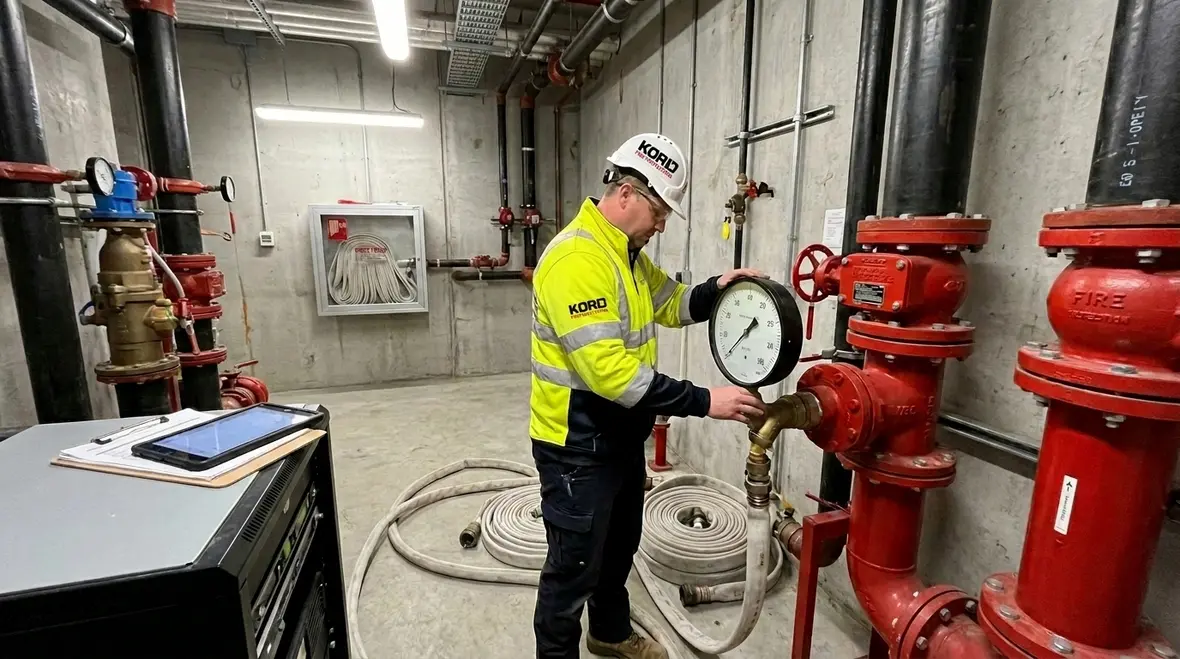
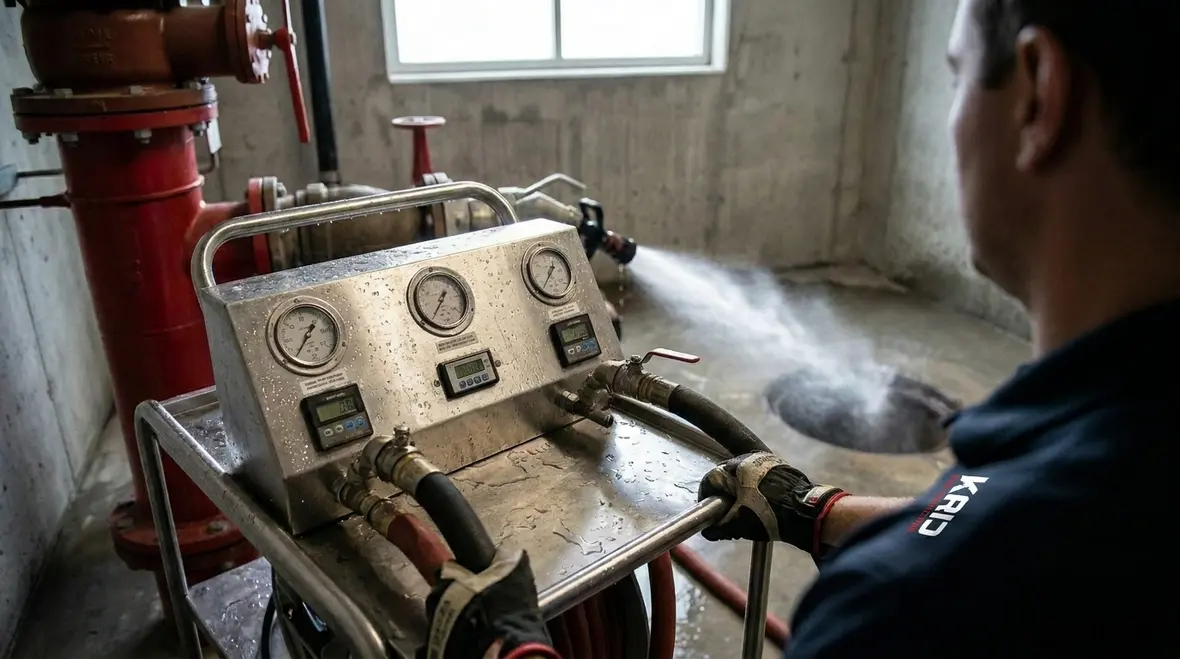
Standpipe readiness depends on how water behaves when demand hits. Pressure analysis goes beyond a single reading. It compares pressures before and during flow, so technicians can identify whether the system supports effective firefighting operations.
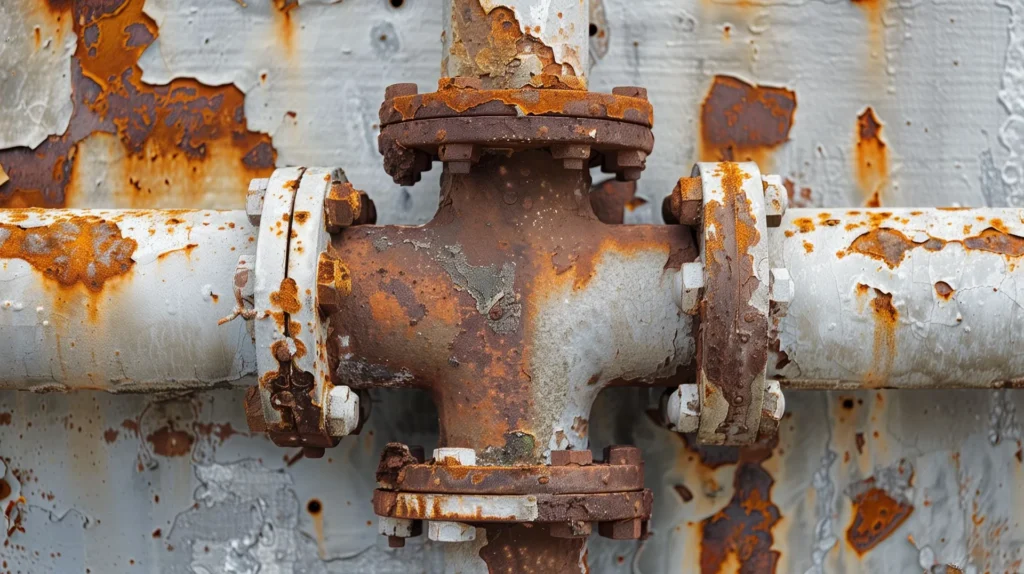
When a facility runs standpipe system pressure testing on a schedule, it detects problems that build slowly. Corrosion inside pipe runs, partially closed valves, flow restrictions from debris, and small installation deviations can all reduce performance. Even minor changes to building systems, such as pump upgrades or water supply alterations, can shift results.
In addition, pressure analysis helps teams understand risk in plain terms. Instead of “the system might be okay,” it provides measured evidence. Then, with clear records, facilities can plan maintenance budgets with confidence. And yes, this is the boring kind of boring that prevents the exciting kind of exciting.
Pressure tells the truth when appearances do not
A cabinet door can look clean, a valve can look untouched, and the piping can appear perfectly respectable. None of that guarantees usable performance. Pressure testing forces the system to stop looking ready and start proving it. That is exactly why many facilities pair pressure checks with a standpipe flow test guide for fire protection mindset, because flow and pressure together reveal what visual inspection alone can miss.
What technicians measure during flow and pressure checks
During pressure analysis, technicians typically capture multiple performance points, then interpret them together. This approach helps facilities see the full story, not a snapshot.
- Static pressure to confirm the system has adequate baseline pressure when no flow occurs
- Residual pressure while water flows to evaluate how the system holds pressure under demand
- Flow rate to check if the system can deliver water at the expected performance level
- Pressure loss across components to identify restrictions in valves, elbows, regulators, or hose connections
- Operational checks to confirm correct valve positions and reliable pump or controller behavior
Next, the team compares results to the design intent and prior records. If pressure drops more than expected, it points to a real mechanical issue rather than a “maybe” problem. If the readings drift gradually, it suggests degradation over time. And if results jump sharply, it often indicates a recent change, such as maintenance work that altered a valve, fitting, or connection.
Why multiple readings matter more than one heroic gauge glance
One reading without context is just a number trying its best. Multiple readings show how the system behaves across conditions. That matters because a standpipe can hold acceptable static pressure and still sag under flow. By checking baseline pressure, flow conditions, and losses across components, technicians can identify whether the issue lives in the supply, in the distribution path, or at a specific outlet.
How often should facilities run pressure testing
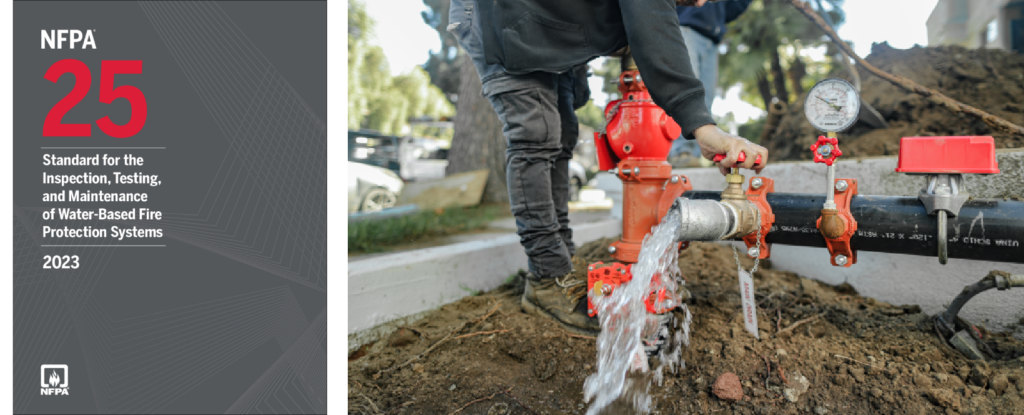
Testing frequency depends on the facility risk profile, usage patterns, and the local compliance approach used in the building. However, regular intervals usually provide the best balance between readiness and cost. In practice, many facilities plan testing based on annual or periodic maintenance cycles, then increase frequency if the system shows early signs of wear.
For industrial sites with higher vibration, frequent operations, or heavy environmental exposure, facilities often benefit from more frequent analysis. Similarly, a retail or commercial building that has frequent tenant fit outs may require updates after plumbing changes or valve work.
Importantly, testing also supports smarter decisions between inspections. For example, when results stay stable, teams can focus maintenance on other priorities. Conversely, when results trend downward, they can schedule targeted repairs before the issue grows teeth. In other words, pressure testing helps facilities avoid “fix it later” culture, which tends to fix budgets instead.
Set the schedule before the system sets the agenda
The smartest testing plan is usually the one made before anyone hears the phrase, “That reading seems odd.” Facilities that document regular intervals and trigger points for extra testing after upgrades, repairs, or water supply changes tend to catch issues earlier and spend money more deliberately. That is a much nicer outcome than discovering a pressure problem during a bad day that was already fully booked.
How to interpret results and pinpoint likely causes
Pressure testing data becomes valuable only when someone interprets it correctly. A skilled service partner looks for patterns across time and across system sections. Then, it links each abnormal result to likely physical causes.
If static pressure appears normal but residual pressure falls too much during flow, technicians often check for restrictions downstream. That can include partially blocked strainers, clogged hose cabinets, or valve seats that do not fully open.
If residual pressure looks unstable, the issue may relate to pump control, pressure regulator behavior, air entrainment, or inconsistent water supply performance. If the flow rate does not match expectation, the team can examine pipe sizing, valve positions, and any obstructions created by installation changes.
Moreover, pressure analysis can separate “system-wide” problems from “zone-specific” ones. If one standpipe riser shows a bigger loss than another, it suggests a local issue such as valve misalignment, a fitting problem, or debris in that run. Then, the facility does not waste time replacing the wrong components. It replaces the right ones.
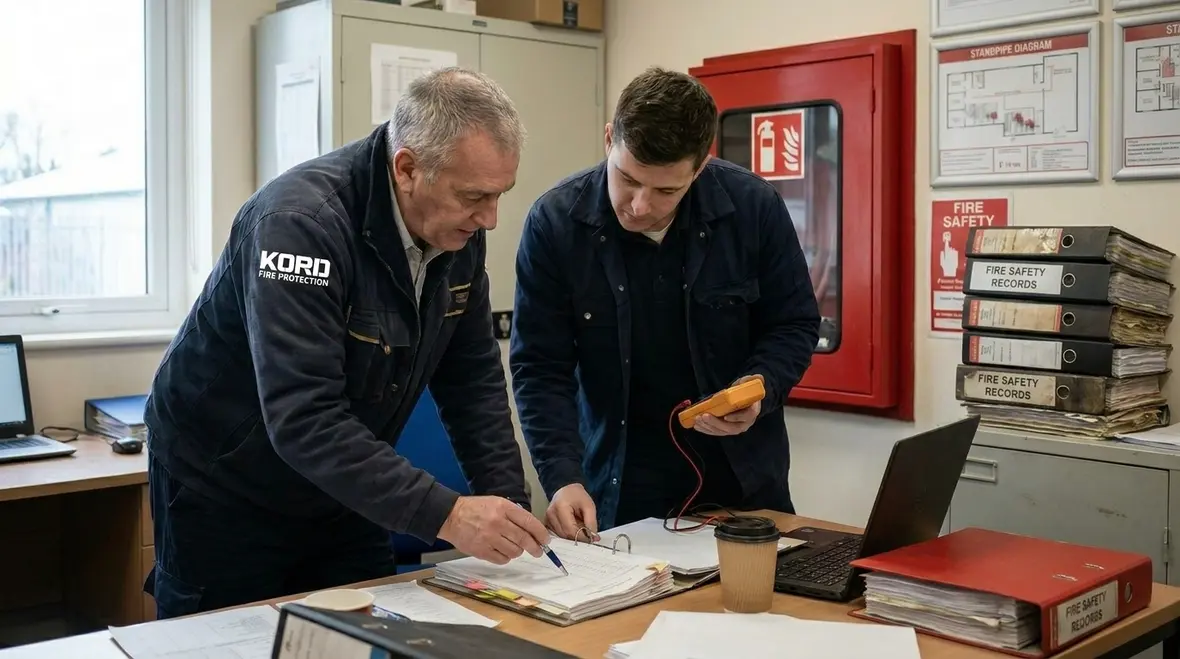
Kord Fire Protection can become a vital partner here. They help facilities translate readings into action plans. Instead of sending a report that nobody reads twice, the team can assist with root cause thinking, recommend maintenance steps, and coordinate follow up work so readiness stays on track.
Integrating testing into facilities maintenance programs
Facilities teams often juggle many service activities at once. Therefore, pressure testing needs a clear place in the maintenance calendar, along with practical steps that reduce downtime and disruption.
First, the facility should plan testing around operating hours and water demand patterns. Then, it should confirm access to standpipe outlets, verify isolation plans, and ensure the site can support safe testing. Next, it should assign clear responsibilities so data collection and documentation do not get delayed by “we will do it tomorrow.” Tomorrow is where readiness goes to die. Metaphorically. Hopefully.
Finally, facilities should store results in a way that helps future decisions. Trend lines matter. A single pass can miss a slowly developing issue, but repeated data shows the direction. When facilities track results consistently, they can schedule repairs with confidence and demonstrate due diligence to relevant stakeholders.
To keep this process smooth across industrial, retail, and commercial sites, Kord Fire Protection can support the full service cycle. That includes planning, execution, reporting, and follow up actions so the standpipe system stays ready without adding chaos to the facility team’s week.
Build the record now so decisions get easier later
Good documentation turns one test into a useful history. Over time, the record shows whether performance is steady, drifting, or suddenly behaving like it had too much coffee. That history helps teams budget better, justify repairs, and coordinate future testing with less confusion and a lot less guesswork.
Common standpipe issues pressure testing can reveal
Pressure analysis often uncovers problems that visual inspection cannot. Some issues hide in plain sight, especially when systems remain untouched for long periods.
- Partially closed valves that reduce flow and pressure during demand
- Corrosion and scale build up that increases friction loss across pipe runs
- Restricted hose connections caused by wear, incorrect fittings, or minor blockages
- Pressure regulator or controller drift that changes behavior over time
- Debris in strainers or components that limits water delivery under flow
In addition, pressure testing can reveal how system components interact under actual flow conditions. For example, one riser may meet expectations while another struggles, even if both look similar. That difference often points to local assembly or maintenance history.
Because these issues can escalate, facilities should not treat them as “small fixes.” Even a minor restriction can reduce firefighting effectiveness when crews need reliable water delivery. Pressure testing helps facilities catch these problems early.
How Kord Fire Protection supports readiness across Australia
Kord Fire Protection can support facilities that need more than routine checks. They can act as a coordinated partner, helping teams maintain standpipe readiness through disciplined pressure analysis and practical follow up.
Because facilities differ by use and risk, Kord Fire Protection can tailor a program that fits industrial, retail, and commercial operations. They help interpret results, identify likely causes, and recommend next steps. Then, if maintenance or corrective work is needed, the facility has a clear path forward rather than a scattered set of notes.
And for teams that manage multiple assets across regions, this matters even more. Consistent service delivery and clear documentation reduce confusion and help ensure that each site performs the way it should. Not the way it used to, not the way the drawings say it should, but the way it actually behaves under pressure.
FAQ
Call Kord Fire Protection to keep standpipes ready
Facilities in Australia can avoid unpleasant surprises by running pressure analysis on a reliable schedule and acting on the data. Kord Fire Protection can support testing, interpret results, and coordinate the next steps so your standpipe system performs when demand arrives.
If the fire safety plan matters, the pressure record should too. Contact Kord Fire Protection today to set up a readiness plan and keep your standpipe system ready for the moments when performance cannot be left to hope, habit, or crossed fingers.

Join Our Newsletter!
Get the latest fire safety tips delivered straight to your inbox From our Newsletter.