Proactive Fire Pump Maintenance Scheduling for Reliability
Quick Answer
Proactive scheduling helps facilities prevent fire pump surprises by aligning inspections, testing, and service with real risk, not guesswork. When teams follow fire pump maintenance best practices, reliability rises and downtime drops. Kord Fire Protection can act as a vital partner by tracking schedules, documenting results, and coordinating corrective work before issues grow teeth.
Facilities that need a practical service partner can also explore Kord Fire Protection’s fire pump service offering for inspections, maintenance, repair, testing, and documentation support. ([kordfire.com](https://kordfire.com/fire-pump/?utm_source=openai))
Fire Pump Reliability Starts Before the Call
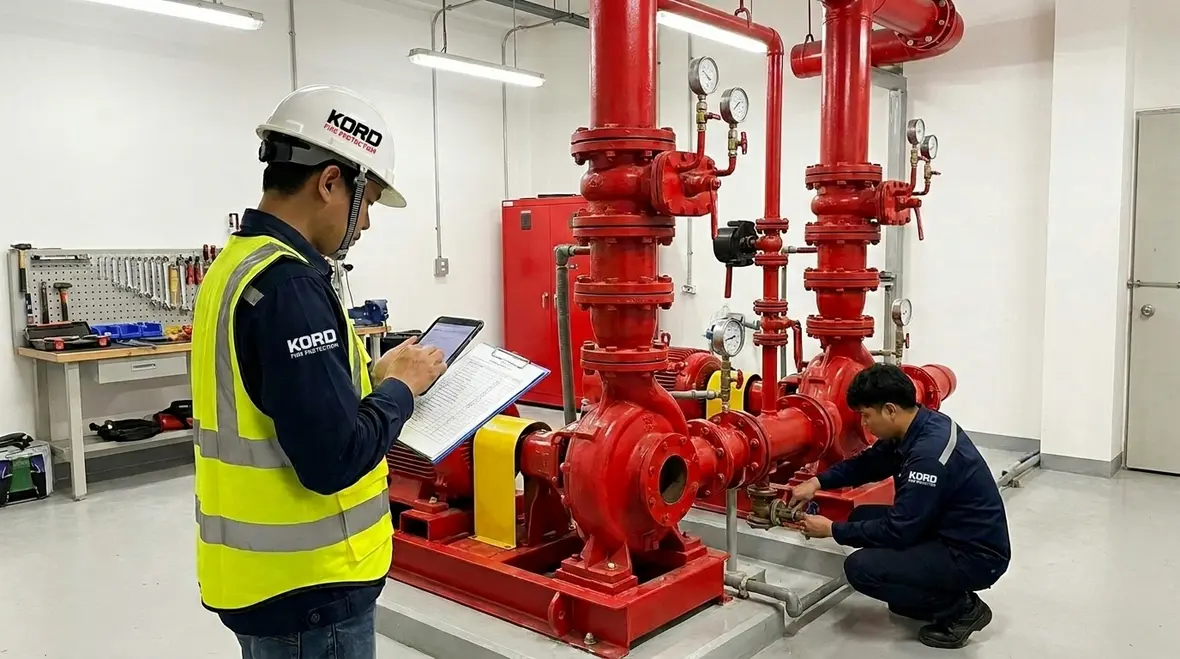
In commercial and industrial facilities, fire pumps cannot behave like “eventually.” They need steady performance, and that begins with fire pump maintenance best practices inside the maintenance plan. First, teams define the pump’s role in the site safety system, then they schedule routine checks that match that role. Next, they document findings, correct small issues early, and verify readiness after any work. Finally, they align testing with compliance needs and operational realities, so the system stays reliable while the site stays productive.
Yes, scheduling can feel about as exciting as watching paint dry. However, compared to an emergency call that shows up uninvited, proactive planning is the better kind of boring. It keeps the pump ready, keeps records clean, and keeps teams calm when the alarm would rather be in a drill than in real life.
Why Proactive Scheduling Beats Reactive Fixes
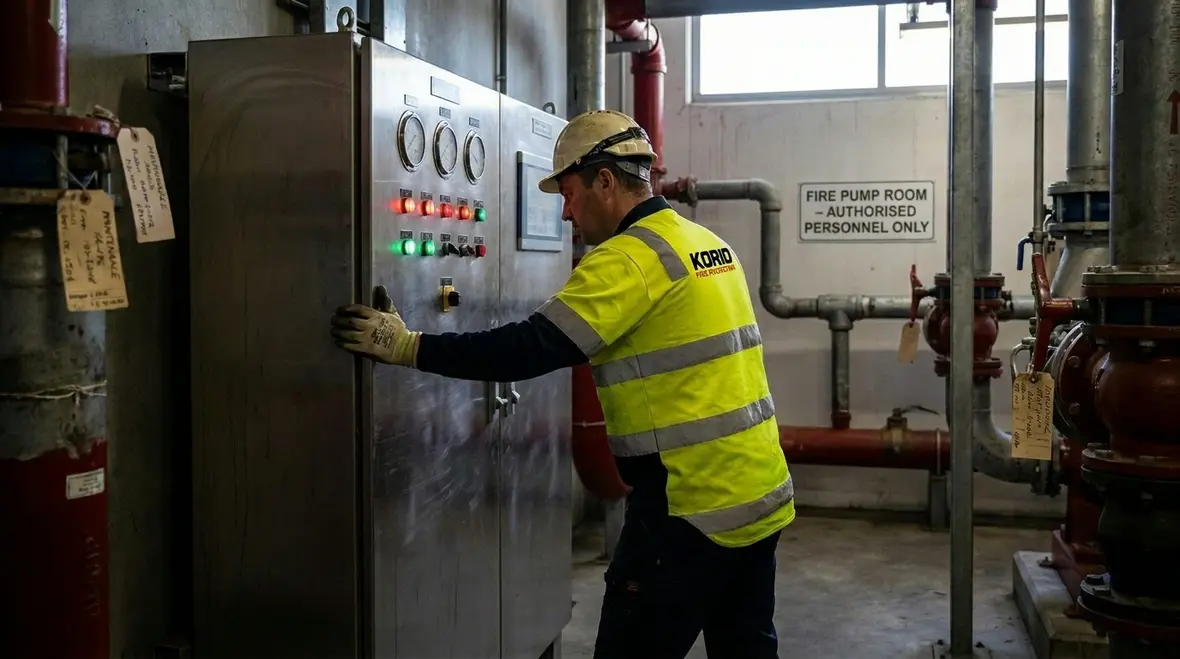
Reactive service often starts after a performance drop, a repeated alarm, or a component that wears out faster than expected. In contrast, proactive scheduling turns the work into a controlled routine. It also reduces the chances that a minor defect becomes a major failure because the facility caught it early.
When a team schedules inspections and testing at the right intervals, it collects trend data on pressure, flow, vibration, control response, and power stability. Over time, patterns emerge. For example, slight changes in suction conditions can show up long before the pump misses a test. Likewise, maintenance staff can catch seal wear, corrosion, or valve stiffness before those problems affect startup performance.
Even better, scheduling supports coordination. Instead of squeezing work into the last available window, teams plan labour, parts, and access so the site keeps running. And because many facilities operate with tight downtime rules, that planning matters.
Kord Fire Protection makes a similar point in its article on commercial fire pump maintenance schedule optimization, where structured inspections, testing rhythms, and performance reviews are treated as the foundation of reliable operation. ([kordfire.com](https://kordfire.com/commercial-fire-pump-maintenance-schedule-optimization/?utm_source=openai))
What reactive maintenance usually misses
- Slow drift in pressure or flow that looks harmless until it is not
- Small electrical irregularities that become nuisance trips or failed starts
- Access, labour, and parts issues that turn simple work into avoidable downtime
- Repeat defects that survive because no one tracked the trend behind them
How Kord Fire Protection Supports a Scheduled Maintenance Program
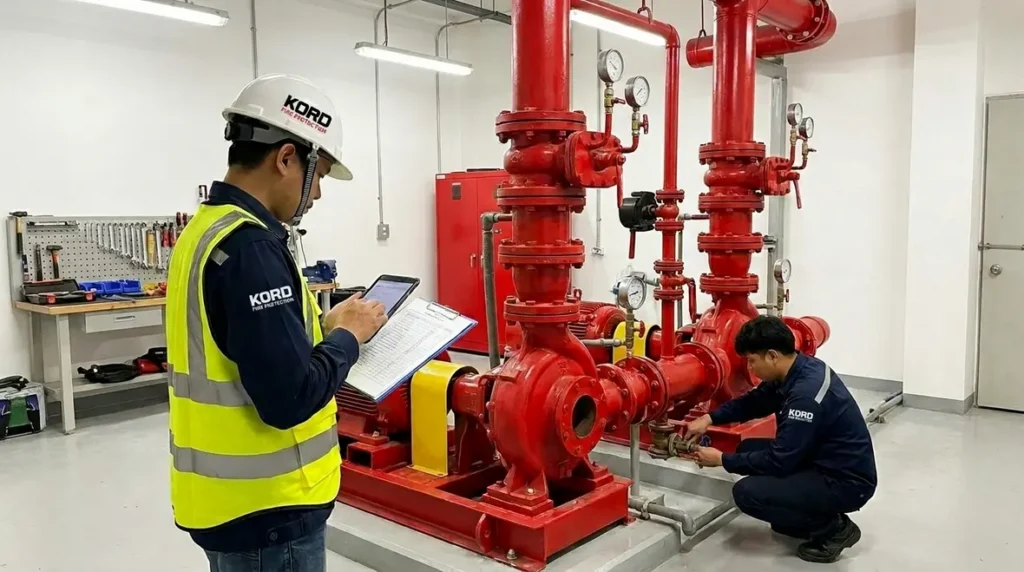
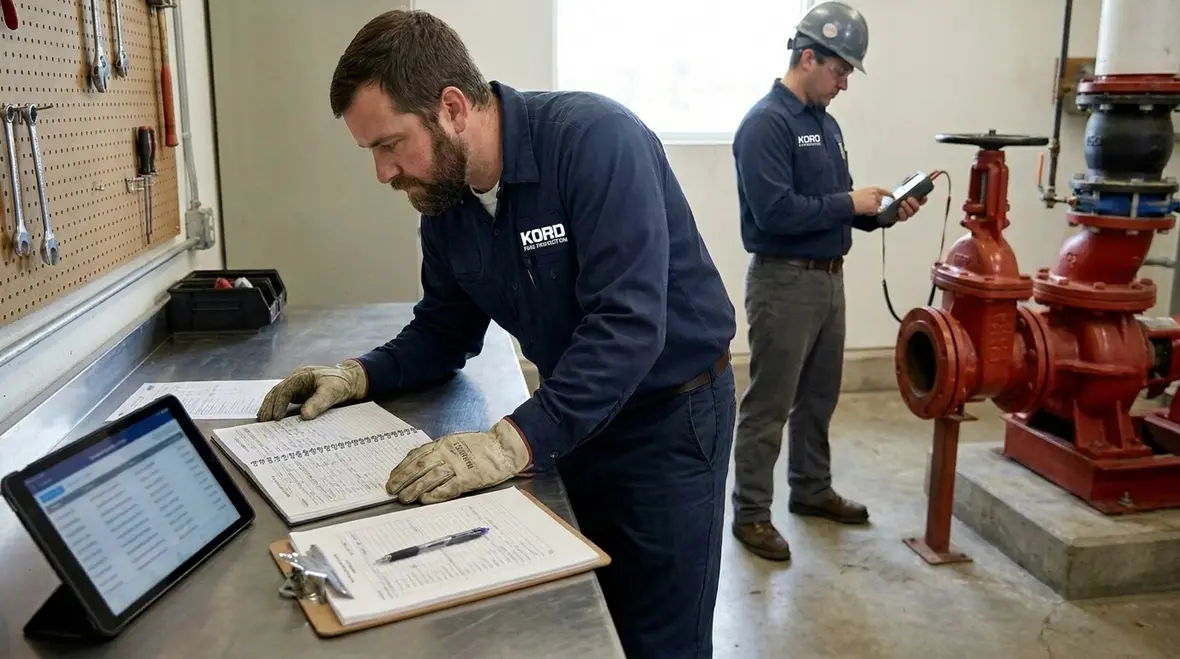
Kord Fire Protection can become a vital partner to strengthen proactive scheduling across facilities. The value is not just showing up with a wrench. A strong partner helps the facility system stay organised and measurable, which is where reliability truly wins.
With Kord Fire Protection’s involvement, teams can standardise the maintenance workflow. That includes aligning tasks with pump type and duty requirements, verifying control system behaviour, and ensuring testing is performed in the right order with consistent methods. In addition, the partner helps turn results into actionable next steps, so corrective actions do not disappear into an email graveyard.
For facility managers and maintenance supervisors, this partnership reduces uncertainty. Instead of wondering what will happen at the next test, they know what to expect, what was found, what was fixed, and what still needs attention. In other words, Kord helps the schedule become a reliability system.
That support fits with Kord Fire Protection’s published guidance on industrial fire pump maintenance preventive schedule planning, which frames maintenance as a disciplined routine rather than a scavenger hunt after something breaks. ([kordfire.com](https://kordfire.com/industrial-fire-pump-maintenance-preventive-schedule-plan/?utm_source=openai))
Build a Schedule That Reflects Risk, Not Random Dates
A useful schedule follows risk. It considers how often the pump should start, how the site uses water supply, and how critical the pump is to the fire protection strategy. Therefore, one facility’s “every quarter” may be too loose, while another’s may be perfectly fine.
Facilities can organise scheduling around practical drivers. For instance, teams can schedule more frequent checks when systems face harsh conditions such as moisture, dust, salt air, or frequent temperature swings. They can also adjust timing based on seasonality, tenant fitouts, changes to building services, or modifications to the fire water supply network.
A practical structure many sites can use
- Routine inspection windows for cleanliness, visual condition, and mechanical basics
- Operational checks for startup response, control panel behaviour, and alarms
- Functional testing where the pump actually performs its duty and produces measurable results
- Corrective action follow ups to confirm fixes and prevent repeat issues
And here is the fun part: when the schedule reflects real risk, fewer surprises pop up. The pump still does its job. The team still meets compliance expectations. Everyone sleeps a little better, even if the pump never gets the appreciation it deserves.
What to Schedule: Inspections, Testing, and Documentation
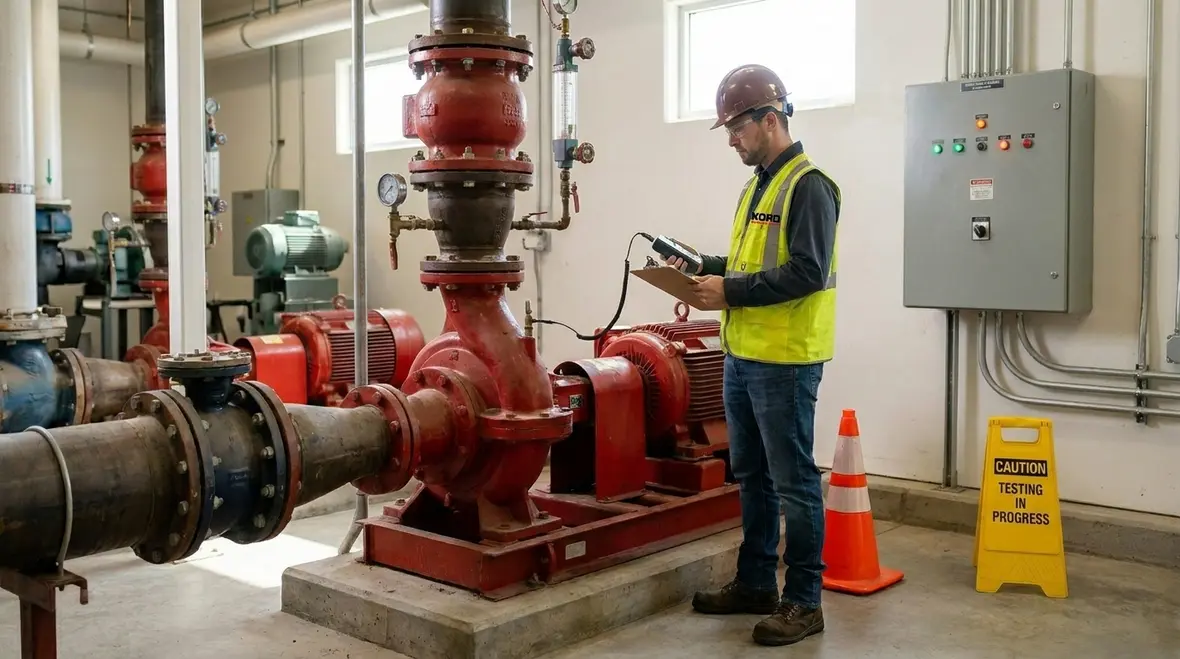
Scheduling fire pump maintenance best practices should not stop at “check the pump.” A reliable program includes mechanical, electrical, and control elements, plus strong documentation so trends remain visible.
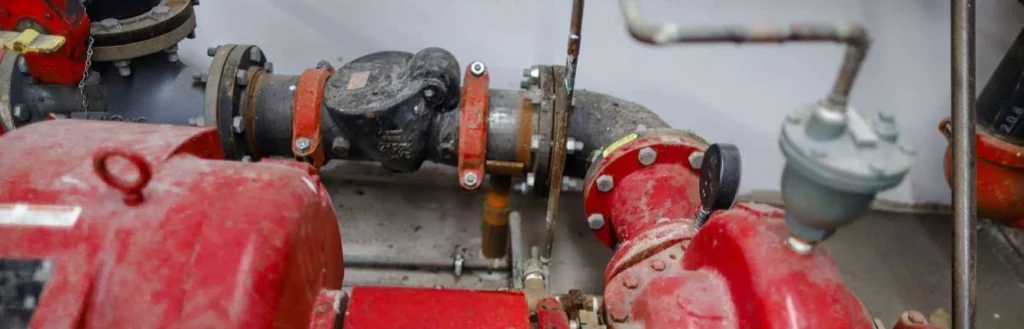
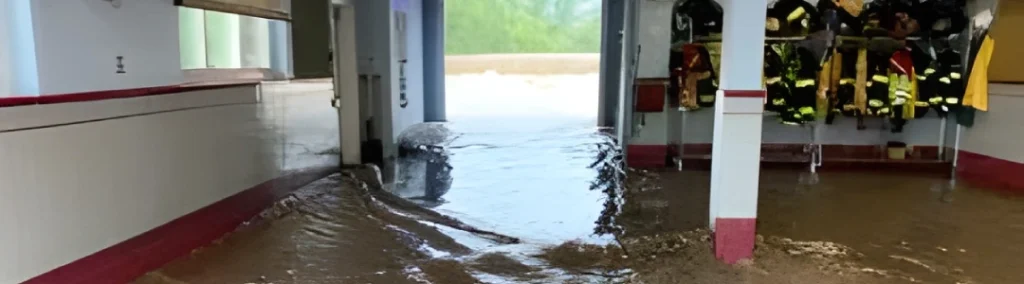
A solid schedule typically covers several layers of work. First, teams inspect the pump room environment, because blocked vents, water ingress, or poor access can create failure conditions. Next, they verify alignment and coupling condition where applicable, check for leakage, and confirm that the suction and discharge arrangements support the expected performance.
Then they handle the control side. Fire pumps rely on control system logic, and therefore the schedule includes verification of controllers, panel indicators, changeover logic where relevant, and fault reset behaviour. Also, they check power supply stability and protective device condition, because electrical issues can mimic mechanical problems. Kord Fire Protection’s article on why electric fire pump controllers fail reinforces how power issues, heat, settings, and poor inspection habits can quietly undermine reliability. ([kordfire.com](https://kordfire.com/why-electric-fire-pump-controllers-fail-maintenance-guide/?utm_source=openai))
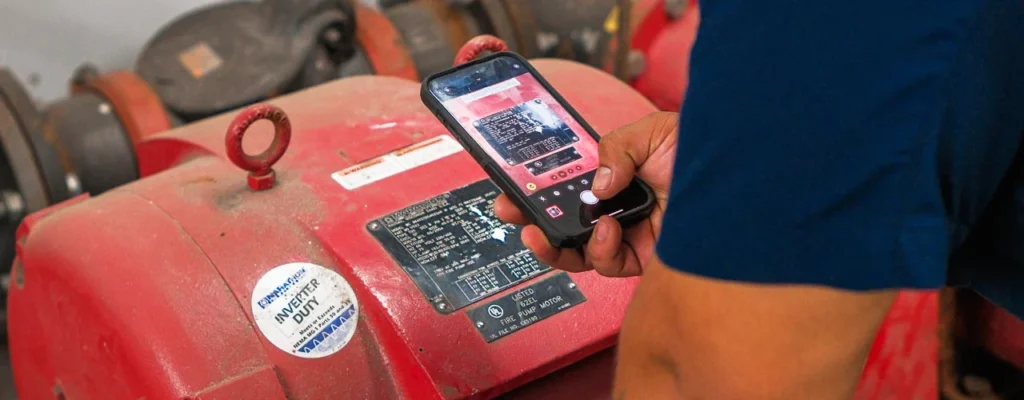
Finally, documentation matters. When a facility records results clearly, it creates a decision trail. That means technicians can see if pressure readings drifted, if start times lengthened, or if vibration increased after a specific event. Moreover, documentation supports audits, reporting, and continuous improvement.
Kord Fire Protection also notes on its fire pump service page that weekly, monthly, and annual inspections can be built into a repeatable schedule with detailed documentation and support for ongoing maintenance planning. ([kordfire.com](https://kordfire.com/fire-pump/?utm_source=openai))
Managing Downtime and Access Without Cutting Corners
Many sites cannot afford long outages. Therefore, proactive scheduling must include a downtime plan that protects safety and maintains operations. Teams should plan work around production schedules, trading hours, and essential building operations.
To reduce disruption, facilities can coordinate maintenance tasks in a way that groups related checks. For example, if technicians need access to associated valves, piping, and control components, they can plan those tasks together so the system does not get reopened repeatedly. Similarly, parts procurement should happen before the scheduled window, not during it. That simple habit prevents delays that turn a planned job into an emergency scramble.
Also, scheduling should include clear communication. The maintenance team should inform site stakeholders of what work will happen, what safety precautions apply, and what verification steps will confirm system readiness afterward. When facilities handle that communication well, work stays smooth, and reliability stays intact.
Small planning moves that save big headaches
- Confirm access windows before the maintenance date
- Order likely replacement parts in advance
- Bundle related checks into one controlled outage
- Define who signs off on system readiness after the work
Measuring Results: Trends That Prevent Failures
Proactive scheduling works best when facilities measure outcomes. Instead of treating each test as a one time event, they treat it as a data point that builds a reliability picture.
Teams can track key indicators such as discharge pressure stability, pump start performance, flow performance consistency, and time to reach operational parameters. They can also note recurring fault codes, repeated air or water issues in the suction line, and signs of valve resistance.
Then they connect the dots. For instance, if performance gradually drifts, the facility can investigate suction conditions, strainer condition, valve operation, or wear inside the pump assembly. If electrical trends shift, they can check protection devices, cable condition, and controller behaviour. In addition, technicians can refine future scheduling intervals based on how the system actually performs at that particular site.
This kind of measurement mindset pairs naturally with Kord Fire Protection’s blog resources, including articles on routine inspections, power reliability, schedule optimization, and preventive maintenance, which all reinforce the same idea: evidence beats hope every time. ([kordfire.com](https://kordfire.com/commercial-fire-pump-maintenance-schedule-optimization/?utm_source=openai))
FAQ: Proactive Scheduling for Fire Pump Reliability
Conclusion: Turn the Schedule Into Real Confidence
Proactive scheduling protects fire pump reliability by catching issues early, building performance trends, and reducing unplanned downtime. When facilities follow fire pump maintenance best practices and manage access and documentation with discipline, the system stays ready and teams stay calm.
Kord Fire Protection can act as a vital partner to help organise, verify, and improve the maintenance program. Reach out through Kord Fire Protection’s contact page to build a reliability schedule that fits your site and your operations. ([kordfire.com](https://kordfire.com/contact-us/?utm_source=openai))

Join Our Newsletter!
Get the latest fire safety tips delivered straight to your inbox From our Newsletter.