Clean Agent vs Pre Action Sprinkler Systems Decision Guide
Clean Agent Fire Suppression vs Pre Action Sprinkler Systems: The Decision That Protects What Matters
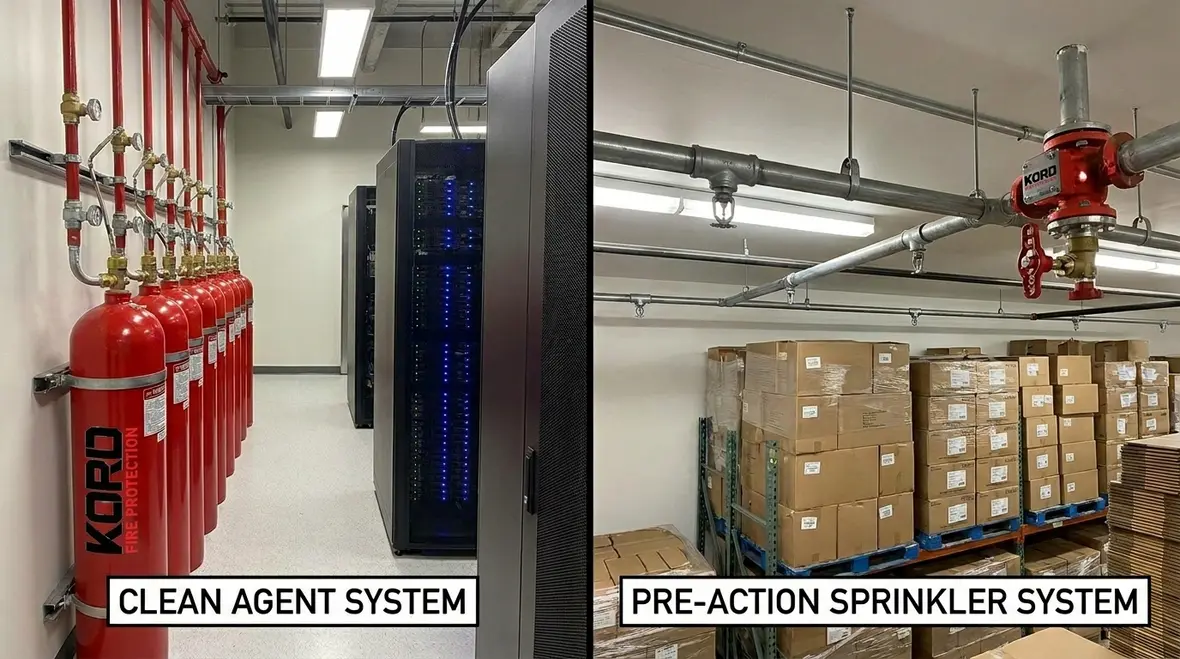
Choosing between a clean agent vs pre action sprinkler approach can feel like deciding between a tuxedo and a life jacket: both save lives, but they do it differently. In the first method, a clean agent system releases a controlled extinguishing gas that works fast and leaves minimal residue. In the second, pre action sprinklers wait for specific conditions, so water does not rush in until a confirmed event happens. As a result, facilities can reduce damage, protect sensitive assets, and still meet strict safety goals. And yes, building safety professionals know that “sensitive” can mean anything from electronics to museum-grade memories. To make the job smooth, many teams bring in Kord Fire Protection as a vital partner for design guidance, code support, and a plan that survives real world operation, not just the drawing set.
What a Clean Agent System Actually Does During a Fire
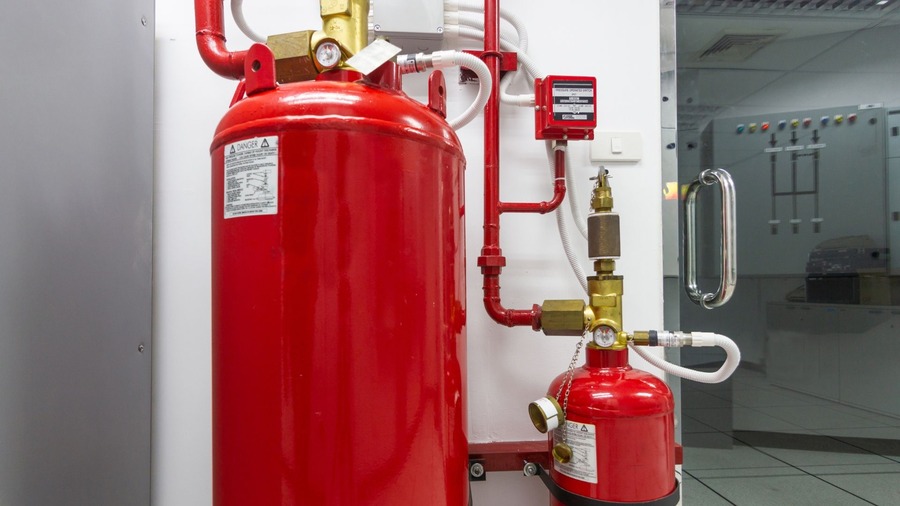
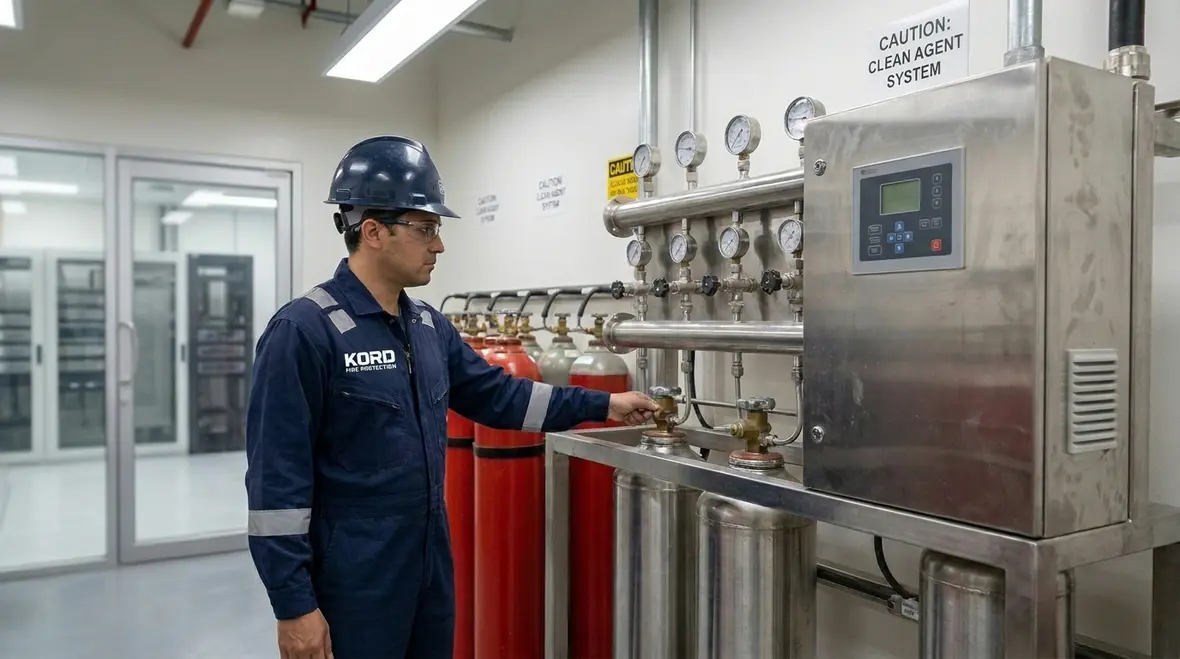
Clean agent systems use specialized gases or mixtures to suppress fire by interrupting the chemical process and reducing the conditions needed for combustion. Therefore, they often fit spaces where water damage creates a bigger headache than the fire itself. For example, server rooms, control cabinets, switchgear rooms, and other high value environments benefit because the agent does not leave the same cleanup burden that typical water systems can create.
Furthermore, these systems use detectors, control panels, and distribution nozzles that coordinate timing. First, the detectors confirm a fire condition. Then the control panel initiates release. Because the sequence matters, a solid design accounts for room volume, ventilation, leakage, and occupancy behavior. In other words, the system cannot “guess.” It must work on purpose. Kord Fire’s clean agent resources also emphasize room integrity and hazard-specific design, which is exactly why the details matter so much when sensitive equipment is on the line.
One more practical point: clean agents also require proper post discharge procedures. Teams must ventilate where required, verify safe conditions, and follow manufacturer instructions. That sounds formal, because it is. Still, when done correctly, the result is faster restoration and less disruption. If a facility wants a deeper technical look at how enclosure performance affects real world results, Kord Fire’s clean agent suppression system and room integrity testing article adds useful context without turning the subject into a nap.
Why clean agents appeal to mission critical spaces
The biggest attraction is not drama. It is control. Clean agent systems are built for areas where a successful fire response should not destroy the very assets the business depends on. In critical rooms, less residue and less cleanup often translate into less downtime, fewer replacement costs, and fewer migraines for the operations team.
How Pre Action Sprinkler Systems Reduce Accidental Water Damage
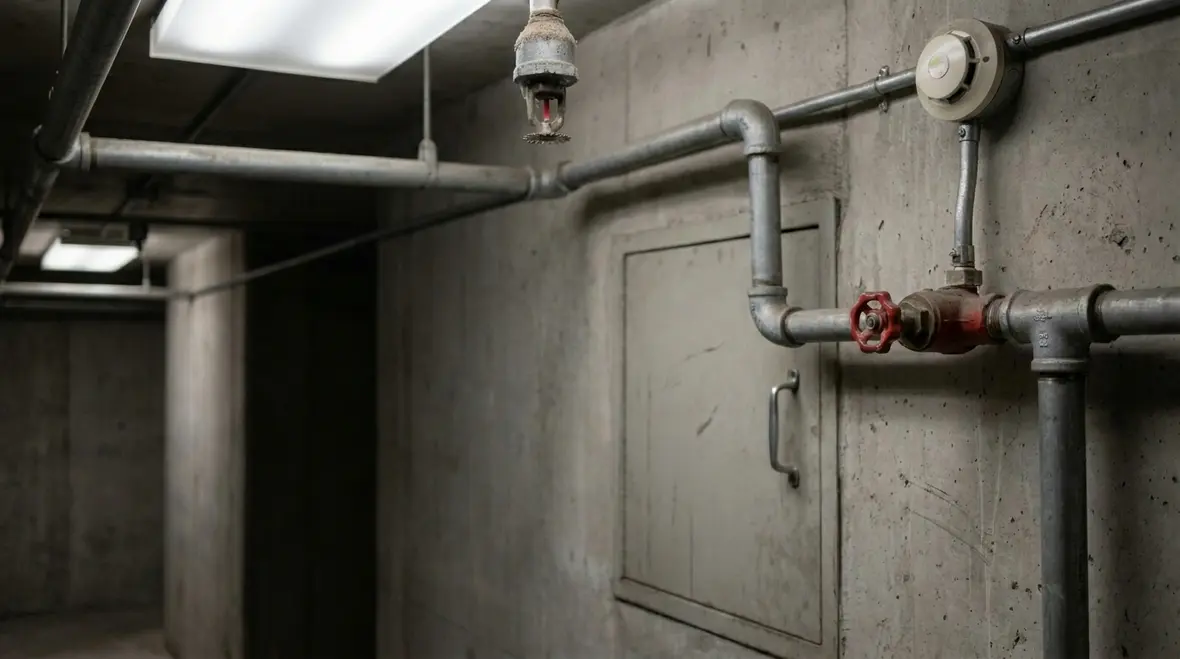
Pre action sprinkler systems aim to prevent an unintended discharge by adding steps before water flows. Typically, the system stays in a supervised condition. Next, it waits for two separate triggers, such as smoke detection and sprinkler activation, before it releases water. As a result, the building reduces risks caused by damaged sprinkler heads, construction activity, or accidental pipe leaks.
Consequently, pre action systems fit well in areas where any water can harm equipment, finishes, or business operations. Warehouses with high shelf racks, electrical spaces, and certain healthcare or data environments often use this strategy. However, the system must match the site conditions, including ceiling height, obstructions, and airflow patterns.
Also, maintenance matters a lot. If valves, detection devices, or supervisory wiring do not receive the right attention, the system may not behave as designed. Still, with consistent inspection and testing, pre action sprinklers deliver strong fire protection while keeping water where it belongs: not inside the wrong place. For facilities centered around uptime, Kord Fire’s pre action fire suppression for data centers guide shows how that extra confirmation step protects critical rooms from false-alarm chaos.
What makes pre action different from standard sprinklers
The key difference is patience. A standard wet system keeps water ready in the piping at all times. A pre action system, by contrast, adds logic before release. That extra step can make all the difference in spaces where a single accidental discharge would create almost as much panic as the fire itself.
Key Differences That Impact Planning and Code Compliance
When a team compares clean agent vs pre action sprinkler systems, the core difference comes down to how each one attacks the fire and how much collateral damage follows. Clean agent focuses on suppressing combustion with a gas approach. Pre action focuses on delivering water only after confirmation. Both can protect people, property, and critical operations, but they do it with different risk tradeoffs.
In addition, selection depends on occupancy, hazards, and ventilation. Clean agents require careful hazard enclosure practices so the agent stays in the protected area long enough to work. Meanwhile, pre action systems rely on correct sprinkler spacing, water supply readiness, and proper supervision.
Time also plays a role. Clean agent discharge can be swift. Yet, it also calls for evacuation planning and safety procedures for occupants. Pre action systems can take slightly longer because the process waits for confirmation before water releases. However, once the system discharges, it extinguishes using water impact and cooling.
Finally, the legal and inspection side affects both options. Local requirements and national standards shape design and testing. A professional team considers these details early, not after bids get submitted and everyone starts playing “Guess the Code.” That early coordination is one reason owners often loop in experienced specialists before the drawings harden into expensive decisions.
Choosing the Right Fit for Different Building Types
Each project has its own personality. A manufacturing facility may need durable protection that handles dust, smoke, and changing layouts. A corporate office might prioritize low disruption and quick restoration. A hospital wing may require reliable operation with careful coordination around life safety.
For high value electronics and areas where water intrusion costs a lot, clean agent solutions can reduce damage and shorten downtime. However, the building must support the enclosure and detection strategy so the agent performs as intended. Kord Fire’s clean agent articles repeatedly point back to matching the system to the room, not just to the wish list, which is a refreshingly practical mindset.
For spaces where smoke presence is common or where construction activity can trigger accidental sprinkler damage, pre action sprinkler systems can offer an extra layer of protection. For example, a data room that experiences frequent work orders and cable changes might struggle with standard sprinklers. Pre action helps by adding confirmation steps before water flows.
To decide with confidence, teams often evaluate the full lifecycle. That includes system installation, ongoing inspections, and the operational realities of the facility. Then they match the solution to the risk, not just the trend. Because trends burn out fast. Business continuity does not.
A practical decision lens for owners and facility managers
- Choose clean agent when residue, electronics exposure, and restoration speed are top concerns.
- Choose pre action when water remains necessary, but accidental discharge risk needs tighter control.
- Consider layered protection when the room is both highly sensitive and operationally critical.
- Review maintenance capacity before buying into a system that looks great on paper but gets ignored in practice.
How Kord Fire Protection Becomes a Vital Partner
Many companies treat fire suppression as a checkbox. Kord Fire Protection treats it like a business tool that protects budgets and timelines. That partnership starts with design support and continues through system acceptance and ongoing service. As a result, the client receives more than equipment. They get a plan that aligns with real conditions and expected performance.
First, Kord helps teams navigate the technical details that often derail projects. These include detector layout, hazard classification, pipe and valve considerations, and commissioning steps. Next, Kord coordinates documentation so inspections go smoother. Then, the team supports training so operators understand what happens during discharge, what to do afterward, and how to report events accurately.
When delays or confusion appear, Kord responds with clear communication. And honestly, clear communication is rare enough to feel like a superhero power. By staying involved, Kord helps the facility reduce risk, avoid costly rework, and maintain compliance without turning every inspection into a surprise party. For a broader service overview, teams can also explore full fire protection services to see how sprinkler, alarm, extinguisher, and suppression planning can work together instead of acting like distant relatives at a reunion.
Clean Agent vs Pre Action: Pros, Limits, and Maintenance Reality
To keep the decision grounded, it helps to review the practical side of both systems.
Clean agent systems
- Strengths: Less residue, faster cleanup, strong fit for protected electronics and areas where water damage adds major cost.
- Limits: Requires good enclosure performance, careful safety planning for discharge, and disciplined maintenance of detection and controls.
- Maintenance focus: Inspect detectors, verify control sequences, and follow manufacturer and code schedules for inspections and service.
Pre action sprinkler systems
- Strengths: Reduces accidental water damage by delaying discharge until confirmed conditions occur.
- Limits: Needs correct supervision, reliable water supply, and proper sprinkler layout and clearance.
- Maintenance focus: Maintain supervisory components, check valves, test controls, and confirm water supply performance.
However, no system works well if it sits in the background. Therefore, a maintenance program and documentation discipline help both approaches perform during actual emergencies. Equipment does not care how confident the bid meeting sounded. It responds to how well the system was designed, tested, and maintained.
Featured Snippet FAQ
Final Call: Make the Safer Choice With Kord Fire Protection
Fire suppression should support operations, not interrupt them every time someone turns a valve or moves a cable. When a facility weighs clean agent vs pre action sprinkler, the right decision comes from understanding site hazards, enclosure needs, confirmation logic, and inspection realities. Kord Fire Protection can become the partner that turns design intent into dependable performance.
For teams ready to move from comparison to action, review Kord Fire’s fire suppression services and contact Kord Fire Protection to review your space, align with code expectations, and build a protection plan that stays ready when it counts.

Join Our Newsletter!
Get the latest fire safety tips delivered straight to your inbox From our Newsletter.