
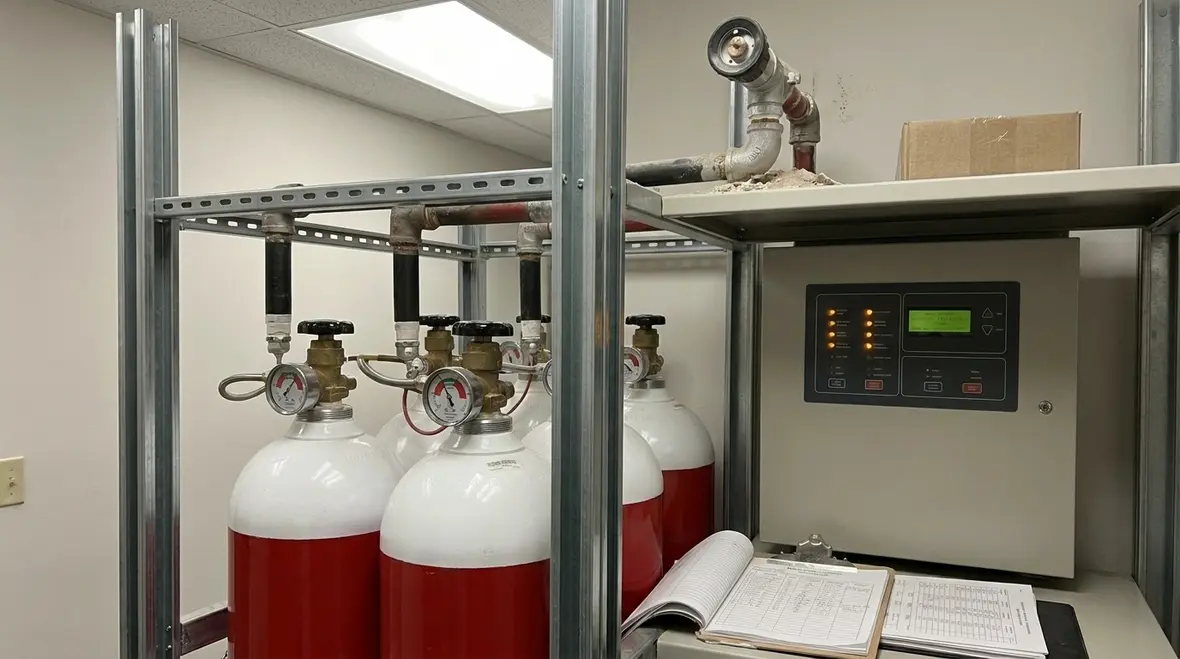
Common Clean Agent System Deficiencies and Fixes
Every clean agent fire suppression system aims to protect people, property, and business operations. Yet common clean agent system deficiencies show up more often than anyone wants to admit. In the real world, technicians may find discharge nozzles that never line up, control panels that drift out of spec, and inspections that look “done” but fail the real test. As a result, the system can lose reliability right when it matters most. The good news is that these issues follow patterns, which means crews can catch them early. And then Kord Fire Protection can step in as a vital partner, turning “we hope it works” into “we know it will.”
Identifying clean agent system deficiencies before they turn into a problem
Clean agent systems use specific gases to control fire without leaving messy residue behind. However, that advantage only lasts if the system stays matched to its design. First, responders often see incorrect cylinder weights, blocked pathways, or improper agent concentration due to a slow build of small mistakes. Then there are the human factors: bypass switches that remain in the wrong position, tamper seals that disappear, and maintenance logs that read like a fairy tale.
Clean agent system deficiencies usually do not arrive as a dramatic failure. Instead, they build up. For example, a clean agent piping line can develop a restriction from corrosion, debris, or poorly executed modifications. Additionally, releasing devices may get misaligned during renovations. Finally, electrical wiring can shift when contractors update lighting, HVAC, or power panels. Small changes rarely announce themselves with fireworks, but they absolutely know how to ruin a bad day when nobody is looking.
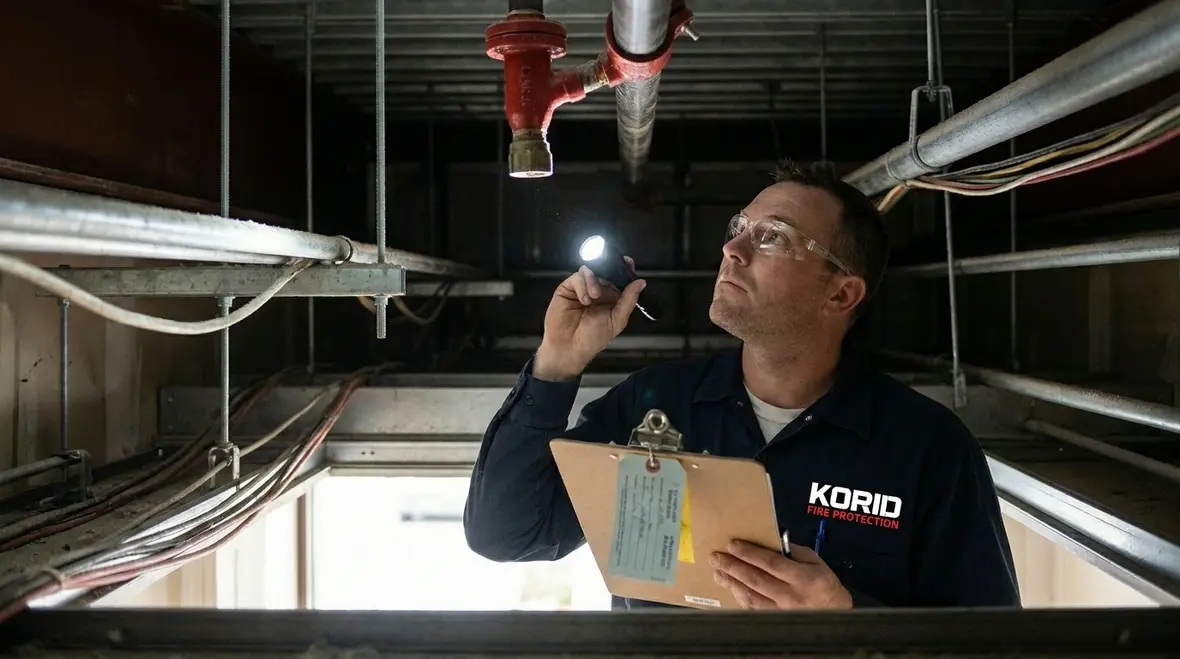
How poor cylinder integrity and piping issues reduce discharge performance
When cylinder integrity weakens, the system stops delivering the right agent amount at the right time. That can happen even when the gauge looks normal at a glance. For instance, cylinder valves can suffer from packing issues, contamination, or missed torque checks. Also, technicians may overlook the condition of pressure relief components and outlet fittings.
Piping issues matter just as much. A system can appear properly installed, yet small changes in the pipe layout create turbulence or loss of flow. If bends, hangers, or supports shift over time, the nozzle placement can drift. Consequently, the agent may reach the room unevenly or fail to meet the design concentration. And if someone later adds a ceiling tile grid or changes ductwork, the room airflow can change without anyone updating the flooding calculations.
At that point, the system becomes like a pop song cover: it sounds similar, but it does not hit the same notes. Kord Fire Protection helps by reviewing the system as-built condition, then validating performance against actual site conditions. That same practical mindset shows up in Kord Fire’s guidance on clean agent standards for fire suppression systems, where small oversights are treated like the serious troublemakers they are.
Why the room itself can quietly sabotage performance
A clean agent system is not just cylinders and pipe. The room becomes part of the system. If penetrations open up, if a door seal wears out, or if airflow changes after a remodel, the protected enclosure may not hold the required concentration long enough. That is why room performance deserves the same attention as hardware performance. It is not glamorous, but neither is explaining to management why the “protected” room leaked like a screen door on a submarine.
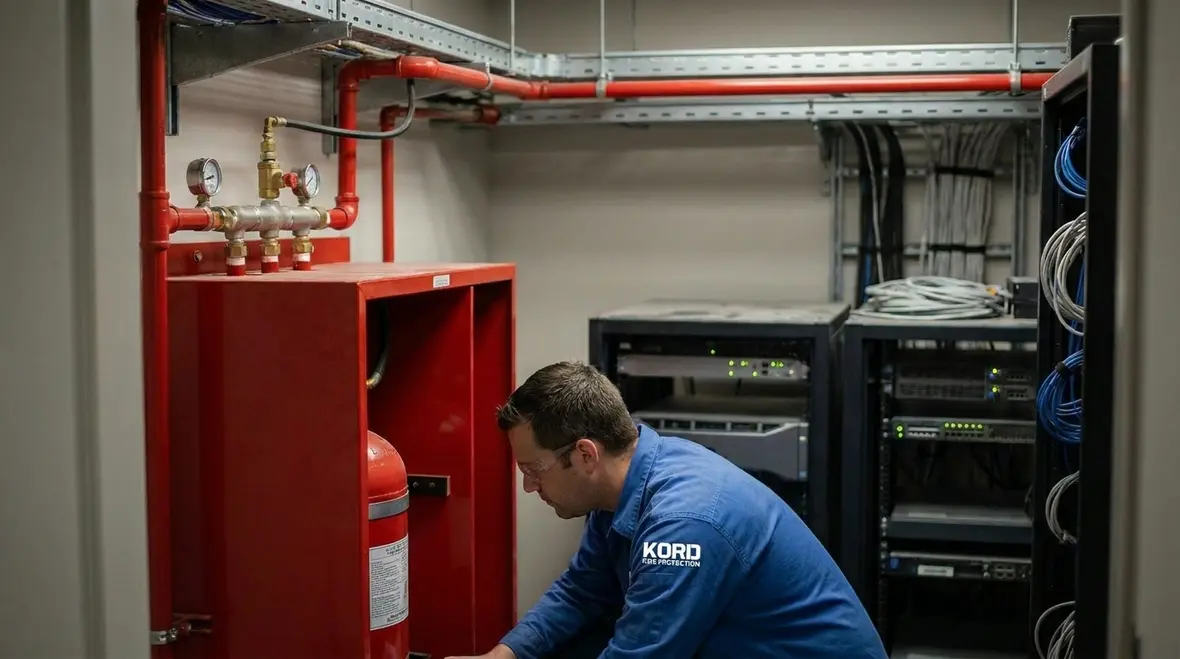
Control panel and detection errors that delay or prevent release
Clean agent systems rely on detection and logic to make release decisions. When the control panel or detection devices suffer faults, the system may hold the release too long, or it may never release at all. Common clean agent fire suppression system deficiencies include misconfigured input circuits, incorrect zones, and device replacement that does not match the original specifications.
Detectors also age. Sensitivity can drift due to dust accumulation, construction debris, or dirty sensor chambers. Then there are nuisance alarms that lead teams to disable or bypass devices. Yes, people do that. No, it does not fix the root issue. Eventually, a system ends up in a state that looks “ready,” while key components remain out of alignment.
Moreover, release sequencing can break during updates. If a building management system gets integrated without proper interlock testing, the logic chain can fail. Kord Fire Protection partners with service teams to verify wiring, test sequences, and confirm the system’s behavior matches the design intent, not just the checklist. Facilities protecting critical equipment can also compare these issues with Kord Fire’s overview of clean agent fire suppression system services, which highlights how detection, discharge, and ongoing service all need to work together.
Sequence of operations is where confidence gets earned
A release panel can have all the right lights and still fail the important part. Sequence testing proves whether detectors, alarms, aborts, shutdowns, delays, and discharge outputs respond in the proper order. Without that, a system is basically giving a very convincing performance review for a job it has not actually done.
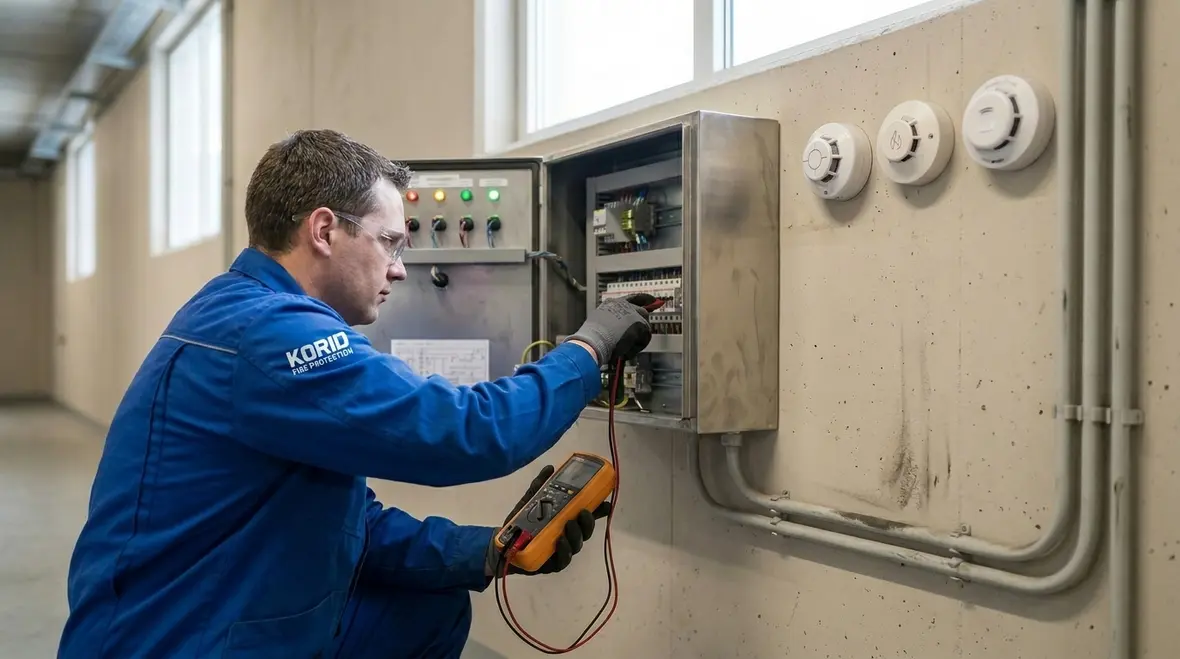
Maintenance shortcuts that inspections miss, and why records matter
Inspections often focus on visible items. Yet, clean agent fire suppression system deficiencies frequently hide in details that only thorough testing reveals. For example, a contractor might verify that manual pull stations exist but skip functional checks for signal pathways. They may also replace parts without updating control panel configuration or without confirming device compatibility.
Records play a major role here. When maintenance logs lack actual test results, future troubleshooting becomes guesswork. Also, unclear labeling of valves and actuators increases the chance that someone will operate the system incorrectly during emergencies or resets.
Maintenance should not feel like assembling IKEA furniture without the instructions. If the documentation does not show what changed, what passed, and what failed, the site cannot prove the system remains dependable. Kord Fire Protection improves this by supporting consistent documentation, coordinated service, and practical verification so the system stays aligned with its tested baseline. That approach pairs naturally with Kord Fire’s related article on room integrity testing for clean agent systems, because paperwork is only useful when it tracks what the room and system are actually doing.
Storage room and telecom environments: special risks inside protected areas
Some rooms do not behave like textbook examples. Telecom closets, server rooms, archives, and battery storage areas can create their own risks. Air movement from HVAC changes agent distribution. Foam-like coverings, cable trays, and stored materials can affect heat development and detector response time. Even a new rack layout can influence airflow patterns.
Additionally, these spaces often undergo frequent renovations. That means penetrations get added, doors get swapped, and ceiling systems get altered. Consequently, the integrity of the enclosure can weaken, leading to agent loss during discharge. If the room is not properly sealed, flooding calculations stop matching the real world.
These are not minor details, and teams should not treat them like optional trivia from a training slide deck. Kord Fire Protection evaluates room conditions, enclosure stability, and system alignment so that performance remains credible after changes. If your protected space looks more like a living organism than a static room, Kord Fire’s server room fire suppression system guide offers a useful companion read on how fast-changing equipment spaces affect suppression reliability.
What a strong partner relationship looks like with Kord Fire Protection
A dependable clean agent system does not run on luck. It runs on trained people, disciplined testing, and clear communication. Kord Fire Protection acts as a vital partner by connecting the dots between design intent, inspection findings, and corrective actions. Instead of treating issues as isolated fixes, the team assesses how multiple deficiencies interact.
Service focus
- Functional testing of detection and release logic
- Verification of agent delivery components and piping
- Documentation review and update
- Site condition assessment during renovations
Why it matters
- It confirms the system acts at the right time, in the right sequence
- It protects the system’s ability to meet design concentration
- It keeps maintenance records usable during future audits and troubleshooting
- It prevents enclosure changes and airflow shifts from undermining performance
And yes, this is the part where a calm, competent partner earns trust. When teams know the system has been validated, they spend less time arguing about “what probably happened” and more time keeping operations steady. That is especially valuable in clean agent environments where everyone wants certainty and nobody wants a mystery novel starring the release panel.
FAQ: clean agent system deficiencies
Closing and next steps
Clean agent fire suppression systems protect best when they work as designed, not as hoped. By addressing common clean agent system deficiencies like detection drift, release logic errors, valve and piping issues, and enclosure changes, facilities gain real confidence. Kord Fire Protection can partner with the site and the maintenance team to validate performance, strengthen documentation, and correct gaps before they grow. If the system has been sitting through renovations or partial service, now is the time to get it properly checked.
For facilities ready to move from uncertainty to verified protection, explore Kord Fire’s fire suppression services and learn more about dedicated clean agent fire suppression support. That is the kind of next step that saves everyone from crossing their fingers and calling it a maintenance strategy.
Ready to fix the weak spots?
Schedule an assessment with Kord Fire Protection to review detection logic, discharge hardware, room integrity, and documentation before hidden deficiencies become expensive surprises.

Join Our Newsletter!
Get the latest fire safety tips delivered straight to your inbox From our Newsletter.



