Fire Sprinkler Retrofit Benefits for Older Buildings, Kord
When a business owns an older building, the clock keeps ticking. Fire safety must keep up too. That is where fire sprinkler retrofit benefits become more than a phrase on a brochure. With smart upgrades, property owners can reduce risk, support faster occupant evacuation, and help protect valuable assets without waiting for a full replacement. In fact, Kord Fire Protection technicians often explain that retrofitting is not about “doing it later.” It is about making the building work better now, especially as codes, hazards, and insurance expectations shift. And yes, while sprinklers may sound like a movie trope, they are built for real life, not dramatic cliffhangers.
For many commercial owners, the real question is not whether an older property has any fire protection at all. The question is whether that protection still matches the building as it is being used today. Storage patterns change. Ceiling spaces get crowded. Tenants carve up open areas into offices, suites, and work zones. What worked decades ago can drift out of step with present hazards. Retrofitting gives owners a way to modernize protection without starting from scratch, which is exactly why it tends to make so much practical sense.
Why retrofitting helps in older buildings
Existing commercial real estate rarely stays “as built” for long. Over time, tenants change layouts, new storage goes in, ceiling heights get adjusted, and electrical loads evolve. As a result, older fire protection systems can become mismatched to the current risk profile. Therefore, a carefully planned sprinkler upgrade helps align coverage with what the building actually looks like today.
Moreover, Kord Fire Protection technicians typically start by mapping the building’s current configuration and comparing it with sprinkler design needs. Then they evaluate the water supply, pipe routing options, and the effect on finishes and operations. In many cases, this approach allows the owner to improve safety while minimizing disruption. In other words, the retrofit process can be practical, not chaotic.

Why “existing system” does not always mean “current protection”
That distinction matters more than owners sometimes expect. A building may technically have sprinklers, yet still contain blind spots, outdated piping arrangements, or coverage that no longer reflects present occupancy. Kord’s own guidance on retrofit vs upgrade fire protection systems helps frame that decision clearly. Sometimes the smart path is not tearing everything out. Sometimes it is improving the system that is already there, where it counts most.
Strategic fire code compliance and inspection readiness
Fire safety is not only about preventing tragedy; it is also about meeting requirements that inspectors expect to see. With new construction, codes often guide sprinkler design from day one. With older properties, owners may discover that the system was installed under earlier standards or was never fully upgraded to match later requirements. Consequently, retrofitting becomes a strategic way to strengthen compliance and reduce last minute surprises.
Furthermore, Kord Fire Protection technicians often explain that inspection readiness depends on documentation as much as equipment. They help owners understand what to provide, what gets tested, and how modifications affect future maintenance. That way, the property stays audit friendly, and the business avoids the fun game of “guess what the inspector wants.”
This is also where related systems come into play. A building that updates sprinklers should not ignore alarm performance and reporting. If owners want a clearer picture of ongoing readiness, Kord’s article on fire alarm inspection and testing for commercial buildings pairs naturally with retrofit planning. Sprinklers and alarms do not operate in isolation in the real world, so inspection strategy should not either.
Commercial risk reduction that protects people and property
Fire spreads when conditions allow it. In commercial spaces, those conditions can change quickly due to storage density, combustible finishes, HVAC airflow, and tenant use. A sprinkler system that does not cover the right areas, or cannot deliver water reliably, leaves gaps that fire can exploit. By contrast, a well executed fire sprinkler retrofit benefits plan targets those gaps before they become costly.
In addition, retrofits can improve early control of fire growth. That matters because lower fire growth means less smoke impact, fewer hazards during evacuation, and reduced damage to critical business functions. And if the building includes data, manufacturing, archives, or specialty inventory, protecting that content can keep operations alive after an incident. No one wants to rebuild from scratch. It is expensive, slow, and it usually ruins everybody’s week.
Protecting operations, not just walls and wiring
One of the strongest retrofit arguments is business continuity. Owners often think first about building damage, but interruption costs can hit just as hard. Lost tenant use, halted production, damaged records, and delayed reopening all add pressure after an incident. Better sprinkler performance helps reduce that exposure. Safety is the headline, but operational survival is often the part that keeps finance teams awake at night.
Minimizing downtime with smart installation planning
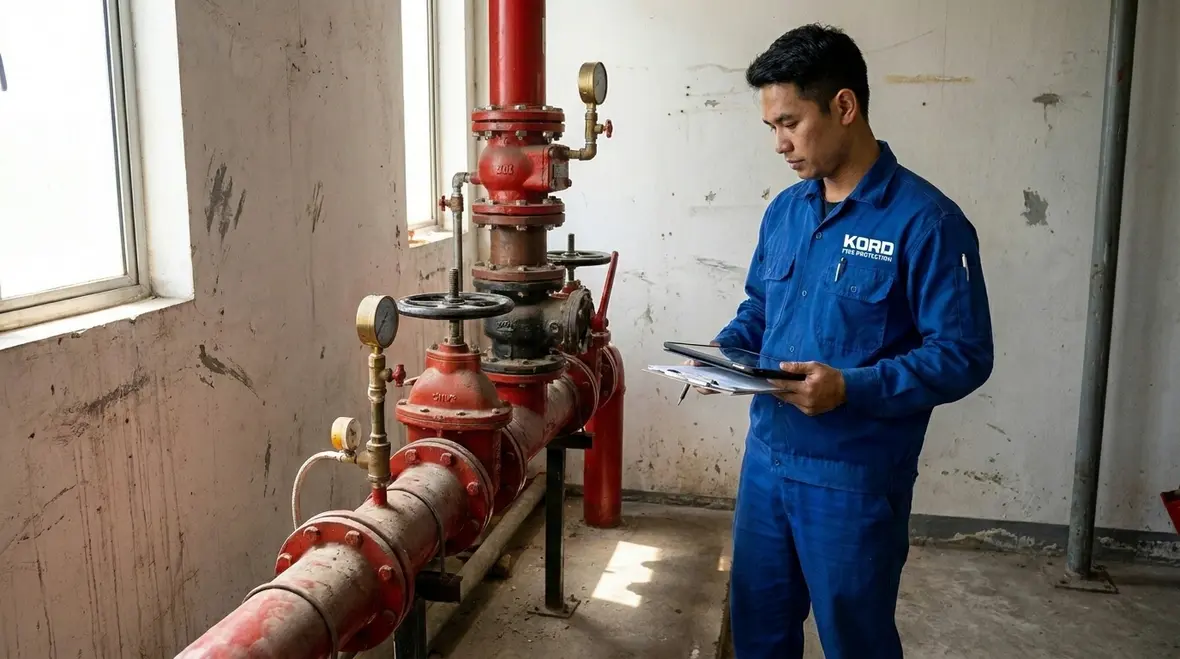
Owners often fear retrofits will force long shutdowns. However, good project planning changes the outcome. Kord Fire Protection technicians frequently coordinate installation with building schedules, tenant activity, and access constraints. For example, they can phase work room by room or zone by zone, then complete testing in a way that limits disruption.
Also, the retrofit strategy can take advantage of existing ceiling spaces, chase areas, and routing paths. As a result, the project can become less invasive than people imagine. Then, technicians help ensure the system works as designed and that any visible changes align with the building’s finishes and aesthetics. That is how retrofits stay business friendly, not business “ruinous.”
Phasing is often the difference between stress and control
A phased plan also gives owners room to make decisions in sequence. High priority zones can go first. Lower risk spaces can follow. Sensitive tenants can be scheduled around business hours. This practical order matters in older buildings where access is rarely perfect and surprises like hidden obstructions love to appear at the least charming possible moment.
How technicians manage water supply and system performance
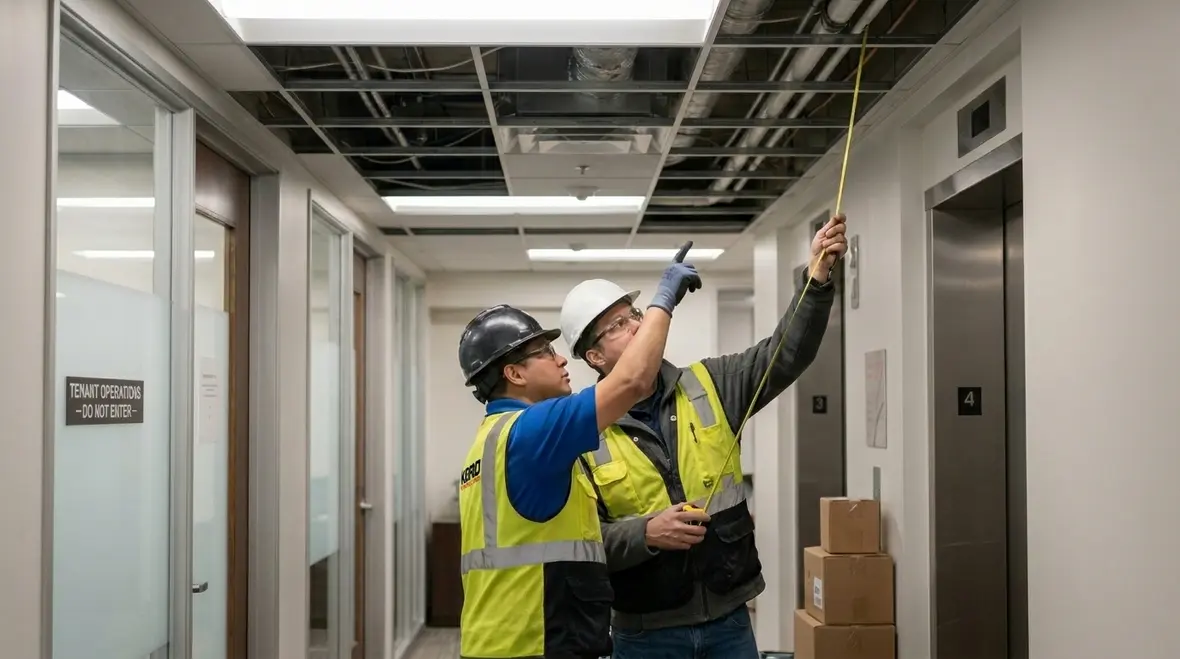
A sprinkler retrofit is only as strong as its water supply and system performance. Therefore, the team must examine pressure, flow, and reliability. If the building’s water source cannot support the required demand, the retrofit plan may include upgrades such as pumps, tanks, backflow devices, or revised piping. Kord Fire Protection technicians explain this clearly because misunderstandings here can lead to expensive rework.
Once the water supply is validated, engineers and technicians verify how water will move through the system. They consider pipe sizing, valve arrangement, and the locations of sprinklers relative to ceiling types and obstructions. Then they run the appropriate calculations to ensure the design delivers the expected protection. In short, performance drives confidence, and confidence drives acceptance.
Performance questions deserve straight answers
This is usually the moment where retrofit conversations become more technical, but that does not mean they should become confusing. Owners need to know what the water source can support, where bottlenecks may exist, and whether supporting equipment should be added or modified. A good team keeps that conversation clear. Nobody benefits from nodding politely at hydraulic details they were never actually given in plain language.
Insurance, financing, and long term value protection
Risk reduction affects more than safety. It also affects business costs. Many insurers look closely at fire protection features, maintenance history, and compliance status. When a property owner invests in targeted improvements, it can support steadier coverage terms and reduce uncertainty at renewal.
Additionally, retrofit work can protect long term building value. Instead of letting safety concerns accumulate, owners upgrade critical systems while the building still has active tenants and stable operating revenue. Hence, the investment tends to behave like an asset, not a recurring emergency expense. And for owners planning future renovations, an upgraded sprinkler layout can prevent costly surprises later when walls open up.
Dual column guidance: retrofit planning steps and common myths
Planning steps
- Assess current conditions and confirm hazards, occupancy use, and layout
- Check water supply and verify flow, pressure, and reliability
- Design coverage and align sprinkler placement with ceiling and obstructions
- Phase installation and reduce downtime and protect tenant operations
- Test and document and support inspections and ongoing maintenance
Common myths
- “Retrofits always mean full shutdown.” and Projects often run in phases with planned access.
- “If sprinklers exist, the job is done.” and Systems may need updates for current code and layout.
- “It is just equipment swaps.” and Performance depends on water supply and design.
- “Maintenance headaches increase after retrofits.” and Documentation and testing can improve consistency.

FAQ
Final call to action for property owners
If the building is aging, tenant use is changing, or inspections keep getting more intense, owners should act before the situation forces their hand. A well designed retrofit supports safer operations, stronger compliance, and clearer documentation. Kord Fire Protection technicians can assess the current system, confirm water supply performance, and map a practical upgrade path that respects your schedule.
For owners who want a broader partner for inspections, repairs, retrofits, and ongoing readiness, explore Kord Fire Protection’s full fire protection services. It is a strong next step for teams that would rather move from “hoping everything holds” to knowing the protection plan is ready. Request an evaluation today and give the building a safer future without waiting for trouble to make the first move.

Join Our Newsletter!
Get the latest fire safety tips delivered straight to your inbox From our Newsletter.