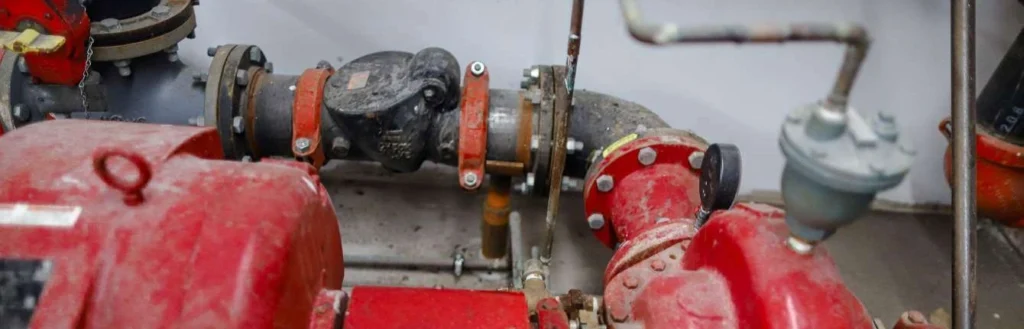
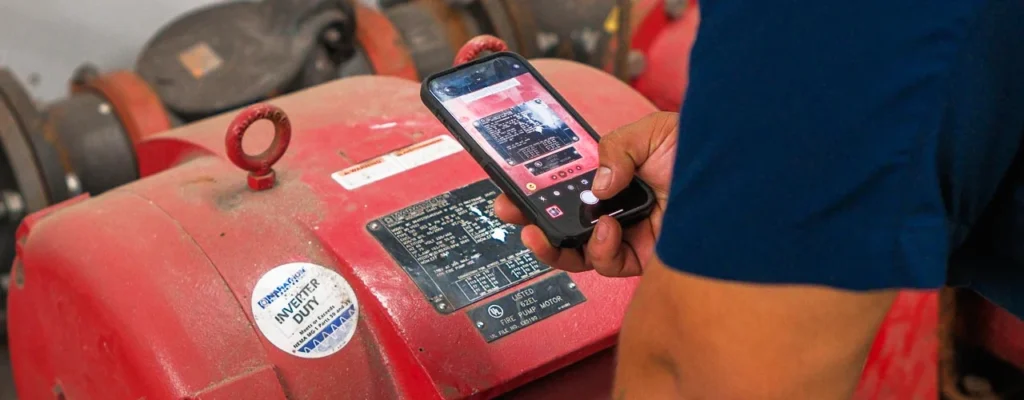
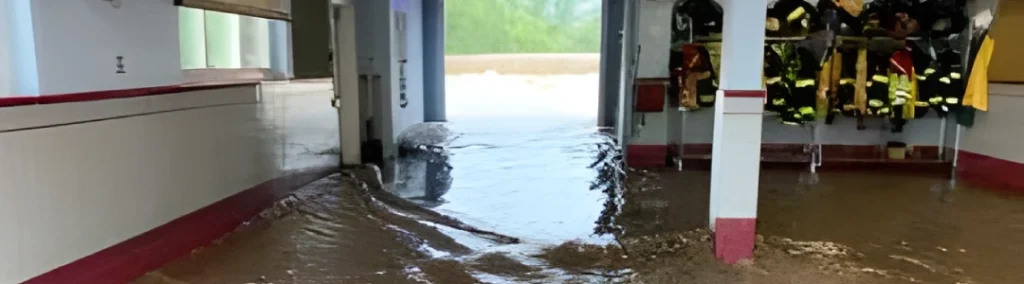
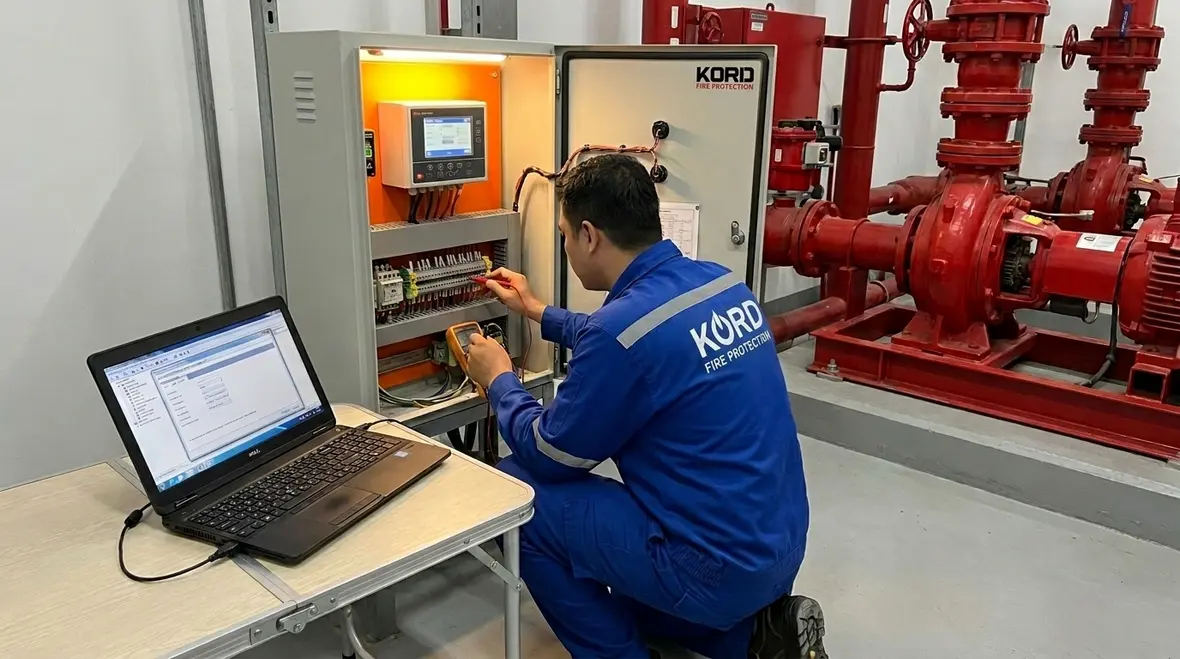
When a fire pump control system starts acting “creative,” it rarely does it in a clean, predictable way. That is why Kord Fire Protection Technicians often begin with a focused look at fire pump controller diagnostics, then trace the issue step by step until the system returns to safe, reliable service. In practice, that means reading alarms with intent, verifying sensors under real operating conditions, and checking interlocks that sometimes fail quietly. To be clear, the goal is not to guess. Instead, technicians build a tight trail of evidence so the problem does not come back like a villain in a sequel nobody asked for. And yes, the control cabinet will always look innocent, right up until it is not.
Fire pump controller troubleshooting workflow that technicians actually follow
A calm, repeatable workflow keeps troubleshooting from turning into a long night of guesswork. First, Kord Fire Protection Technicians confirm the unit is in the expected mode, such as automatic starting or manual test, and they confirm the water supply and pressure setpoints align with the design. Next, they review the latest events log and alarm history, then they correlate the timeline to system behavior. For example, if the pump started but pressure did not build, technicians check permissives and feedback signals, not just the motor circuit.
After that, they verify the outputs and inputs with the right measurement method. They compare control board states against field devices, and they document each step. Then they test again with controlled changes. This approach reduces downtime and prevents the classic mistake of “fixing” one symptom while another fault stays hidden. In other words, it is like checking all the cameras in the building before concluding the thief must be invisible.
How to identify the real fault in control, power, and feedback
Fire pump control issues usually fall into three buckets: control logic, power delivery, and feedback confirmation. Therefore, the first job is to separate what the controller commands from what the field actually reports. If the controller requests a start, but the pump does not run, technicians examine the power path, contactors, and overload status. If the pump runs but the system alarms for failure to pump, technicians focus on run confirmation signals and pressure sensing.
To narrow it down fast, technicians look for patterns. If alarms trigger immediately after a start command, that often points to permissive faults, selector switch position, or input wiring issues. If the unit starts and then fails after a delay, the fault may relate to pressure confirmation, time based thresholds, or phase loss detection. Meanwhile, if the controller shows normal logic states yet the system behaves differently, that points to a sensor drift, damaged cable, or a feedback circuit issue.
Interlocks and permissives: where “it should work” goes to die
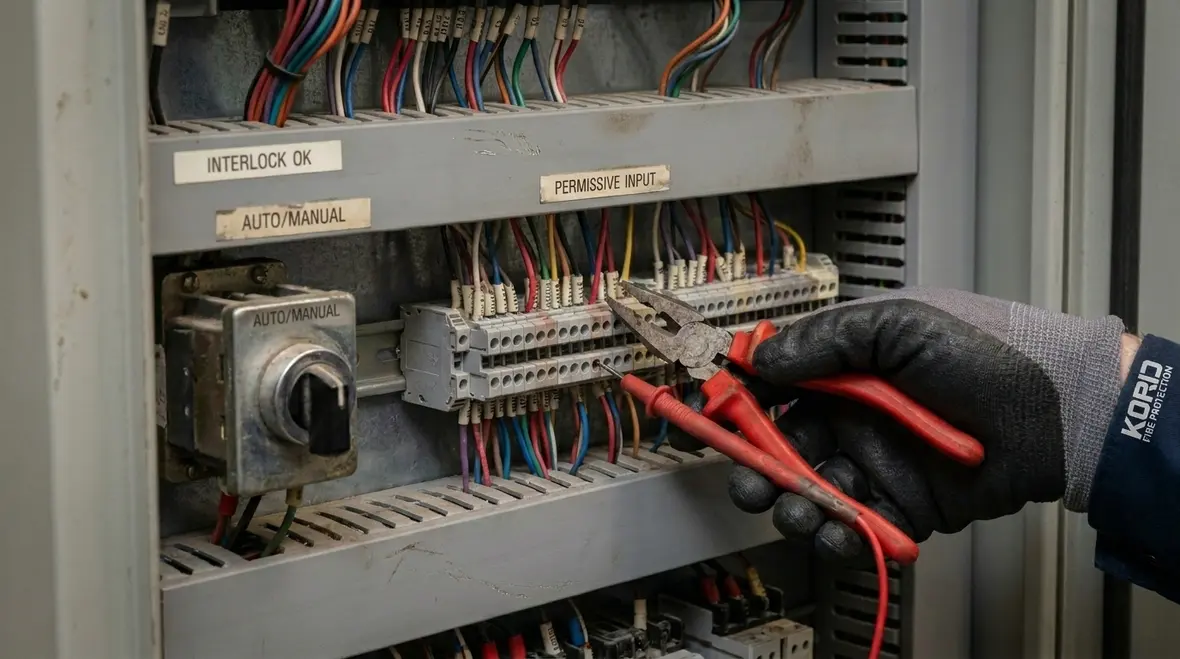
Interlocks and permissives control whether the system is allowed to start. However, they can also create confusing outcomes when one signal disagrees with another. Kord Fire Protection Technicians pay close attention to common permissive paths, including pressure switch status, water level, air pressure in jockey pump systems where applicable, and damper or valve feedback if the system includes them.
To troubleshoot these signals, technicians verify the electrical state of each input at the controller terminal and compare it to the device state in the field. Then they check that wiring polarity, loop integrity, and grounding match the panel design. If a permissive stays open when it should close, they inspect contacts, conduit moisture, and intermittent wiring. After all, you can have the right equipment, and still lose the signal because a cable ran through a wet area like it was invited.
When permissives and interlocks fail, the controller may deny starts or force the system into a safe state. So technicians always confirm the selector switches, reset logic, and alarm latching behavior. In addition, they validate that reset actions align with the fire code requirements and the equipment manufacturer instructions.
Pressure sensing and transducer checks for stable starts
Many fire pump issues look like electrical faults, but technicians often find the root cause in pressure measurement. If a pressure transducer or pressure switch gives unstable readings, the controller may start the pump and then think it did not achieve pressure in time. Therefore, Kord Fire Protection Technicians verify the signal under stable flow conditions and confirm the wiring and scaling match the control board settings.
They also inspect the sensor location and plumbing. For instance, a loose fitting, air in the line, or debris can distort readings. Technicians then check for normal pressure ramp behavior: pressure should rise predictably as the pump accelerates and reaches operating flow. If the controller expects a specific ramp rate or threshold, technicians ensure that the controller timing and setpoints match the system design and pump curve.
In the field, it helps to compare controller values with a known trusted gauge when possible. That cross check reduces confusion. It also helps teams avoid chasing ghosts in the logic when the real problem sits in a sensor line that got clogged like a traffic jam during rush hour. Transitioning from “check settings” to “verify real values” often cuts time dramatically.
Motor starter and power path troubleshooting without guesswork
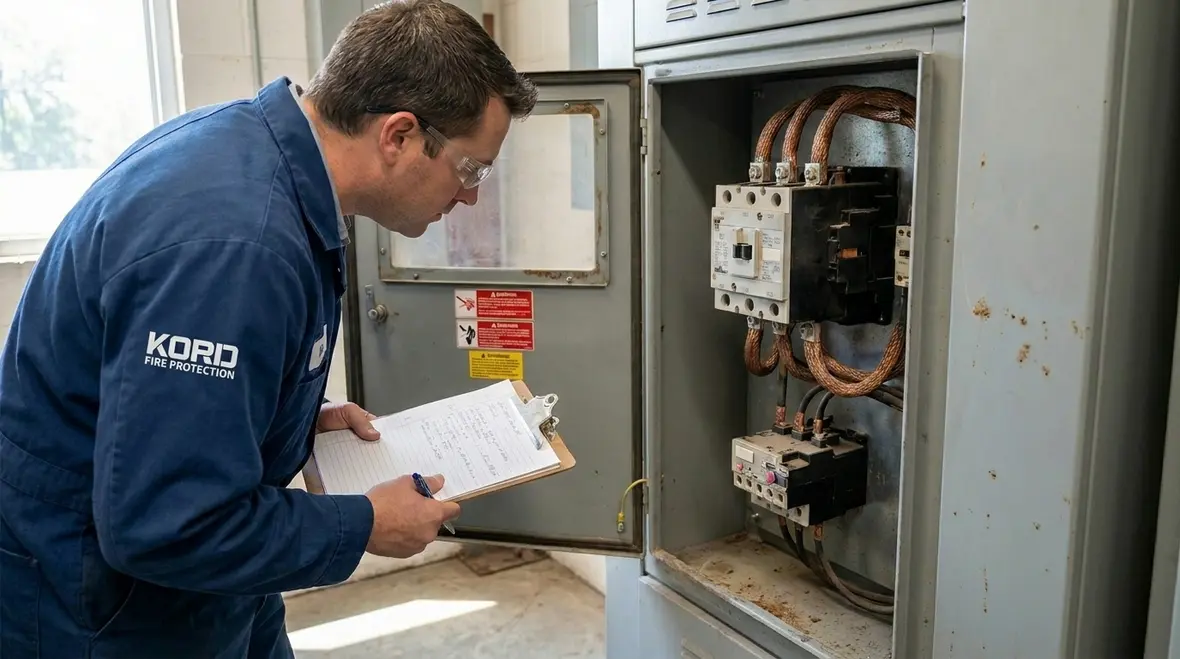
When a pump does not start, technicians must look at the power path and motor starter controls. The cabinet may show a commanded start, yet the contactor coil might not energize, or an overload may trip silently. Therefore, technicians verify incoming power quality, inspect fuses, and confirm starter interlock wiring.
Next, they check motor contactors and overload relays for evidence of wear, pitting, or loose terminations. They also verify that phase loss and phase reversal detection works as designed. If a system includes variable settings or special starter types, technicians confirm the control board outputs match the starter requirements.
Additionally, technicians check for overheating signs, abnormal vibration, and any damage that could lead to intermittent faults. For a clean test, they apply a structured start test sequence and observe relay states, contactor status, and run feedback. Meanwhile, they document timing differences between command and physical start, because short or delayed response can reveal a sticking contactor or a weak coil. And if anyone thinks “it works most of the time,” that is exactly when a future failure is planning a surprise party.
Troubleshooting time delays, supervision faults, and event logs
Modern control systems often include supervision for phase, ground fault, loss of communication, and pump performance monitoring. So technicians review event logs like detectives, not like people skimming a streaming series they missed. They confirm which alarm triggered first, which device state changed next, and how long the system waited before declaring a fault. Then they compare that timeline to the controller configuration.
Time delays matter. For example, if a run permissive resets too quickly, the controller may oscillate between start attempts and lockout. If the system uses a “failure to pump” timer, the controller may require pressure confirmation within a specific window. Technicians verify that the setpoint thresholds and the timer settings match the actual pump behavior at the current seasonal conditions.
When supervision faults appear, technicians also verify sensor power supplies and communication integrity. Loose cable shields, corroded terminals, and moisture inside the cabinet can cause intermittent trouble codes. Therefore, Kord Fire Protection Technicians inspect cable routing, strain relief, and terminal torque. They then retest while monitoring signals, not just the final alarm. That makes it easier to spot which fault triggered and why.
Emergency testing, resets, and when to stop and escalate
There is a difference between troubleshooting and turning a fire pump into a science experiment. Technicians follow safe testing practices and only apply resets that match the manufacturer instructions and code requirements. If a fault indicates a wiring or hardware damage risk, they isolate the problem first instead of repeatedly cycling the unit.
Kord Fire Protection Technicians also know when to escalate. If they find recurring contactor failures, sensor signal instability that persists after replacement, or repeated motor starter faults tied to power quality, they recommend deeper inspection or manufacturer support. Additionally, if event logs show contradictory states, they treat that as a wiring or board integrity issue until proven otherwise.
Emergency testing should not become a habit. Instead, technicians plan tests based on system readiness and make sure the system returns to normal supervised conditions after each test. That keeps the facility protected today and reduces downtime tomorrow. In short, the right escalation timing prevents expensive “we tried everything” stories.
FAQ for fire pump control troubleshooting and diagnostics
Call Kord for a control system review and faster fixes
When fire pump control systems misbehave, the facility deserves more than quick resets and hopeful guesses. Kord Fire Protection Technicians can run thorough fire pump controller diagnostics, map alarms to real field states, and deliver a fix that holds under real fire pump demand. If the event log looks confusing, the start sequence feels inconsistent, or pressure feedback seems off, request a control system review today. Then let the team turn the control cabinet from mystery box into a dependable life safety system.
For related safety system context, you can also review how Kord handles compliance-driven suppression design in Clean Agent Standard for Fire Suppression Systems.
Know Your Weapon Before You Fight the Flame
Kord Fire Protection is your go-to when it comes to all things fire protection. For over 20 years, we’ve been serving Southern California with the quality service and equipment to keep your home or business safe at all times. Our competitive prices reflect our unwavering commitment to protecting what matters most in the event of a fire emergency. Give us a call, send an email, or use that form!

Join Our Newsletter!
Get the latest fire safety tips delivered straight to your inbox From our Newsletter.