Fire Suppression System Types Explained
Fire Suppression System Types: Clean Agent, Water Mist, Foam, CO₂, and Dry Chemical
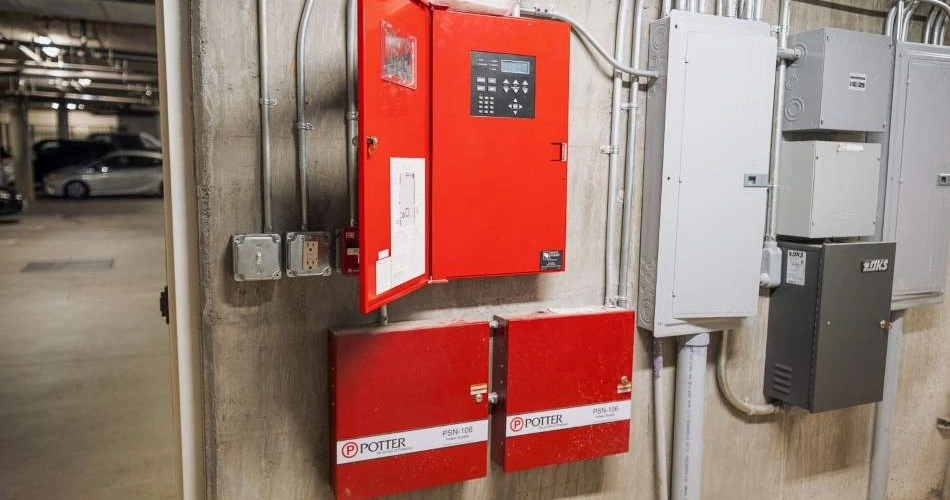
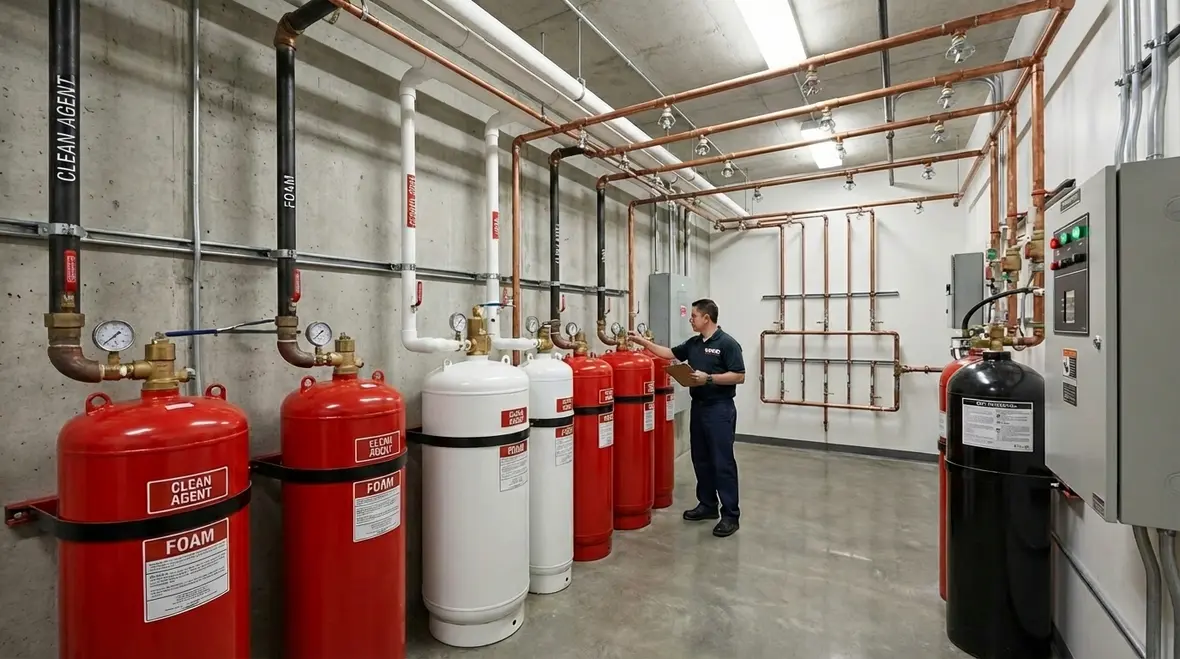
Fire does not send a calendar invite. It arrives unannounced, unbothered, and usually at the worst possible moment. That is why understanding the right fire suppression system types matters. From clean agent systems that protect sensitive electronics to water mist systems that cool flames with precision, each option serves a distinct purpose. Foam systems handle flammable liquids, CO₂ systems smother oxygen to stop combustion, and dry chemical systems interrupt the chemical reaction of fire itself. According to Kord Fire Protection technicians, choosing the right system is less about guesswork and more about matching risk to response. In other words, it is strategy, not luck.
So let us walk through these systems with clarity, confidence, and maybe a light chuckle or two. After all, fire safety does not have to sound like a robot reading a manual.
Understanding Fire Suppression System Types in Modern Buildings
Modern buildings are complex ecosystems. They house electronics, commercial kitchens, industrial machinery, and sometimes that one microwave in the office that has seen things. Therefore, different environments demand different suppression methods.
Kord Fire Protection technicians often explain that no single solution fits every risk. Instead, professionals assess fuel sources, occupancy, ventilation, and asset value. Then they match those factors to one of the established fire suppression system types.
For example, a data center values uptime and equipment integrity. A restaurant kitchen battles grease and open flames daily. Meanwhile, a manufacturing plant may store volatile liquids. Consequently, selecting the proper system is not just about code compliance. It is about protecting lives, assets, and operations.
Moreover, local fire codes and insurance requirements shape system selection. While regulations set minimum standards, experienced technicians go further. They analyze how a fire might start, how it might spread, and how quickly it must be controlled. That level of planning separates basic protection from strategic protection.
In short, understanding these suppression solutions helps property owners move from reactive to proactive. And that shift can make all the difference.
If you want a deeper dive into how suppression options fit into an overall fire protection plan, Kord’s fire suppression services overview breaks down how clean agent, foam, CO₂, dry chemical, and water mist systems are deployed across different facilities.
Where Suppression Systems Fit in a Full Fire Protection Strategy
In many commercial buildings, suppression systems work alongside sprinklers, alarms, and extinguishers as part of a layered defense. Sprinklers address widespread building fires, while special hazard suppression systems focus on targeted, higher risk areas like server rooms, kitchens, fuel storage, and machinery spaces. This layered approach, which Kord details across its full fire protection services, helps ensure that each hazard is matched to the right tool.
Clean Agent Systems: Precision Protection Without the Mess
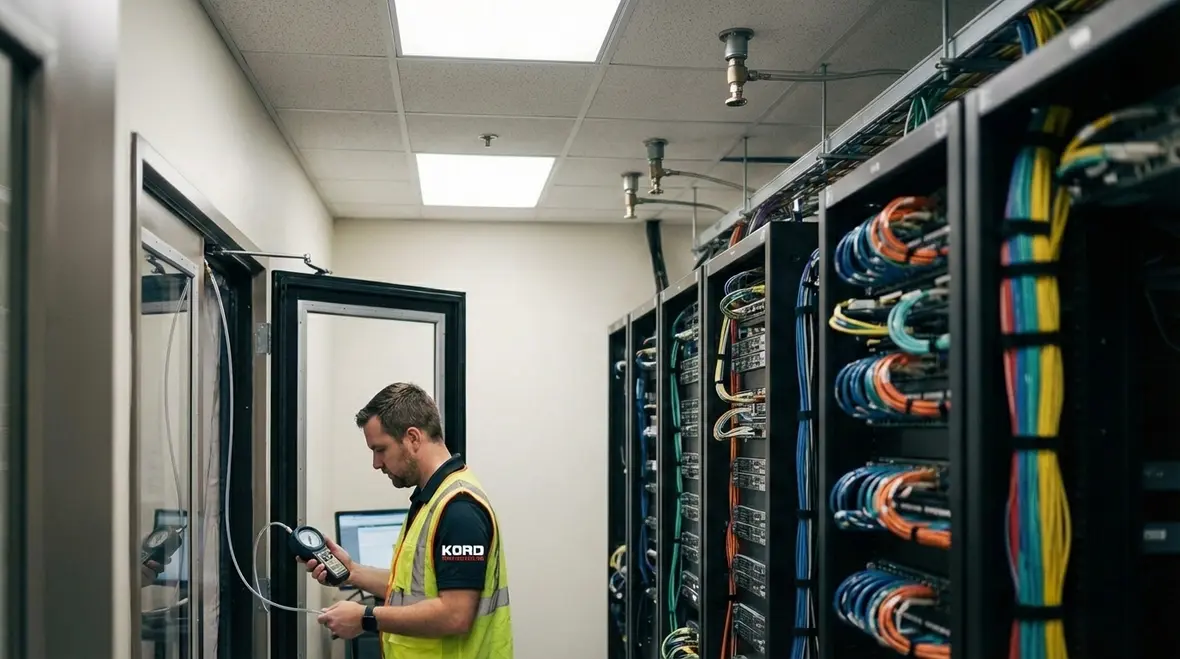
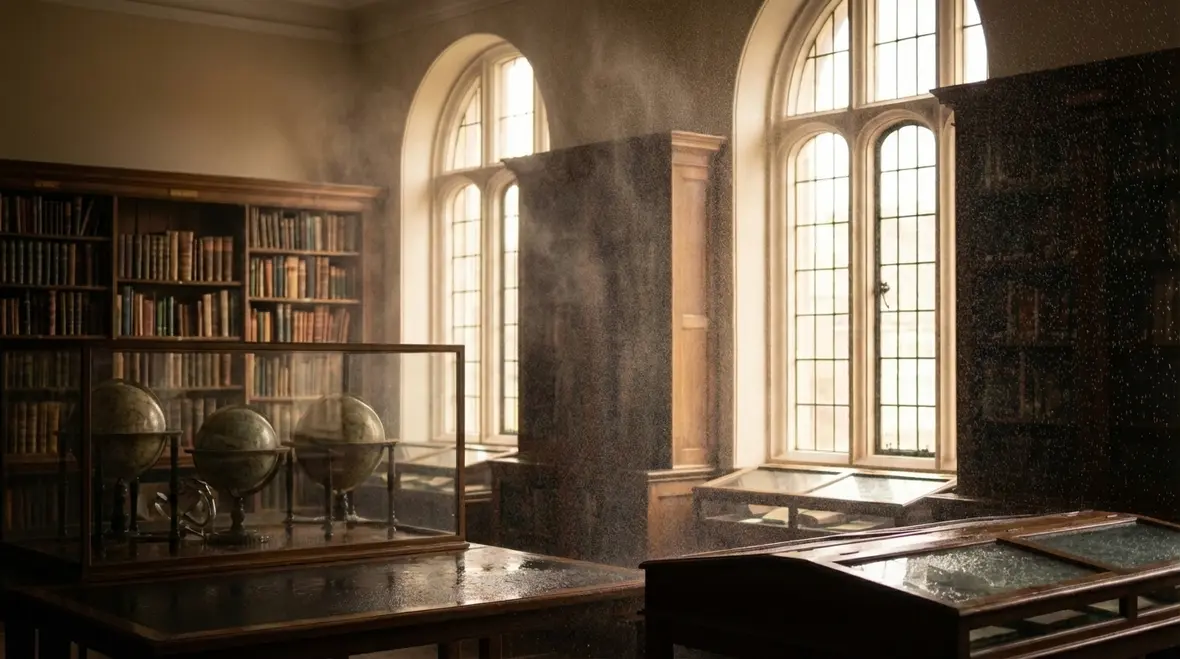
Clean agent systems release a gas that suppresses fire without leaving residue. Unlike traditional sprinklers, they do not drench equipment. Instead, they interrupt the combustion process at a molecular level. It sounds dramatic, but the science is simple. Remove heat or disrupt the chemical chain reaction, and the fire goes out.
These systems shine in environments where water would cause more damage than the fire itself. Data centers, server rooms, museums, and medical facilities rely on them. After discharge, the agent evaporates quickly, which allows operations to resume faster.
Kord Fire Protection technicians often compare clean agents to a skilled surgeon. They act precisely, target the problem directly, and avoid collateral damage. That analogy tends to resonate, especially with IT managers who treat their server racks like prized sports cars.
Room Integrity and Early Detection Matter
However, clean agent systems require tight room integrity. Because the gas must reach and maintain a specific concentration, the protected space needs proper sealing. Therefore, technicians conduct room integrity tests to confirm effectiveness. Without that step, the system may not perform as designed.
Additionally, these systems include early detection components. Smoke detectors sense trouble quickly, triggering alarms before discharge. This layered approach gives occupants time to exit while preserving equipment.
For facilities where downtime equals lost revenue, clean agent systems provide a calm, controlled response. They do not make a splash. They make a statement.
Kord lists clean agent suppression as a core special hazard solution within its broader fire suppression services, alongside foam, CO₂, and dry chemical systems—so you can combine precision gas systems with other suppression methods where needed.
Water Mist Systems: Efficient Cooling with Minimal Water
Water mist systems use fine droplets to suppress fire. Because the droplets are smaller than those from traditional sprinklers, they absorb heat rapidly and convert to steam. As a result, they cool the fire and displace oxygen at the same time.
These systems use significantly less water. That matters in spaces where water supply is limited or water damage must be minimized. Marine vessels, historic buildings, and certain industrial facilities often rely on this approach.
According to Kord Fire Protection technicians, water mist strikes a balance between traditional sprinklers and clean agents. It provides the familiarity of water while reducing the risk of flooding sensitive areas.
Quiet Efficiency for Sensitive Environments
Furthermore, water mist systems can control radiant heat. By lowering ambient temperatures, they help prevent fire spread. This feature proves valuable in high ceiling environments or areas with complex layouts.
Installation and maintenance demand precision. Nozzle placement, droplet size, and pressure all influence performance. Therefore, trained professionals design these systems with careful hydraulic calculations.
While water mist may not sound glamorous, it delivers quiet efficiency. Think of it as the understated hero in a disaster movie. It does not seek attention. It just saves the day.
If your space includes sensitive equipment or areas where traditional sprinklers would be overkill, Kord’s dedicated water mist system service and their guide to water mist fire suppression for sensitive environments offer practical examples of where mist outperforms standard sprinklers.
Foam Systems and CO₂ Systems Explained Simply
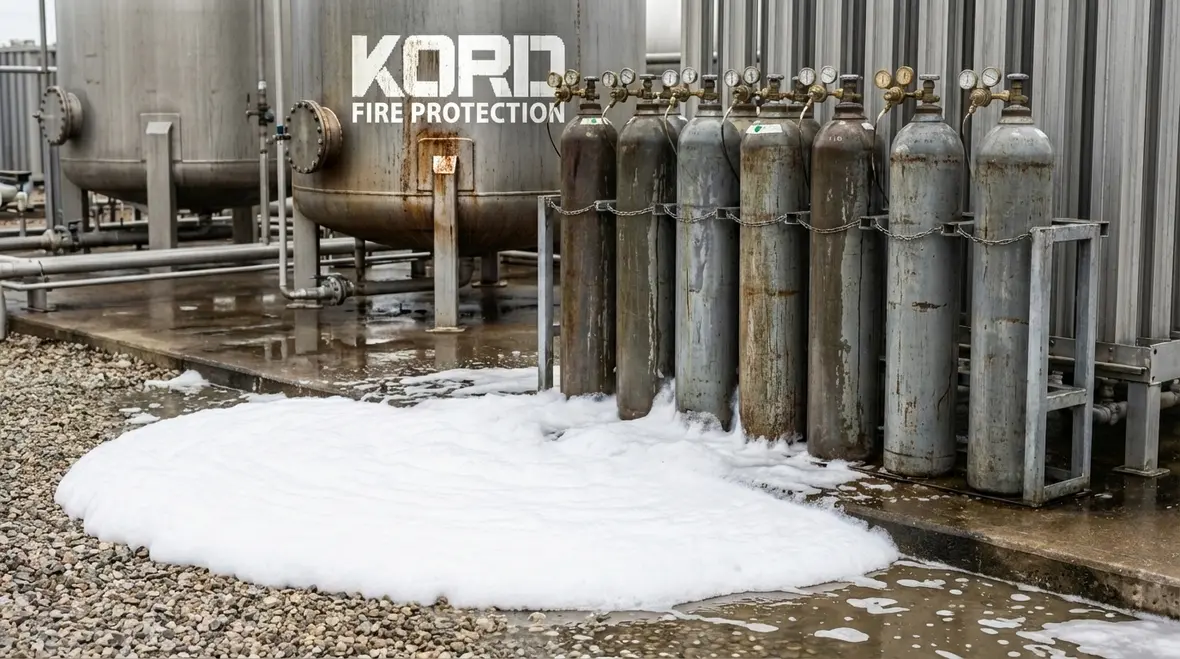
When dealing with flammable liquids, water alone often falls short. That is where foam systems step in. Foam creates a blanket over the fuel surface, separating it from oxygen. At the same time, it cools the liquid beneath.
Foam suppression commonly protects fuel storage facilities, aircraft hangars, and chemical plants. Without it, a flammable liquid fire can spread quickly and reignite even faster. Kord Fire Protection technicians emphasize that foam selection depends on the type of fuel involved. Not all foams work for all liquids.
Meanwhile, CO₂ systems operate on a different principle. They reduce oxygen levels in the protected space until combustion cannot continue. Because CO₂ leaves no residue, it suits industrial machinery spaces and certain enclosed areas.
Safety Considerations and Use Cases
However, safety protocols matter greatly with CO₂. Since the gas lowers oxygen, occupants must evacuate before discharge. Warning alarms and time delays provide that critical window.
To make the comparison clearer, consider the following simplified overview.
| System | Primary Use |
| Foam | Flammable liquid hazards and fuel storage |
| CO₂ | Enclosed industrial spaces and machinery areas |
Each system serves a focused role. While foam controls volatile liquids, CO₂ excels in tightly contained environments. Choosing between them requires understanding both the hazard and the human factor.
Dry Chemical Systems: Rapid Knockdown Power
Dry chemical systems discharge a fine powder that interrupts the chemical reaction of fire. Instead of cooling or smothering alone, the agent breaks the chain reaction within the flame.
These systems respond quickly. Therefore, they are common in commercial kitchens, paint booths, and mechanical rooms. If you have ever seen a kitchen hood system activate, you know it moves fast. One moment there is a flare up. The next moment, the fire is history.
Kord Fire Protection technicians often describe dry chemical as decisive and direct. It does not negotiate with fire. It shuts it down.
Tradeoffs: Speed vs. Cleanup
That said, cleanup can be extensive. The powder residue requires thorough removal to prevent corrosion or equipment damage. Consequently, facilities must plan for post discharge procedures.
Still, when speed matters most, dry chemical systems deliver reliable suppression. They have earned their place among the core fire suppression system types used across industries.
To see how dry chemical fits into a broader suite of options, explore Kord’s all fire suppression services, where kitchen, vehicle, foam, CO₂, and clean agent systems are all part of a single, coordinated program.
How to Choose the Right System for Your Facility
Match Hazards to Suppression Types
Selecting among the various fire suppression system types requires a structured approach. First, professionals identify the class of fire risk. Is it ordinary combustible material, flammable liquid, electrical equipment, or cooking grease? Each category responds differently to suppression agents.
Consider Occupancy and Asset Value
Next, they evaluate occupancy. Are people present during operating hours? If so, systems like CO₂ require additional safeguards. On the other hand, unoccupied spaces may allow for different configurations.
Additionally, asset value influences decisions. High value electronics often justify clean agent systems. Facilities with large liquid fuel storage may lean toward foam.
Site Surveys, Budget, and Long-Term Planning
Kord Fire Protection technicians conduct site surveys to gather this information. They review building layout, ventilation, and existing fire alarm integration. Then they recommend a tailored solution.
Budget also plays a role, yet it should never override safety. While some systems cost more upfront, they may reduce long term damage and downtime. In that sense, the investment often pays for itself.
Finally, maintenance planning completes the picture. Every system requires inspection, testing, and servicing. Without regular maintenance, even the best design can fail. Therefore, ongoing support matters just as much as installation.
For facilities that want one point of contact for design, installation, and ongoing care, Kord’s full fire protection services bundle suppression, sprinklers, alarms, and extinguishers into a single, code-compliant program.
Maintenance and Compliance Keep Systems Ready
Inspection, Testing, and Documentation
Installing a suppression system marks the beginning, not the end. Over time, components age, seals degrade, and detection devices collect dust. Consequently, regular inspections ensure readiness.
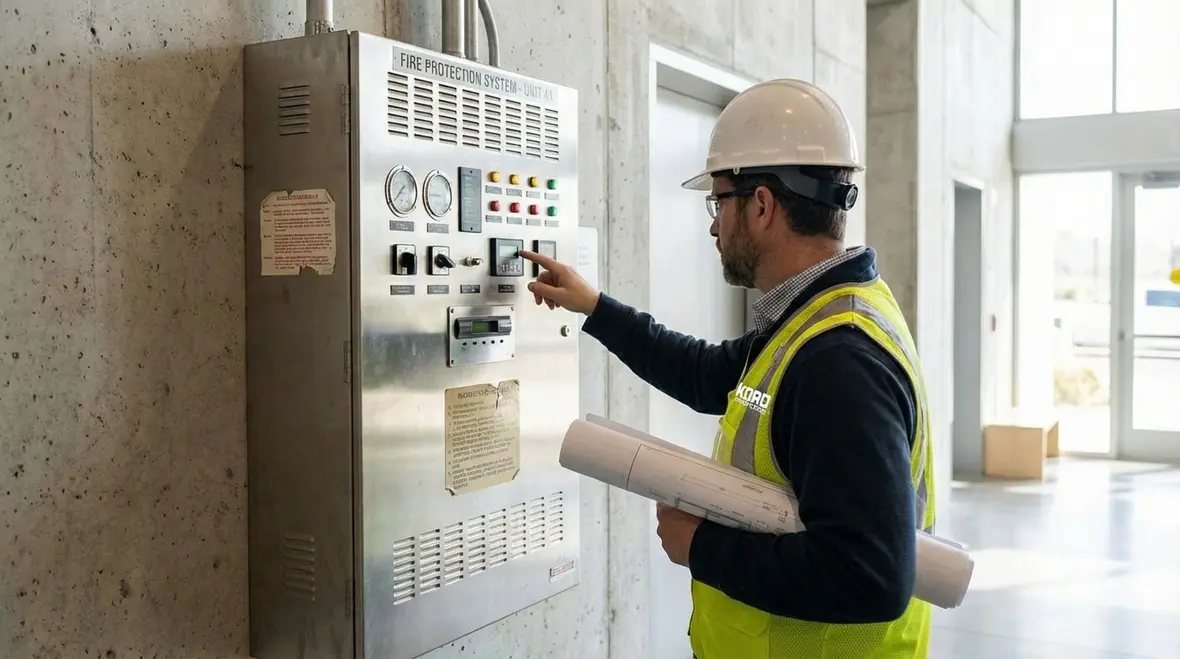
Technicians test control panels, verify pressure levels, and confirm alarm functionality. They also check nozzles and piping for obstructions. These steps may seem routine. However, in an emergency, routine preparation becomes lifesaving reliability.
Why Ongoing Service Is Non-Negotiable
Compliance with national and local codes further protects building owners. Fire marshals and insurance auditors expect documented testing. Therefore, detailed records help demonstrate responsibility and reduce liability.
Kord Fire Protection technicians stress that maintenance is not a luxury. It is a commitment. After all, a suppression system that fails under pressure is about as useful as a screen door on a submarine. Humor aside, consistent servicing preserves both safety and peace of mind.
Frequently Asked Questions
Conclusion: Protect What Matters Most
Fire does not wait, and neither should preparation. The right fire suppression system types protect lives, property, and operations with confidence and control. Kord Fire Protection technicians stand ready to assess risks, design tailored solutions, and maintain systems that perform when it counts. Connect with their team today, and take the next deliberate step toward safety that works quietly, effectively, and without hesitation.
If you are unsure which system fits your hazards—clean agent, water mist, foam, CO₂, or dry chemical—start with a professional assessment. Kord’s fire suppression services team can help you map risks to the right technologies, integrate them with sprinklers and alarms, and keep everything inspection ready year after year.
Request a fire suppression consultation to review your building, or explore Kord Fire’s special hazard suppression options to see how these systems work together to protect what matters most.
Know Your Weapon Before You Fight the Flame
Kord Fire Protection is your go-to when it comes to all things fire protection. For over 20 years, we’ve been serving Southern California with the quality service and equipment to keep your home or business safe at all times. Our competitive prices reflect our unwavering commitment to protecting what matters most in the event of a fire emergency. Give us a call, send an email, or use that form!

Join Our Newsletter!
Get the latest fire safety tips delivered straight to your inbox From our Newsletter.