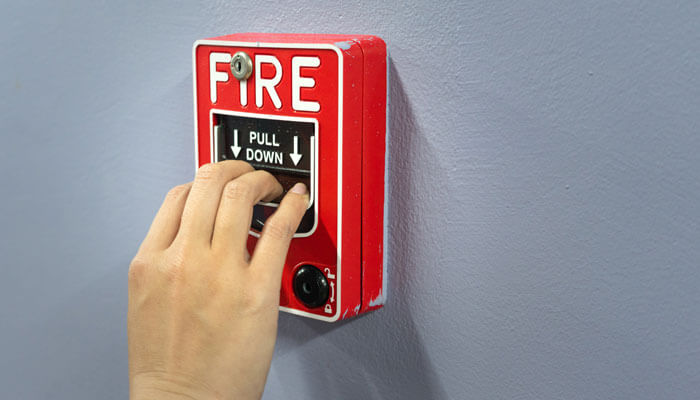
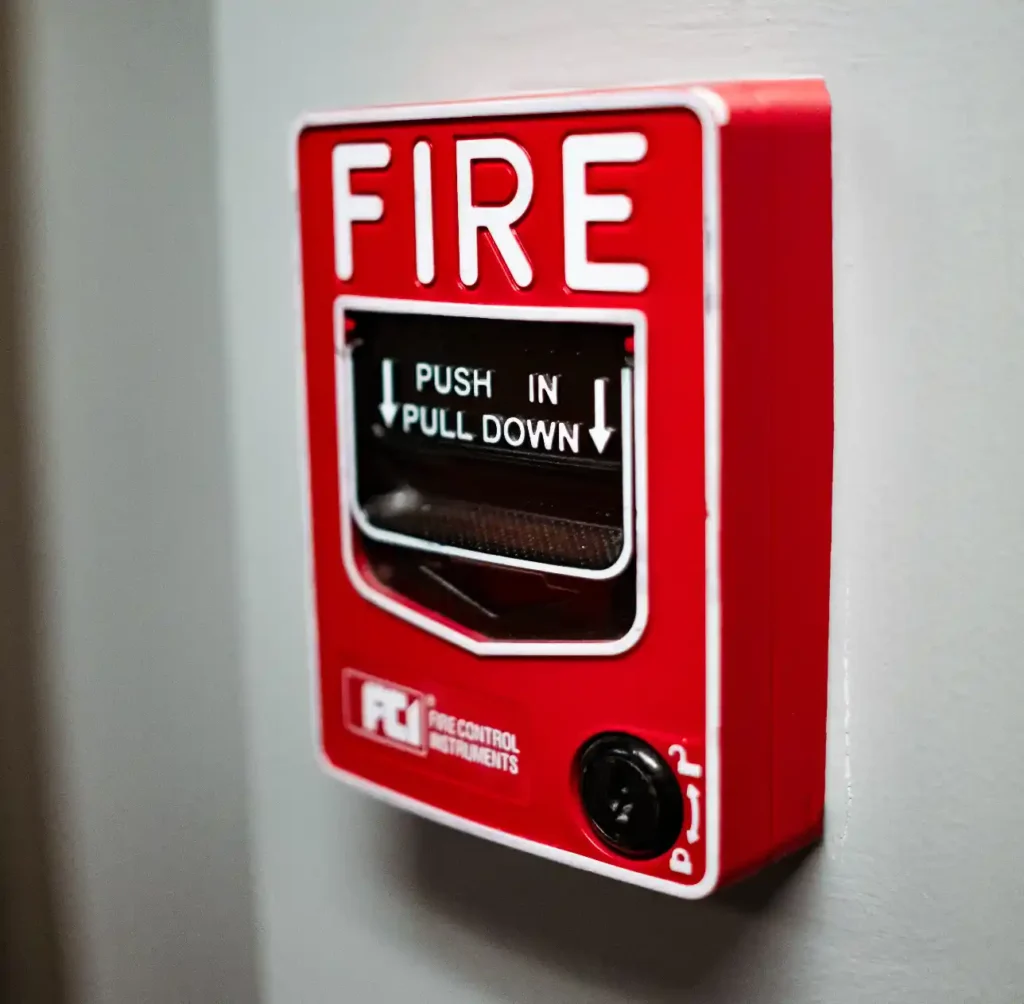
Zeta Fire Alarm Systems for Small Building Protection
Zeta fire alarm systems fit naturally into the kinds of places where a smaller, focused setup makes the most sense. In many offices, small retail stores, light industrial spaces, and multi site buildings, fire alarm systems for small buildings deliver clear protection without the size and cost of an oversized network. And yes, that can be surprisingly refreshing, like finding a quiet parking spot near the entrance. In this article, Kord Fire Protection technicians explain how these smaller systems work, where they shine in real life, and what owners must plan for after installation. They also walk through the code basics so business owners can feel confident, not guessing.
How Zeta fire alarm systems deliver early warning and clear signals
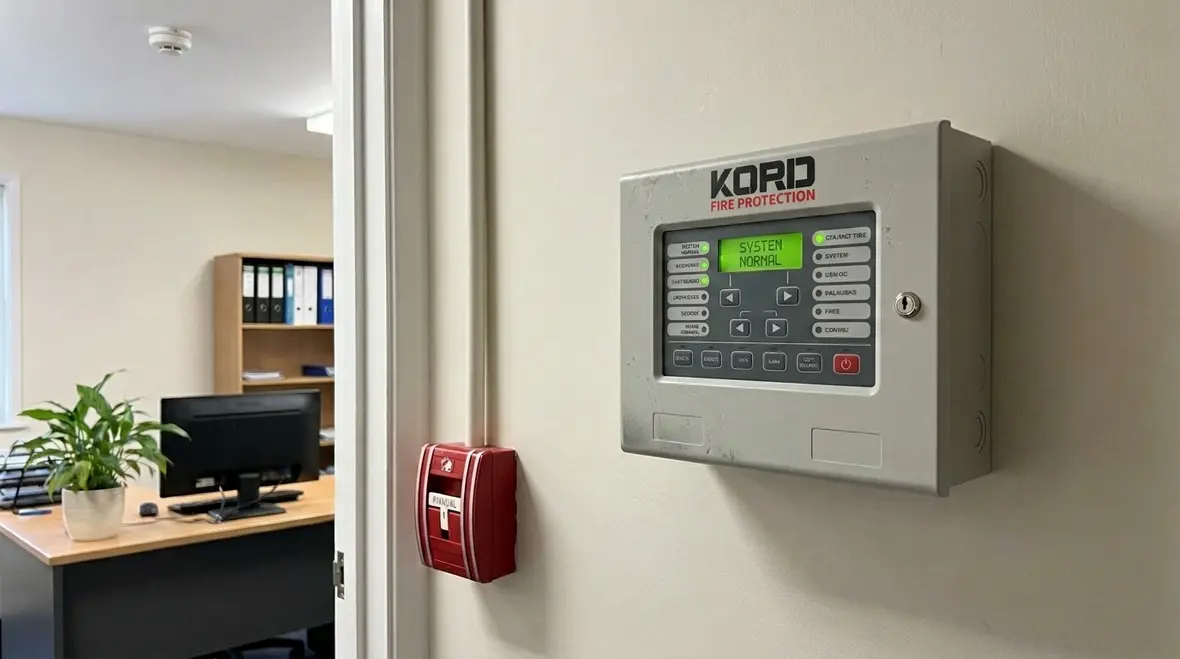
Zeta fire alarm systems use a practical approach: they detect smoke, heat, or flame using listed initiating devices, then they send signals to a control panel that monitors the zone or area. As soon as the system receives an alarm, it triggers notification appliances like horns, strobes, or bells, based on the design. In addition, many Zeta style systems support simple integrations, such as monitoring fire alarm trouble status so facilities staff can act quickly.
Typically, smaller systems focus on fewer zones and shorter wiring runs. However, the key point is not “small means weaker.” Instead, smaller can mean better targeted coverage and faster response times for the spaces where people actually spend time. Kord Fire Protection technicians often point out that fire conditions usually unfold locally first. Therefore, zoning that matches the real layout of a building improves decision making during an emergency.
To keep things calm and easy to manage, the panel communicates status using visual indicators and event logs. Then, occupants hear or see the alarm signal. Meanwhile, building staff can review what triggered the event, which helps them coordinate with the fire department and internal safety teams.
Real world use cases where smaller systems perform best
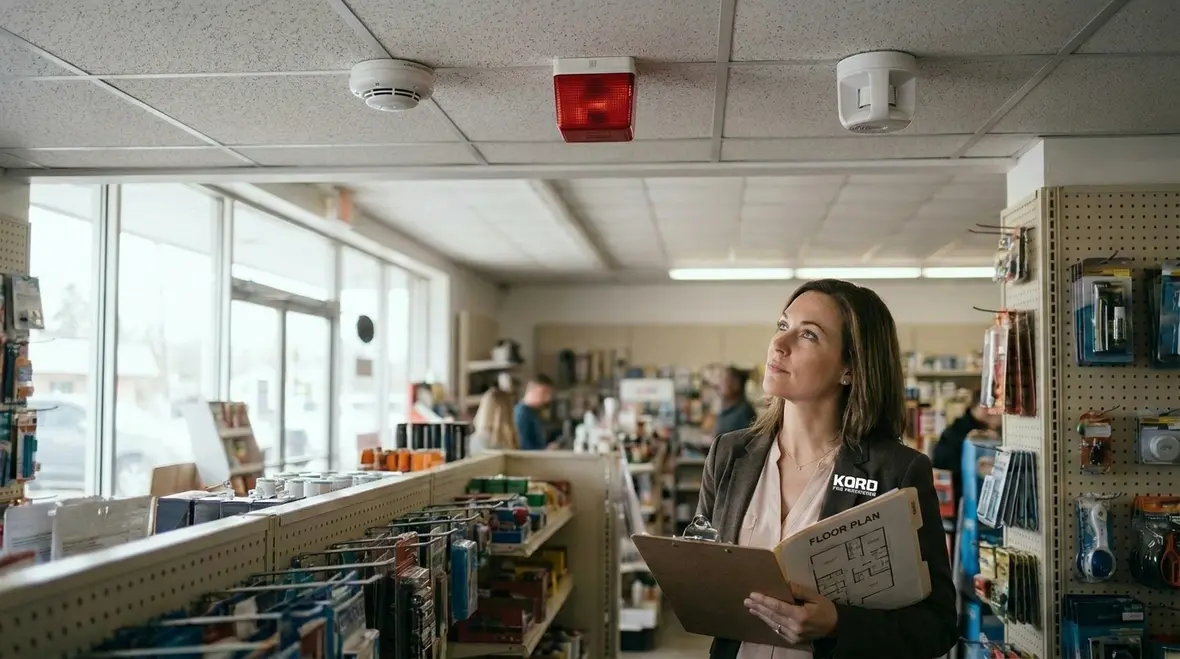
When buildings stay within a manageable size, fire alarm systems for small buildings can cover the building without adding complexity that nobody asked for. Kord Fire Protection technicians commonly see these systems succeed in the following scenarios.
- Small commercial offices: Covered corridors, conference rooms, and reception areas often map cleanly to zones. This helps staff identify the alarm location quickly.
- Local retail and service shops: Smoke detectors near sales floors and back storage areas catch hazards early. Notification appliances can be balanced for visibility and audibility.
- Light industrial and warehouses: Heat detectors or specialty detection may fit when dust or airflow affects smoke sensing. Zeta layouts can still support clear alarm and trouble reporting.
- Small multi tenant buildings: The system design can align with tenant boundaries while still meeting the building wide notification needs.
- Schools and community facilities: Smaller zones can reduce confusion during drills and real alarms, especially when paired with clear labeling and occupant training.
In each case, the benefit shows up fast. For example, when a kitchen grill creates nuisance smoke, a well placed detection and the right sensitivity settings can reduce false alarms. That means fewer “false alarms” that make everyone roll their eyes like it is a sitcom. At the same time, real hazards still get through because the system design targets likely fire sources.
Where they are strong and where they need smart planning
Smaller does not automatically mean better in every situation. Still, Zeta style systems often deliver a strong match for small buildings when the design focuses on coverage, device placement, and monitoring. Kord Fire Protection technicians typically evaluate both strengths and limits before finalizing the layout.
- Strength: clear zoning: When the building layout is not overly complex, zoning improves the speed of locating the alarm point.
- Strength: easier operation: Staff members often understand the panel status faster, which improves response time during an actual event.
- Strength: efficient installation: Smaller wiring runs and fewer devices can lower installation time and simplify commissioning.
- Strength: predictable budgeting: Owners can plan around a defined device count and standard system configuration.
- Weak point: limited expansion: If the business plans major future growth, the initial panel capacity and circuit availability must be checked early.
- Weak point: design mistakes matter more: In a small system, poor device placement can affect coverage. So the inspection and layout review must be thorough.
- Weak point: integration expectations: If the owner expects many building systems to talk to the fire panel, the design must match those expectations during the engineering stage.
To keep the system reliable, the technicians also emphasize correct labeling, good documentation, and as built drawings. After all, a fire alarm system should not require a scavenger hunt during an emergency. And if someone claims it does, that is not “creative engineering,” it is just chaos.
Ongoing maintenance needs that keep the system trustworthy
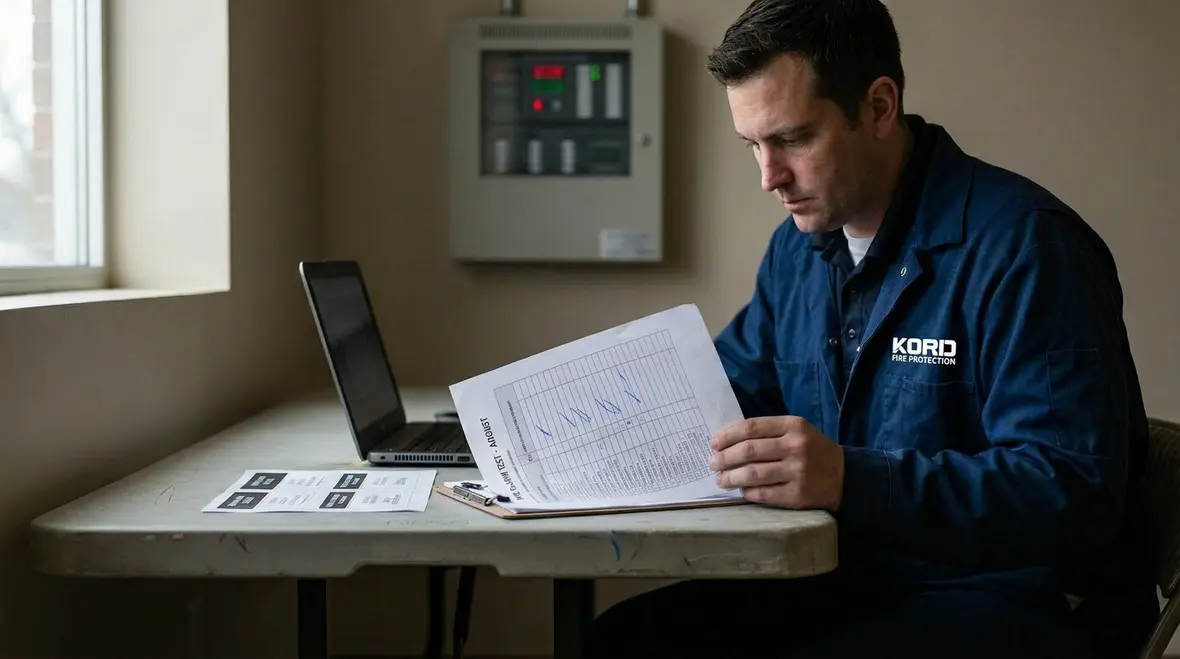
Maintenance is where many systems either stay dependable or quietly drift into trouble. Even when everything looks fine, Zeta fire alarm systems still need routine inspections, testing, and record keeping. Kord Fire Protection technicians typically follow a structured plan based on fire code requirements and manufacturer instructions.
Here is what owners should expect over time.
- Routine inspections: A visual check of panel status, wiring, device locations, and power supplies.
- Testing initiating devices: Smoke detectors, heat detectors, manual pull stations, and any other initiating components receive functional tests.
- Testing notification appliances: Horns, strobes, and bells get tested so audibility and visibility match the design.
- Battery and power checks: Backup batteries age like everything else, and power checks prevent surprise failures.
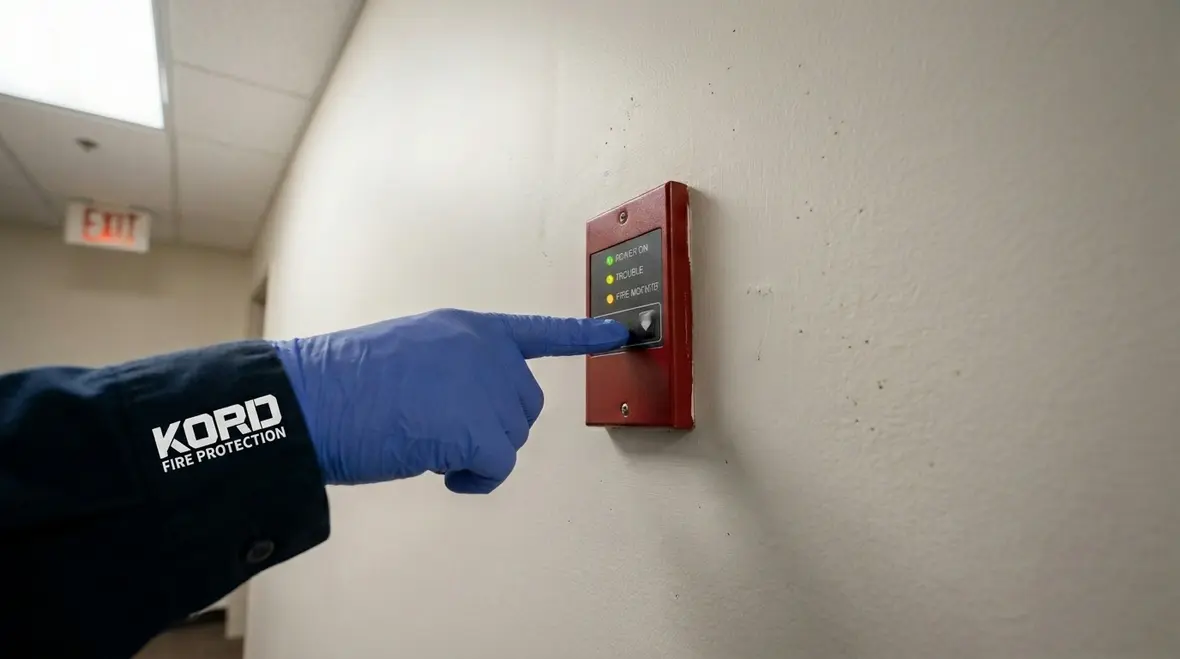
- Trouble signal response: Technicians ensure trouble events report correctly so staff can address faults before they become real incidents.
- Software and panel logs: Event history helps identify patterns, like nuisance alarms tied to seasonal changes.
In addition, owners should plan for minor changes when the building changes. Tenant build outs, ceiling modifications, or new equipment can alter airflow and ceiling height. Therefore, the system may require device relocation or updated zoning to keep detection where it matters.
As Kord Fire Protection technicians explain, maintenance also includes staff communication. When employees know what a trouble signal sounds like, they avoid ignoring it for weeks. And ignoring trouble signals is how people end up learning fire drills are not optional theater.
Relevant NFPA and local code requirements that affect small projects
Fire alarm design and maintenance operate under a mix of national guidance and local enforcement. The most common national references include NFPA standards that cover installation, inspection, testing, and maintenance. Local fire departments and AHJs may also add requirements for notification audibility, strobes placement, monitoring, and documentation.
Because local rules vary, Kord Fire Protection technicians usually recommend owners confirm:
- Which NFPA standard the AHJ uses for design and testing scope
- Whether the system needs monitoring for central station, local alarm, or remote signaling
- Strobe placement and candela requirements under the applicable visibility rules
- Inspection and testing frequency for yearly, quarterly, and monthly tasks
- Documentation expectations for as built drawings and test reports
In practice, the goal stays the same: the system must detect, alert, and remain reliable. When a small building follows the right code path, it can still meet full life safety expectations without over engineering.
Dual column comparison for selecting the right size system
Zeta style systems often win when the building needs solid coverage without unnecessary add ons. To help decision makers, Kord Fire Protection technicians suggest using this quick comparison once you review floor plans and risk points.
| Good fit | Needs review |
| Buildings with clear room boundaries and simple floor layouts | Buildings with planned major tenant growth or future expansions |
| Facilities that want straightforward panel operation and clear zoning | Properties expecting heavy integration with other building systems |
| Spaces where device placement can match the real hazard areas | Areas with unusual airflow, high dust, or changing ceiling heights |
Then, when the design matches the building, the outcome feels right. It works without drama. Like a reliable hero in a movie who never steals the scene for the wrong reasons.
How to use these systems to protect people and reduce downtime
When a business adopts fire alarm systems for small buildings the smart way, it protects people and also supports smooth day to day operations. First, owners should confirm device types match the risk areas. Next, they should label zones clearly and keep the as built documents in a place technicians and staff can access. Then, they should schedule maintenance on time, so trouble events get handled early instead of becoming an “email later” project. Finally, they should train staff for what the panel signals mean, so alarms trigger fast decisions rather than panic. Kord Fire Protection technicians recommend this approach, because preparedness beats surprises every time.
FAQ: Zeta fire alarm systems and small building coverage
Call Kord Fire Protection for a right sized design and service plan
If a smaller building needs dependable protection, Zeta fire alarm systems can offer a clean, efficient solution when they are designed correctly and maintained on schedule. Kord Fire Protection technicians help owners match detection and notification to the actual risks in the space, then keep the system ready through timely testing and clear reporting. Reach out for a site review, device and zoning guidance, and a maintenance plan that fits your building and your budget. Get ahead of trouble signals before they get ahead of you.
Next step: If you want your Zeta-style fire alarm system right sized from day one, request a site review and we will map zones, devices, and service expectations to your building.
Explore Downtown LA Fire Protection Services
Fire alarms, inspections, and maintenance planning for buildings that need dependable coverage.
Know Your Weapon Before You Fight the Flame
Kord Fire Protection is your go-to when it comes to all things fire protection. For over 20 years, we’ve been serving Southern California with the quality service and equipment to keep your home or business safe at all times. Our competitive prices reflect our unwavering commitment to protecting what matters most in the event of a fire emergency. Give us a call, send an email, or use that form!

Join Our Newsletter!
Get the latest fire safety tips delivered straight to your inbox From our Newsletter.