Gent Fire Alarm Systems in UK Commercial Buildings
Across the United Kingdom, businesses choose fire alarm systems in uk commercial buildings because they need fast detection, clear warnings, and clear compliance. In daily life, the system should work quietly until it matters, then do its job with zero drama. That is where Gent fire alarm systems earn their reputation. They also fit well with the way UK sites operate, from offices and retail units to small warehouses with plenty of “interesting” storage choices. Kord Fire Protection technicians often explain the logic behind these designs, and that helps clients make calmer decisions during installation, upgrades, and testing. After all, the best alarm is the one that nobody notices until the day they truly should.
What Gent fire alarm systems do and why the UK market likes them
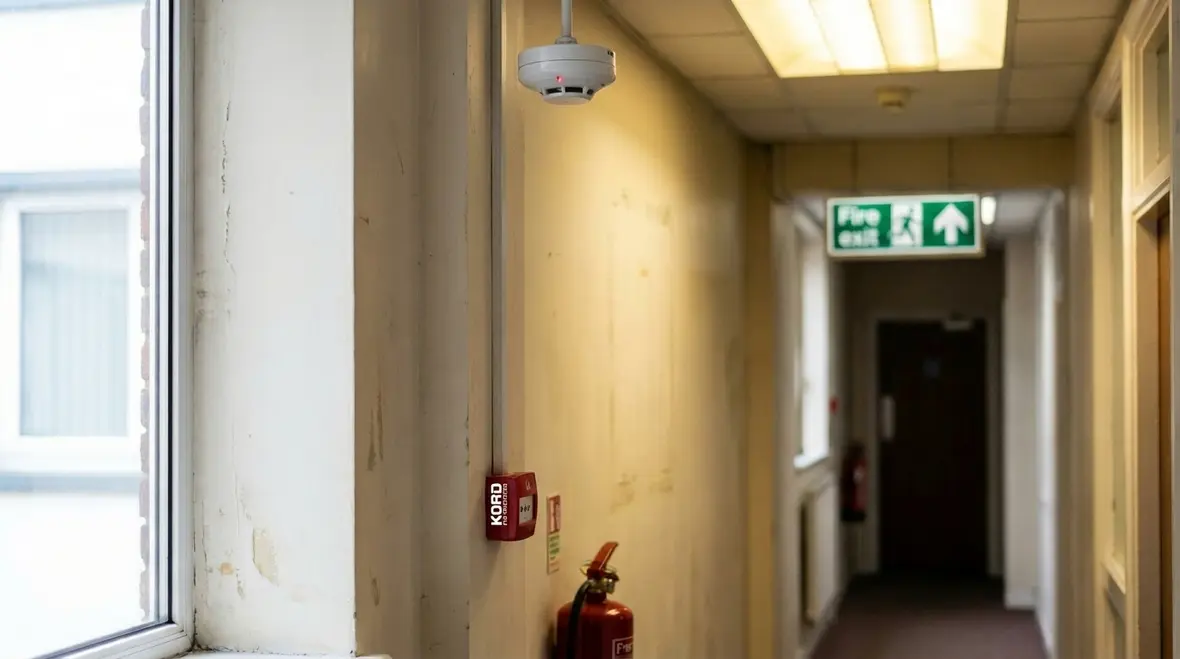
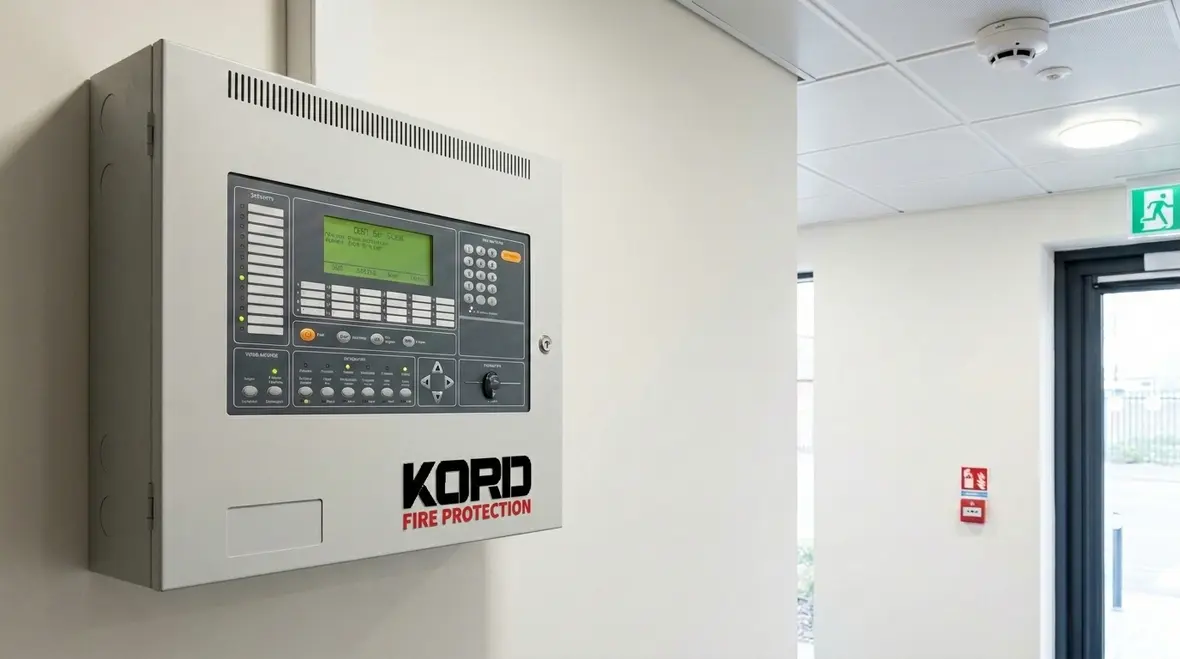
Gent fire alarm systems focus on dependable detection and simple, structured control. They typically use detectors for heat, smoke, and manual call points for people who spot danger early. When a device triggers, the control panel sorts the signal, then activates warning outputs such as sounders, beacons, and any linked control functions. In the UK, that “structured” approach matters, because buildings often have mixed risk areas, complex layouts, and multiple ways people move around the site.
Many UK customers also prefer these systems because they can scale. A smaller site can start with a baseline configuration, and later expand if the floor plan changes. That matters when a tenant moves out, a department grows, or the landlord remodels a “temporary” partition that has lasted three years. Kord Fire Protection technicians frequently walk teams through how zoning, cause and effect logic, and indicator mapping reduce confusion during an incident.
In short, the system uses a clear chain of events. First it detects, then it communicates, and then it helps the building respond.
How it works in plain language, from sensor to sounder
Gent systems operate like a well practised conductor. Each device sends signals to the panel, and the panel decides what to do next. To make this clear, Kord Fire Protection technicians usually explain it step by step during surveys and commissioning. That helps clients avoid the common myth that “an alarm is just a beep.” The truth is more practical and more reassuring.
Step one: detection
- Smoke detectors watch for particles that indicate slow or smouldering fires.
- Heat detectors react to temperature rise patterns where smoke may be less reliable.
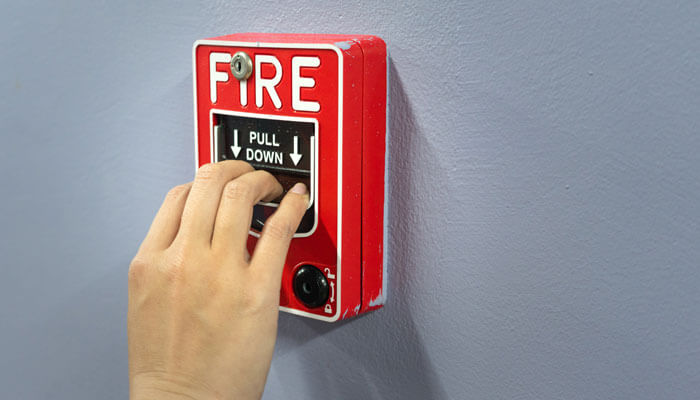
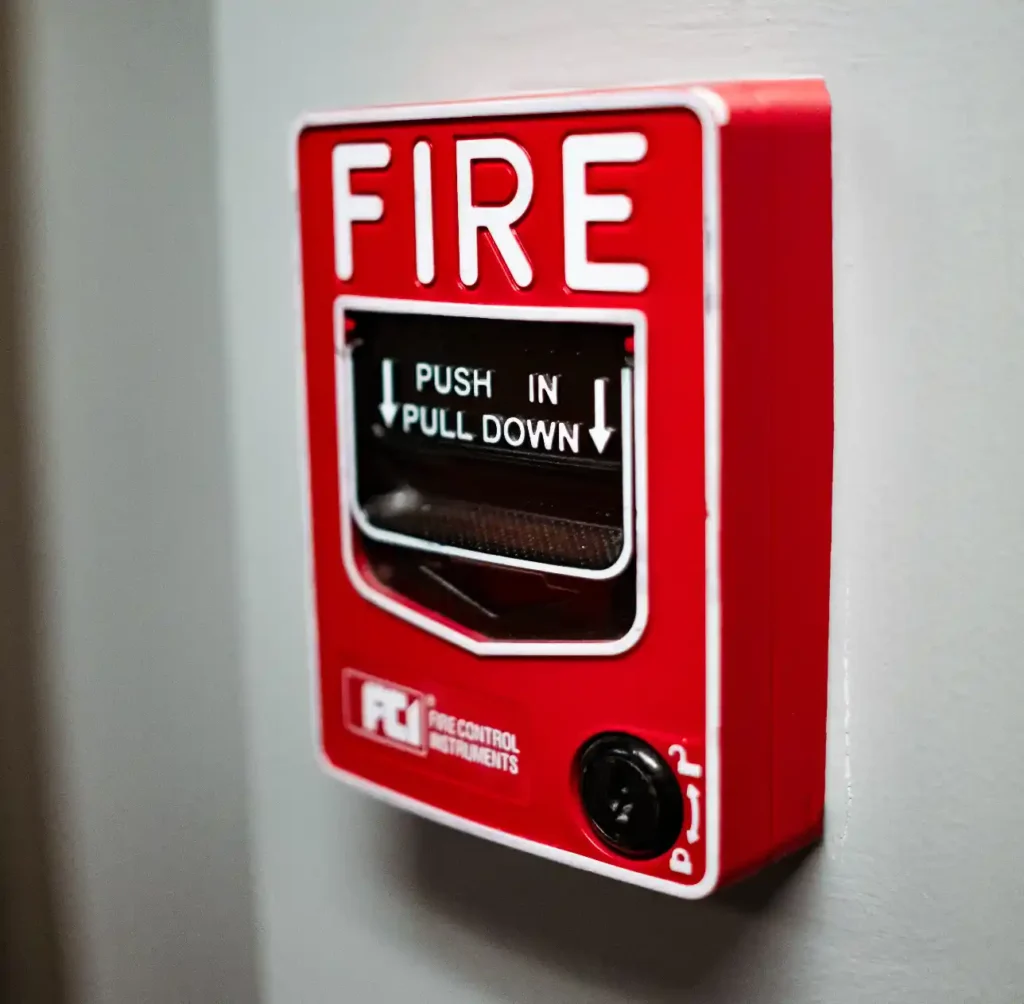
- Manual call points allow immediate activation by staff.
Step two: signalling and verification
- The panel receives an input and checks it against configured settings.
- It identifies the zone and the device location so responders know where to look.
Step three: alarm and response
- Sounders and beacons alert people to evacuate or take action.
- Any programmed links, such as door releases or plant shutdown, occur as defined in the cause and effect plan.
Because the panel holds the programmed logic, maintenance teams can test individual parts without guessing. Therefore, the system can remain both reliable and easy to manage.

Real world use cases across UK offices, retail, and light industry
Gent systems show up in many UK commercial environments because the detection and signalling can fit different risk profiles. For example, in a call centre or office, smoke detection in corridors and meeting areas helps pick up slow changes early, while manual call points sit where staff can act fast. In retail, zones can separate sales floors, back rooms, and stock areas, so the response stays focused. In light industrial units, heat detection may suit workshops where dust or airflow makes smoke detection harder.
Here are common scenarios Kord Fire Protection technicians often discuss:
- Multi tenant buildings where zones isolate each tenant so alarms do not overwhelm the wrong team during minor events.
- Warehouses with storage racking where detector spacing, mounting height, and beam effects need careful design.
- Office refits where new partitions change escape routes and risk areas, and the system must update without major disruption.
And yes, sometimes businesses treat fire safety like a subscription service. They sign up, forget about it, then panic when the test date arrives. However, a good design and steady maintenance keep the system ready, even when the building life-cycle gets messy.
Strengths and weak points clients should weigh before choosing
Gent fire alarm systems often deliver strong performance in the UK because they support clear zoning and dependable monitoring. Yet no system is perfect for every site, and a calm comparison helps prevent expensive “surprises” later.
Strengths
- Structured configuration helps maintain clear cause and effect logic.
- Scalability supports phased upgrades when sites grow.
- Clear indication at the panel reduces confusion for trained staff.
- Service friendliness makes testing and fault finding more efficient for maintenance engineers.
Weak points
- Design quality matters because detector selection and placement determine real performance.
- Change management must stay tight since alterations to rooms, ducts, or partitions can affect coverage.
- False alarms can happen if the system configuration does not match current use, ventilation patterns, or dust levels.
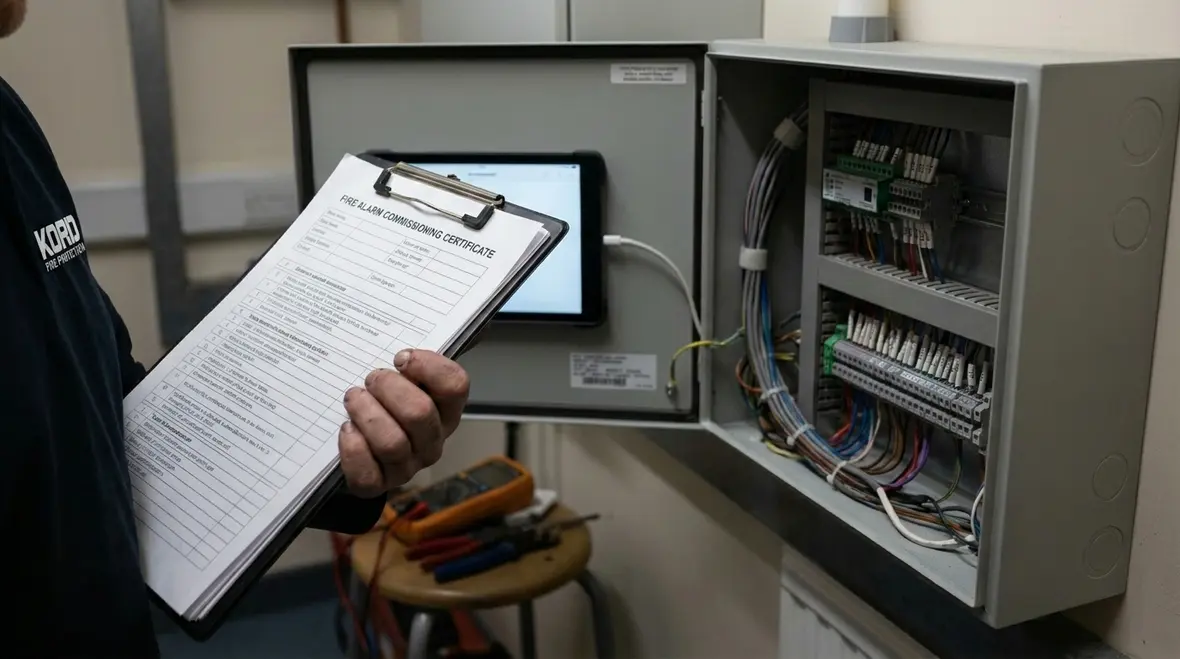
So, the real decision becomes not just “Which panel brand,” but “Which design team and commissioning approach.” Kord Fire Protection technicians usually stress this point, because a well documented, well tested system outperforms a rushed installation even when both use similar components.
Ongoing maintenance and testing that keeps performance steady
After installation, the system must remain trustworthy. That requires routine inspections, functional testing, and records that prove the building stays compliant. In the UK, maintenance is not a box to tick. It is the difference between “it worked last year” and “it works today.”
Typical ongoing tasks include:
- Weekly checks for panel status, fault indications, and device faults where required by the site policy.
- Regular planned tests of call points, sounders, and detection devices to verify response.
- Cleaning and inspection of detector heads when dust or airflow conditions affect them.
- Software and configuration review after minor changes such as new signage, changed layouts, or altered occupancy.
- Battery checks and load testing for fault prevention during power transitions.
Maintenance should also include clear reporting and follow up actions. Therefore, if a component shows early wear, the team can plan replacement rather than dealing with a fault call at 9 pm. Kord Fire Protection technicians commonly explain this as “predict the problem, then solve it.” It sounds simple, but it saves time, money, and sleep.
Relevant NFPA guidance and local UK compliance expectations
Fire safety in the UK relies on local regulations and standards, and companies often also look at NFPA principles for design thinking. While NFPA documents do not replace UK requirements, they can help teams understand risk based design, alarm reliability, and maintenance discipline.
NFPA principles often referenced
- NFPA 72 often guides the thinking around alarm system installation, testing, and maintenance methods.
- NFPA 101 informs life safety planning and egress considerations that link to alarm effectiveness.
Local UK expectations
- Compliance typically aligns with UK fire alarm and life safety standards used by specifiers and installers, including requirements around commissioning, documentation, and periodic servicing.
- Buildings usually must follow statutory obligations around maintaining fire risk controls, and alarms form a key part of that framework.
Because code requirements vary by building type, occupancy, and design, Kord Fire Protection technicians usually confirm the exact standard set for each project during the survey and handover. That is how a client avoids assumptions, the most expensive hobby in the world.
Using these systems effectively to reduce downtime and improve response
Once the design is correct and the system is maintained, fire alarm systems in uk commercial buildings become a tool for faster, calmer action. For effective use, teams should ensure staff training includes real-world scenarios, not just theory. They should also keep the cause and effect documentation accessible, because during an incident, people do not search a filing cabinet like it is a treasure hunt from Indiana Jones.
We also recommend using the system data wisely. Access the panel logs, schedule tests with site operations in mind, and coordinate shutdowns or door release actions with building managers. When Kord Fire Protection technicians plan upgrades, they align changes with the live building schedule, so downtime stays minimal and the system remains dependable.
And finally, use the system as intended: detection triggers, warning outputs activate, staff respond, and evacuation or control actions follow the plan. That simple flow reduces confusion, supports safe egress, and keeps everyone focused on the job that matters.
FAQ for Gent fire alarm systems in the UK
Call Kord Fire Protection to plan the next step
A properly designed Gent system should stay quiet, then act decisively when it matters. If a building is due for a review, upgrade, or a maintenance reset, Kord Fire Protection technicians can help map the site risks, confirm compliance, and keep testing smooth. Reach out to discuss your premises, your current system status, and the best path to reduce false alarms and improve response. Then your fire alarm strategy can move from “we hope it works” to “we know it will.”
Want a related fire safety next step?
If you are planning broader compliance work alongside your alarm system, start here for a focused regional walkthrough.
Know Your Weapon Before You Fight the Flame
Kord Fire Protection is your go-to when it comes to all things fire protection. For over 20 years, we’ve been serving Southern California with the quality service and equipment to keep your home or business safe at all times. Our competitive prices reflect our unwavering commitment to protecting what matters most in the event of a fire emergency. Give us a call, send an email, or use that form!

Join Our Newsletter!
Get the latest fire safety tips delivered straight to your inbox From our Newsletter.