

Wet Standpipe System Inspection and Maintenance Guide
Fire protection rarely gets applause. It does not trend on social media. It does not star in summer blockbusters. Yet when flames rise and alarms echo through concrete halls, one quiet hero stands ready behind the walls. Our wet standpipe system is one of those heroes. It sits filled with pressurized water, calm and prepared, waiting for firefighters to connect their hoses and take control. In the sections ahead, this article explains how a wet standpipe system works, what parts keep it reliable, why building owners trust it, and where it can fail if ignored. Along the way, Kord Fire Protection technicians lend their steady expertise, breaking down the mechanics with clarity and, occasionally, a knowing smile.
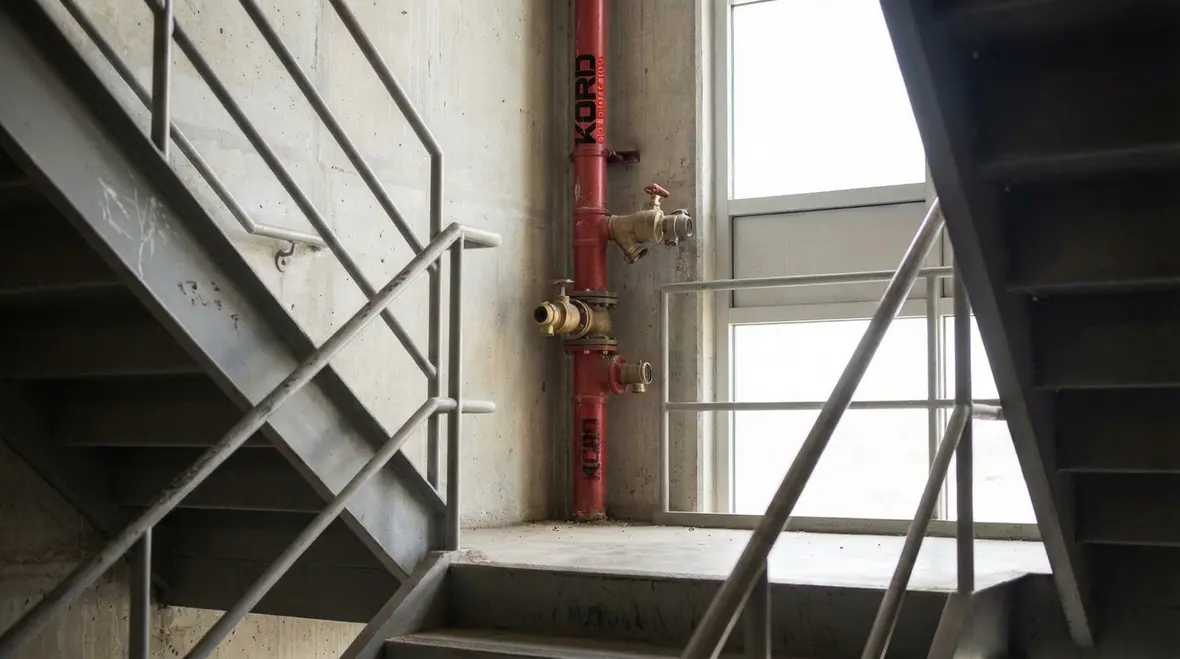
Understanding the Wet Standpipe System in Real World Buildings
A wet standpipe system is a network of pipes installed in multi story buildings, parking structures, hospitals, and high rises. Unlike dry systems, these pipes remain filled with water at all times. As a result, firefighters gain immediate access to a reliable water source on every level.
Imagine climbing twenty flights of stairs carrying heavy hose packs. Now imagine doing that while smoke thickens and visibility fades. That is where this system earns its reputation. Because water already sits in the piping, responders can connect to hose valves on each floor without waiting for lines to charge.
Kord Fire Protection technicians often explain it in simple terms. “Think of it as a vertical water highway inside the building,” one technician says. “When firefighters plug in, the water is already queued up, ready to move.”
Moreover, building codes often require these systems in structures above a certain height. Fire departments rely on them. Insurance carriers expect them. Property managers sleep better knowing they exist.
Although it sounds straightforward, the engineering behind a wet standpipe system involves pressure calculations, pipe sizing, and pump integration. Therefore, proper design and maintenance matter just as much as the presence of the system itself. For a broader look at how standpipes fit into overall building protection, many owners also review Kord Fire’s Standpipe Systems overview.

Core Components That Keep the System Ready
Every wet standpipe system depends on a set of coordinated parts. Each component plays a role, and if one fails, the whole system can stumble. Kord Fire Protection technicians often walk clients through these elements during inspections.
1. Water Supply
The system connects to a municipal water main, a fire pump, or a dedicated storage tank. Because pressure must remain consistent, engineers calculate flow demands based on building height and occupancy. In many facilities, that means coordinating the standpipe design with the fire pump testing and inspection program described in Kord Fire’s fire pump testing requirements guide.
2. Vertical Risers
These pipes run vertically through stairwells or shafts. They form the backbone of the system. Water travels upward through these risers to reach each floor connection.
3. Hose Valves
Installed at designated floor levels, hose valves allow firefighters to connect hoses quickly. These valves must remain accessible and clearly marked.
4. Fire Department Connection
Located outside the building, this connection lets firefighters pump additional water into the system. Consequently, if municipal pressure drops, crews can supplement it immediately.
5. Pressure Regulating Devices
In tall buildings, pressure can become too high at lower floors. Regulators keep discharge pressure within safe limits, protecting both equipment and personnel.
6. Supervisory and Control Valves
These valves control water flow and often connect to alarm systems. If someone closes a valve, the monitoring system sends an alert.
When Kord Fire Protection technicians inspect a building, they check each element carefully. They test pressure, examine valve condition, and confirm signage. Because in fire protection, details are not optional. They are essential.
How Does a Wet Standpipe System Work During a Fire?
When a fire breaks out, time shrinks. Decisions happen fast. Fortunately, the wet standpipe system does not need to think. It simply performs.
First, firefighters enter the building and locate the nearest hose valve, typically inside a stairwell. Next, they attach their hose and nozzle. Because the pipes are already filled, water flows as soon as the valve opens.
If additional pressure is required, crews connect to the fire department connection outside. They pump water into the system, boosting flow to upper floors. Meanwhile, pressure regulators maintain safe discharge levels.
This setup reduces the need to drag long hose lines from ground level. Therefore, it cuts response time and limits physical strain on firefighters. In high rise incidents, that advantage can change outcomes.
Kord Fire Protection technicians often describe the moment of activation as “controlled force.” The water moves with purpose, guided by design. No chaos. No guesswork. Just engineered readiness.
Additionally, many buildings integrate standpipe systems with sprinklers. While sprinklers suppress the fire at its origin, standpipes support manual firefighting efforts. Together, they form a layered defense. For sprinkler specific inspection details, owners frequently review the wet sprinkler system inspection guide to coordinate maintenance across both systems.
Advantages That Make Property Owners Breathe Easier
Property managers juggle budgets, tenant concerns, and safety compliance. A properly installed wet standpipe system eases several of those worries.
Immediate Water Availability
Because the pipes stay filled, there is no delay in water delivery. That speed supports faster fire control.
Improved Firefighter Efficiency
Crews connect on the fire floor instead of stretching lines up stairwells. Consequently, they conserve energy and reduce setup time.
Code Compliance
Many jurisdictions require standpipes in buildings above certain heights. Meeting these codes avoids fines and supports occupancy approvals.
Insurance Benefits
Insurers often view active fire protection systems favorably. Although policies vary, documented maintenance can positively influence risk assessments.
Enhanced Tenant Confidence
Tenants may never see the piping behind the walls. However, knowing a building includes robust fire protection fosters trust.
Kord Fire Protection technicians sometimes add a light remark during consultations. “It is not flashy,” one says, “but neither is a seatbelt. You still want it when things go sideways.”
Furthermore, wet systems generally require less complexity than dry alternatives in heated buildings. Because freezing is not a concern indoors, the design remains simpler and more reliable in many commercial settings.
Failure Modes and What Can Go Wrong
Even the best equipment can falter. A wet standpipe system, while dependable, faces risks if neglected. Understanding failure modes helps prevent them.
Corrosion Inside Pipes
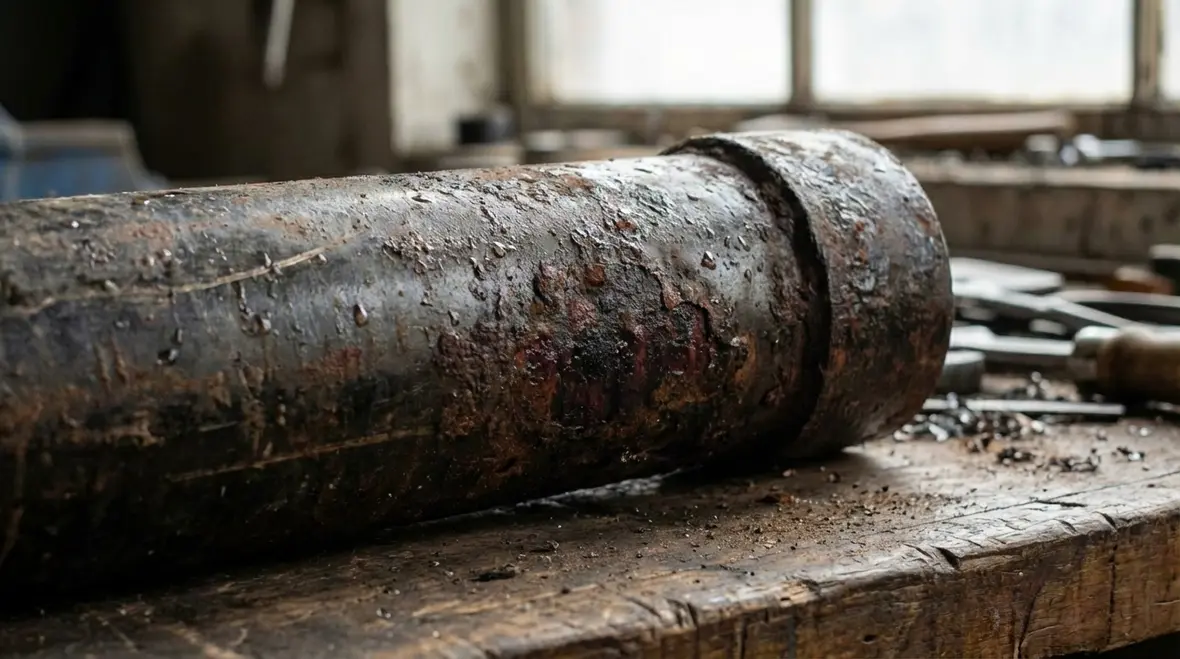
Over time, oxygen and minerals can corrode interior pipe walls. This corrosion may restrict flow or cause leaks. Regular inspection helps detect early signs.
Closed Control Valves
Sometimes, a valve gets closed during maintenance and never reopened. Without monitoring, the system may sit disabled. Supervisory switches and routine checks reduce this risk.
Pressure Regulator Malfunction
If regulators fail, pressure may become too high or too low. Either condition creates hazards. Testing ensures they operate within design limits.
Obstructed Hose Valves
Storage items placed in stairwells can block access. In an emergency, seconds matter. Clear access must remain a priority.
Inadequate Water Supply
Changes in municipal infrastructure or building modifications can alter available pressure. Periodic flow testing verifies that supply still meets demand.
Kord Fire Protection technicians approach these risks with methodical care. They do not rely on assumptions. Instead, they measure, document, and verify. Because in fire protection, hope is not a strategy.
Inspection, Testing, and Maintenance Best Practices
Codes such as NFPA 25 outline inspection and testing intervals for standpipe systems. However, compliance alone should not be the goal. Reliability should.
Annual Visual Inspections
Technicians check hose valves, signage, and cabinet condition. They confirm that components remain accessible and undamaged.
Flow Testing Every Five Years
This test measures water flow and pressure at the most remote hose valve. Consequently, it confirms the system can deliver required performance.
Valve Exercising
Control valves should be operated periodically to prevent sticking. Movement keeps them functional.
Pressure Regulator Testing
Specialized equipment verifies that discharge pressure stays within safe limits.
Kord Fire Protection technicians document every step. They provide reports that property managers can share with inspectors and insurers. Moreover, they explain findings in plain language. No jargon storms. No smoke and mirrors. Just facts.
Preventive maintenance often costs far less than emergency repairs. Additionally, it protects occupants and first responders. In that sense, routine testing becomes an investment rather than an expense.
Design Considerations for Modern Buildings
Architects and engineers must account for building height, occupancy type, and fire department capabilities. Therefore, early coordination matters.
High rise buildings may require fire pumps to achieve adequate pressure at upper levels. Meanwhile, mixed use structures may demand zoning strategies to manage pressure differences. Engineers also consider pipe material, seismic bracing, and accessibility.
Energy efficient construction trends introduce tighter building envelopes. Although that improves sustainability, it can complicate smoke movement and heat conditions during a fire. As a result, standpipe reliability becomes even more critical.
Kord Fire Protection technicians often collaborate during renovation projects. They review existing riser capacity and recommend upgrades when occupancy changes. Because a building evolves, its fire protection should evolve as well.
Pop culture loves dramatic explosions and slow motion hero shots. Real life fire safety, however, depends on careful math, precise installation, and disciplined upkeep. Not exactly an action movie, but far more useful.
Side by Side Snapshot: Benefits and Risks
Below is a clear comparison that property owners often request.
Advantages Potential Failure Points
Immediate water access Corrosion buildup
Supports firefighter operations Closed or impaired valves
Code compliance in tall buildings Pressure regulator faults
Improves insurance profile Insufficient municipal supply
Simple operation in heated spaces Blocked hose connections
This balanced view helps decision makers weigh performance against maintenance responsibility. While the benefits are strong, they only remain so with consistent oversight.
FAQ: Wet Standpipe Systems
Conclusion: Quiet Strength Behind the Walls
A wet standpipe system may never receive applause, yet its presence can define the outcome of an emergency. With proper design, routine testing, and expert oversight from professionals like Kord Fire Protection technicians, it stands ready day and night. Building owners who invest in inspection and maintenance protect more than property. They protect lives.
To ensure your system performs when it matters most, schedule a professional evaluation and keep readiness close at hand. If your facility includes Class 1, 2, or 3 standpipes under Los Angeles Chief’s Regulation 4, explore Kord Fire’s Regulation 4 Class 1 Standpipe, Class 2 Standpipe, and Class 3 Standpipes services, or contact the team directly through the main Contact Us page to set up your next standpipe inspection and maintenance visit.
Know Your Weapon Before You Fight the Flame
Kord Fire Protection is your go-to when it comes to all things fire protection. For over 20 years, we’ve been serving Southern California with the quality service and equipment to keep your home or business safe at all times. Our competitive prices reflect our unwavering commitment to protecting what matters most in the event of a fire emergency. Give us a call, send an email, or use that form!

Join Our Newsletter!
Get the latest fire safety tips delivered straight to your inbox From our Newsletter.


